

Purpose of the rule
The 20 Percent Savings Rule Money: A Simple Budget Rule Explained is a clear method to manage money by setting aside a portion of your income for the future while covering daily costs. It helps you build a safety net and make steady progress toward big goals.
This rule also clarifies how your monthly budget aligns with your financial goals, so you can see how each dollar works for you.
Brief overview of the 20% savings target
About one fifth of your take-home pay goes to savings, giving you a predictable path toward emergencies, retirement, or large purchases.
Think of it as part of a simple three category approach: needs, wants, and savings. You cover essentials first, enjoy a few extras, then set aside money for the future.
As you get more comfortable, you can adjust the percentage to reflect changes in life, such as a new job or higher living costs. This keeps your money management practical and sustainable.
What Is the 20 Percent Savings Rule Money?

Definition and core idea
The 20 Percent Savings Rule Money: A Simple Budget Rule Explained is a straightforward plan that suggests saving about one-fifth of your take-home pay. The rest goes to cover needs and wants. The core idea is to build a habit of setting money aside first, before spending on nonessential items.
Think of it as a clear target for your savings goals that stays steady month to month. It helps you create a predictable path toward future security without waiting for extra income to appear.
How it fits into personal finance
Seen in a wider view, this rule fits into smart money management by separating money into three parts: needs, wants, and savings. By consistently allocating 20% to savings, you support both an emergency fund and long-term plans like retirement.
It also works well with automatic tools. Set up automatic transfers from your checking account to your savings account so the goal happens without daily effort.
The Math Behind 20%

Calculating after-tax income
Start with your take-home pay. This is the money you actually receive after taxes and other deductions. It is also called net income or monthly after-tax income.
Use this number as the base for your budget calculations. If you are paid weekly or biweekly, you can sum the pay periods to get a monthly take-home amount.
Allocating 20% to savings vs. other categories
From your monthly after-tax income, allocate exactly one fifth to savings. This is the core idea of the rule. The remaining 80% covers needs and wants.
- Savings: 20% goes here first, and it can be split into an emergency fund, retirement savings, and other goals.
- Needs and Wants: The rest is divided to cover essentials like housing, food, and transportation, plus discretionary spending.
As you practice, you can adjust the percentages if life changes, but keep the habit of separating savings first. This helps you stay on track toward your savings goals and long-term plans.
Needs vs. Wants vs. Savings: Clarifying Categories
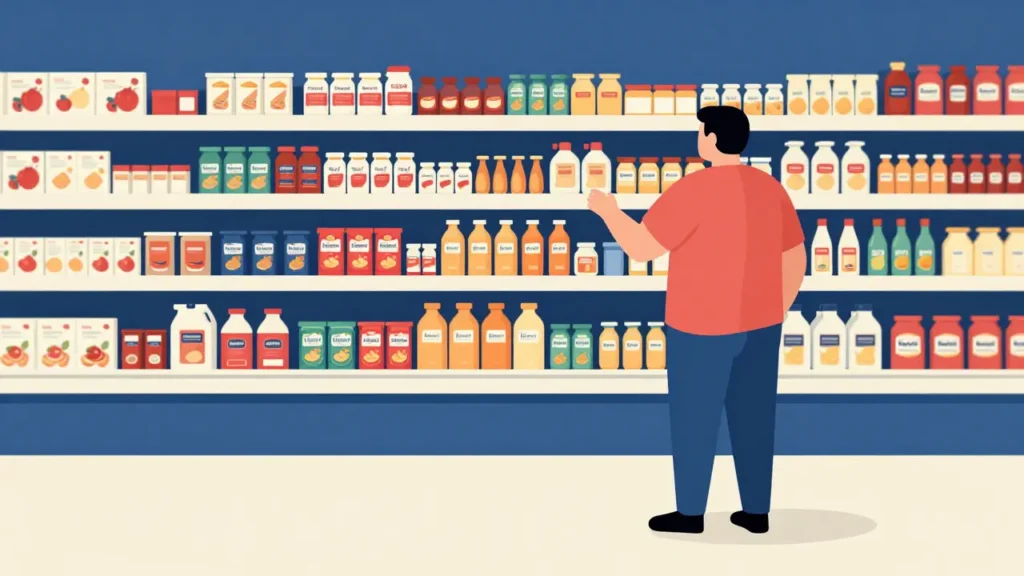
Examples of needs and wants
Needs are essentials you must have to live and function. Examples include housing, utilities, groceries, transportation, and basic healthcare. Wants are the extras you can live without or delay, like dining out, entertainment, and premium services. Separating them helps you see where to cut if money is tight.
- Needs: rent or mortgage, utilities, groceries, transportation, insurance premiums, minimum debt payments.
- Wants: meals outside, streaming subscriptions, upgrades in electronics, vacations, nonessential shopping.
Determining true savings potential
Savings potential is the amount you can set aside after covering needs. Start by listing fixed monthly costs and then variable expenses. If you have room after needs, you can allocate part to savings and part to wants.
- Review your monthly budget to identify nonessential spending you can reduce.
- Consider a savings goals target for emergencies, retirement, or big purchases.
- Use automatic transfers to move the chosen amount to a savings account every pay period.
Step-by-Step Implementation Guide
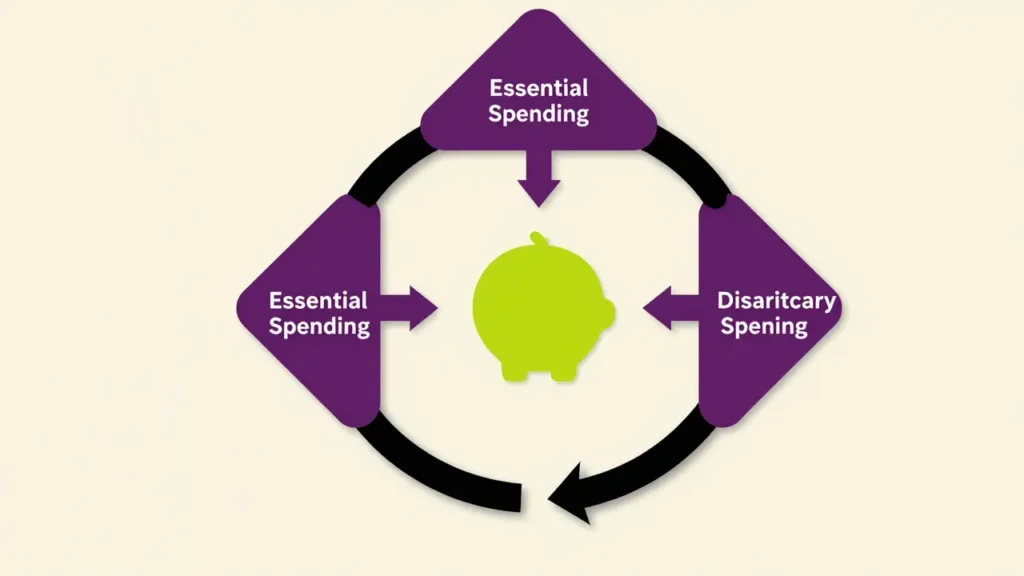
Assess current income and expenses
List your monthly take-home pay and regular costs to see what remains after essential needs. Use simple categories like housing, food, transport, and incidentals.
- Record net income and all fixed bills.
- Note variable costs that change each month.
- Identify areas where you can trim without hurting essentials.
Set up automatic transfers
Make saving effortless by automating transfers from your checking to your savings account. This builds a steady habit and reduces the chance you skip saving.
- Choose a date that matches your paycheck schedule.
- Split the transfer into savings goals like emergency funds and long-term needs.
- Review and adjust amounts after big life changes.
Adjust spending to preserve 20%
Reallocate money so 20% goes to savings first, then cover needs and wants.
- Identify nonessential subscriptions and pause or trim them.
- Look for cheaper options for recurring costs like insurance or utilities.
- Keep a simple monthly budget and update it if costs rise.
Realistic Scenarios: Different Income Levels
Low income application
For households with limited take-home pay, the 20 percent target still guides choices. The focus is on protecting essentials first and building small savings over time.
- Prioritize an emergency fund with small, regular deposits.
- Keep saving targets flexible and review them monthly.
- Use automatic transfers even for tiny amounts to build discipline.
Median income application
Many households in this bracket can aim for a steady 20 percent of monthly after-tax income while keeping spending comfortable.
- Split the 20 percent into a larger emergency fund and ongoing retirement contributions.
- Reassess needs and wants to protect long-term goals without sacrificing present stability.
- Use sinking funds to plan for irregular expenses like car upkeep or home repairs.
High income application
With more take-home pay, you can accelerate progress toward long-term goals and diversify savings.
- Allocate 20 percent to savings across multiple goals, including retirement and big purchases.
- Increase contributions to retirement accounts and tax-advantaged plans where available.
- Continue monitoring spending to avoid unnecessary subscriptions or luxury costs creeping in.
Common Pitfalls and How to Avoid Them
Underfunding essentials
If you push too much into savings, your essential needs may lack enough money. This can lead to missed payments or stress.
- Review monthly expenses for fixed costs like housing, utilities, and groceries.
- Prioritize needs before savings to keep your basic living stable.
- Adjust the percentages if costs rise or if you have unusual bills.
Inflation and rising costs
Prices can climb, making the same budget feel tight. If you fail to account for higher costs, your 20% savings target may shrink.
- Track real changes in your spending each month.
- Increase the savings amount when possible, not just the budget for wants.
- Build a small cost-of-living cushion in your emergency fund.
Misclassifying expenses
Mixing up needs, wants, and savings can mislead how much you actually save.
- Define needs as essentials that must be paid to live and function.
- Label wants clearly as nonessential items or entertainment.
- Allocate payments to the correct category before moving money to savings.
Tools to Track and Maintain the Rule
Budget templates and apps
Using a simple template or a trusted app helps you see where your money goes. It makes it easy to track income, expenses, and the 20 percent savings target in one place.
- Choose a template that matches your budget categories such as needs, wants, and savings goals.
- Look for apps that support automatic transfers to a savings account and show real-time balance updates.
- Select tools that let you adjust percentages if costs change.
Monthly review checklists
Regular reviews keep the rule working. A short checklist helps you catch mistakes and stay on track.
- Compare take-home pay with budgeted amounts to spot any gaps.
- Confirm that at least 20 percent is moving toward savings every month.
- Adjust categories if you see rising costs or new financial goals.
FAQ
What are the downsides of the 20% savings rule?
The 20 Percent Savings Rule Money: A Simple Budget Rule Explained is a guideline, not a fixed rule. It may not fit every situation, especially when essential costs are high or irregular. Some people may feel stretched if their needs take more than a portion of take-home pay.
- It can be hard to maintain during periods of low income or high bills.
- Rigidly saving 20% may slow down other important financial moves, like paying off debt quickly.
- Misclassifying expenses can make the rule seem to work poorly even when it does not.
How long to build an emergency fund with this rule?
Many experts suggest 3 to 6 months of essential living costs. If you follow the 20 Percent Savings Rule Money: A Simple Budget Rule Explained, start with a smaller target and increase as income grows or spending changes.
- Begin with a small target you can reach in a few months.
- Increase the fund when your regular costs rise or you gain more income.
- Keep the fund in a separate savings account for quick access.
How to adjust if 20% is not feasible?
Adjust the percentages to fit your situation while keeping money for the future. The idea is to protect essentials first and still save something each month.
- Decrease the savings share to a workable amount and reallocate the rest to needs or wants.
- Recheck monthly income and expenses to find small, reliable increases in savings.
- Use automatic transfers to keep disciplined even when the number changes.
Conclusion
Key takeaways
Understanding the 20 Percent Savings Rule Money helps you map your money clearly. It centers on saving a portion of your take-home pay after covering essentials, while still funding needs and some wants. Think in terms of budget categories to see where each dollar goes and stay focused on your goals.
- Define three categories: needs, wants, and savings goals.
- Start with a simple target like twenty percent of take-home pay for savings, then adjust as life changes.
- Automate savings with automatic transfers to a savings account to stay consistent.
Encouragement to start small and scale
If 20% feels hard now, begin with a smaller amount and gradually increase it. You can still protect essentials with smart budgeting and regular reviews. As your income grows or costs shift, you can better allocate funds toward retirement savings and debt payments without losing progress on your goals.
- Set up a monthly budget and keep track of changes in monthly income.
- Use automatic transfers to move money toward savings goals before spending on nonessential items.
- Review and adjust the percentages to fit your personal financial goals.
In short, start with what you can, stay consistent, and scale as your situation allows. This approach supports steady savings and long-term financial wellness.