Nearly four in 10 Americans would struggle to cover an unexpected $400 expense without going into debt. Because they don’t know about the 50/30/20 rule.This startling fact from recent financial surveys shows how many people live paycheck to paycheck. With the personal savings rate in America sitting under 4%, finding a simple way to manage your money is more important than ever. You need a plan that helps you stop worrying about your bank account every month and works for everyone.
The 50/30/20 rule is a famous budgeting method that makes money management easy to understand. Senator Elizabeth Warren and her daughter, Amelia Warren Tyagi, shared this idea in their 2005 book, All Your Worth. It is a simple budgeting rule that helps you allocate your monthly income into three categories so you can pay your bills and still have fun. This guide will show you how to use this budgeting technique to reach your financial goals and build a safety net for the future.
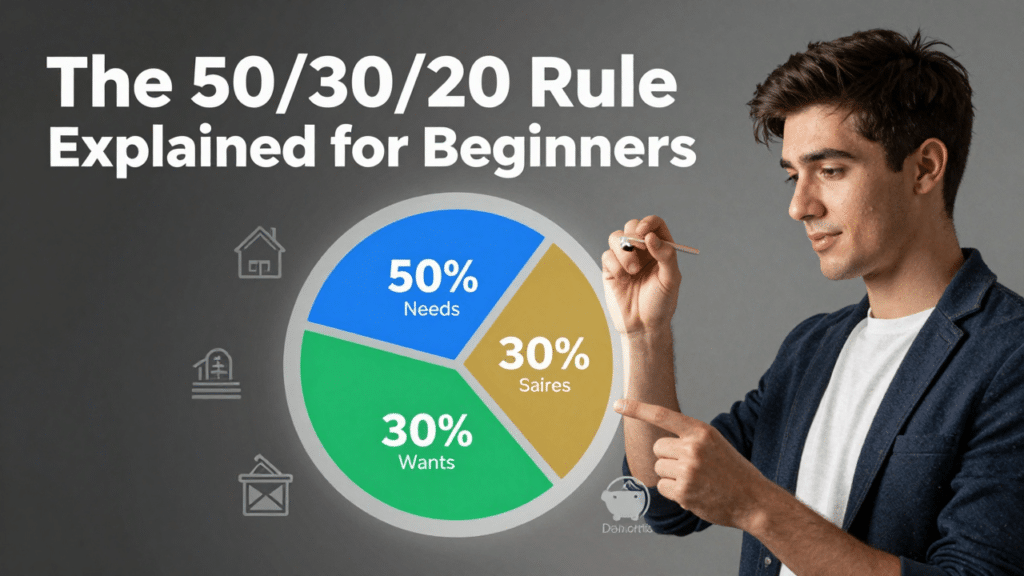
The 50/30/20 rule splits your monthly after-tax income into 50% for needs, 30% for wants, and 20% for savings and debt repayment.
“Don’t feel like you have to be perfect. Perfect is the enemy of good. Good enough generally will win with consistency over time.”- Julian B. Morris, Financial Planner
In this article, you will learn how to create a budget that actually works for your life. You will find out how to tell a necessity apart from a want and how to set aside money for long-term goals. We will look at how to keep track of your expenses and adjust the percentages if you live in a place with a high cost of living. By the end, you will have a clear budget plan to protect your financial future.
- How to calculate your monthly income after taxes
- The difference between essential needs and fun wants
- Ways to automate your savings and debt payments
- Tips to tailor the rule to fit your specific paycheck
Managing your money does not have to be scary or hard, especially when you set up payments for credit cards. Even if you have a student loan or a mortgage, this budgeting system can help you start saving today. You can use a simple calculator or a budget app to see where your money goes. Let’s look at how these three buckets can help you save for the future and find peace with your spending habits.
Your Money in Three Buckets
Calculating your after-tax income is the first step toward mastering this method. This figure, also known as your net income, is the actual amount of money that lands in your checking account after taxes and health insurance premiums are taken out of your paycheck. It represents the real “fuel” you have available to power your life and reach your financial goals.
The core of this system is to allocate that income into three distinct categories. By using specific percentages, you create a budget plan that balances your current survival with your future happiness. While the math is simple, the impact on your money management is huge because it tells every dollar where to go before you have a chance to waste it.
The Three Categories Explained
The 50/30/20 rule suggests a specific split for your monthly income after taxes. You divide your spending into needs, wants, and savings and debt repayment. This structure ensures you cover your essentials while still allowing room for fun and building a safety net.
| Category | Percentage | What it Covers |
|---|---|---|
| Needs | 50% | Mortgage, utilities, and groceries |
| Wants | 30% | Dining out, hobbies, and streaming |
| Savings & Debt | 20% | Emergency fund and extra debt payments |
Calculating Your Personal Numbers
To make a monthly budget that works, you can use a calculator to find your exact targets. For example, if your monthly after-tax income is $5,000, you would set aside $2,500 for your essential costs. You then have $1,500 for things you enjoy and $1,000 to save for the future or pay down debt.
- Step 1: Look at your recent card statements to see your total net income.
- Step 2: Multiply that total by 0.50, 0.30, and 0.20.
- Step 3: Compare these numbers to your current spending habits.
40% of Americans risk a lower standard of living in retirement. This startling figure from recent research highlights why the 20% bucket is so vital. By using this budgeting technique, you ensure that retirement savings and long-term goals aren’t just an afterthought but a permanent part of your monthly payments.
Pro tip: If you live in an area with a high cost of living, you may need to adjust the percentages. The rule is a guide to help you start saving, but you can tailor the rule to fit your unique life.
Using a budget app can help you keep track of your expenses as you try to hit these targets. Whether you are paying off a student loan or trying to build a safety net, this framework gives you a clear path. It transforms your paycheck from a source of stress into a tool for your financial future.
Sorting Your Spending into Needs
Deciding what is a “must-have” versus a “nice-to-have” is often harder than it looks. While some costs are obvious, many people accidentally label lifestyle choices as survival requirements. To make your monthly budget work, you have to be honest about what is truly essential to keep your life running and your job secure.
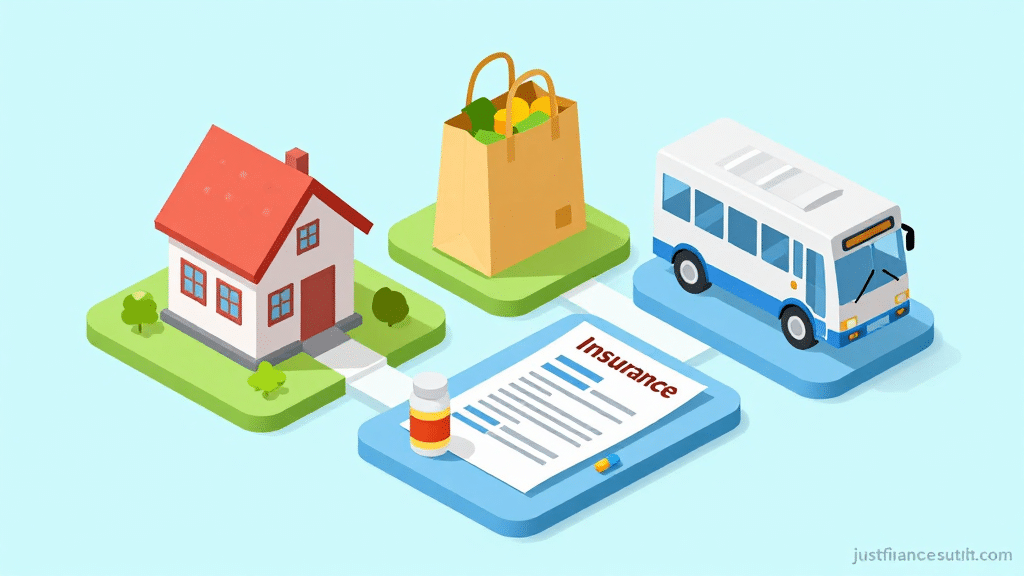
Needs are the non-negotiable costs of living and working. This category includes your mortgage or rent, utility bills like electricity and water, basic groceries, and insurance. It also covers transportation to get you to your job and the minimum debt payments required by your bank or student loan provider. If you stop paying these, there are serious consequences, like losing your home or damaging your credit.
Pro tip: A need is something you cannot live without for more than a month. If you can skip it and only feel bored rather than hungry or cold, it is likely a want.
The gap between the 50-30-20 rule and reality can be surprising for many Americans. The average monthly spending for needs is $4,663 for many US households. However, the median monthly income after taxes is approximately $5,645. If you allocate exactly 50% of that net income to needs, you would only have $2,823 to spend-leaving a gap of nearly $1,840 compared to average spending habits.
Common mistakes often happen when “lifestyle creep” hides in your 50% bucket. You might feel like a high-end gym membership or a 4K streaming plan is a necessity, but these are actually “wants” that should be moved to the next part of your budget plan. I once convinced myself that a specific meal-kit delivery was a need because I was busy, but it was actually a luxury that was eating into my savings goal.
What Counts as a True Need?
To create a budget that actually sticks, use this checklist to keep track of your expenses. If an item isn’t on this list, it probably belongs in your 30% category for needs and wants.
- Housing: Rent, mortgage payments, and property taxes.
- Utilities: Water, heat, electricity, and a basic phone plan.
- Food: Healthy, basic groceries (not expensive steak or takeout).
- Transportation: Car payments, gas, insurance, or bus passes.
- Health: Medicine and monthly payments for insurance premiums.
- Minimum Debt: The smallest amount you must pay on credit cards or loans.
Understanding these monthly expenses helps you see if your cost of living is too high for your paycheck. If your essential bills take up 80% of your monthly after-tax income, you may need to tailor the rule or look for ways to lower your fixed costs. Use the table below to see how a typical monthly income should be divided for needs versus what many people actually spend.
| Expense Type | 50% Target (at $5,645 Income) | US Average Spending |
|---|---|---|
| Total Needs | $2,823 | $4,663 |
| Status | Goal | Over Budget |
Checking your card statements is the best way to start saving by finding hidden “wants” posing as “needs.” Once you identify your true monthly budget for survival, you can begin to save for the future without feeling deprived. This clarity is what makes money management feel like a tool for freedom rather than a restriction.
Finding Joy in Your 30% Wants
While the average household spends nearly 80% of their take-home pay on basic survival, shifting your focus to the 30% “wants” category can feel like a breath of fresh air. This portion of your budget is dedicated to the things that make life fun, but it is also the area where most people lose control. If your monthly after-tax income is $5,000, you have exactly $1,500 to allocate toward the things you enjoy, from streaming services to weekend trips.

I have seen many people feel guilty about spending money on a nice dinner, but this budgeting rule actually encourages it. The 50-30-20 rule works because it gives you permission to spend without the stress of wondering if you can afford it. However, you must be honest about what is a necessity and what is just a “nice-to-have” addition to your day.
“The 50/30/20 rule doesn’t always reflect real-life expenses, especially for those with significant debt, and doesn’t prioritize saving over wants.”- Rachel Cruze, Financial Expert
Cruze makes a sharp point: if you are drowning in a student loan or heavy debt payments, giving yourself a full 30% for fun might be a mistake. You might need to adjust the percentages temporarily to reach your future goals faster. This category is the most flexible part of your budget plan, and it should be the first place you cut back if you want to save for the future more aggressively.
Common Lifestyle Wants
To create a budget that actually sticks, you need to know exactly what fits into this 30% slice. These are monthly expenses that enhance your life but wouldn’t cause a crisis if they disappeared tomorrow. Unlike your mortgage or utility bills, these are choices you make every week.
- Dining and Drinks: This includes your morning latte, takeout on Fridays, and sit-down dinners with friends.
- Entertainment: Tickets for movies, concerts, or sporting events fall here.
- Digital Subscriptions: Your Netflix account, Spotify premium, and gym memberships are lifestyle choices.
- Travel and Hobbies: Saving for a summer vacation or buying gear for a new hobby fits in this bucket.
- Shopping: Buying clothes you like (rather than clothes you need for work) or upgrading your home decor.
Managing these spending habits requires a checking account buffer so you don’t accidentally dip into your savings and debt repayment funds. Many people find that using a budget app helps them keep track of your expenses in real-time. This prevents the “oops” moment at the end of the month when you realize your paycheck is gone before you’ve hit your savings goal.
| Income Level | 30% for Wants | Daily Fun Budget |
|---|---|---|
| $3,000 | $900 | $30 |
| $4,500 | $1,350 | $45 |
| $6,000 | $1,800 | $60 |
Think of this category as the fuel for your financial future because it keeps you from burning out. If you never set aside money for joy, you will likely quit your budgeting technique within months. Balancing these “wants” with your retirement savings-which we will look at next-is the secret to a monthly budget that actually works for a lifetime.
Saving for the future often feels like a task you can push to next year, but current data shows that waiting is a dangerous game. Almost 40% of Americans are at risk of a lower standard of living when they retire because they haven’t prioritized their long-term goals. While your needs and wants handle today, this final 20% slice of your monthly budget is what protects your future self and contributes to your budget for savings.
Building Your Financial Safety Net
The first priority for this portion of your monthly income after taxes is your emergency fund. Life is unpredictable, and without a cash cushion, a single car repair can ruin your entire budget plan. Currently, the personal savings rate in America is under 4%, which leaves many families vulnerable to unexpected costs.
Nearly four in 10 Americans would go into debt to cover a surprise $400 expense. By using your 20% to build a safety net, you stop relying on high-interest credit cards when things go wrong. Once you have a small cushion, you can shift your focus to retirement savings and other wealth-building investments.
“Don’t feel like you have to be perfect. Perfect is the enemy of good. Good enough generally will win with consistency over time.”- Julian B. Morris, Financial Planner
Tackling Debt and Growing Wealth
This category isn’t just for a savings account; it is also where you allocate money for debt repayment beyond your minimums. Credit card delinquency rates are at an almost 15-year high, proving how easily interest can spiral out of control. Making extra payments on a student loan or mortgage helps you own your life sooner and saves you thousands in interest.
For someone with a $4,500 monthly income, setting aside $900 for savings and debt is the goal. This might feel like a large amount if you are used to spending everything you earn. However, even small, consistent actions build toward financial security over time.
| Goal Type | What it Includes |
|---|---|
| Short-Term | Emergency fund, vacation fund |
| Debt Busting | Extra credit card or student loan payments |
| Long-Term | 401(k), IRA, house down payment |
Tips to Automate Your Success
The easiest way to make this budgeting technique work is to take the decision-making out of your hands. If you wait until the end of the month to see what is left, you will likely find your checking account empty. Instead, save for the future as soon as your paycheck hits.
- Set up a direct deposit to send 20% of your pay to a separate account.
- Use a budgeting method that tracks your progress toward specific saving goals.
- Increase your 401(k) contribution by 1% every six months.
- Pay your debt payments the same day you get paid to avoid spending the money.
Understanding these three categories makes the practical steps of putting the rule into action much easier. When you treat your 20% as a necessity for your future, you create a budget that provides both current joy and lasting peace of mind. Consistent contributions to your financial future are the only way to escape the cycle of living paycheck to paycheck.
Make the 50/30/20 Rule Your Own
Deciding how to split your net income is the first move toward a better budget. You must look at your actual take-home pay after taxes and insurance are gone. This number is what you really have to spend each month, and it serves as the base for all your math. If you use your gross pay by mistake, you will end up with a plan that asks for money you do not actually have.
To start, you need to multiply your monthly after-tax income by the specific percentages of the 50-30-20 rule. For example, if you bring home $5,000, you would allocate $2,500 for your essential needs. You then set aside $1,500 for your wants and put the final $1,000 toward your financial goals like saving money or paying down debt.
| Income Type | Needs (50%) | Wants (30%) | Savings/Debt (20%) |
|---|---|---|---|
| $3,000 Net | $1,500 | $900 | $600 |
| $5,000 Net | $2,500 | $1,500 | $1,000 |
| $7,000 Net | $3,500 | $2,100 | $1,400 |
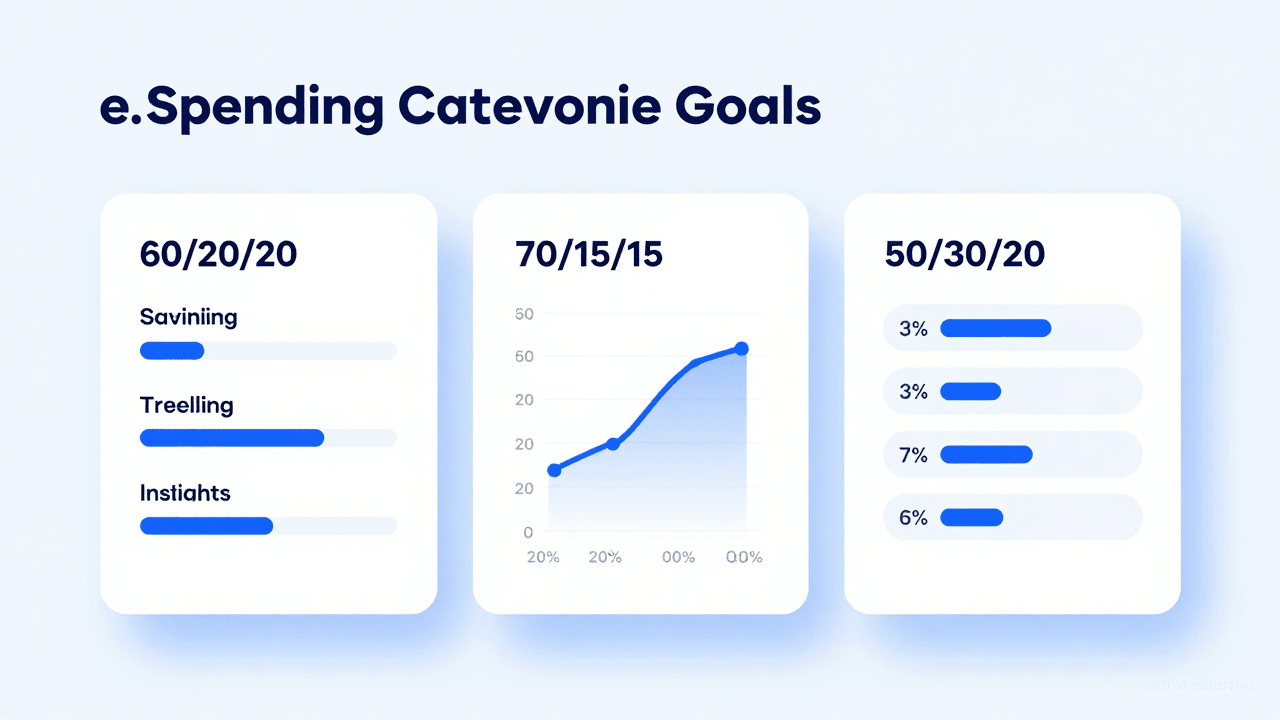
The 50/30/20 rule is a budgeting method meant to be flexible. It may not fit perfectly if you live in a city with a high cost of living where a mortgage or rent takes up most of your paycheck. In these cases, you might tailor the rule by using a 60/20/20 or 70/15/15 split until your monthly expenses go down. I believe it is better to adjust the percentages than to give up on money management entirely because the math feels too hard.
“Don’t feel like you have to be perfect. Perfect is the enemy of good. Good enough generally will win with consistency over time.”- Julian B. Morris, Financial Planner
To stay on track, you can use a budget app like Monarch Money or YNAB to keep track of your expenses. These tools connect to your checking account and card statements to show you exactly where your monthly income is going. If you struggle to start saving, set up a direct deposit that sends 20% of your pay straight to a separate savings account before you can spend it.
How to Customize Your Plan
- High Debt: If you have a large student loan, move some of your “Wants” money toward debt repayment.
- High Housing Costs: If your utility bills and rent exceed 50%, cut back on hobbies to keep your savings goal alive.
- Irregular Income: Use your lowest-earning month as your baseline budget plan so you never run out of cash.
| Step | Action Item | Why It Works |
|---|---|---|
| 1 | Check your net income | Gives you an honest starting point |
| 2 | Use a calculator | Finds your exact 50/30/20 limits |
| 3 | Automate savings and investments | Ensures you save for the future first |
| 4 | Review spending habits | Helps you create a budget that lasts |
This budgeting technique is a tool to help you reach long-term goals without feeling deprived. While the rule can help anyone, it works best when you treat it as a guide rather than a strict law. If your cost of living changes, simply recalculate your three categories to ensure you are still building a strong financial future.
Conclusion
The 50/30/20 rule is a simple map for your money, but you are the one driving the car. You do not have to be perfect to see real results in your bank account. Financial planner Julian B.
Morris says that being “good enough” with your habits will win over time if you stay consistent. If you live in a place with a high cost of living, your needs might take up more than half of your paycheck.
That is okay because you can adjust the percentages to fit your real life while you work toward your long-term goals.
40% of Americans are at risk of having a lower standard of living when they retire. You can avoid this by making a budget plan that prioritizes saving money today. This budgeting method helps you see exactly where your monthly income after taxes goes so you can stop guessing. Whether you are paying down debt or building a safety net, this rule can help you organize your spending habits without feeling like you are missing out on fun. You can tailor the rule to match your financial future as your life changes.
To keep your money management on track, remember these key facts:
- The 50/30/20 breakdown: Use 50% for your necessity items, 30% for things you want, and 20% for your savings and debt repayment.
- Use your net income: Always create a budget based on your monthly after-tax income, not the total amount before taxes are taken out.
- Emergency funds matter: Nearly four in 10 people cannot cover a $400 surprise bill, so use your 20% bucket to build a safety net first.
- Track your progress: Use a budget app or check your card statements to see if you are staying inside your three categories.

Simple Steps to Start Your Budget
| Step | Action | Goal |
|---|---|---|
| 1 | Find your take-home pay | Know your monthly income |
| 2 | List your bills | Identify every necessity |
| 3 | Set up direct deposit | Automate your savings account |
You can start today by looking at your last paycheck and using a calculator to find your 50, 30, and 20 amounts. Open your checking account and move a small amount of money into a savings account to reach your first savings goal. Small steps lead to big wins for your financial goals. Your future self will thank you for starting now with a budget for savings.
Success comes from starting, not from being perfect.