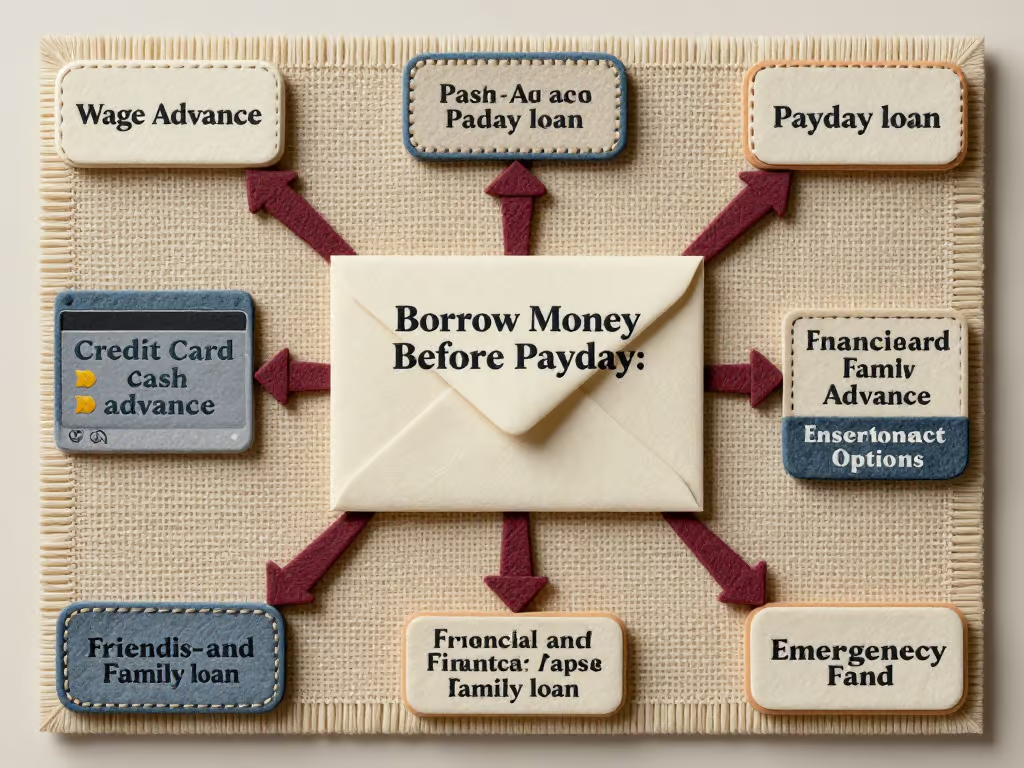
Overview of short-term financing needs before payday
When you need money before your next paycheck, small, fast options can cover essentials like rent, groceries, or urgent bills. These short-term needs happen to many people, and choosing the right tool can save you from high costs or fees. This section shows real-world possibilities and how to compare them quickly.
What to know about cash advances and alternatives
Cash advances and other quick options have tradeoffs. Some give instant access, others charge fees or high interest. Practical factors to weigh include how much you can borrow, how fast you receive funds, repayment terms, and any fees or credit impacts. Here are scenarios that match common situations involving cash apps and payday advances.
| Option | Typical access | Common costs | Repayment |
|---|---|---|---|
| Employer cash advance | Through wage advance programs | Low or no extra fees | Repayment via payroll |
| Payday loan | Direct from lender or store, you can often get cash quickly through money apps or payday advances. | High fees, short term | One lump sum on next payday |
| Credit card cash advance | At ATM with card | Cash advance fees, higher APR | Repayment with regular card payments |
| Small personal loan from a credit union can be obtained through a cash advance app like Chime. | Online or in person | Lower rates than payday loans | Fixed monthly payments |
Think about your per-advance needs, your pay period, and how quickly you can repay. If you need a small amount and can repay within a short window, a low-cost option is best. If you expect recurring gaps, try a budgeting plan or a small, affordable loan to cut future reliance. Practical steps below help you decide fast.
Employer cash advance from your wage advance program
How wage-advance programs work
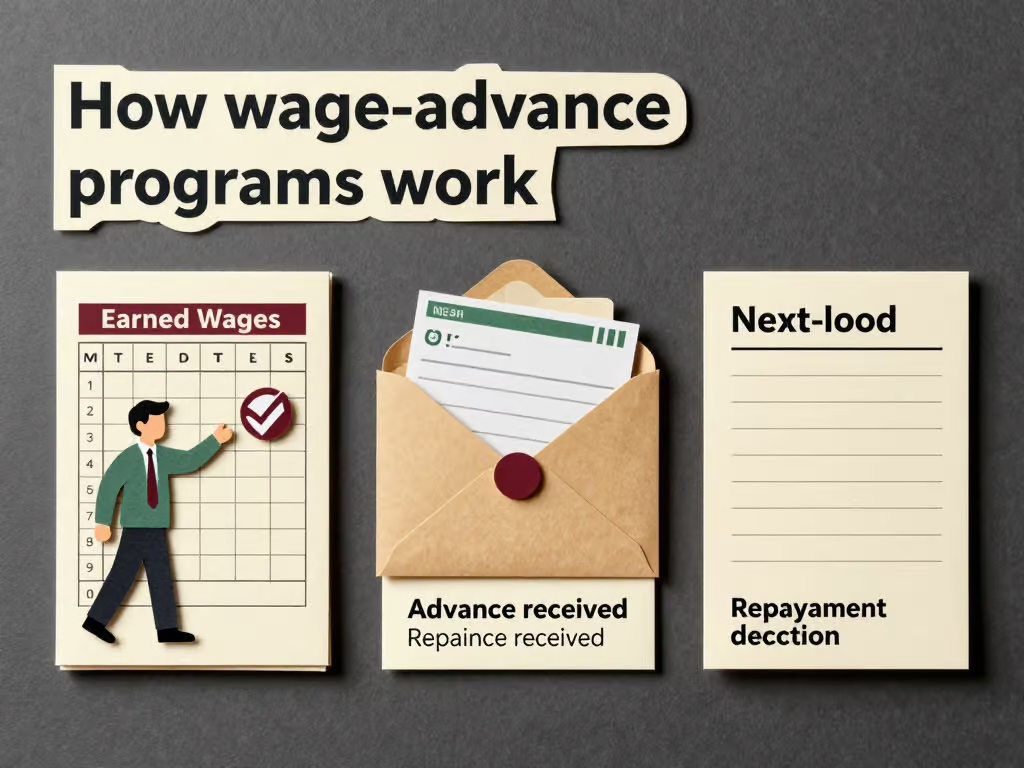
Wage-advance programs let you tap into money you’ve already earned before a payday. You request a portion of your upcoming paycheck, and the funds show up in your checking account or on a linked debit card. It’s often built into your employer or a payroll partner.
Access is typically quick, sometimes the same business day, and funds can appear as an instant transfer or a regular transfer depending on the provider. You repay through a deduction from your next pay period, so there is no separate loan schedule to manage.
Pros and cons and considerations
- Pros: fast access to cash before payday, usually lower fees than payday loans, and repayment aligned with your paycheck to help avoid late payments. For example, a $200 advance might be deducted as two $100 installments over two pay periods.
- Cons: the available amount is limited to a portion of earned wages, and missed payroll deductions can trigger overdraft risks or repayment issues. If your pay varies, the deduction could come from a smaller next check.
- Considerations: confirm with your employer whether wage advance is offered, check for any membership or processing fees, and calculate how the deduction reduces net take‑home pay each period. Plan around a buffer for weeks with irregular hours or overtime.
Traditional payday loans (short-term personal loans)
What they are
Traditional payday loans are short-term loans you repay in one lump sum on your next payday. They’re usually offered by storefront lenders or online lenders and marketed as fast cash. The loan amount is small, designed to cover an urgent need before you get paid again. For example, a $300 payday advance to cover a car repair may be approved quickly, but the total cost can be high if you miss the next paycheck and incur overdraft fees.
Typical terms, costs, and eligibility
Typical terms include a loan amount that mirrors a small portion of your upcoming paycheck and a repayment due date aligned with your next pay period. Costs often come as fees or a high interest rate, which can drive the total payback well beyond the borrowed amount. Eligibility usually hinges on steady income, a checking account, and valid identification. In practice, you might qualify with a $1,200 monthly income, a checking account, and a valid state ID, but you could still face frequent fees if you renew the loan multiple times.
| Aspect | What to expect |
|---|---|
| Loan amount | Small, often a fraction of a paycheck |
| Repayment | One lump sum on or near next payday |
| Costs | Fees or high interest; total payback may be much higher than borrowed |
| Eligibility | Steady income, active bank account, valid ID |
Credit card cash advances
How cash advances differ from regular purchases
A cash advance uses your credit card to withdraw cash rather than buying something. The cash comes from your available credit, not your bank balance, and it may post as a separate transaction on your statement. This feels like quick cash, but the cost setup is harsher than regular card purchases.
Fees, interest, and repayment basics
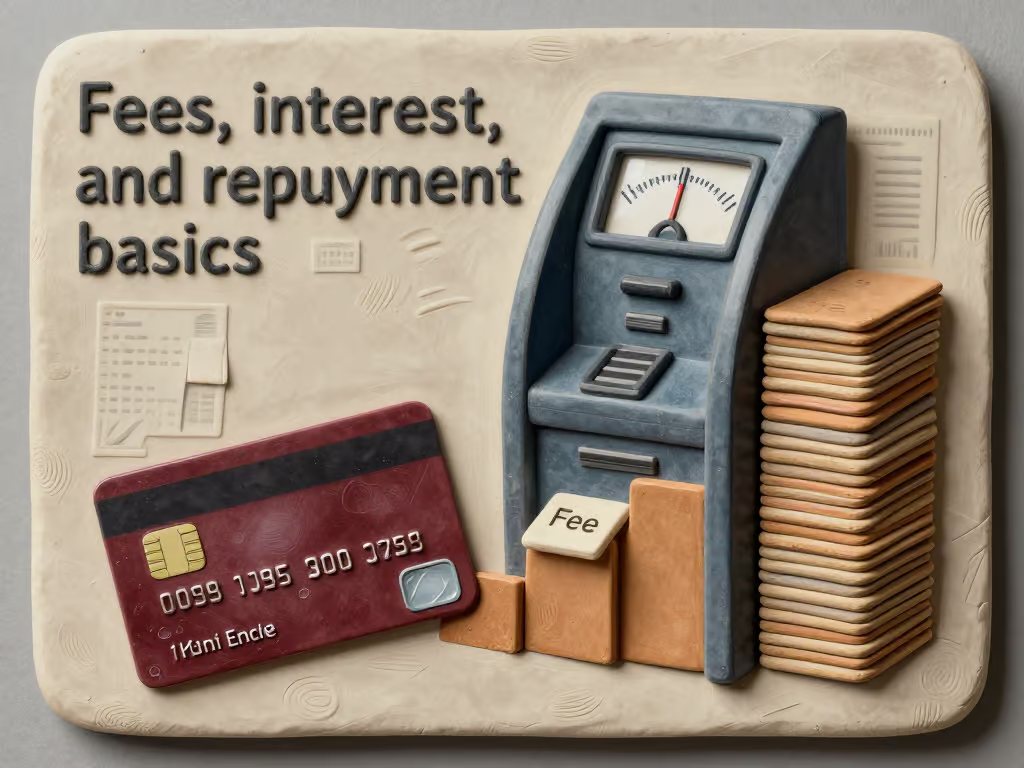
Expect a cash advance fee plus a higher ongoing interest rate from day one, with no grace period. Some cards charge a higher daily rate for cash advances than for purchases. Payments usually go toward the cash-advance balance first, so carrying any balance can push the total debt higher quickly.
- Cash advance limits are separate from your total credit limit, so you could max out cash even if you have unused card credit for purchases, affecting your cash loan options.
- Interest starts immediately, and you typically lose any grace period you might have on purchases
- Fees vary by issuer and card type, often a percentage of the amount or a fixed fee
| Aspect | What it means for you is the ability to get the money you need when you need it. |
|---|---|
| Access method can vary, but many prefer instant cash advance options available through apps like Chime. | Withdraw at an ATM with your PIN or request a teller cash advance |
| Fees | Fees cut into the amount you receive and add to the cost of the cash |
| Repayment | Interest accrues on the full advance until you pay it off |
Paycheck advances from financial apps
Popular apps and how they function
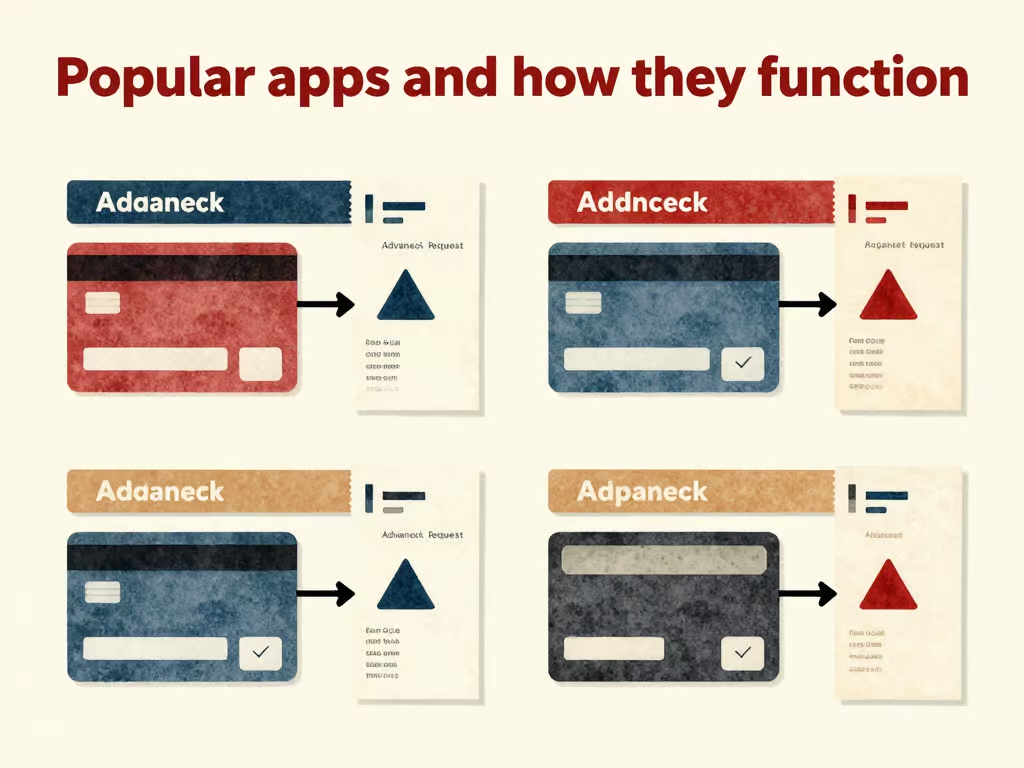
Paycheck advances from financial apps Let you borrow money you’ve already earned, ensuring you can get cash before payday. You download the app, link your checking account, and request an advance based on your upcoming pay period. Funds often arrive within minutes or a few hours, sometimes as an instant transfer to your debit card. For example, if you’re paid on Friday, you might request a payday advance on Thursday morning and see the money arrive the same day through an ACH transfer.
These apps usually act as a line of credit or a one time advance. You’ll see the available amount before you request it, and the app deducts repayment from your next direct deposit or bank transfer. Some brands market quick cash with a flexible repayment window, like a 10 to 30 day cycle that fits around your pay schedule. If you’re paid twice a month, plan for repayment to hit your account on the next payday.
Costs and security considerations
Costs come as a fee or a small interest charge. Some apps use a membership model or per advance fee. Always check the exact amount before you confirm, since a few dollars can add up if you borrow multiple times. A typical example might be a $3 to $5 fee on a $100 advance, plus possible monthly fees if you exceed a usage cap.
Security is key: only use reputable apps, enable two factor authentication, and verify that the app encrypts data and uses a secure connection. Review what access you grant to your banking information and how repayment data is stored and shared. Watch for apps that request access to your contacts or other personal data during onboarding.
5. Online installment loans with short terms
What qualifies as a short-term installment loan
A short-term installment loan is repaid in several scheduled payments over a brief period, usually weeks to a few months. It spreads out the payoff instead of a single lump sum, and the total borrowed tends to be larger than a cash advance while still aiming to cover a near term need before the next paycheck. Example: borrowing $1,000 to fix a car and paying it back in 6 biweekly installments.
- Common terms range from 3 to 12 months depending on the lender
- Repayment is divided into equal installments rather than a one-time payoff
- Interest or fees appear as an annual percentage rate or a simple rate, which can be lower with transparent terms from services like Earnin.
Repayment schedules and risks
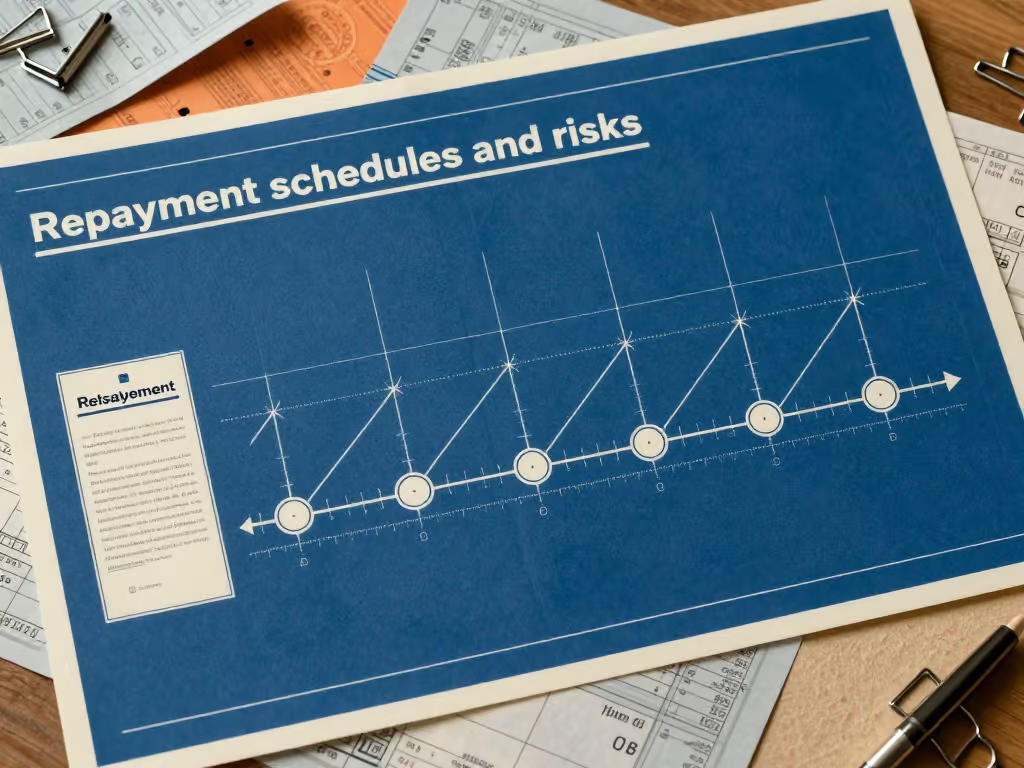
Repayment plans are typically fixed, with monthly or biweekly payments. Some lenders auto deduct from your bank account or paycheck routing. Tip: Always consider how getting cash before payday can impact your overall financial health.: set reminders a week before each payment to avoid late fees.
- Higher total cost if you miss payments or extend beyond the original term
- Missed payments can hurt your credit score or trigger extra charges
- Funding delays can slow your ability to cover immediate expenses
| Aspect | What to know |
|---|---|
| Loan amount | Moderate, designed for short needs |
| Repayment | Several fixed installments over a few weeks to months |
| Cost visibility | APR or rate shown upfront; compare total payback |
| Approval | Often requires steady income and checking account, which is essential for using cash advance apps. |
Friends and family loans: quick, informal options
Advantages and potential pitfalls
Borrowing from someone you know can be fast and flexible in real life. For example, you might loan $1,200 to a friend over six months with weekly $50 payments that fit their paycheck schedule, avoiding a formal loan app. There can also be no credit check, which helps if your score is tight or you’re rebuilding.
But there are risks. Money tensions can strain relationships if either person assumes the other will handle reminders, or if payments slip by a week. Informal terms can blur boundaries between support and debt, making misunderstandings more likely over time. A missed payment can feel personal even when it’s just budgeting, so set expectations early and use simple reminders.
- Flexibility in repayment timelines
- Lower or no visible fees compared to some lenders, especially when using services like Earnin that offer instant cash advances.
- Preserves relationships when documented and managed well
Written agreements and repayment expectations
Put basics in writing even among close relationships. A simple one-page document can outline how much is borrowed, who is lending what, and when repayments start. Attach a calendar with due dates to keep both sides accountable. Clear terms help prevent hard feelings later and make it easier to resolve disputes if they arise.
- Loan amount and purpose
- Repayment schedule with due dates
- Any interest or gifts, and how interest is calculated
- Consequences if a payment is missed
Alternative solutions: Budget hacks and community resources
Emergency funds
Having a small emergency fund can reduce the need for cash advances. Start with a goal of at least one month of essential expenses to ensure you can pay back any cash loan. Even a weekly saving habit builds a cushion over time. For example, if you spend $2,500 each month on rent, groceries, and utilities, aim to save about $2,500 gradually over a few months by setting aside $125, $250 per week until you hit the target.
Assistance programs
Community programs, utility relief, and local charities can help with essentials like utilities, groceries, and rent during tight periods. These can reduce the immediate pressure to borrow money before payday. Call your utility provider’s hardship line or visit a local community center to learn eligibility and required documents before you need urgent help.
Budgeting tips
Make a simple plan to track income and outgo. Separate urgent needs from wants, and set aside a safety buffer for irregular bills. Use a per-pay-period approach to allocate funds for rent, bills, and groceries first, ensuring you get paid early for any unexpected expenses. When a surprise expense pops up, use a 24-hour rule to decide purchase necessity and, if possible, delay non essential buys.
- Automate small savings when possible
- List all recurring expenses and cut non essentials
- Schedule weekly reviews to catch overspending
How to use these options effectively
Apply for help before borrowing and rework your budget to cover the next few pay cycles. If you still need cash, combine frugal adjustments with a reputable, low-cost option and fully understand fees and repayment terms. A practical approach is to test one change at a time, then reassess after two pay cycles.
| Strategy | Benefit | Who it helps |
|---|---|---|
| Emergency funds | Reduces need for quick loans by providing instant cash advance options through various apps. | Anyone with irregular expenses |
| Assistance programs | Lower immediate costs | Households facing hardships may benefit from cash loans or instant advances to manage their immediate expenses. |
| Budgeting tips | Prevents overspending | All earners |
FAQ
What is a cash advance before payday, and how can it help you get paid early? A cash advance lets you borrow money against your upcoming paycheck to cover urgent expenses before your next payday. Real world example: you pay a hospital bill now using an instant cash advance and deduct the amount from your next paycheck. Some options are apps or services that offer instant cash or per-advance payments.
Do I need a credit check for cash advance options? It depends. Some services check credit, while others rely on employment and direct deposits. If you have a steady job and reliable direct deposits, you may qualify for many options even with a thin credit history. Practical step: ask lenders what criteria they use and choose those that verify income rather than credit alone, similar to how MoneyLion operates with money apps.
What costs are involved in getting an instant advance, including any membership fees? Costs vary by method. Expect fees, interest, or a percentage of the advance amount. APRs for cash advances can be higher than regular loans, so compare total payback and any late fees before borrowing. Actionable tip: calculate the total cost by multiplying the advance by the APR and dividing by 12, then add any fixed fees to see true cost.
How much can I borrow? The payday advance amount usually covers a portion of upcoming pay, not a full paycheck, allowing you to get cash when needed. Limits depend on your income, employer rules, and the service you use. Example: a $1,000 biweekly paycheck might allow a $200, $500 advance. Always verify the maximum you can access before applying and plan around your pay date.
What happens if I miss a payment? Missed payments can trigger additional fees, increase the cost of the loan, and impact your borrowing options later. Some programs offer grace periods, but penalties vary by provider. Practical risk: set automatic reminders or align repayment with your next direct deposit to avoid penalties.
Is there a risk to my credit score? Some cash advances report to credit bureaus, while others do not. Timely repayment may help in some cases, but missed payments can hurt your score depending on the lender’s reporting. If you plan a loan later, choose lenders who report to the major bureaus and keep a strict repayment calendar.
Which option is cheapest? Generally, wage-advance programs or budgeting adjustments cost less than traditional payday loans or cash advances with high fees. Compare total repayment, not just upfront fees. Practical approach: try a quick budget tweak first, then a wage-advance with transparent costs, and only then a payday loan as a last resort.
Conclusion
Borrowing before payday should be a last resort. The right choice depends on your actual costs, what you can repay, and how quickly you can get back on track with your regular income. Start with safer options, then use a concrete plan to cover the gap until your next paycheck.
- Evaluate total costs, not just the upfront amount, including fees, interest, and when you repay.
- Prefer options that show transparent terms and clear repayment deadlines, especially when using a cash advance app.
- Guard long term finances by budgeting and building a small emergency fund to reduce future needs.
If you still need cash, pick a method that aligns with your income flow and avoids ongoing debt. Always check eligibility, repayment terms, and any potential impact on your credit before borrowing money, whether instantly through cash apps or through a loan app.