Money stress hits 61% of Americans as their primary life struggle. In 2026, data shows that 54% of people live paycheck to paycheck, which often leads to a feeling of losing control. A budget is a simple plan for every dollar a person earns.
It acts like a map for a monthly income, ensuring that money goes toward financial goals instead of disappearing on small, unplanned purchases. Following a personal budget turns money from a source of fear into a helpful tool for the future.
Sticking to a budget plan is a habit shared by 93% of millionaires. This beginner’s guide explains how to track your spending and start budgeting with ease. The process helps people pay off debt, save money for the long term, and find breathing room in your budget for things they enjoy. This guide covers the best way to budget and how to stay on track to reach big money goals.
“A budget is telling your money where to go instead of wondering where it went.”- Financial Literacy Advocate
The following sections help the reader take control of your money through simple budgeting steps. They will learn to create a budget that fits their life and build an emergency fund for safety. By the end, anyone can review your budget and make smart financial decisions for a better financial future.
What a Budget Really Means for Your Money
Most people think a budget is a list of things they cannot buy, but the reality is much more positive. A budget is simply a plan for your money where every single dollar has a purpose. Instead of wondering where the paycheck went at the end of the month, the reader uses a budget to tell their money exactly where to go. This shift in thinking changes a budget from a “money diet” into a powerful personal profit and loss statement.
Financial expert Valerie Malter explains that a budget works like a business report. In this view, monthly income acts as revenue, while every expense counts as a loss. By tracking these numbers, the reader can see if they are “profitable” or if they are spending more than they earn.
This clarity is a major reason why 93% of millionaires still stick to their budgets even after they have plenty of wealth. They know that keeping control of your money is the only way to stay wealthy.
The Purpose of a Budget Plan
A solid budget plan helps people spend money with intention rather than by accident. When the reader uses a budgeting tool like a spreadsheet or a budgeting app, they stop making financial decisions based on gut feelings. Instead, they use bank statements to see the truth about their spending habits. This process creates breathing room in your budget because it uncovers extra money that was previously wasted on things that do not matter.
| Budgeting Myth | The Simple Truth |
|---|---|
| It is a punishment. | It is a plan for freedom. |
| It is only for the poor. | Most millionaires use one. |
| It stops all the fun. | It sets aside fun money safely. |
By creating a personal budget, the reader starts to prioritize long-term goals over short-term urges. This might mean saving for a vacation or choosing to pay off debt faster. The goal is to reach your financial goals by making sure financial priorities come first when you prioritize spending your money wisely. Simple budgeting ensures that essential needs are met before any entertainment budget should be carefully planned to ensure you can still get out of debt. is spent, which helps everyone stay on track for a better financial future.
- Control: You decide where every dollar goes before the month starts.
- Awareness: You see exactly how fixed expenses affect your savings.
- Preparation: You can build an emergency fund for unexpected costs.
Using a budgeting method like a zero-based budget ensures that every cent is accounted for. This level of financial literacy prevents people from the trap of overspending. When the reader learns to budget regularly, they gain control of your money and stop feeling like a victim of their bills. It is the first step in any budgeting journey to turn money habits into a ladder for success.
Why People Need a Budget Right Now
Waiting for a better time to organize finances often leads to deeper trouble because the cost of living is moving faster than most people’s paychecks. 34% of Americans (approximately 88 million adults) in 2026 described their financial situation as “struggling” or “in crisis,” which is a massive 55% jump since 2021. This isn’t just a small worry; it is a signal that the old ways of “just getting by” are no longer working for nearly half the population.
The pressure on the average household is rising quickly as basic bills become harder to cover. The share of Americans facing difficulty paying monthly expenses rose from 36% in 2021 to 48% in 2026. Without a personal budget, these rising costs feel like an invisible leak that drains a savings account before the month is even over. A budget helps stop that leak by showing exactly where every dollar goes before it is spent.
The Real Risks of Living Without a Plan
Living without a budget plan often means living paycheck to paycheck, which leaves no breathing room in your budget for surprises. In 2026, 54% of people reported they were one missed check away from disaster. This constant state of financial stress makes it nearly impossible to get out of debt if you don’t track your spending. reach your financial goals or think about the future.
- Debt traps: Without a plan, people often use credit cards for an emergency, making it harder to pay off debt later.
- Missed opportunities: Money that could go toward saving for a vacation or long-term goals gets lost on small, daily spending habits.
- Lack of safety: It is difficult to build an emergency fund when you don’t know how much extra money you actually have.
Immediate Benefits of Starting Today
Starting a monthly budget immediately changes how a person views their monthly income. It turns money from a source of fear into a tool for achieving your goals, especially when you spend your money wisely. budgeting tool for growth. Even a simple budgeting habit allows someone to set aside money for fun money and savings goals at the same time.
| Financial Struggle | How a Budget Fixes It |
|---|---|
| Overspending on “wants” | Sets a clear entertainment budget limit. |
| Surprise bills | Helps build an emergency fund for safety. |
| No progress on goals can often be attributed to not sticking to your budget. | Directs extra money toward long-term financial goals. |
When someone decides to start budgeting, they stop guessing and start knowing. This clarity is the only way to take control of your money and move toward financial literacy. The process begins with a few basic numbers that most people already have on their bank statements.
Making Your First Simple Budget Plan

Deciding how to divide a paycheck before it arrives is the most effective way to take control of your money. While many people wait until the end of the month to see what is left, successful budgeters realize that a budget plan must be forward-looking. By following a clear budgeting process, anyone can move from financial confusion to a state of financial literacy where every dollar has a job to do.
Steps to Create a New Budget
The best way to budget is to keep the initial steps as simple as possible. According to experts, the budgeting journey begins with looking at bank statements to understand exactly where the money goes. This beginner’s guide breaks down the essential moves to start budgeting today.
- Calculate monthly income: Use your net pay, which is the amount actually deposited into your savings account or checking account after taxes.
- List fixed expenses: These are fixed expenses like rent, car payments, and insurance that stay the same every month, it’s essential to include them when budgeting for beginners.
- Identify variable expenses: These spending habits include groceries and gas, which can change in cost.
- Set savings goals: Decide how much to set aside money for the future before you spend money on extras.
- Track your spending: Use a spreadsheet or a budgeting app to record every purchase and stay on track.
Essential Budget Categories for Beginners
Creating a personal budget requires separating “needs” from “wants.” A common budgeting method is to prioritize the “Four Walls”-food, utilities, shelter, and transportation-to ensure survival is covered first. Once these are met, you can adjust your budget to include an entertainment budget or fun money.
| Category Type | Examples | Priority |
|---|---|---|
| Fixed | Rent, Insurance, Loans | High |
| Variable | Groceries, Utilities, Gas | Medium |
| Discretionary spending can be challenging when you try to stick to your budget. | Dining out, Hobbies | Low |
Many experts recommend a zero-based budget, where your income minus your expenses equals zero. This does not mean you have zero dollars; it means every cent is assigned to a budget category, such as saving for a vacation or an emergency fund. Building a “starter fund” of $1,000 is a smart first step before you try to pay off debt aggressively.
Pro tip: If you go over budget in one area, simply make adjustments in another to find breathing room in your budget.
Common Budgeting Tips

To reach your financial goals, you must review your budget often. Life changes, so your month’s budget should change too. Small money habits, like checking your monthly budget daily, help you make better financial decisions for your financial future.
| Action | Why It Helps |
|---|---|
| Track daily | Prevents overspending |
| Build an emergency fund | Covers a surprise emergency |
| Use a budgeting tool | Makes math easier |
A simple budgeting approach ensures you do not feel restricted. Instead, a budget helps you find extra money you didn’t know you had. This process is the foundation for achieving long-term financial goals and gaining true control of your money.
Choosing the Best Budgeting Method and Tools
Pick a budgeting method that fits the way you think about money. While everyone starts with the same basics, the way you organize your personal budget changes how you feel about spending. Some people want a strict plan for every cent, while others prefer loose guidelines that leave breathing room in your budget.
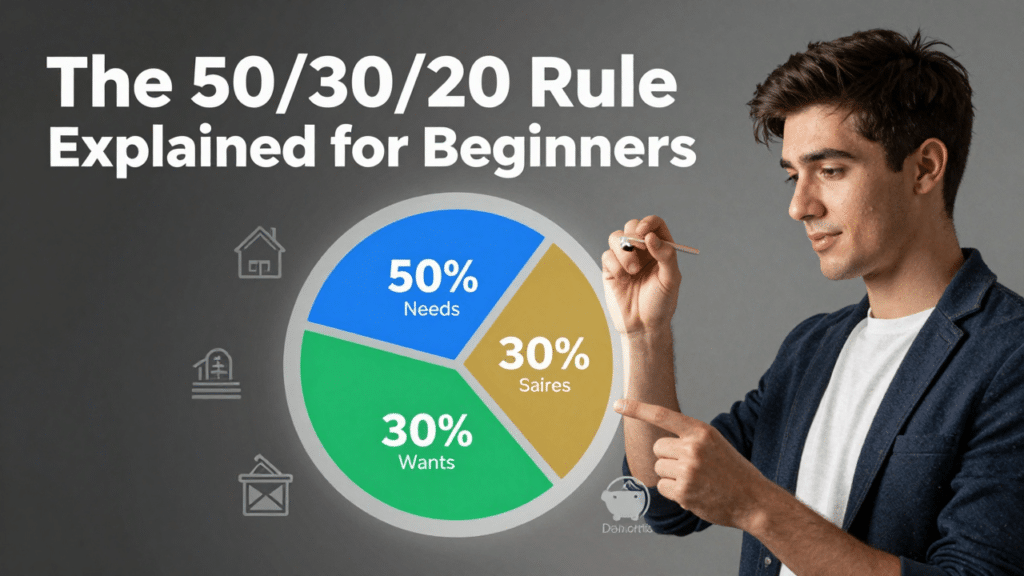
The 50/30/20 Rule is a popular beginner’s guide to simple budgeting. It divides your monthly income into three clear buckets: 50% for needs, 30% for wants, and 20% for savings goals or to pay off debt. This is the best way to budget if you hate tracking every tiny expense but still want to reach your financial goals.
| Method Name | Main Goal | Best For |
|---|---|---|
| 50/30/20 Rule | Balance needs and wants | Beginners who want simplicity |
| Zero-Based Budget | Give every dollar a job to help you stick to your budget and reach your financial objectives. | People who want total control |
| Envelope Method | Stop overspending with cash | Visual and tactile learners |
| Loud Budgeting | Share financial limits | Social spenders and Gen Z |
If you need more discipline, try a zero-based budget. This strategy ensures your income minus your expenses equals zero at the end of the month. It forces you to budget money for long-term goals before you spend money on fun money items like an entertainment budget. Many people use a budgeting app like EveryDollar or YNAB to automate this process can help you stick to your budget more effectively. budgeting process.
Expert Opinion: “A zero-based budget gives you a clear plan for your money. It stops you from wondering where your paycheck went and puts you in charge of every financial decision.”- Ramsey Solutions
For those who struggle with digital spending habits, the envelope method is a traditional technique that can help you stick to your budget. or “cash stuffing” is making a comeback as a popular method for budgeting for beginners. You put physical cash into a budget category envelope; once it is empty, you stop spending. This tactile budgeting tool helps you stay on track because you can see exactly how much extra money is left for saving for a vacation or to build an emergency fund.
Essential Tools to Start Budgeting
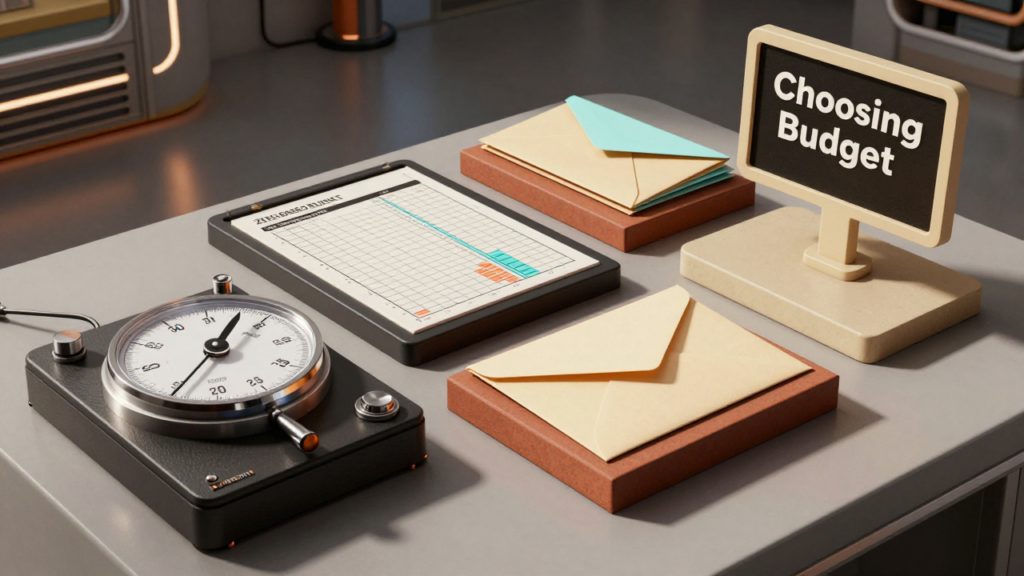
- Budgeting App: Connects to bank statements to track your spending automatically.
- Spreadsheet: Great for a personal budget if you like custom charts and formulas.
- Notebook: A simple budgeting choice for writing down fixed expenses by hand.
- Digital Banking: Use your savings account to set aside money for an emergency.
Many people worry that creating a personal budget is too hard or keeps them from having fun. In reality, a budget helps you enjoy your financial future by removing the guilt of spending. You can adjust your budget as your life changes, which helps you take control of your money without feeling trapped. Financial literacy starts with choosing one tool and deciding to budget regularly.
| Budgeting Tool is essential for anyone looking to follow a beginner’s guide to budgeting. | Pros | Cons |
|---|---|---|
| Mobile App | Fast and automatic | May have monthly fees |
| Spreadsheet | Very flexible | Harder to set up |
| Paper Planner | No tech needed | Requires manual math |
93% of millionaires still stick to their budgets. Even people with plenty of wealth find that a month’s budget is the only way to protect their long-term financial goals. Whether you use a high-tech spreadsheet or a simple beginner’s guide, the goal is to make a budget that you will actually use every day. Start budgeting today to give yourself more financial priorities and peace of mind.
Keeping Your Budget Alive and Growing
60% of Americans felt better off in 2026 compared to five years prior, yet many still struggle with daily costs. This proves that a budget helps most when it is treated as a living document rather than a one-time chore, allowing you to adjust as you spend your money. People who succeed with money habits do not just set a plan and walk away; they review your budget constantly to ensure it reflects their real life.
Life changes fast, and a month’s budget should change with it. If a car breaks down or a utility bill spikes, the best way to budget is to make adjustments immediately. This flexibility provides breathing room in your budget so that one surprise does not ruin your entire financial future. By looking at bank statements regularly, anyone can spot where they might go over budget and fix it before the month ends.
Building a Safety Net
Setting aside money for the unknown is the most reliable way to reach your financial goals. Experts suggest starting with a small goal, like a $1,000 “starter fund,” before moving toward a full emergency fund. This safety net should eventually cover 3 to 6 months of expenses to protect against job loss or medical crises. Having this cash in a separate savings account creates a wall between daily spending and long-term safety.
| Check-In Type | What to Do |
|---|---|
| Weekly | Track your spending and check your spending habits. |
| Monthly | Create a new budget for the upcoming month’s needs. |
| Yearly | Update long-term goals like saving for a vacation. |
Prioritizing Your Needs
When money is tight, focusing on financial priorities keeps the household running. The “Four Walls” method is a great guide to budgeting during hard times, focusing on food, utilities, shelter, and transportation. Once these fixed expenses are covered, any extra money can be used to pay off debt or boost savings goals. This method ensures that basic survival is always the first priority in any budget plan.
- Use a budgeting app or spreadsheet to see where every dollar goes.
- Set aside fun money to avoid feeling trapped by your rules.
- Check your entertainment budget to find small ways to save.
- Adjust your budget whenever your monthly income changes.
93% of millionaires stick to their plans because they know it is the only way to stay on track. Whether using a zero-based budget or a simple notebook, the goal is to maintain control of your money. Over time, these small money habits turn into a clear path toward long-term financial goals. Consistency is the secret to making financial decisions that lead to lasting wealth and peace of mind. 😊
Conclusion
A budget acts as a map that shows money exactly where to go instead of the reader wondering where it went. It transforms a bank account from a source of stress into a tool for building a better life. People who use a budget plan feel more confident because they have control of their money. This simple habit turns big dreams into reachable financial goals by organizing every dollar with a clear purpose, which is a key aspect of a beginner’s guide to budgeting.
53% of Americans now follow a monthly budget to manage their spending. This growing trend shows that more people want to stop living paycheck to paycheck and start saving for a vacation or a new home. Even millionaires use this method, with 93% of them sticking to a budget regularly to protect their wealth. Using a budget helps anyone, regardless of their monthly income, build a strong financial future.
- Control: A personal budget helps people decide how to spend money before the month begins.
- Safety: Building an emergency fund provides breathing room in your budget for unexpected car repairs or medical bills.
- Debt Relief: Tracking spending makes it easier to find extra money to pay off debt faster.
- Growth: Setting savings goals allows the reader to reach long-term goals like buying a house or retiring early.
| Action Step | Reason to Do It |
|---|---|
| Check bank statements | To see where money went last month |
| Pick a budgeting tool | To make tracking spending fast and easy |
| Set aside money | To build a $1,000 emergency fund quickly |

The best way to budget is to start today by listing every expense for the next thirty days. Open a spreadsheet or a budgeting app right now and write down the total monthly income. Use this number to create a new budget that covers fixed expenses first.
Review your budget every week to stay on track and make adjustments as spending habits change. Consistency is the secret to total financial literacy.
| Budget Category | Simple Example |
|---|---|
| Fixed Expenses | Rent, insurance, and car payments |
| Variable Expenses | Groceries and gas for the car |
| Fun Money | Movies, dining out, and hobbies |
Effective money habits lead to lasting freedom and less worry about daily costs. Taking control of your money starts with a single, simple plan.