

Understanding money anxiety and its impact
Money anxiety is the worry that you won’t have enough for basics or emergencies. It can keep you up at night, raise stress, and affect sleep, appetite, and focus. When money feels tight, your mental and physical health can pay the price. The good news: small, steady steps can restore a sense of control and calm.
Many people notice that money worries color daily choices, from small purchases to big decisions. You might think about bills first, then feel guilty for enjoying simple comforts. That loop is common, not a personal failure; many people feel stressed about money in similar situations. Identifying it is the first move toward change.
Why fear of not having enough persists
The fear of not having enough often rests on three things:
- Past experiences of financial hardship
- Lack of financial education and clear budgeting often leads to stressed about money and poor spending habits.
- Societal pressures to appear financially secure
When any of these hit, that fear can grow into a habit of overthinking every money decision. But you can counter it with concrete steps that restore stability and reduce the emotional load.
Identify your money narrative
Mapping your money stories from childhood
Your early memories shape how you think about spending, saving, and risk. If money felt scarce or status driven, those scripts still run under the surface today. Start by jotting three moments from childhood where money mattered to you. What feeling did you associate with each moment?
- What happened the first time you asked for something and were told no?
- Who influenced your view of wealth, and how did they talk about money?
- Was money linked to love or approval in your family?
Recognizing self-worth tied to finances
Many people equate value with bank numbers. That link can fuel fear when money dips. Separate your worth from your balance by naming what you can control today. For example, you can control saving a small amount, choosing a budget category, or asking for help when needed.
- List three abilities you have beyond money that protect your well being.
- Identify one money habit you want to change this month, not forever.
- Notice when thoughts slip from facts to feelings about your worth tied to spending.
Establish a practical budget that works

Create a realistic monthly budget
A budget that fits your life, not a dream, calms money worries. Start with your true income and essential expenses, then set small, doable limits for non-essentials. The goal is clarity, not perfection.
- List essential costs first: housing, utilities, food, transportation, debt payments.
- Assign realistic amounts to each category based on past spending, not ideal goals.
- Allocate a small cushion for surprises, so you don’t derail when something slips.
Track spending and adjust proactively
Tracking reveals the gap between your plan and reality. Check in weekly, not monthly, to stay in control.
- Record every category’s actual spend and compare it to the budget.
- Notice patterns that blow your plan, like impulsive buys or late fees, and fix them.
- Adjust the budget when life changes, such as a new job or a cut in hours, to keep progress steady.
| Budget step | Why it helps | Easy starter tip |
|---|---|---|
| List essentials | Prevents misallocating funds | Use last month’s fixed bills as a baseline |
| Set small caps | Reduces overspend risk | Limit non essentials to a fixed weekly amount |
| Weekly check-ins | Keeps you on track | Use a simple note app or spreadsheet |
Build a small, reassuring emergency fund
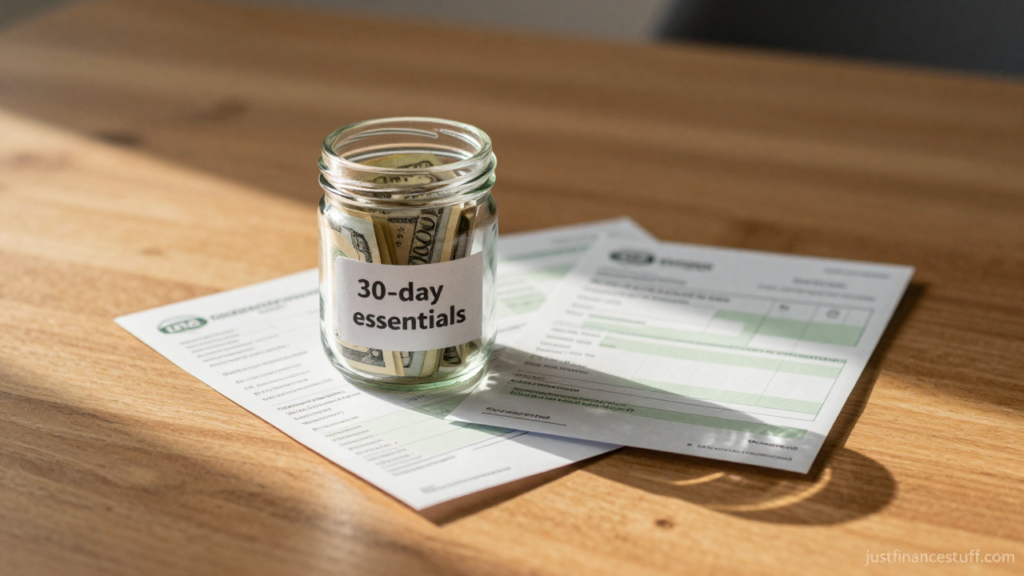
A tiny safety net can dramatically reduce money anxiety. Start with a goal you can actually hit, then let automation do the heavy lifting so you feel protected without thinking about it every day.
Set a reachable target (e.g. one month’s expenses)
A practical first target is enough to cover core costs for about 30 days. For many households, that means rent or mortgage, utilities, groceries, and transit. This isn’t a full cushion yet, but it changes how you react to small shocks. When you know this amount is there, daily worries fade a little and you regain a sense of control.
- Calculate a concrete 30 day bill total: housing, utilities, food, transportation, and minimal healthcare.
- Keep the target modest so you can hit it within 6, 8 weeks rather than months.
- Write the number on a sticky note and place it on your fridge or wallet so it stays top of mind.
Automate small automatic transfers
Automation turns a wish into a habit. Small, regular transfers accumulate without a hard weekly reminder. The moment you set it up, your emergency fund begins to grow in the background, even on busy weeks.
- Open a dedicated emergency-savings account and link it to your paycheck or bank app.
- Start with a fixed amount you can afford, for example $5, $20 per week, then scale up as you can.
- Set a quarterly check to raise the transfer if your income rises or if expenses fall.
| Step | Why it helps | Starter tip |
|---|---|---|
| Set a target | Provides a concrete, motivating goal | Target 30 days of essentials |
| Automate transfers | builds discipline without effort | Start with a small weekly amount |
Develop concrete savings habits
Pay yourself first with intentional transfers
Small, regular transfers into savings can change money habits more effectively than relying on willpower alone. When you set aside money before spending, you protect future needs without feeling deprived. This creates a predictable path toward financial wellbeing.
- Choose a fixed amount or a fixed percentage of income to save each paycheck.
- Link transfers to a specific savings goal, like an emergency fund or retirement stash.
- Review the amount quarterly and adjust if your income or expenses shift.
Use painless savings strategies
Painless savings means tiny changes that add up over time. Think automation, rounding up purchases, or saving windfalls. The goal is to save without constant guilt or heavy effort, so you keep the habit long enough to matter.
- Enable round-up features that funnel spare change into a savings account.
- Set aside any unexpected money, such as refunds or bonuses, into savings rather than spending it.
- Match small income boosts with proportionate savings to compound gradually.
| Savings tactic | Impact | Starter tip |
|---|---|---|
| Pay yourself first | Builds a steady growth trajectory | Automate a weekly transfer even if it’s $5 |
| Round-up savings can be a painless way to improve your spending habits and build an emergency fund. | Small amounts accumulate quietly | Enable round-ups on everyday purchases |
Create financial goals for confidence
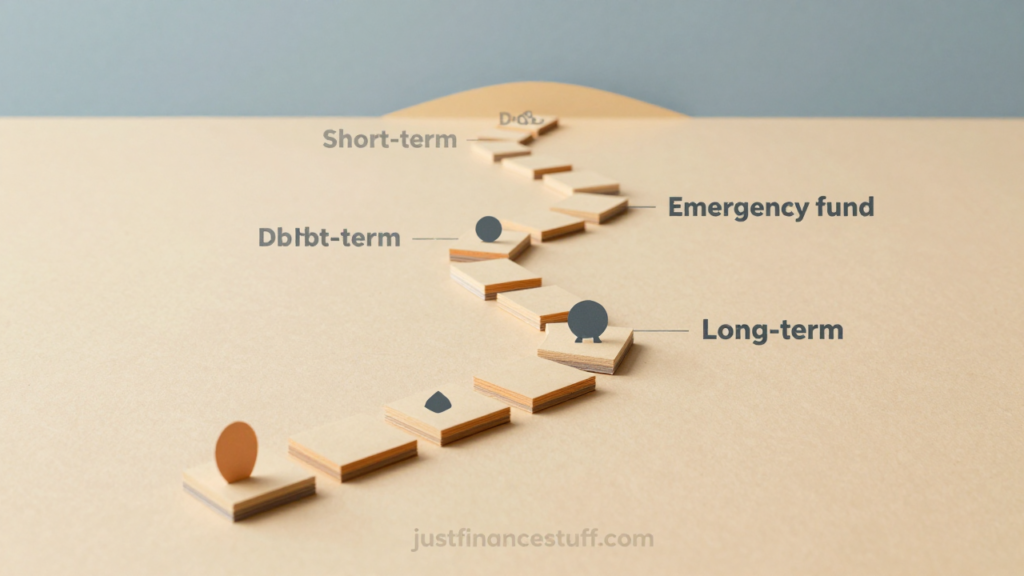
Setting clear goals gives you a roadmap and a sense of control. Your money feels less scary when you know what you are aiming for and how to get there. This section focuses on practical steps to build confidence through concrete targets, helping you navigate financial challenges.
Short-term attainable goals
Start with small, realistic targets you can hit in weeks or a couple of months. Each win builds momentum and makes the next step feel easier.
- Save a fixed amount from each paycheck, even if it’s tiny.
- Pay one debt or bill a little early to reduce interest or penalties.
- Complete a 30-day review of your spending to spot one wasteful habit to cut.
Long-term planning and milestones
Long goals give you direction beyond today, helping to reduce anxiety about your financial situation. They protect your future and help you align daily choices with bigger outcomes.
- Outline retirement savings targets and a rough timeline to reach them.
- Set a milestone to build an emergency fund that covers three months of essentials, addressing potential financial challenges.
- Map major purchases or life events to a savings schedule, so you don’t rely on credit.
| Type | What it changes | Starter tip |
|---|---|---|
| Short-term | Momentum and discipline | Automate a small weekly transfer |
| Long-term | Future security and clarity | Create a simple milestones timeline |
Seek information and guidance without judgment

Consult a financial professional or trusted mentor
Talking with someone who understands money helps you see options you might miss. A financial professional or a trusted mentor can tailor a plan to fit your income and fears, not just a one size fits all template. You’ll gain clarity without the pressure.
- Ask for a concrete, actionable plan tailored to your situation.
- Ask about fees and ensure you understand how they’re compensated.
- Prefer someone who explains terms in plain language and lets you steer the conversation.
Educate yourself through reliable resources
Learning from solid sources reduces guesswork and lowers money anxiety. Look for guidance that matches your situation and avoids hype. Use verifiable facts to back up decisions.
- Start with reputable personal finance basics for budgeting and saving.
- Note claims, then find the original data or policy details that support them to empower your financial decisions.
- Keep a short list of trusted materials you revisit monthly to track progress and make informed financial decisions.
| What to seek | Why it helps | Starter tip |
|---|---|---|
| Clear guidance can empower individuals to make better financial decisions. | Turns confusion into actions you can actually take | Ask for a step-by-step plan you can implement this month |
| Plain language | Reduces misinterpretation and fear | Choose resources that break down terms in everyday words |
Practice stress-reduction techniques for money worries

Money anxiety can spike when your mind races and your body tenses. Simple, repeatable practices can lower stress levels and help you think clearly about money decisions.
Mindfulness and breathing exercises
Short, regular moments of calm can change how you respond to money worries. Try these quick techniques whenever you feel overwhelmed.
- Five-minute breathing: inhale for four counts, exhale for six, repeat until you feel more settled.
- Box breathing: breathe in, hold, breathe out, hold again for four counts each to steady the nervous system.
- Notice without judgment: label thoughts as they appear (for example, “expense coming up”) and let them pass.
Lifestyle habits that support resilience
Healthy routines protect your mental and physical health, which in turn makes money worries easier to manage.
- Sleep consistency: keep similar bed and wake times to reduce stress reactivity.
- Physical activity: a 15-minute daily walk can lower cortisol and lift mood.
- Balanced meals: regular meals stabilize energy and help you think clearly about budgets.
| Stress relief tool | What it does | Starter tip |
|---|---|---|
| Mindfulness | Reduces automatic worry loops | Practice 5 minutes after waking to take a moment for mindfulness and reduce anxiety about your financial situation. |
| Breathing exercises | Calms the nervous system quickly | Try box breathing during budgeting sessions |
FAQ
What causes chronic money anxiety?
Chronic money anxiety often starts from real pressures plus deep beliefs about money. Common triggers include ongoing financial stress, past hardship, and societal pressure to keep up, which can exacerbate financial anxiety. It can also come from gaps in financial education and unclear budgeting. The result is a persistent worry that lingers even when money seems stable.
How long does it take to change money habits?
Habits shift at different speeds, but many people notice progress within a few months of steady effort. Focus on small, realistic goals, track weekly, and adjust as you go. Consistency beats chasing a perfect plan.
When should I seek professional help?
Seek help if money anxiety disrupts sleep, decisions, or relationships, or if debt feels unmanageable. A financial planner or therapist who understands money stress can tailor strategies to your financial situation and provide practical support beyond generic tips.
Conclusion
Recap of actionable steps
Take control of your money worries by following these practical steps. Start with identifying the root causes of fear, then build a budget that reflects your real income and expenses. Create a small emergency fund and automate save transfers so progress happens with little effort. Set clear short-term goals and map a long-term plan that fits your life stage, from basic needs to retirement savings. When in doubt, seek guidance from a trusted financial advisor or mentor who speaks in plain language.
- Identify the root causes of your money fears and track how they show up in daily decisions.
- Establish a realistic budget, monitor spending, and adjust proactively.
- Build a starter emergency fund and automate small transfers to grow it steadily, empowering you to face unexpected financial challenges.
- Pay yourself first and adopt painless savings habits that fit your cash flow to reduce financial anxiety.
- Set achievable financial goals that balance short-term wins with future security.
Encouragement for ongoing practice
Progress comes in small, regular steps. If you slip, reset quickly, not your entire plan. Practice mindfulness during money moments, review your budget weekly, and keep learning from reliable sources. You’re not alone, and steady routines can transform fear into a sense of control and better peace of mind.