
Basic DBS & Universal Credit
This guide explains Basic DBS checks and Universal Credit in plain terms for those who need a DBS check. You’ll learn what a DBS check is, how to apply, what it costs, and how Universal Credit might relate to the process. The focus is on practical steps you can take, not just theory. For example, a Basic DBS check is often requested for volunteer roles or part time jobs, not only for full time positions.
You might be an applicant, an employer, or someone helping another person through the DBS process. This guide covers basic disclosure, who needs a basic DBS check, and the key dates and fees to know. If you’ve never applied before or need a quick refresher, you’ll find clear, practical guidance here. Real-world scenario: a small charity uses Basic DBS checks to hire a temp fundraiser, saving time with an online application and a 2-day turnaround.
What is a basic DBS check and why it matters
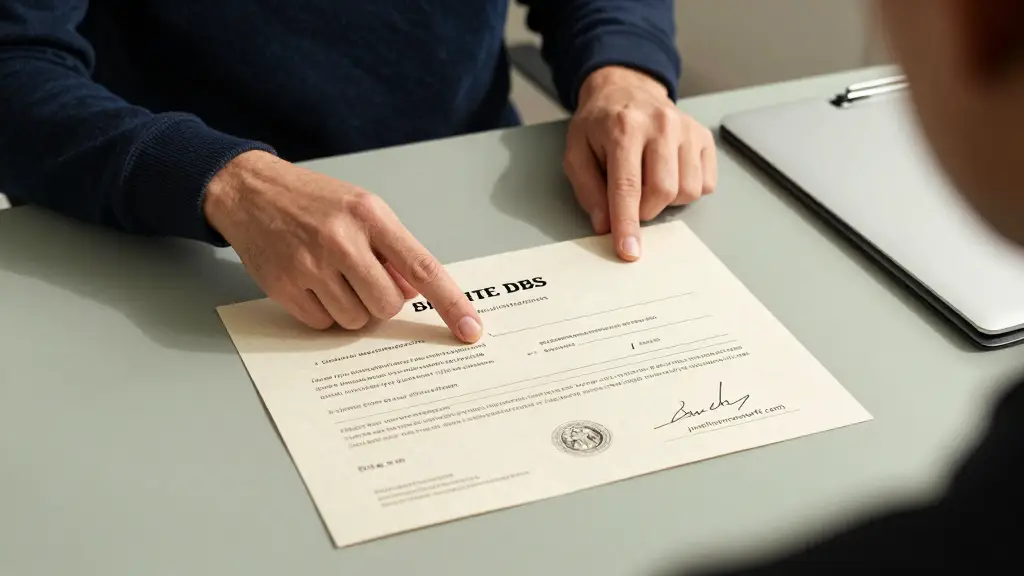
What a basic DBS check covers. It reveals unspent criminal records, showing any cautions or convictions that have not yet become spent. The result is a certificate you can share with employers to prove your history at a basic level. This check is available to people aged 16 or over in the UK and is commonly requested for roles with basic safeguarding or trust requirements. It’s a practical way to demonstrate reliability when a full criminal-history check isn’t needed.
Who typically asks for it
When a role involves routine public contact, handling money, or access to vulnerable groups, employers may request a basic DBS check. It helps them gauge risk early in the process. In many cases, it’s part of onboarding rather than the final hiring decision.
- Small businesses or charities use it as part of due diligence for new hires.
- Recruitment agencies may require it to verify identity and trust before offering a position.
- Remember: a basic check is one data point among several factors in hiring.
| Aspect | What it covers | Typical use |
|---|---|---|
| Certificate type will determine the level of screening required for your role. | Unspent convictions, cautions, or warnings | Basic disclosure for standard roles |
| Eligibility | 16 or over, in the UK | Job applications requiring basic disclosure |
How to apply for a basic DBS check
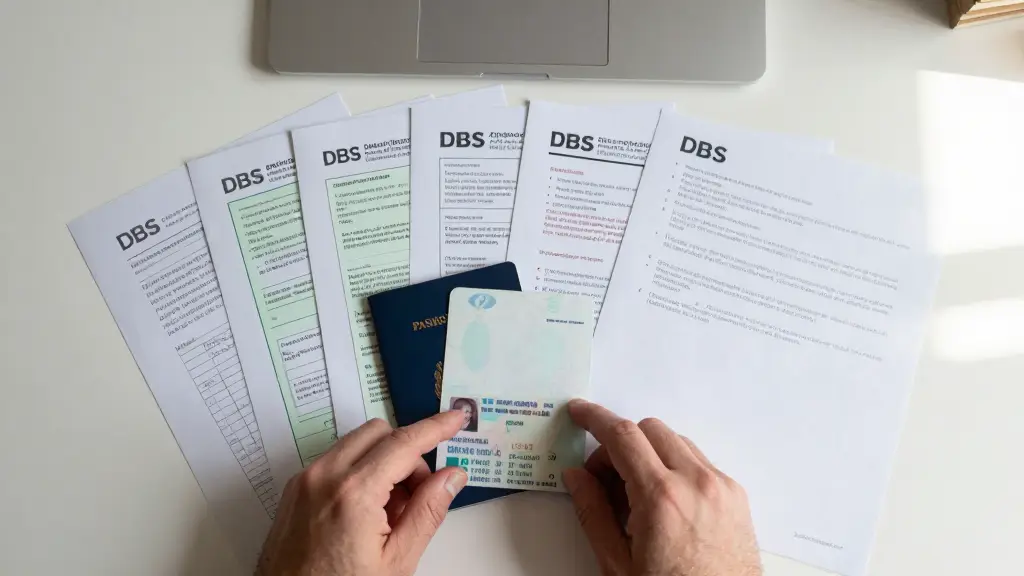
Step-by-step application process
A basic DBS check is straightforward to request. Start online and follow the official steps carefully to avoid delays. The process is designed for individuals aged 16 or over in England and Wales, with similar eligibility in the other UK nations.
- Choose the online service that offers a basic DBS check and begin your application. For example, select a reputable provider for your background check and save a reference number for tracking.
- Provide your personal details, including current address and contact information. Use your name exactly as it appears on official documents to prevent mismatches.
- Enter your National Insurance number and any previous addresses for identity checks. If you moved recently, include all known past addresses to improve verification speed for your disclosure and barring service application.
- Pay the standard fee and submit the form for processing. Save the receipt and note the expected processing window, which can vary by provider and region.
- Receive your certificate or a paper certificate if requested, after verification. If your check is delayed, you can contact the provider with your reference number to check status.
Identity verification and required documents
Identity verification is a core part of the process. You must supply information that confirms who you are and where you have lived recently.
- Two forms of identity from a provided list, such as a passport or driving licence plus a utility bill, are necessary for the DBS certificate application. A bank statement can also work if it includes your name and address.
- Addresses for the last five years, with dates you lived at each, are essential for your criminal record checks. Be precise about move-in and move-out dates to avoid back-and-forth checks.
- Proof of National Insurance number, if requested, to tie your record to you. Have your NI number card or confirmation letter ready if asked.
- Details of any name changes, if applicable, to ensure the record matches your identity. Include a marriage certificate or deed poll if relevant.
| What you need | Why it matters | Notes |
|---|---|---|
| Personal details | Accurate identification and record matching | Double-check for typos before submitting |
| Proof of address | Confirm current residence and history | Use documents dated within the last 3 months if possible |
Costs and practicalities of DBS checks
Fees and payment methods
The basic DBS check has a fixed fee. As of the latest guidance, the standard cost for a DBS certificate is £21.50, which may vary based on the type of check. You can pay using common online methods when you complete the application, such as debit or credit cards. Some online services may offer additional processing options, but the official fee remains the same for the basic check.
- Exact amount: £21.50 for a basic DBS check
- Payment methods: online card payments are typical
- Receipt: electronic receipt in the application portal
Processing times and delivery formats
Processing times can vary, but most checks are completed within a few weeks. The timeline depends on identity verification and any follow-up checks. You’ll typically receive access to your result online, with a paper certificate available on request.
- Typical processing window: 2, 4 weeks for standard checks
- Delivery formats for your DBS certificate include online certificate; optional paper certificate for your organisation.
- Potential delays: longer if identity documents are unclear or if extra checks are needed
| Aspect | Details | Notes |
|---|---|---|
| Cost | £21.50 for a basic DBS check | Subject to GOV.UK guidance and service used |
| Delivery | Online certificate; paper copy on request | Paper copies may add handling time |
| Timing | Usually 2, 4 weeks | Delays possible if verification steps are extended |
Practical tips and potential pitfalls
- Prepare identity documents in advance to avoid back-and-forth checks. If your name has changed, include supporting documents (marriage cert, deed poll) to speed verification.
- Check your online portal within a few days after applying to confirm receipt and any next steps.
- If you need rush processing, contact the scheme early to see if an expedited option exists and any extra fees.
Can Universal Credit help with DBS costs and related expenses?
Direct support vs incidental costs
Universal Credit does not fund the basic DBS check directly, but it can influence how you cover the fee. For example, a monthly UC payment might free up funds needed for safeguarding checks and background checks when you start a volunteer role or a job with a DBS requirement. Treat DBS fees as part of your overall employment expenses, not a separate benefit line.
- Direct funding for DBS checks: not typically a UC payment item.
- Indirect help: UC covers daily living costs, which can make it easier to pay the DBS fee if you need it for a role that starts soon.
- Eligibility: varies with your current award and budgeting priorities, not a fixed subsidy.
What to check in your UC account
To see if you can fit the DBS cost into your UC plan, inspect the following in your account:
- Recent payment history to confirm your exact monthly amount
- Budget planner or spend tracker to test how a DBS fee sits alongside essential costs
- Any discretionary budgeting tools offered by your claim portal
- Notifications for changes in payment or eligibility that could affect affordability
| UC check point | Why it matters for DBS costs | When to act |
|---|---|---|
| Payment amount | Shows available funds each month | Before paying the DBS fee, ensure you have consent from the relevant parties if required. |
| Budget tools | Helps verify if the DBS fee fits in essential spend | During your claim review |
Alternatives and related DBS options
Standard DBS, Enhanced DBS, and Barred Lists
The DBS levels work like layers of checks. The basic disclosure shows unspent convictions. The standard DBS adds cautions and warnings. The enhanced DBS includes local authority information and, in some cases, checks against Barred Lists. Pick the level that matches the job’s risk and duties. 💡
- Basic disclosure: unspent convictions only
- Standard DBS: unspent convictions plus cautions and warnings
- Enhanced DBS: standard plus local authority information
- Enhanced with Barred List: adds Barred List checks to the enhanced level
When you might need a different DBS level
Not every role needs the same level. If you supervise others or work with vulnerable people, higher checks are common. For example, a school admin assistant usually needs enhanced with Barred List, while a back-office finance role might only require a standard check. If you work with children or at-risk adults in care settings, expect an enhanced with Barred List. For many general office jobs, a basic or standard check is often enough, depending on the employer and the risks involved. ⚠️
| DBS level | Typical scope | Common use cases |
|---|---|---|
| Basic | Unspent convictions only | Low-risk roles, general employment checks |
| Standard | Cautions and warnings included | Finance, accounting, and regulated environments |
| Enhanced | Local authority information added | Positions with unsupervised work or close contact with vulnerable people |
| Enhanced with Barred List | All enhanced level plus Barred Lists | Roles in care or education with direct work with at-risk groups |
Impact on employment and daily life
How DBS checks interact with jobs in different sectors
DBS checks vary by role and risk. For example, a nurse in a residential home typically needs an Enhanced with Barred List, while a front desk administrator at a corporate office might only face a Basic check. This guides what you must provide and what employers see as acceptable risk.
In practice, think of a real life scenario: a caregiver who transports clients unsupervised will almost always face a higher check than a receptionist who never handles confidential client information. If your role involves supervising children or vulnerable adults, a higher DBS level becomes essential, while roles with limited access can often pass with standard checks.
Privacy and data handling
DBS data is sensitive and protected. Employers must store certificates securely, restrict access, and delete data when it’s no longer needed. You can request a copy of the stored information and ask how long it will be kept.
Edge case: if a disclosure exists, you should discuss it with HR before interviews to understand its impact on the role. For example, a minor conviction from years ago might not affect a customer service job but could influence roles handling regulated activities.
| Sector example | Typical DBS level | Key privacy note |
|---|---|---|
| Health and social care | Enhanced with Barred List often required | Strict access controls; clear retention period |
| Education and youth work | Enhanced or standard depending on duties | Specific data-use purposes tied to role |
| Corporate or admin roles | Basic or Standard commonly enough | Limit data sharing; regular audits |
FAQ
Here are quick answers to common questions about basic DBS checks and Universal Credit. The goal is to clear up what you need to know about criminal record checks without extra fluff.
What is a basic DBS check and who can apply?
A basic DBS check shows unspent convictions. It is available to anyone aged 16 or over in England and Wales, and can be requested for someone living in Northern Ireland or Scotland if the job is in England or Wales. For real world use, a part-time retail worker applying for a new role or a volunteer in a community project would typically request this level.
How much does it cost and how long does it take?
The fee is £21.50. Online applications usually move faster, with a paper certificate mailed after completion. Expect 1, 3 weeks in general, but delays can occur if identity checks require extra verification or documents are missing.
Do I need to prove my identity to apply?
Yes. You’ll verify with GOV.UK One Login. You may be asked for addresses from the last five years and documents such as a passport or driving licence. A practical tip: gather these before you start to avoid backtracking.
Can Universal Credit help cover DBS costs?
Universal Credit helps with living and housing costs, not the DBS fee directly. You can plan to allocate UC funds toward essential employment documents if your budget is tight, but it won’t reimburse the fee automatically.
What if I have spent convictions?
Only unspent convictions appear on a basic DBS check. Spent convictions are not shown, depending on rules about past offences. If you’re unsure, ask your employer how they handle disclosure.
What if I need a higher level of check?
Standard or Enhanced DBS checks may be required for roles with higher risk or working with vulnerable groups. The employer’s risk assessment and the job duties dictate the level needed, not the candidate alone. For example, a school support role often needs at least Standard or Enhanced checks.
Next steps
- Check your eligibility and exact requirements for a DBS certificate with your employer or prospective employer. 💡
- Collect identity documents and five years of address history before starting the online form. ✅
- Budget for the £21.50 fee and note that a paper certificate may be sent if required. 💰
Conclusion
A Basic DBS check is a practical step for many roles in England and Wales. It confirms unspent criminal history and is accessible to people aged 16 and over, with identity verification via GOV.UK One Login and a standard fee of £21.50. For example, a care assistant applicant often completes the check in two to three weeks and receives a certificate employers can verify quickly.
Universal Credit does not directly fund DBS fees, but it can help cover living costs while you complete the check and start work. Plan your budget so you can cover the application cost and any related document requests without delaying your job search. If money is tight, consider prioritizing the DBS first for a quick start, then explore other funding options once you’re employed.