
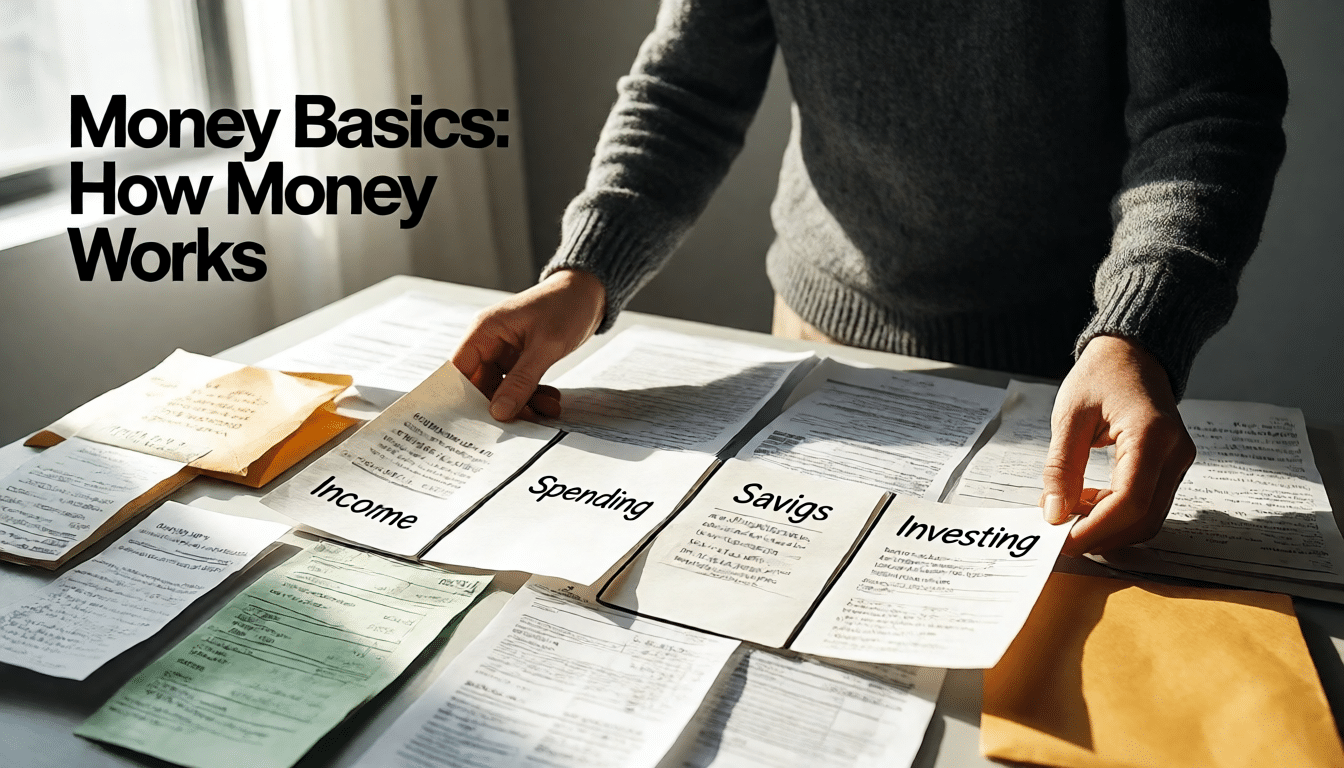
Sixty-four percent of Americans report that money is their primary source of stress because they don’t know how money works?, highlighting the need for improved financial well-being. This overwhelming anxiety often stems from a lack of clear systems rather than a lack of income. To build a secure future, you must master Money Basics: How Money Works, How to Manage It, and How to Make Better Financial Decisions.
Managing your cash effectively is not about restrictive rules that stop you from enjoying life; it is about creating small, consistent habits that provide lasting peace and freedom. By understanding the flow of your finances, you can stop reacting to emergencies and start making proactive choices that align with your long-term goals.
Financial success is rarely about luck or having a massive salary; it’s about making smart money choices and managing your money wisely. In fact, 58% of Americans now consider money management a vital part of their self-care routine, recognizing that physical and mental wellness are tied directly to financial health. When you understand how money functions as a tool for exchange and growth, you gain the power to direct it toward what matters most to you. Whether you are navigating student loans or looking to start your first investment, the foundation is always the same: knowing exactly where your money goes and why.
| Financial Milestone | Current Reality (US Data) |
|---|---|
| Have a Written Budget | Only 41% of households |
| Retirement Account Access | 45% of Americans |
| Emergency Fund Readiness | 37% cannot cover a $400 bill |
| Average Savings Rate | Approximately 5% of income |
Making better decisions starts with debunking common myths that hold many people back. You might believe you need a six-figure income to build wealth or that you must be entirely debt-free before you can start investing. These misconceptions often lead to “procrastination,” which is one of the most expensive mistakes you can make.
Research shows that households with a written financial plan are 2.5 times more likely to save enough for retirement compared to those who wing it. Taking control today means you are significantly more likely to feel better about your finances within just one year. 💡
“Financial success comes from consistent, disciplined actions over time, laying the groundwork for a strong financial foundation and achieving long-term financial goals.”- Industry Economic Expert Insight
This guide provides a roadmap for every stage of your journey. You will learn the core functions of money in the economy and how to track your spending without feeling overwhelmed. We cover practical ways to grow your income through salary negotiations or side hustles-a strategy already used by 41% of Gen Z and Millennials to boost their wellness. From understanding basic banking and payments to the fundamentals of pensions and trading, you will gain the insights needed to navigate the financial world with confidence. ✅
Mastering your finances starts with a solid foundation. You can build a more secure future by reading Money Basics: How Money Works, How to Manage It, and How to Make Better Financial Decisions. Knowing how to handle your income and expenses is a life skill that reduces stress and helps you reach your biggest goals.
You will discover why clear money habits matter and how to avoid the common traps that keep many people stuck in debt. Understanding these core principles gives you the confidence to take control of every dollar you earn.
You will learn the specific tools needed to organize your spending and save more effectively. By focusing on essential handling skills and simple budgeting tips, you can transform money from a source of worry into a helpful tool for your daily life.
Basic Money Management Skills

Walking into a grocery store without a list often leads to a cart full of items you don’t need and a receipt that makes you wince. Managing your finances works the same way; without specific financial literacy-the ability to understand and use various financial skills-you are essentially navigating a complex system without a map, making it crucial to track spending effectively. While many people feel overwhelmed by the idea of “finance,” the core skills are actually simple habits that anyone can learn, regardless of their current income level.
Only 41% of Americans have a budget, yet this single tool is the most effective way to gain authority over your cash flow. A budget is not a restriction on your freedom; it is a plan for how to spend and save money over a specific period. By defining where every dollar goes before the month begins, you shift from reactive spending to proactive wealth building. It turns out that 59% of Americans expressed confidence in creating a monthly budget in December 2024, proving that the desire for better management is growing alongside the available digital tools.
Mastering these basics involves three primary pillars: tracking what comes in, monitoring what goes out, and deciding where the remainder should go. When you track your income and expenses, you often find “leaks” in your spending-like forgotten subscriptions or daily small purchases-that add up to thousands of dollars over a year. Using financial planning software Or even a simple notebook to log these transactions provides the data-driven insights you need to make adjustments before a small overspend turns into a debt crisis, offering tips to improve your finances.
Setting achievable financial goals is the fuel that keeps these habits running. 83% of people who set financial goals feel better about their finances after just one year, according to recent research. Whether you want to save for a used car or build a small emergency fund, having a “why” behind your “how” makes the daily discipline of tracking expenses much easier. Consistent effort in these areas is what separates those who feel constant anxiety from those who experience financial peace.
- Audit your accounts: Look at your bank statements from the last 30 days to see exactly where your money went.
- Categorize spending: Group your costs into “needs” (rent, groceries) and “wants” (dining out, streaming services) to identify areas to trim.
- Define one goal: Pick a specific target, such as saving $500, and give yourself a clear deadline to reach it.
- Set a weekly check-in: Spend ten minutes every Sunday reviewing your spending against your plan to stay on track.
- Adjust as needed: If you overspend in one category, move money from another rather than reaching for a credit card.
As you get comfortable with these foundational skills, you may find that your current income doesn’t quite match your long-term ambitions. This realization often leads to exploring side hustles or salary growth strategies, which can dramatically accelerate your progress. Understanding how to manage the money you have right now is the mandatory first step before you focus on bringing in more. Without a system to catch the water, a bigger faucet won’t help you fill the bucket.
“Financial success is not a hard science. It’s a soft skill, where how you behave is more important than what you know.”- Morgan Housel, Author of The Psychology of Money
Building these skills helps you avoid common financial traps, such as the 37% of Americans who cannot cover a $400 emergency bill. By choosing to be part of the group that plans ahead, you create a buffer between yourself and the unexpected stresses of life. 41% of people say creating and sticking to a budget has had the biggest impact on improving their relationship with money. This disciplined approach eventually becomes second nature, allowing you to focus on living your life rather than just managing your debt.
Basic Money Management Skills
Mastering your finances starts with the realization that math is rarely the problem; the real challenge is developing the discipline to oversee your cash flow daily. In our guide Money Basics: How Money Works, How to Manage It, and How to Make Better Financial Decisions, we define financial literacy as the practical ability to understand and use various financial skills, including personal financial management, budgeting, and investing. It is the bridge between earning a paycheck and actually keeping it.
While many people feel overwhelmed by complex spreadsheets, the most impactful habits are often the simplest. As of December 2024, 59% of Americans expressed confidence in creating a monthly budget, yet there is a significant gap between confidence and execution. Moving from the idea of a budget to a written plan is the single most effective way to stop wondering where your money went at the end of the month and start telling it where to go instead.
83% of people who set financial goals feel better about their finances after just one year. This suggests that the psychological benefit of having a plan is almost as valuable as the monetary gain. When you set achievable targets-like saving for a specific repair or paying off a small credit card-you replace financial anxiety with a sense of agency. Consistent effort, rather than a high income, is what eventually leads to long-term stability.
Core Habits for Effective Management
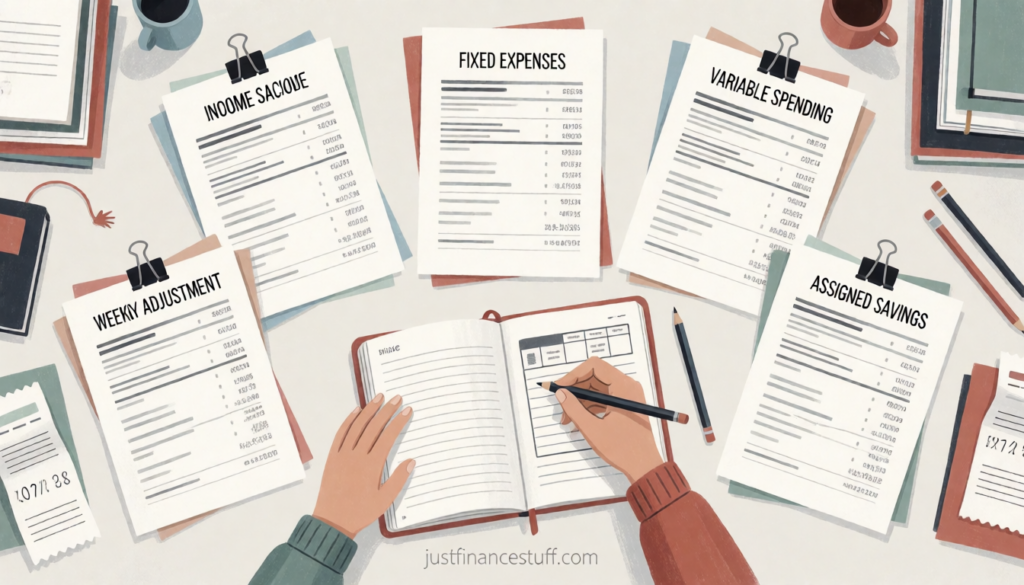
To avoid common financial traps, you must treat your money management as a series of repeatable steps. Tracking every cent that enters and leaves your accounts reveals “spending leaks” that often go unnoticed, such as forgotten subscriptions or daily convenience purchases. Tools like Rocket Money can help automate this process by identifying recurring charges, but the manual act of reviewing your transactions remains a powerful way to stay connected to your spending reality.
A successful money management routine usually follows these specific steps:
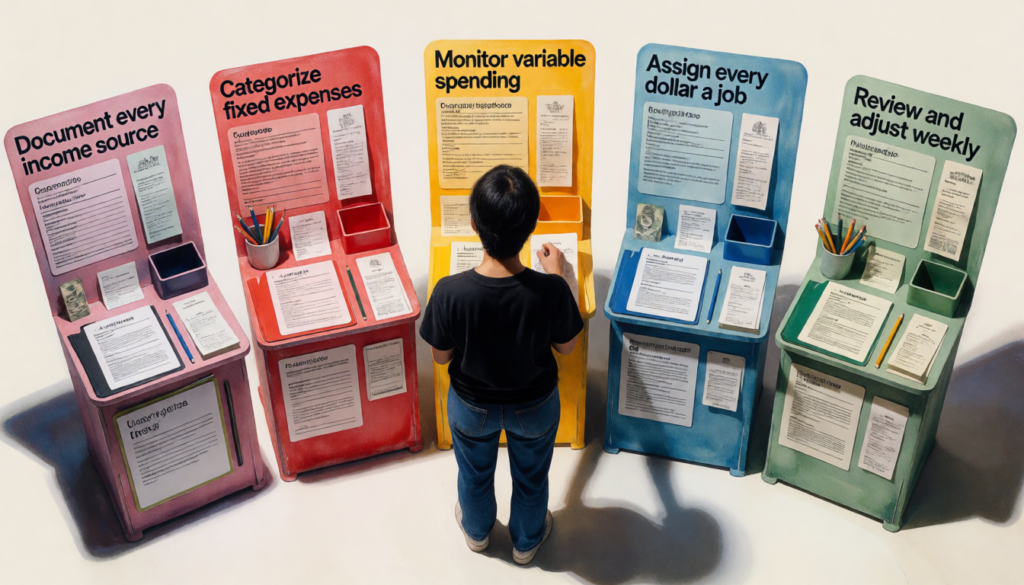
- Document every income source: List your primary salary alongside any side hustles or tax refunds to see your total monthly “fuel.”
- Categorize fixed expenses: Identify non-negotiable costs like rent, utilities, and insurance that stay relatively the same.
- Monitor variable spending: Track fluctuating costs like groceries, dining out, and entertainment to find areas where you can trim.
- Assign every dollar a job: Use a “zero-based” approach where your income minus your expenses and savings equals zero.
- Review and adjust weekly: Financial lives are messy; checking in every seven days allows you to fix mistakes before they ruin the month.
Setting financial goals is the “why” behind the “how” of budgeting and is essential for achieving long-term financial goals. Without a clear objective, such as building an emergency fund or saving for a down payment, the daily grind of tracking expenses can feel restrictive. By focusing on small, measurable wins, you build the “financial muscle” needed for more complex tasks like retirement planning or debt negotiation. Only 41% of Americans have a budget, which means simply starting one puts you ahead of the majority of the population in terms of financial preparedness.
The goal is not perfection, but awareness. When you understand how your money moves, you are less likely to fall into the trap of using credit cards for non-emergencies or ignoring bills until they become crises. This foundational skill set prepares you for the practical budgeting tools and specialized techniques we will explore in the following chapters, ensuring you have the stamina to maintain your progress over the long haul.
Money serves as the foundation of your daily life, yet the way it moves through the world often feels like a mystery. By reading Money Basics: How Money Works, How to Manage It, and How to Make Better Financial Decisions, you will see how currency acts as a tool for trade and a store of value. Understanding these rules helps you navigate the economy with more confidence and less stress.
You will discover how the total supply of money affects your purchasing power and why the financial system depends on specific roles that money plays in every transaction. Mastering these core concepts allows you to make smarter choices because you finally understand the mechanics behind every dollar you earn, spend, or save.
Basic Money Supply Insights

Central banks manage the money supply to keep the economy moving at a steady pace, acting as a thermostat for the nation’s financial health. When you hear news about interest rates or inflation, it often traces back to how much money is currently circulating in the system. If the supply grows too fast, you might see the price of milk or gasoline climb rapidly; if it shrinks too much, businesses struggle to borrow, which can lead to job losses and a stagnant economy.
Understanding this concept requires looking beyond the physical coins and bills in your wallet. While cash is the most visible part of the equation, the total supply includes several layers of “money-like” assets that you use every day. Economists generally categorize these into different groups based on how easily you can spend them, which helps them track whether people are likely to go on a spending spree or tighten their belts.
M1 and M2 are the two most common ways to measure this flow. M1 is the most “liquid” form, consisting of physical currency and the money sitting in your checking account that you can spend instantly with a debit card. M2 is a broader bucket; it includes everything in M1 plus your savings accounts, certificates of deposit (CDs), and money market funds. Even though you might not spend your savings today, that money still exists in the economy and influences how banks lend to others.
| Category | What it Includes | Spendability |
|---|---|---|
| M1 | Cash, checking accounts, traveler’s checks | Instant |
| M2 | All of M1 + savings accounts and CDs | Slightly delayed |
Central banks influence these levels primarily to manage financial priorities in the economy. purchasing power, which is the real-world value of your dollars. When the money supply is increased too aggressively-often through lower interest rates that encourage borrowing-the result is frequently inflation. This means that while you might have more “money,” each individual dollar buys fewer goods than it did a year ago. Maintaining a balance is a delicate act of preventing both runaway prices and economic freezes.
This big-picture movement directly impacts your personal budget because it dictates the “cost” of your money. When the supply is tight, your savings account might earn a higher interest rate, but your car loan or mortgage becomes more expensive. Conversely, a loose money supply makes debt cheaper but can erode the value of the cash you’ve worked hard to set aside. It is a constant tug-of-war that requires you to stay disciplined regardless of which way the economic winds are blowing, especially when trying to take control of your finances.
A significant portion of this entire system relies on the monetary base, a specific foundation that central banks control more directly than the broad deposits held in private banks. This base acts as the raw material for the rest of the money supply, serving as the starting point for how every transaction eventually settles in the modern economy. Understanding how this base translates into the money you actually spend reveals the specific “jobs” that money is expected to perform for you and the world at large.
The Three Core Jobs of Money

While central banks work behind the scenes to keep the money supply steady, you experience money through the specific “jobs” it performs in your daily life. In the Money Basics: How Money Works, How to Manage It, and How to Make Better Financial Decisions framework, we view money not just as paper or digital digits, but as a multipurpose tool. Historically, people used everything from salt and seashells to gold to get these jobs done, but modern currency is designed to be much more efficient.
The first and most obvious role of money is acting as a tool to help you take control of your finances. medium of exchange. This simply means it is a widely accepted item that you can swap for goods or services. Without this function, you would be stuck in a “barter” system, trying to find a grocery store owner who coincidentally needs your specific professional skills just so you can trade for a gallon of milk. Because money is a universal “yes” in the economy, it removes the friction from every transaction you make.
Money also serves as a unit of account, which provides a common yardstick for measuring value. Think of it like a ruler for your net worth; it allows you to compare the price of a laptop to the price of a sandwich using the same scale. Without this standard measurement, it would be nearly impossible to track your spending or understand if you are actually making progress toward your goals. 72% of households do not have a written financial plan, often because they haven’t yet mastered using this “yardstick” to map out their future.
The third vital function is acting as a store of value. This allows you to earn money today and spend it weeks, months, or even decades later without it “spoiling” like a crate of apples would. This specific function is what makes saving and investing possible. When money holds its value over time, it encourages long-term trade and investment, which are the engines of a healthy economy. 💡
83% of people who set financial goals feel better about their finances after just one year. This improvement happens because they are effectively leveraging money’s ability to store value for their future selves. When you understand that money is a tool for measurement and storage, you can start making more disciplined choices. You aren’t just “not spending”; you are choosing to keep that value stored for a more important use later on.
To see how these functions play out in a healthy financial life, consider these requirements for stable money:
- Portability: You must be able to carry it easily to complete transactions.
- Divisibility: It must be able to be broken down into smaller units (like cents) for precise pricing.
- Durability: It shouldn’t physically wither away while it is “storing value” in your pocket or bank.
- Uniformity: Every dollar must be equal in value to every other dollar to keep the “unit of account” accurate.
- Limited Supply: To remain a reliable store of value, money cannot be so overabundant that it loses its worth.
When money performs these three jobs well-exchange, measurement, and storage-it creates the stability needed for you to plan for the long term. However, the way you interact with these functions changes the moment you step out of the theoretical world and into the grocery store or the shopping mall. This shift from economic theory to physical spending is where most people’s budgets either thrive or fall apart.
Managing your daily spending is the foundation of building wealth, yet nearly 60% of people struggle to stick to a monthly budget. You can gain control by mastering the basics of Money Basics: How Money Works, How to Manage It, and How to Make Better Financial Decisions through simple, repeatable habits. This chapter shows you how to transform your kitchen into a savings hub and use easy tracking methods to stop money leaks before they start, enhancing your financial well-being.
By understanding the real cost of your services and making smarter choices at the grocery store, you turn small daily wins into long-term security. You will learn how to align your routine spending with your biggest life goals.
Kitchen & Budget Planning

Cutting your grocery bill by 15% to 20% is achievable simply by shifting how you approach your weekly meals. In the article Money Basics: How Money Works, How to Manage It, and How to Make Better Financial Decisions, we explore how small, repeatable habits in the kitchen can safeguard your income. While housing takes up the largest chunk of the average American’s budget at 33%, food is often the most flexible expense you can control immediately. 🍎
The cost of disorganization is higher than you might think. Food waste costs the average U.S. family $1,500 annually. This happens when we buy ingredients without a plan, leading to wilted greens and expired proteins that end up in the trash. By implementing a weekly meal plan, you ensure every item in your cart has a specific purpose, turning your kitchen into a center for savings rather than a source of waste.
Smart grocery strategies go beyond just making a list; they involve tracking spending to ensure you stay within your financial priorities. You should shop your pantry first to see what you already own before heading to the store. This prevents “double-buying” and helps you lean into the underconsumption movement, a 2025 trend where people find satisfaction in using what they have rather than chasing new purchases. When you do hit the aisles, sticking strictly to your list helps you avoid high-margin impulse buys designed to distract you.
The financial gap between cooking at home and eating out is staggering. While a home-cooked meal might cost $4 to $6 per serving, the average restaurant meal often exceeds $20 when you factor in tax, tip, and delivery fees. Over a month, swapping just two restaurant visits for home-cooked alternatives can save you enough to cover a significant portion of an emergency fund. ✅
Many people are now testing their discipline through the “No-Spend” challenge, which gained massive traction on TikTok in early 2024. This challenge encourages you to avoid all non-essential spending, including takeout and coffee runs, for a set period. It is a powerful way to reset your relationship with “convenience spending” and proves how much extra cash is hiding in your daily routine. 📊
To keep your food budget on track, consider these essential habits:
- Designate a “Leftover Night” to ensure no cooked food goes to waste at the end of the week.
- Buy versatile staples like grains, beans, and frozen vegetables that work in multiple recipes.
- Compare unit prices on shelf tags to ensure you are getting the best value for the volume.
- Avoid shopping while hungry, as this is the primary driver of unplanned emotional purchases.
- Use a simple tally on your fridge to track items you throw away so you can buy less of them next time. ⚠️
Mastering your kitchen spending is a major win, but it is only one piece of the puzzle. While you can see the results of a cheaper grocery trip immediately, other expenses are quieter and harder to spot without a dedicated system. Seeing exactly where every dollar goes-from the grocery store to that forgotten streaming subscription-requires a different kind of visibility.
Easy Money Tracking & Tattoos

You might think that tracking every cent is a chore reserved for accountants, but the reality is far more provocative: if you don’t know where your money is going, you aren’t actually in control of your life. While many people view a budget as a cage, 41% of individuals report that creating and sticking to a budget had the biggest impact on improving their relationship with money. This isn’t just about math; it is about the psychological shift from being a passive observer of your bank account to being the active pilot of your future, fully in control of your finances. You can choose to ignore the small leaks, but those leaks are exactly what prevent you from ever feeling truly secure.
The most effective way to gain this visibility is through financial check-ins, which should be treated with the same discipline as a doctor’s appointment or a gym session. 58% of Americans have now made money management a key part of their self-care routines, proving that financial awareness is becoming a pillar of mental health. Whether you use sophisticated financial planning software or a simple pen and paper, the method matters less than the consistency. You need to see the raw data-the subscriptions you forgot to cancel and the impulse buys that didn’t actually bring you joy-to break the cycle of “where did it all go?”
For those who find digital tools too distant, a more permanent and radical trend has emerged: “money tattoos.” These aren’t just ink on skin; they represent symbolic reminders of financial goals or hard-won lessons from past debts. While getting a literal tattoo might be extreme for some, the concept is sound: you need a “permanent” way to keep your goals in sight. This ties directly into the underconsumption movement that took over social media in mid-2024, where people began to find pride in owning less and tracking more. It turns out that being “boring” with your money is actually the ultimate power move.
Modern money management also requires you to be your own security guard. Consumers are increasingly treating scam prevention as a regular maintenance task, similar to changing a smoke detector battery. With global spending on financial security measures projected to hit US $21.1 billion, the burden of safety is shifting toward the individual.
You should be reviewing your bank statements at least once a week, not just to spot errors, but to verify that every transaction aligns with your values. This level of scrutiny turns your financial data into a roadmap rather than a mystery.
83% of people who set financial goals feel better about their finances after just one year. This feeling of wellness doesn’t come from a sudden windfall; it comes from the daily habit of recording what comes in and what goes out. If you are among the 72% of households without a written plan, you are essentially gambling with your time. You can start small by using one of these three common tracking methods to regain your footing:
- Budgeting Apps: Connect your accounts to automatically categorize spending and alert you to “subscription creep.”
- The Spreadsheet Method: Manually enter every receipt once a week to force yourself to confront the reality of your choices.
- Analog Notebooks: Use a physical ledger to slow down the process, making every dollar spent feel more “real” and helping you track spending more effectively.
- Bi-Annual Credit Reviews: Download your credit report to ensure no unauthorized accounts have been opened in your name.
Once you have a clear view of your spending habits, the focus naturally shifts from what you are losing to what you are gaining. Understanding the movement of your money is the first step toward realizing that your time is your most valuable asset in setting clear financial goals. This clarity makes it much easier to see whether your current paycheck is actually enough to support the life you want or if it’s time to find new ways to increase the total amount hitting your account each month.
Increasing your income is the fastest way to speed up your journey toward financial freedom. While following the advice in Money Basics: How Money Works, How to Manage It, and How to Make Better Financial Decisions helps you control what you spend, growing your paycheck provides the fuel you need to reach your goals sooner. You can create a more stable future by exploring side hustles and learning how to negotiate a higher salary at your main job.
You will discover how to turn extra time into extra cash and use modern tools to track your earnings growth. Understanding these income strategies helps you move beyond just getting by so you can start building real wealth for yourself and your family.
Extra Income & Saving Kids
Your ability to earn more is often the fastest way to bridge the gap between your current bank balance and your long-term dreams. While cutting expenses has its limits-you can only reduce a bill to zero-your potential to grow your income is technically infinite. Side hustles have evolved from simple hobbies into a primary pillar of financial wellness for millions of people looking to accelerate their progress.
Over 41% of Gen Z and Millennials find that engaging in side hustles has boosted their financial wellness. This shift suggests that extra work isn’t just about survival; it is a proactive strategy to gain breathing room in a tight budget. Data shows that 31% of individuals are targeting side hustles as their number one financial goal for 2025 to enhance their financial foundation and manage money more effectively., highlighting a collective move toward self-reliance and entrepreneurship.
If you are balancing a side hustle with a full-time job, time management is your most valuable asset. The goal is to find “high-leverage” activities that don’t lead to burnout, such as freelancing, tutoring, or selling digital products. Nearly two-thirds of Gen Z and Millennials have started or plan to start a side hustle, and a significant 65% of Gen Z and Millennials intend to continue their entrepreneurial endeavors in 2025.
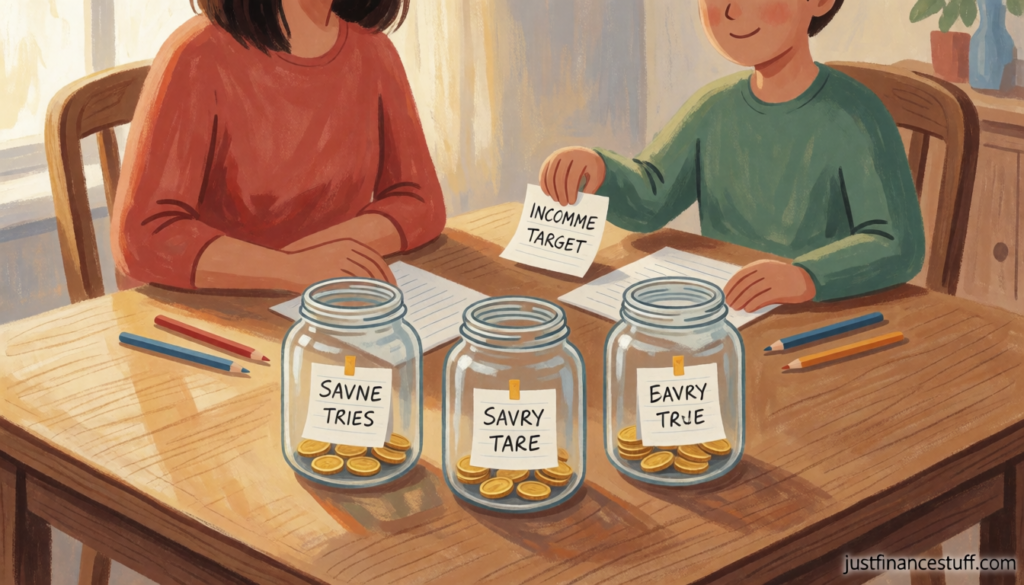
Building these habits early is equally vital for the next generation to secure a strong financial foundation. Teaching kids about money through a structured allowance or chores helps them understand that money is earned, not just received. You can encourage simple businesses, like car washing or pet sitting, to show them how value creation leads to income. When children see the direct link between effort and reward, they develop a healthier relationship with saving and spending.
Adding just a few hundred dollars to your monthly income can have a massive compound effect on your savings goals. Whether it’s padding an emergency fund or investing for the future, extra cash flow reduces the stress of everyday expenses. This proactive approach to earning creates a safety net that traditional budgeting alone cannot provide.
How to Kickstart Extra Earnings:
- Identify a skill you already have, such as writing, graphic design, or organizing, that others are willing to pay for.
- Set a specific “income target” for your side project to keep yourself motivated and focused.
- Open a dedicated savings account to house your extra earnings so they don’t get swallowed by daily spending.
- Involve your children by letting them “earn” money for extra tasks, teaching them to set aside a portion for long-term goals.
- Review your progress every month to see if your side hustle is actually profitable after accounting for your time and expenses.
As you begin to manage multiple streams of income, the complexity of your finances will naturally increase. Understanding how modern banking services help you organize these different “buckets” of money is the next logical step in your journey. Consistently generating extra income is a powerful habit that ensures you aren’t just treading water, but actively moving toward a life of choice and flexibility.
83% of people who set financial goals feel better about their finances after just one year. By combining goal setting with active income growth, you take full command of your financial trajectory. The effort you put in today, whether it’s a weekend gig or teaching your child to save their first dollar, builds the security you will rely on tomorrow.
Rocket Money & Salary Growth

Deciding which monthly expenses to keep and which to cut is the first step toward reclaiming your financial power. While side hustles provide the fuel for rapid growth, managing your existing cash flow ensures that new income doesn’t simply vanish into a black hole of automatic payments. Subscription creep is a growing concern for many consumers, where small, recurring charges for streaming services, apps, and memberships slowly erode your ability to save without you even noticing.
Financial planning software helps individuals organize financial data by bringing every transaction into a single view. Tools like Rocket Money are particularly effective because they identify and cancel unwanted subscriptions that you might have forgotten about months ago. By automating the search for these “money leaks,” you can perform a cost-benefit analysis on your lifestyle, comparing the projected costs of a service against the actual benefits you receive from it each week can help in setting clear financial goals.
Only 41% of Americans have a budget. Without a clear map of where your paycheck goes, it is nearly impossible to link saved money from subscriptions to broader financial goals like buying a home or investing. I once found I was paying for three different music streaming services because I had signed up for “free trials” and never looked back. Taking ten minutes to use an app for a regular financial review turned that wasted $30 a month into a meaningful contribution to my emergency fund.
Beyond cutting costs, you must also focus on increasing the value of your primary income through salary negotiation. Many people leave money on the table because they view their salary as a fixed number rather than a starting point for discussion. When you approach a manager, lead with data-driven insights about your performance and the market rate for your role. 72% of households do not have a written financial plan, and having one gives you the confidence to ask for a raise because you know exactly how that extra income will accelerate your path to security.
| Action Item | Financial Impact | Time Required |
|---|---|---|
| Cancel Unused Subs | $20–$100+ / month | 15 Minutes |
| Salary Negotiation | $3,000–$10,000+ / year | 1–2 Hours |
| Monthly Review | Prevents “Creep” | 30 Minutes |
Effective negotiation is not about making demands; it is about demonstrating how your work contributes to the organization’s bottom line. Use ratio analysis or simple performance metrics to show your worth. If you saved the company $5,000 through a new process, that is a powerful lever to pull during a review. Combining these salary gains with the efficiency of modern budgeting apps creates a “double-win” for your bank account, where you are simultaneously earning more and keeping more of what you earn.
Leveraging technology for small, consistent savings contributes to overall financial health and growth by removing the friction of manual tracking. When you optimize your spending and improve your salary prospects, you stop being a passive observer of your bank balance and start acting as the CEO of your own life. This level of control is vital because, once you have mastered your internal cash flow, you will need a place to move and protect that money as it grows.
The way you interact with your money changes significantly once you move beyond simple cash transactions and start utilizing the broader world of banking, payments, and financial services to take control of your finances.
Managing your daily finances starts with choosing the right tools to move, track, and protect your cash. In this part of Money Basics: How Money Works, How to Manage It, and How to Make Better Financial Decisions, you will learn how to navigate modern banking and payment systems safely. Whether you are checking eligibility for Universal Credit, sending a quick payment through GCash, or using QuickBooks to organize your spending, these services act as the engine for your financial life.
Understanding how these platforms work helps you avoid high fees and keep your money secure. By mastering these essential services, you gain the confidence to make technology work for your wallet every day.
Understanding Universal Credit and DBS Checks
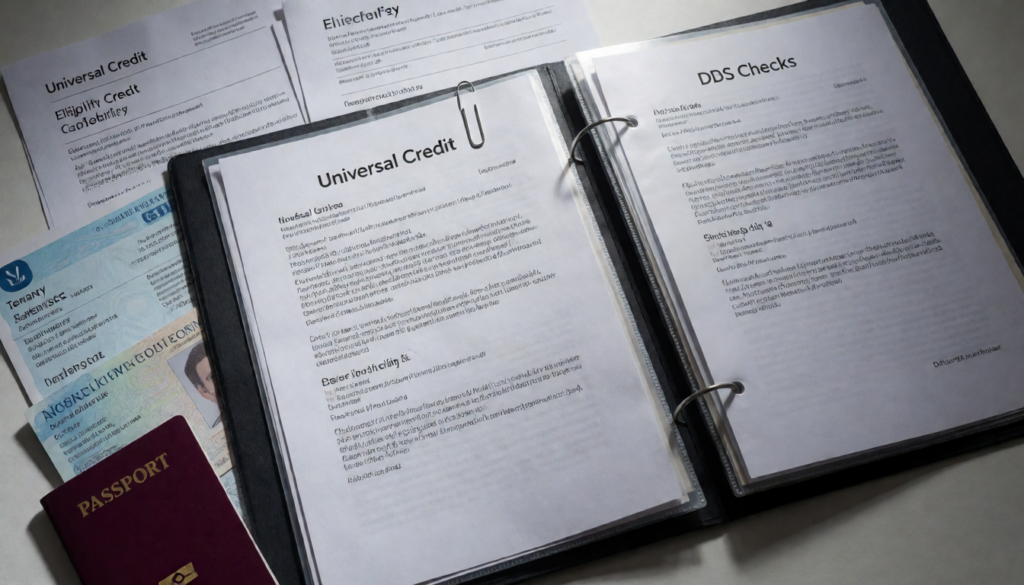
Over 6 million people in the UK currently receive Universal Credit to help with their living costs. In the context of Money Basics: How Money Works, How to Manage It, and How to Make Better Financial Decisions, understanding this system is vital because government support often acts as a foundational income stream. Unlike older benefit systems, this is a single monthly payment designed to simplify the financial support process, whether you are out of work or on a low income. It replaces several legacy benefits, such as Housing Benefit and Jobseeker’s Allowance, rolling them into one digital-first platform.
Accessing these government benefits requires you to meet specific eligibility criteria, which are usually based on your income, savings, and household circumstances. For instance, if you have more than £16,000 in money or investments, you typically will not qualify for Universal Credit. Managing this system effectively requires a high level of organization; you must report any changes in your circumstances immediately to avoid overpayments or penalties. This is not just about receiving money; it is about integrating a complex external system into your personal financial plan to ensure stability during career transitions.
Parallel to benefits, many people encounter the Disclosure and Barring Service (DBS) when applying for work. A DBS check is a record of your criminal history (or lack thereof) that employers use to make safe hiring decisions. While it may seem like a purely administrative hurdle, it is a significant financial document.
Many employers cover the cost, but if you are self-employed or a contractor, you might have to budget for these fees yourself. Maintaining a clear record and understanding how to present this documentation is a key part of staying “work-ready” and protecting your primary earning potential.
Handling your personal information securely is the common thread between these two services. Both Universal Credit and DBS applications require you to share sensitive data, from your National Insurance number to deep banking history, which can impact your financial priorities. 75% of Americans are confident in their ability to find their credit report, and a similar level of diligence is required when managing UK government digital IDs. If you lose control of these digital credentials, you risk not only identity theft but also the sudden freezing of your primary support payments.
How Benefits Impact Your Household Budget
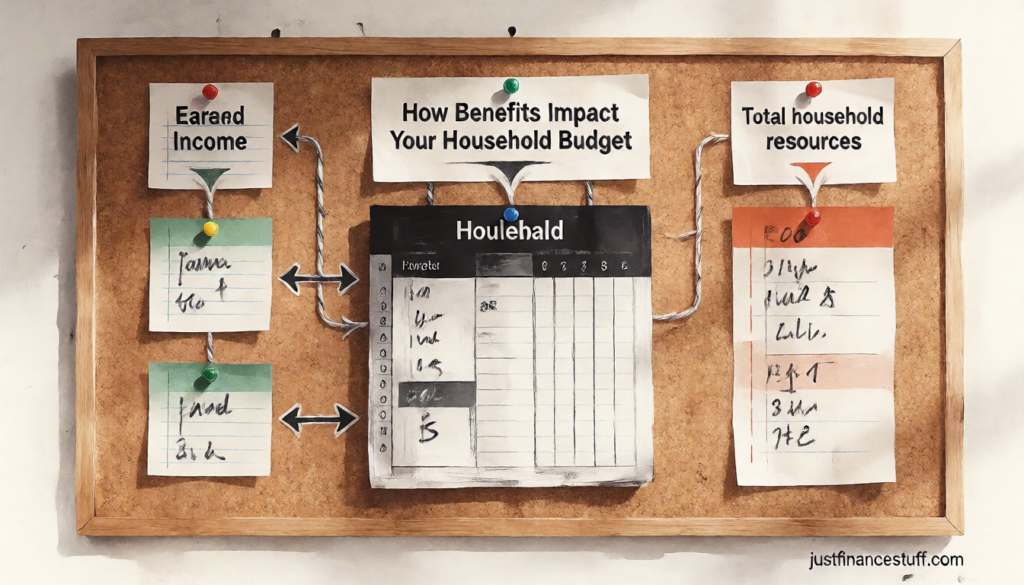
When you rely on government support, your budget becomes subject to “taper rates,” which determine how much your benefits decrease as your earned income rises. For every £1 you earn after tax, your Universal Credit payment currently reduces by 55 pence. This means your total take-home pay doesn’t grow as fast as your gross salary does, making it essential to manage your money effectively. Understanding this math is essential for anyone considering a side hustle or a promotion, as it helps you calculate the actual “net gain” of your extra work hours.
Proper documentation serves as the backbone of these financial applications. Whether you are proving your rental costs for a housing element or verifying your identity for a background check, having a “financial go-bag” of documents can save weeks of delays. You should keep digital and physical copies of the following items to ensure your applications move through the system without friction:
- Valid photo ID (Passport or Driving License)
- Last three months of bank statements
- Current tenancy agreement or mortgage statement
- Proof of any savings or investment dividends is important when considering how to borrow money responsibly.
- National Insurance number and P60 forms
Applying for these services is often the first time many individuals interact with formal financial systems outside of a standard bank account. The process of proving your identity and verifying your income for a government agency mirrors the steps required for private financial products. As you become more comfortable navigating these official portals, the mechanics of moving money between different accounts and making payments to various entities become a routine part of your daily life.
QuickBooks & Easy Money Insights

The 80/20 rule of personal finance suggests that 80% of your success comes from behavior and only 20% from head knowledge. However, that 20% depends heavily on having accurate data to look at. While 59% of Americans expressed confidence in creating a monthly budget in late 2024, many struggle to maintain it because they rely on memory rather than systems. Using financial planning software like QuickBooks Self-Employed or similar specialized apps moves you away from “guesstimating” and toward a professional-grade understanding of your own wallet.
You do not need to run a corporation to benefit from these tools. Software helps you organize financial data by automatically pulling transactions from your bank and asking you to swipe or click to categorize them. This process eliminates the friction of manual entry, which is where most people quit.
By tagging a purchase as “Utilities” or “Groceries,” you are building a database that allows for ratio analysis-a method experts use to interpret financial statements. For example, knowing that housing should ideally take up 33% of your spending is one thing, but seeing a report that shows yours is actually at 45% provides the “why” behind your empty savings account.
| Feature | Personal Benefit | Financial Impact |
|---|---|---|
| Auto-Categorization | Saves hours of manual tracking | Reduces errors in budget planning |
| Spending Reports | Visualizes where money goes | Identifies “leaks” in cash flow |
| Tax Estimators | Predicts future tax liabilities | Prevents end-of-year debt surprises |
| Receipt Scanning | Digitizes paper records | Simplifies insurance or tax claims |
Digital record-keeping is particularly vital if you are among the 41% of Gen Z and Millennials who use side hustles to boost their financial wellness. If you earn extra income through freelance work or selling goods, mixing those funds with your personal spending is a recipe for a tax-season nightmare. Software allows you to separate business and personal expenses with a single tap.
This organization is not just about staying tidy; it is a form of risk management. It ensures you claim every legal deduction possible, keeping more of your hard-earned money in your pocket rather than overpaying the government.
I once assisted a friend who thought they were “bad with money,” only to find through a simple spending report that they were spending $400 a month on convenience store snacks they didn’t even remember buying. That is the power of financial forecasting. When you see your habits laid out in a bar chart, you can predict exactly where you will be in six months if you don’t change.
This clarity reduces the financial anxiety that 64% of Americans cited as their leading source of stress in 2024. Seeing the numbers in black and white takes the “monster” out of the closet and puts it on a spreadsheet where it can be managed, providing you with the personal financial literacy needed to make informed decisions.
Building these organized habits now creates the foundation for more complex goals. A written financial plan is much easier to construct when you have six months of clean data to back it up. Without this level of organization, it is nearly impossible to determine how much “extra” you truly have to put toward long-term wealth. This leads to the next logical step: deciding how to move that surplus from a standard bank account into vehicles that can actually grow over time.
Investing is how you put your money to work so it grows faster than it would in a regular bank account. You can build long-term wealth and protect your future by understanding Money Basics: How Money Works, How to Manage It, and How to Make Better Financial Decisions. While many people feel nervous about the stock market, starting early gives your savings more time to multiply through compound interest.
You will discover how to use simple pension plans and trading strategies to turn small, consistent habits into a secure retirement. Taking these steps now ensures you have the financial freedom to enjoy your life later without worrying about costs.
Basic Pension & Trading Tips

In 2025, young adults are increasingly recognizing that waiting for a “perfect” career moment to start saving is a mistake. While you might feel that retirement is a lifetime away, the Money Basics: How Money Works, How to Manage It, and How to Make Better Financial Decisions guide emphasizes that time is your greatest asset. Many people fall for the myth that they shouldn’t worry about retirement until they are middle-aged, yet procrastination is often the most expensive mistake you can make in wealth-building. Starting early allows you to use smaller amounts of money to achieve much larger results over several decades.
Only 45% of Americans currently have a retirement account. This statistic is concerning because social safety nets rarely provide enough for a comfortable lifestyle on their own. A pension is essentially a long-term savings plan with tax “superpowers” designed to support you when you stop working, reinforcing the importance of saving for retirement. Unlike a standard savings account where you might withdraw money for a holiday, a pension is locked away, often receiving contributions from your employer or tax relief from the government. This “free money” makes pensions one of the most efficient ways to grow your wealth, even if you are only contributing a small percentage of your paycheck each month.
Understanding the difference between saving and investing is the first step toward growth. Saving is putting money aside in a safe place, like a bank account, where it is easily accessible but grows slowly. Investing involves buying assets-like stocks (shares in a company) or bonds (loans to a government or company)-with the expectation that they will increase in value over time.
While saving protects your cash, investing is what helps your money outpace inflation. You do not need to be wealthy to start; many modern platforms allow you to begin trading with as little as $1 to $5, making the stock market accessible to almost everyone.
Households with a financial plan are 2.5 times more likely to save enough for retirement, laying a solid financial foundation for their future. This success is largely driven by compound interest, which occurs when the interest you earn on your money begins to earn interest on itself. Over twenty or thirty years, this creates a snowball effect where your account balance can grow exponentially. It is the reason why someone who starts investing $100 a month at age 20 often ends up with significantly more than someone who starts investing $500 a month at age 40. Taking control now is about more than just numbers; it is about building the foundation for your future financial security.
If you are ready to move from saving to growing your wealth, consider these foundational steps:
- Check if your employer offers a 401(k) or pension match, as this is an immediate 100% return on your contribution.
- Research index funds, which allow you to buy a small piece of hundreds of different companies at once to lower your risk.
- Automate your contributions so that a portion of your income moves into your investment account before you have a chance to spend it.
- Ignore the “all or nothing” mindset; investing $20 a month is infinitely better than investing nothing at all while waiting for a raise.
- Commit to a long-term view, as the stock market fluctuates daily but has historically trended upward over decades.
A common misconception is that you must be entirely debt-free before you even think about investing. While high-interest debt should be a priority, waiting to pay off every cent of a low-interest student loan before starting a pension means missing out on years of compounding. Balancing debt repayment with small, consistent investments helps you build the habit of wealth-building. This disciplined approach ensures that by the time you reach your peak earning years, you already have a functioning system in place to safeguard your assets and provide long-term freedom.
“The best time to plant a tree was 20 years ago. The second best time is now.”- Ancient Proverb (frequently cited by financial advisors)
Investing is fundamentally different from gambling because you are betting on the long-term productivity and innovation of the global economy. While trading individual stocks can be risky for beginners, broad market investing provides a way to participate in economic growth. By treating your retirement contributions as a non-negotiable “bill” you pay to your future self, you move closer to a life where work is a choice rather than a necessity. This shift in mindset is what separates those who struggle with financial anxiety from those who move toward lasting peace.
Basic Pension & Trading Tips
72% of households do not have a written financial plan. This lack of direction often leads to the dangerous myth that you should wait until your career is “settled” before thinking about retirement. In reality, a pension is simply a long-term savings pot with a massive hidden advantage: your contributions often get a boost from tax relief or employer matching, which is essentially extra money added to your future self’s pocket. By ignoring this early on, you miss out on the most effortless way to grow your wealth through the sheer force of time.
Money Basics: How Money Works, How to Manage It, and How to Make Better Financial Decisions requires understanding that your money needs to do more than just sit in a bank. While saving is about keeping cash safe for short-term needs, investing is about putting that money to work in the market to outpace inflation. I remember early in my career thinking I wasn’t “rich enough” to invest, but the truth is that the stock market is accessible to almost everyone now. You don’t need a six-figure salary to start; you just need the discipline to begin before the “snowball effect” of compound interest loses its most valuable ingredient: years of growth.
When you start exploring the world of trading, it helps to view stocks and bonds as the two main tools in your kit. A stock means you own a tiny piece of a company, while a bond is essentially a loan you provide to a government or corporation in exchange for interest. While trading might sound like a high-stakes game for experts, most people find success through simple, diversified funds that hold hundreds of different companies at once. This approach turns “gambling” into a calculated strategy for growth, helping you avoid the emotional stress that 64% of Americans cited as their primary burden in 2024.
- Check your employer match to maximize your financial well-being and ensure you are saving for retirement effectively. If your company offers a retirement contribution match, ensure you are contributing enough to get the full amount, as this is an immediate 100% return on your money.
- Start with low-cost index funds: Rather than trying to pick the next “hot” stock, look for funds that track the entire market to lower your risk.
- Automate your contributions: Treat your retirement savings like a monthly bill that must be paid, ensuring you never “forget” to invest.
- Reinvest your dividends: When your investments pay out small amounts of profit, set them to automatically buy more shares to accelerate your growth.
Households with a financial plan are 2.5 times more likely to save enough for retirement. This isn’t because they have more money, but because they have a roadmap that prevents them from making impulsive choices during market dips. I’ve seen many people panic and sell their investments when prices drop, only to regret it years later when the market recovers. Sticking to a plan helps you view these moments as opportunities rather than crises, securing your path toward eventual freedom.
“Financial success comes from consistent, disciplined actions over time, laying the groundwork for a secure financial future.”- Personal Finance Expert Insight: Tips to improve your finances are essential for anyone looking to manage money effectively.
Understanding these basics is the first step toward true financial security and safeguarding your assets from the erosion of rising costs. Even if you only have a small amount to spare each month, the act of starting creates a psychological shift from being a consumer to being an owner. This shift is what ultimately separates those who are constantly stressed about money from those who feel confident about their future. In 2025, 52% of young adults are already prioritizing this type of financial education, proving that it’s never too early to take the lead on your own wealth.
Protecting your wealth is just as important as growing it, yet many people overlook the hidden risks that can threaten their hard-earned savings. In this guide to Money Basics: How Money Works, How to Manage It, and How to Make Better Financial Decisions, you will learn how to spot dangers like money laundering and fraud before they impact your wallet. Understanding these security threats helps you keep your accounts safe and ensures your financial plan stays on track.
By mastering these safety essentials, you gain the confidence to navigate the modern financial world without falling victim to common scams or legal traps that could derail your future.
Money Laundering Explained Simply

Criminals cannot simply deposit bags of cash from illegal activities into a bank without raising alarms. To use this “dirty” money for legitimate purchases like houses or cars, they must disguise its origins through a process called money laundering. In the context of Money Basics: How Money Works, How to Manage It, and How to Make Better Financial Decisions, understanding this cycle is less about becoming a detective and more about recognizing how your own financial security depends on a clean, transparent system.
The process generally involves three stages: placement, layering, and integration. First, the illegal cash is placed into the legitimate financial system, often by breaking it into small amounts that don’t trigger reporting limits. Next, the money is moved through a complex series of transactions-the layering phase-to distance it from the original crime. Finally, the “laundered” money is integrated back into the economy, appearing as legal wealth from business profits or investments.
Financial institutions are the first line of defense against these schemes, and their response is becoming a massive global operation. Financial institutions are forecast to spend approximately US $21.1 billion globally on security measures. This massive investment is driven by an increased focus on security in money management, which has become a dominant trend as digital transactions make it easier for illicit funds to move across borders in seconds.
“Money laundering isn’t just a victimless white-collar crime; it is the engine that powers organized crime, human trafficking, and global instability.”- Financial Action Task Force (FATF) Research Summary
You might wonder how this affects your daily life. As these security measures tighten, you will notice more “Know Your Customer” (KYC) checks when you open an account or move large sums of money. While these requests for ID and proof of address can feel like a chore, consumers are becoming more comfortable treating scam prevention as a regular maintenance task. This shift in mindset is a vital part of staying vigilant in a world where criminals often try to use innocent people as “money mules.”
Protecting yourself involves staying alert to offers that seem too good to be true. A common scam involves asking you to receive money into your personal account and then transfer it to another person in exchange for a small commission. This is a classic layering tactic, and participating in it-even if you don’t know the money is dirty-can lead to your bank accounts being frozen or even criminal charges. Consistent vigilance is your best tool for maintaining personal financial security.
To help you stay on the right side of the law and protect your assets, consider these protective steps:
- Never allow your personal bank account to be used by someone else to “move” or “hold” money.
- Be wary of job offers that involve receiving and resending funds, especially for overseas companies.
- Perform regular account check-ins to ensure all transactions are yours and report any mystery deposits immediately.
- Complete all bank security requests and identity updates promptly to keep your account’s “trust score” high.
- Research any private investment opportunity thoroughly before sending funds to an unverified third party.
The global financial system relies on trust, and money laundering is a direct attack on that foundation, undermining good money practices. By understanding that security checks are a necessary part of a healthy economy, you can better navigate the modern banking environment. Recognizing these red flags ensures that your own financial journey remains built on legitimate, hard-earned growth rather than accidental involvement in illicit schemes.
How Money Laundering Works in Simple Terms
Criminals who earn money through illegal activities face a major problem: they cannot use large sums of “dirty” cash without attracting unwanted attention from tax authorities or the police. To solve this, they engage in money laundering, which is the process of making illegally-gained proceeds appear legal. By funneling funds through a series of complex transactions or legitimate businesses, they “wash” the money until it looks like a standard business profit or a clean investment. Taking control of your money isn’t about rigid rules; it’s about building small, consistent habits, and understanding these risks is a vital part of maintaining your long-term financial security.
Financial institutions are currently engaged in a massive global effort to stop these activities before they reach the mainstream economy. Experts forecast that banks and fintech companies will spend approximately US $21.1 billion globally on security measures to combat fraud and illicit transactions. This record-breaking investment reflects a growing trend where security is no longer just a backend office function but a core part of modern money management. As digital transactions become the norm, the systems designed to verify your identity and monitor for unusual activity are becoming more sophisticated and faster at spotting red flags.
Common Tactics and Real-World Examples

You might wonder how this process actually looks in daily life. A classic example involves “cash-intensive” businesses, such as car washes, laundromats, or small cafes. A criminal might own one of these businesses and report much higher sales than they actually made, mixing their illegal cash with the legitimate daily earnings.
Another method involves “smurfing,” where large sums of money are broken down into many tiny deposits-often just a few hundred dollars each-to avoid triggering the automatic reporting limits that banks use to flag suspicious behavior. In the digital age, this has evolved into using online marketplaces or even in-game currencies in video games to move value across borders without detection.
Protecting yourself from being accidentally involved in these schemes is essential for your financial health. Many modern scams, such as “money mule” offers, target everyday people by promising easy cash for simply receiving a bank transfer and then sending it to another account. While it may seem like a harmless way to make extra income, this is a form of integration that can lead to your bank account being permanently closed or even lead to legal prosecution. I once saw a student lose access to their entire savings because they “helped” a stranger by cashing a check that turned out to be part of a larger fraud ring; the bank didn’t care about the intent, only the illegal transaction.
Staying Safe and Vigilant

The good news is that consumers are becoming more comfortable treating scam prevention as a regular maintenance task, much like checking a car’s oil or updating a phone’s software. To stay secure, you should adopt a policy of consistent vigilance by performing quick, regular account check-ins. If you see a deposit or a transfer you don’t recognize, even for a small amount, report it to your bank immediately. Most institutions now offer real-time notifications for all account activity, which is one of the most effective tools for spotting the early signs of unauthorized “layering” attempts.
- Enable two-factor authentication on all banking and payment apps to prevent unauthorized access.
- Never “rent” your bank account or agree to transfer money for someone you do not know personally and trust.
- Review your credit report regularly to ensure that your credit score remains healthy and reflects your good money habits. at least twice a year to ensure no one has opened accounts in your name for illicit purposes.
- Verify the source of any unexpected “refunds” or “overpayments” that ask you to send money back via wire transfer or gift cards.
83% of people who set financial goals feel better about their finances after just one year. Part of that peace of mind comes from knowing your assets are shielded from external threats. While the Financial Action Task Force (FATF) works on high-level global policy, your role is to be the primary gatekeeper of your own accounts. By understanding how criminals hide money, you are better equipped to recognize the “too good to be true” offers that often serve as the entry point for financial crime. Staying informed isn’t just about being cautious; it’s a proactive step toward ensuring your hard-earned money stays exactly where it belongs.
Conclusion
Financial peace comes from the small, boring habits you repeat every single day rather than a single lucky break or a massive salary increase. You do not need to be a math genius to master Money Basics: How Money Works, How to Manage It, and How to Make Better Financial Decisions; you just need the discipline to look at your numbers without blinking. Taking control of your cash flow is the only way to stop feeling like your life is happening to you and start making it happen for yourself.
72% of households do not have a written financial plan. This lack of direction is why so many people feel stuck, even when they earn a decent living, highlighting the need for personal financial literacy. When you put your goals on paper, you are 2.5 times more likely to save enough for your future. Whether you use a simple notebook or a tool like QuickBooks to categorize your spending, the act of tracking creates a physical boundary that stops impulsive choices before they happen.
- Follow the 24-Hour Rule. Wait one full day before buying anything non-essential to let your emotions cool and your logic take over.
- Automate a 5% savings rate. Most Americans only save 5% of their income, but starting here protects you from the 37% of people who cannot handle a surprise $400 bill.
- Build a “No-Spend” routine. Dedicate specific days or weeks to only buying essentials like groceries and housing to break the cycle of trend-chasing.
- Start your retirement fund now. Only 45% of Americans have a retirement account, yet starting just one year earlier can lead to thousands of extra dollars due to compound interest.
- Negotiate your fixed costs. Use apps like Rocket Money to find forgotten subscriptions and lower your monthly bills without changing your lifestyle.
You can improve your financial health today by writing down every cent you spent over the last 48 hours. Open your banking app, look at the transactions, and categorize them into “needs” and “wants.” If you find a subscription you forgot about, cancel it immediately to reclaim that cash for your savings. These tiny victories build the momentum you need to reach long-term freedom.
Consistent management is the only bridge between the life you have and the life you want.