
Why Books Matters
You want to build wealth and a confident money and prosperity mindset, but the path isn’t always clear; listen to those who have succeeded. The best books on prosperity mindset can help you see patterns, habits, and choices that quietly compound over time. This section explains why this topic matters, how the list was chosen, and how to use it for real results.
Why prosperity mindset matters
A strong prosperity mindset isn’t luck; it’s the ability to ask the right questions and take action. It shapes how you think about money, risk, and opportunity, teaching you the law of attraction and the ability to overcome financial obstacles. When you read with purpose, you notice small shifts, better spending, smarter saving, and a clearer plan for assets over liabilities. These aren’t instant miracles, but they add up as you act on practical ideas.
How this list was chosen
The books here come from authors who focus on money behavior, long-term strategy, and concrete lessons that give readers the experience needed to succeed. Each title is known for clear, actionable guidance rather than abstract theory. The goal is to mix timeless principles with modern relevance so you can apply them in everyday money decisions.
How to use these books for maximum impact
- Read with a purpose: pick a chapter or idea you can test this week.
- Take notes on a single action you will implement within 7 days.
- Revisit key passages to reinforce the habit shifts you want to build.
1. Secrets of the Millionaire Mind by T. Harv Eker
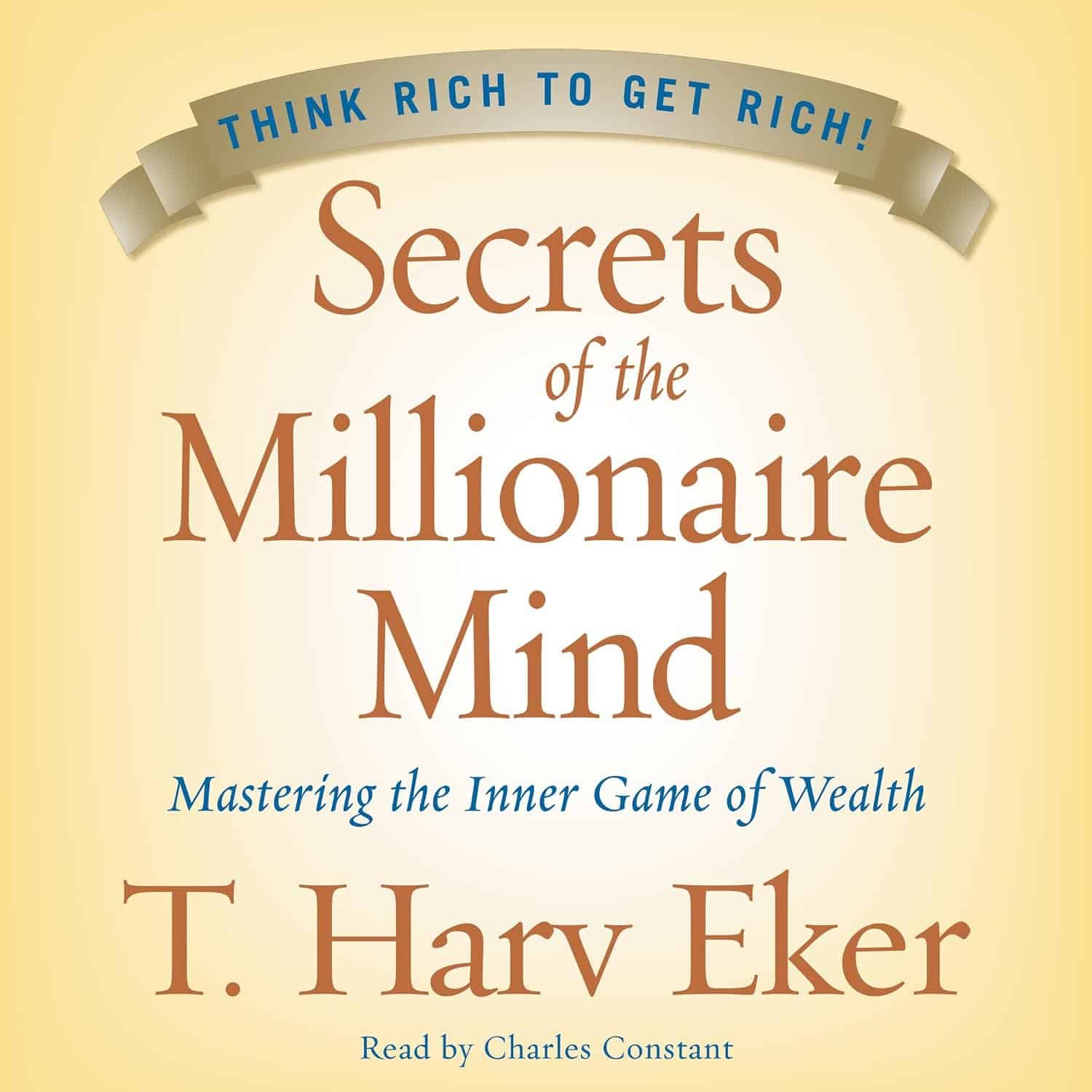
The core problem many readers face is the stubborn money script that traps daily decisions. Secrets of the Millionaire Mind by T. Harv Eker speaks directly to that issue, offering a practical path from mindset gaps to real results. It centers on the idea that wealth starts in your head before it shows up in your bank account. If your daily choices reflect scarcity, the book argues, you’ll miss the chance to grow money without a dramatic overhaul of habits.
Core principles and wealth paradigms
- Wealth files are patterns you can learn, not fixed traits you’re stuck with.
- Money beliefs drive behavior more than talent or luck, giving you the ability to shape your financial future.
- Statuses like debt, risk, and income are framed differently by the wealthy and the not as wealthy.
Expect this book to map out contrasting money scripts in plain terms. It presents a framework for shifting from fear to action, teaching you concrete ideas you can test in a week rather than a long, vague plan.
How to rewire money scripts for action
- Identify one money belief you want to change this month.
- Replace it with a simple, repeatable habit that nudges you toward wealth, such as tracking every dollar for 30 days.
- Use a small, consistent action to build momentum rather than waiting for a big breakthrough.
Best for those who want to listen and learn about the law of attraction and its impact on success in the game of wealth. readers who want a clear, psychologically grounded start to changing money habits.
Pros and cons are discussed in the next section to help you judge if this book fits your current needs.
👉 CHECK PRICE ON AMAZON
2. The Millionaire Next Door by Thomas J. Stanley and William D. Danko
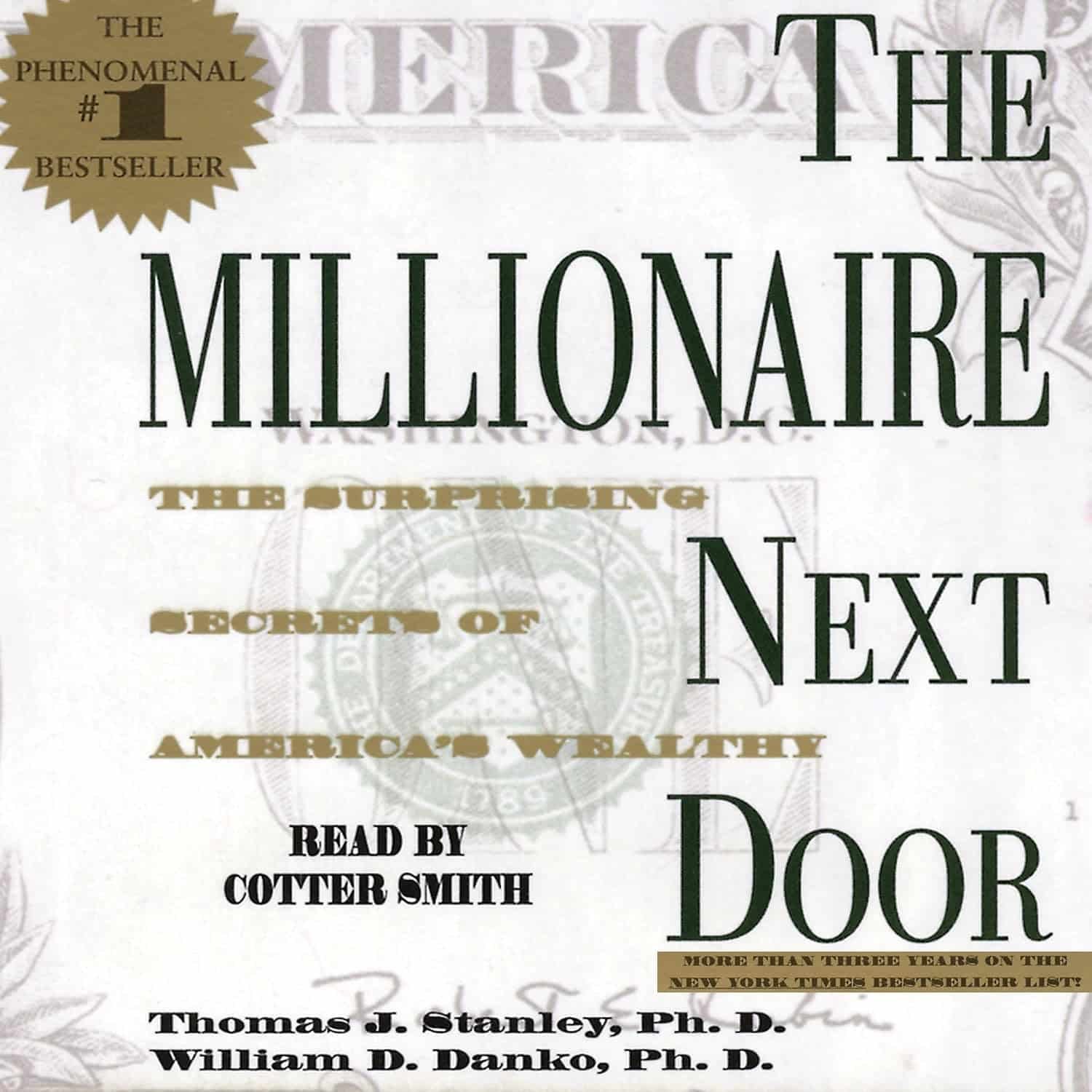
The familiar face of wealth isn’t the loudest. The Millionaire Next Door reveals that true wealth often hides in plain sight, tucked behind modest living and steady habits. If you want money that sticks, this book explains where real wealth tends to accumulate and how to avoid flashy traps.
Hidden wealth vs. appearances
The core idea is simple: many millionaires don’t look like what you expect. They live below their means, pay themselves first, and keep debt under control. The book highlights a practical truth: status often comes from disciplined budget choices and consistent savings, not big salaries.
Lessons on frugality, assets, and lifestyle choices
Key takeaways include prioritizing assets over flashy spending, building a portfolio that grows without constant risk, and choosing a lifestyle that shares the principles of long-term security. The emphasis is on small, repeatable steps rather than dramatic, short-term wins.
| Pros | Cons of the law of attraction may include unrealistic expectations that can hinder your ability to earn. |
|---|---|
| Clear distinction between appearances and true wealth | Some readers may find the tone dated |
| Strong focus on asset accumulation | Examples can feel arithmetic rather than inspirational, making it harder to overcome financial challenges. |
| Plain language and actionable habits teach you how to share your knowledge effectively. | Long-term mindset required for payoff |
Verdict: Choose The Millionaire Next Door when you want a realistic map to wealth built through steady, patient choices rather than quick wins.
CHECK PRICE ON AMAZON
3. The Compound Effect by Darren Hardy
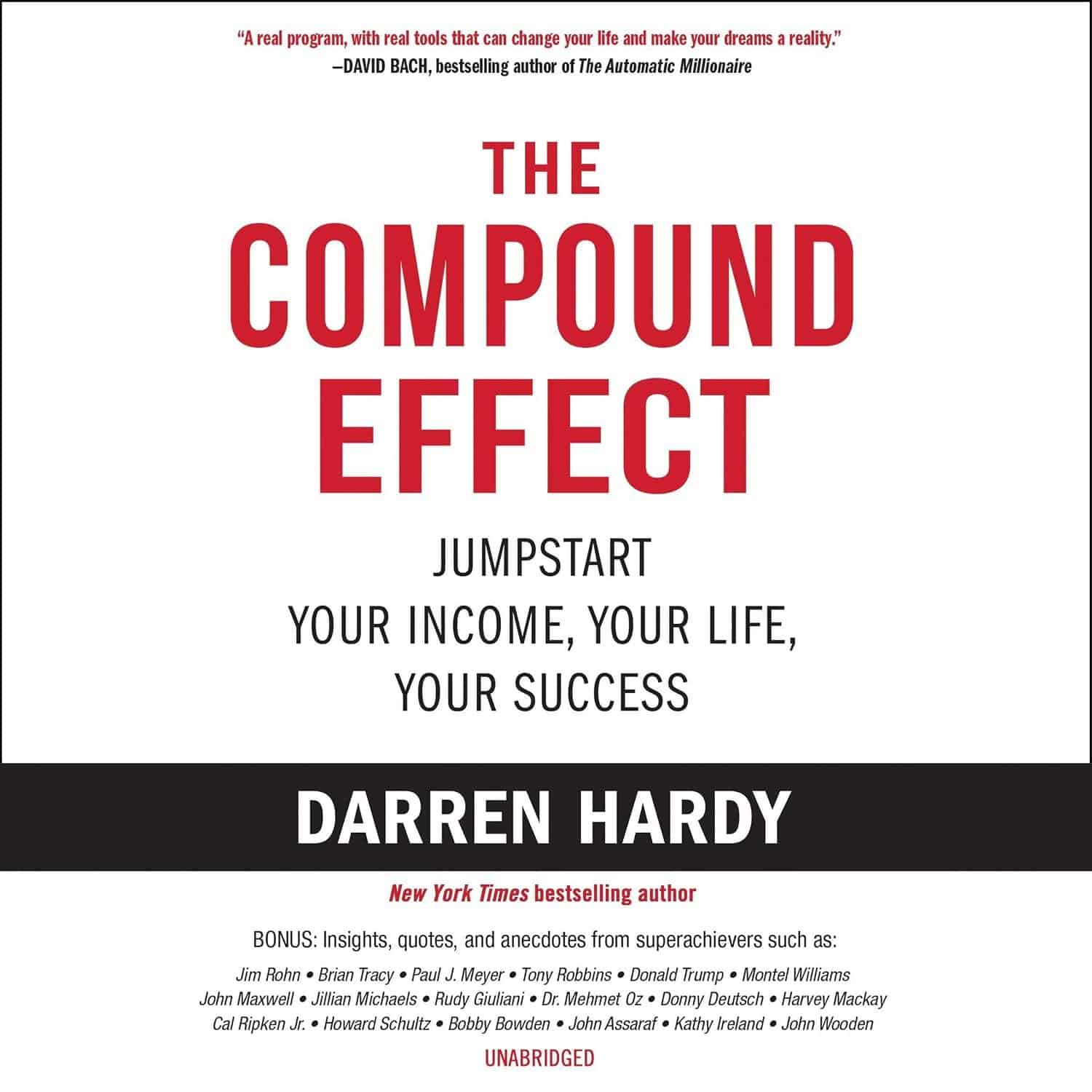
The idea behind The Compound Effect is simple: tiny steps repeated consistently beat heroic bursts of effort. If you want to build wealth or better money habits, this book speaks to the everyday actions that quietly add up over time.
Small habits, big results
Expect clear, actionable micro-choices that compound in your life. The practical angle is that you don’t need perfect planning to start; you begin with small, repeatable actions and let momentum take over.
- Track one daily behavior that nudges your finances forward
- Make a tiny adjustment each week to improve savings or spending and share your progress with others.
- Watch how consistent effort reshapes outcomes over months, turning the game of finance into one of skill and perseverance.
Applying compounding to thoughts, actions, and finances
The book links mental habits to real money results, showing how your ability to think positively can influence your financial experience. Your daily decisions, repeated, shape long-term wealth just as surely as any big investment.
| Pros | Cons |
|---|---|
| Easy-to-start framework | Requires patience for the law of attraction to manifest its power for payoff. |
| Works across money and mindset | Some examples feel repetitive |
| Encourages accountability in your financial journey, giving you the ability to track your progress. | Less focus on high-leverage strategies |
Verdict: Choose The Compound Effect when you want a plain, steady path to better money habits through consistent daily actions.
👁️ CHECK PRICE ON AMAZON
4. The Psychology of Money by Morgan Housel
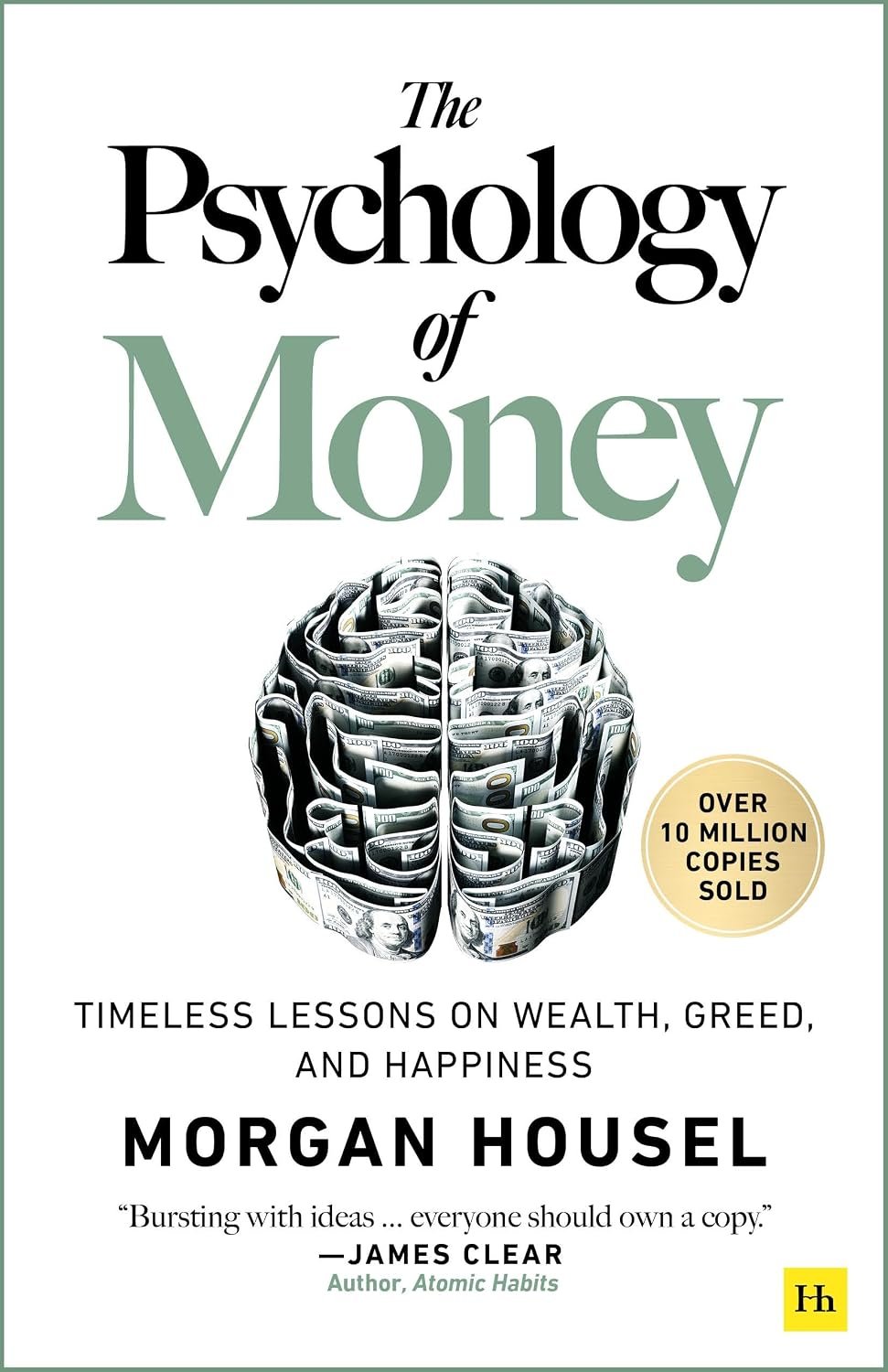
People don’t get rich just by knowing facts about money; they get rich by how they think and feel about it. The Psychology of Money helps you spot the patterns behind decisions, not just the numbers on a balance sheet. It focuses on behavior, emotions, and the long arc of wealth, rather than quick hacks.
Behavior over knowledge
Knowledge alone doesn’t change outcomes. Your money habits, your risk tolerance, and your reactions to luck or loss shape results more than any chart or statistic. Expect concrete examples that show how small behavioral tweaks can beat big, flashy plans.
Managing emotions and long-term decision making
Emotions bias financial choices, often more than facts. The book favors pausing to reflect and aligning actions with a steady, longer view. The takeaway is a simple mental framework that helps you resist chasing every temptation and stay the course toward happiness.
| Pros | Cons |
|---|---|
| Clear focus on money psychology | Less emphasis on step-by-step plans |
| Useful for long-term behavior change | Some concepts feel abstract without personal context |
| Meets readers where emotions meet dollars | Requires reflective practice to see payoff |
Verdict: Choose The Psychology of Money when you want a quieter, more human take on wealth that helps you think before you act and gives you the ability to make informed decisions.
🛑 CHECK PRICE ON AMAZON
5. Rich Dad Poor Dad by Robert Kiyosaki
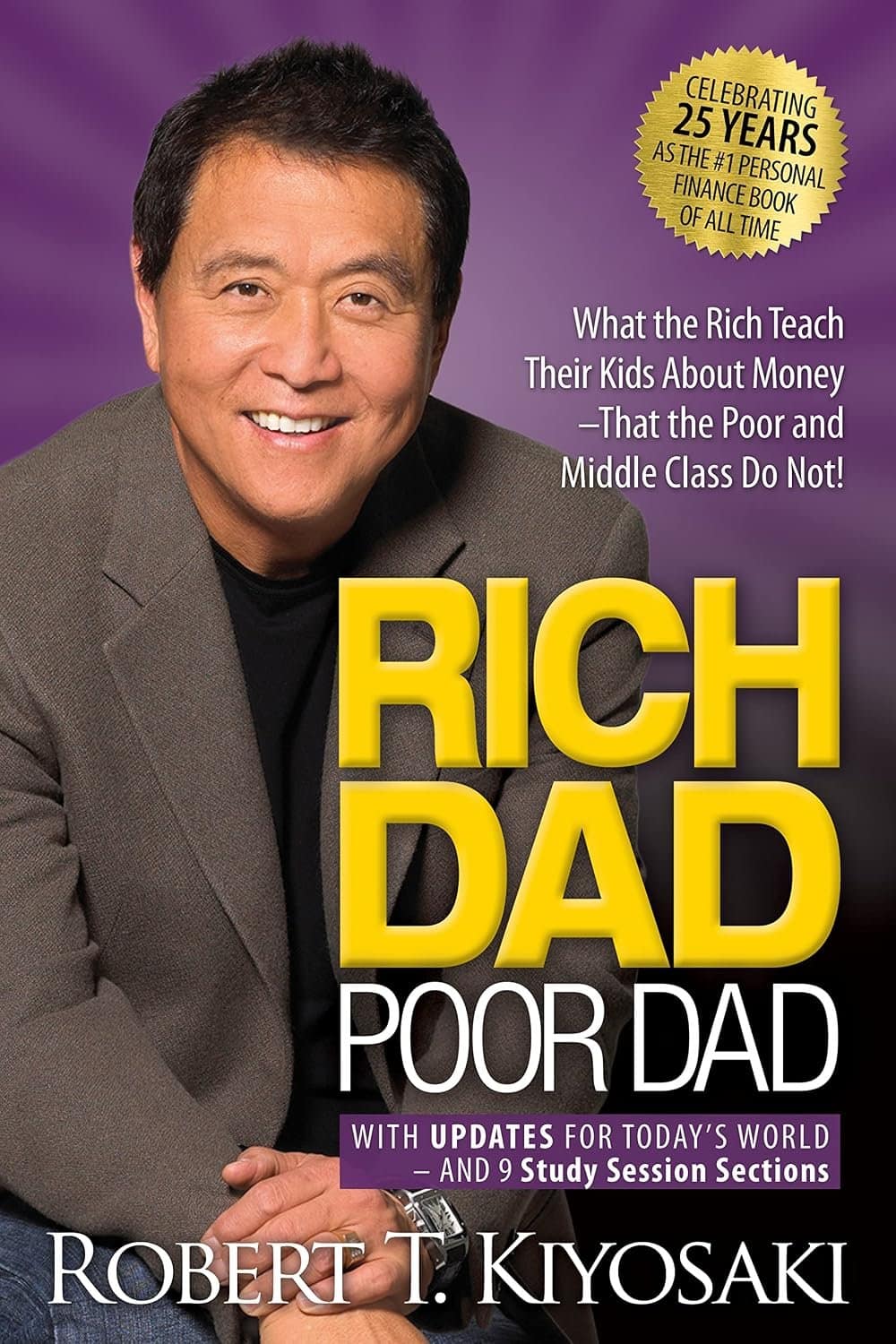
The core idea is simple: wealth comes from understanding which habits and structures actually generate cash flow, not from chasing flashy appearances. Rich Dad Poor Dad frames money as a skill you can learn, not a lottery ticket or a hustle myth.
Mindset shifts between assets and liabilities
The book argues for a practical focus on assets that produce income and a conscious limit on liabilities that drain cash, giving readers a clear strategy for financial service. Expect a straightforward mindset: think cash flow first, then style or status, so daily choices support long term security over short term bragging rights.
Financial education for wealth creation
Beyond big ideas, it emphasizes concrete financial education, habits like tracking net cash flow, understanding debt, and learning the language of money. The aim is to spot opportunities and avoid traps that quietly erode wealth.
| Pros | Cons |
|---|---|
| Clear dialogue about assets vs liabilities | Some readers may want more modern examples of how to earn wealth effectively. |
| Focus on cash flow and financial education | Casual tone can feel dated to some |
| Encourages proactive wealth-building mindset | Requires follow-through to see results |
Verdict: Choose Rich Dad Poor Dad when you need a practical mental shift toward assets and ongoing financial education as the engine of wealth.
📣 CHECK PRICE ON AMAZON
6. Think and Grow Rich by Napoleon Hill
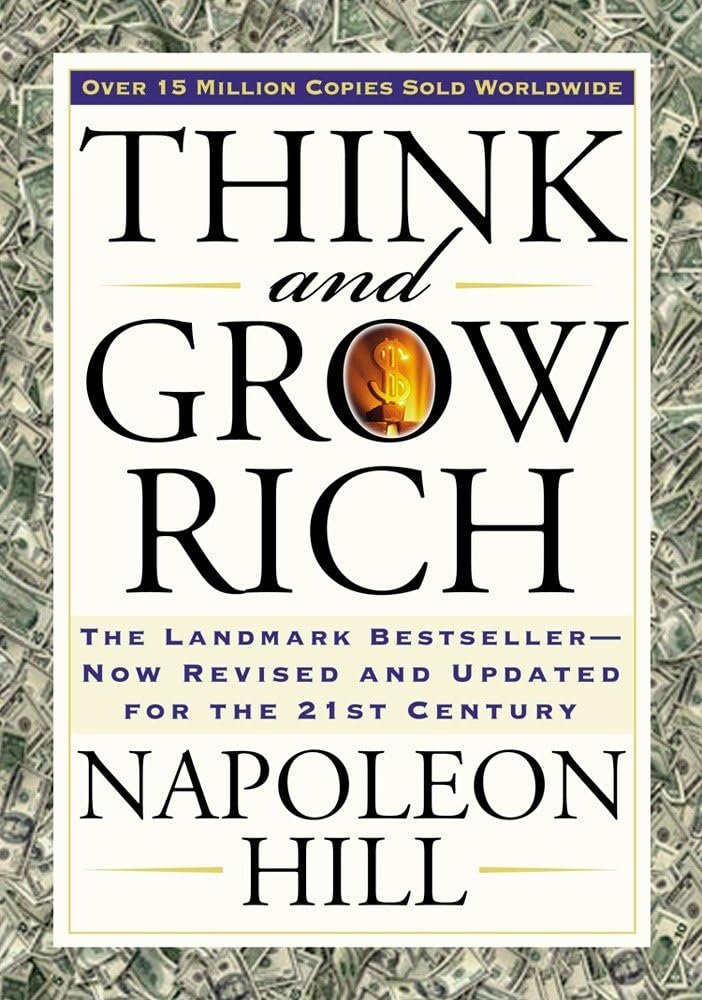
Thinking, Grow Rich speaks to a reader wondering how to align mindset with real wealth. The book treats wealth as a result of deliberate thought, steady action, and persistent belief, not luck or magic. The path it offers is practical, step by step, and repeatable.
Mentally conditioning for wealth
Hill sketches a chain of mental steps, from desire to faith, designed to keep you pointed toward your goals even when distractions rise, embodying the law of attraction. It’s about turning intention into a disciplined routine.
Goals, belief, and persistent action
Goals matter, but belief is what turns them into momentum. Expect a stubborn push toward progress, with prompts that help you measure success without waiting for a breakthrough.
| Pros | Cons |
|---|---|
| A structured approach to goal setting and follow-through can enhance your ability to achieve financial goals. | Some examples feel dated |
| Links mindset to tangible results | Requires steady self-discipline |
| Motivation through a clear process | Strategies may need adaptation for modern finance |
Verdict: Choose Think and Grow Rich when you want a disciplined, belief-driven framework that connects dream, plan, and action into a repeatable habit.
🚩 CHECK PRICE ON AMAZON
7. The Science of Getting Rich by Wallace D. Wattles
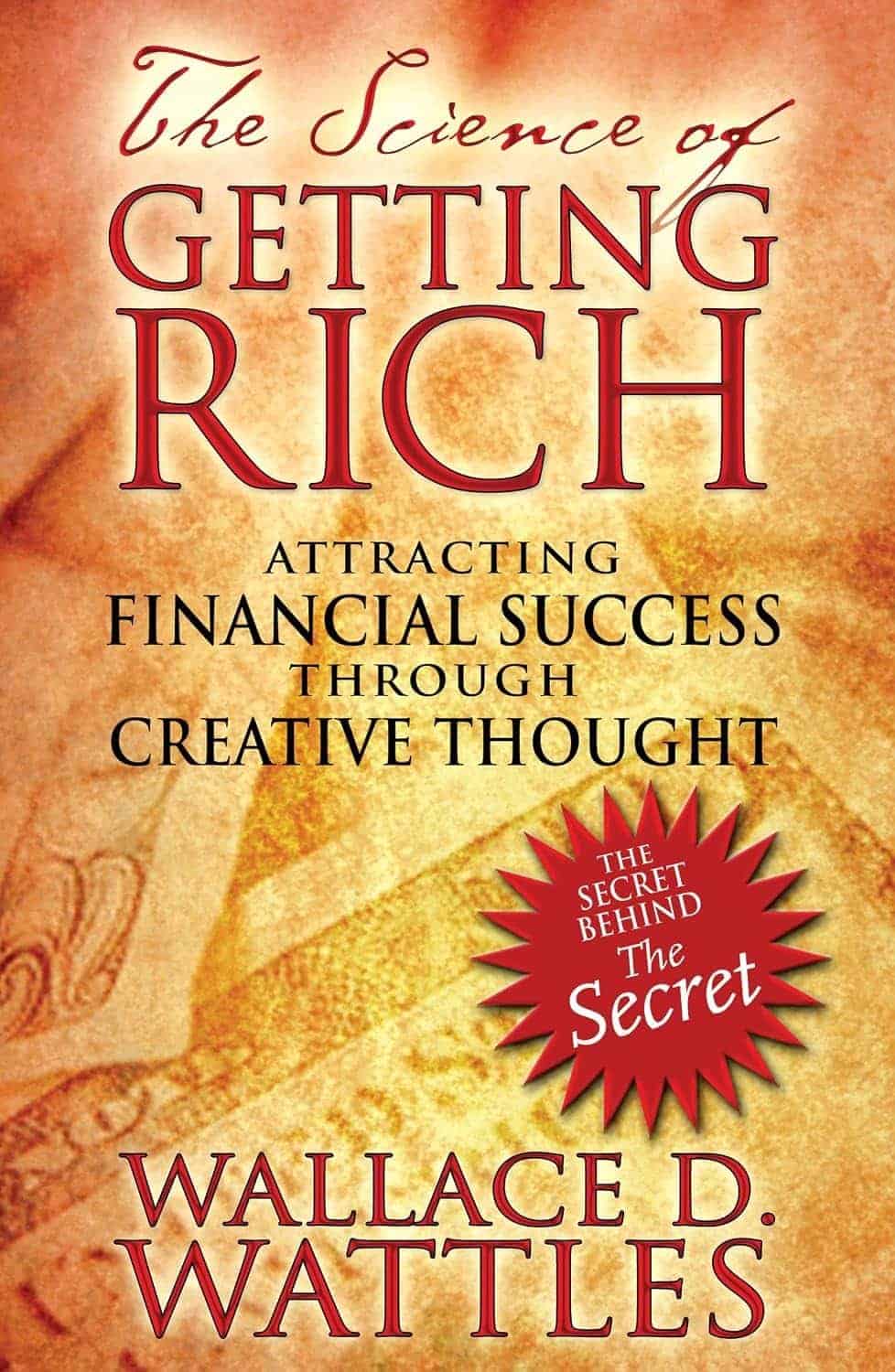
When you’re chasing a clearer path to wealth, this book lays out a straightforward idea: wealth comes from deliberate, creative thought that aligns with practical action. You don’t wait for luck or a big break; you start moving with purpose and keep the effort steady in everyday life, harnessing the power of intention.
Creative thought and deliberate riches
Wattles argues that thoughts set the stage for results when paired with consistent action. Expect clear intent, practical planning, and a bias toward constructive, repeatable work that fits real-world behavior instead of chasing abstract dreams.
- Links mindset to tangible action
- Promotes steady, goal-focused effort
- Encourages aligning thinking with practical habits
Practical steps to align with abundance
Look for repeats you can implement today: define the value you offer, commit to daily actions, and cut through bottlenecks created by fear or indecision. The idea is to turn thought into routines that compound over time, not rely on a single breakthrough.
Verdict: Choose The Science of Getting Rich when you want a disciplined framework that ties creative thinking to repeatable, practical steps for building wealth.