
Basic money management skills: 7 simple tips
Basic money management skills: 7 simple tips for achieving financial well-being. shows practical steps you can start this month to improve your finances. You’ll map income and expenses with a simple worksheet, then set up automatic transfers to a dedicated savings account to enhance your financial stability. Expect concrete actions like labeling subscriptions, trimming one small monthly waste, and creating a monthly budget that reflects real bills. The goal is steady, doable progress, not lofty promises. For example, if you earn $3,000 monthly, aim to save 5 to 10 percent by automating $150 to savings every payday.
Why small, consistent changes matter
Small, steady habits beat drastic overhauls. Saving a little each week or paying one bill on time creates a compounding pattern. In the first 90 days, you might slip once, then adjust by moving that amount into a sinking fund for irregular expenses like car repairs, ensuring your financial situation remains stable during job loss. This guide focuses on concrete actions you can take today to build financial security. A real-world example: paying a $45 monthly streaming bill on time can free up enough to progress toward a $450 emergency fund milestone within eight months.
1. Create a simple monthly budget
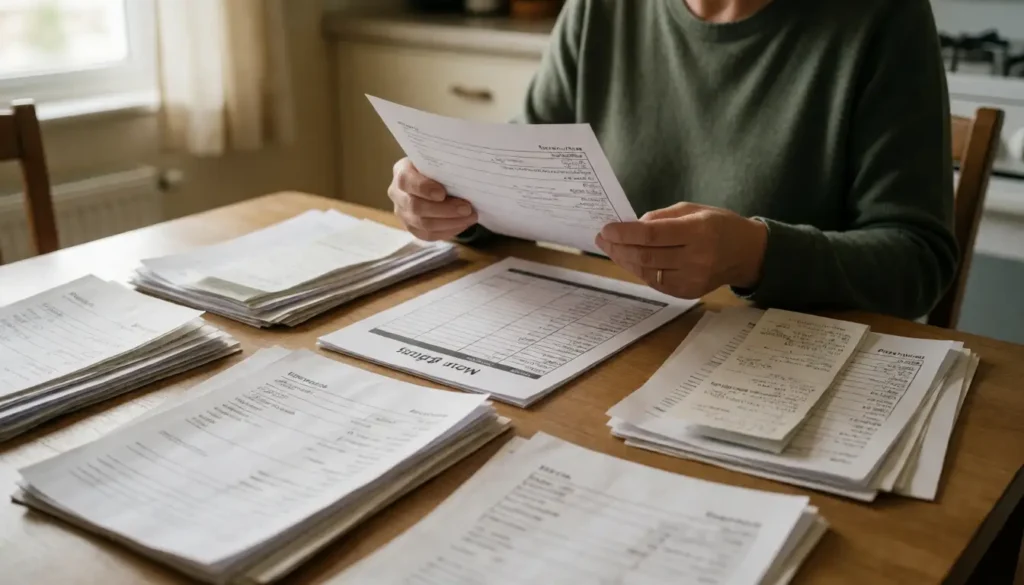
The first step to smarter money management is a practical budget. It doesn’t have to be perfect, just clear enough to guide your decisions toward financial independence. A simple monthly plan helps you see where your money goes and where you can save for short-term goals, allowing you to pay yourself first. This section covers how to map income, distinguish fixed and variable expenses, and set aside money for savings and debt repayment.
Track income and fixed vs. variable expenses
Start by listing all reliable income sources for the month, then categorize your spending into two groups:
- Fixed expenses you pay every month, such as rent or mortgage, utilities, and loan payments. For example, if your rent is 1200, note it as a constant block you must cover before anything else.
- Variable expenses that can change, like groceries, transportation, and entertainment. If you typically spend 350 on groceries, use that as your baseline and adjust with receipts.
Tips to track effectively with your financial institutions:
- Use one simple worksheet or a budgeting app to record all entries. Try apps that sync bank transactions to reduce manual entry.
- Review last month’s numbers to estimate this month’s totals more accurately. If December was high for dining out, plan a smaller restaurant budget in January to support your long-term financial health.
- Count every dollar you spend, including small purchases, to avoid surprises at the end of the month. Keep a mental note of impulse buys and set a 24 hour rule.
Allocate for savings and debt repayment
Build in what you want to save before you spend the rest. A small, regular amount beats waiting for a windfall. Prioritize debt repayment once your savings target is set, then reassess after three months.
- Set a monthly savings goal, even if it’s a modest sum, to reduce financial stress. Start with 5, 10% of income if possible to establish a strong financial foundation and pay yourself first.
- Allocate payments toward high-interest debt first to reduce overall costs. If you have an 18% card, tackle that before a 6% loan.
- Adjust other categories gradually to keep the plan realistic and sustainable for long-term goals. If weekly dining out disrupts your budget, swap one meal a week for home cooking.
2. Build an emergency fund
Why you need a safety net
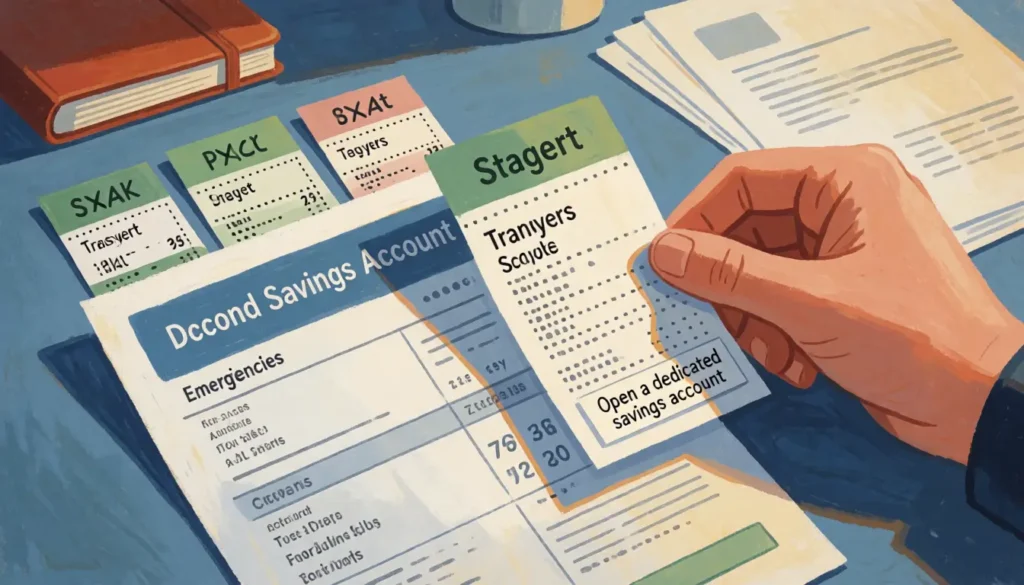
An emergency fund acts as a financial shield when sudden costs hit, like medical bills, car repairs, or a job gap. It helps you avoid high-interest debt and keeps your everyday life stable during rough times. A basic safety net also reduces stress because you know you can cover essentials without signing up for new debt.
How to start and grow it quickly
Start with a realistic target you can reach in a few months. Even small amounts add up fast when you stay consistent, contributing to your long-term financial health and stock investments.
- Open a dedicated savings account labeled for emergencies.
- Set automatic transfers on payday, so you don’t rely on willpower alone for financial independence.
- Aim for a cushion that covers 1, 3 months of living expenses and adjust as your situation changes.
Real-world example: if your monthly expenses are $2,000, a 3-month target is $6,000 for your financial situation to avoid interest payments. Begin by saving $200 each week, then increase the amount as you can. 💡
3. Track your spending regularly
Methods to monitor daily purchases
Regular tracking keeps you honest about where money goes. Try these practical methods you can start this week.
- Use a single app or notebook to log every purchase, big or small, for at least 30 days to track your financial situation. For example, record a coffee, a bus fare, and a big grocery run in one place with a quick note on why you bought it.
- Review receipts weekly and categorize costs by essentials, wants, and occasional buys. Add a line item for small impulse purchases you might skip next week.
- Set a simple rule like no cash beyond a set limit to curb impulse buys. If you reach the limit, pause non essential spending until the next day.
Identifying patterns and cuts
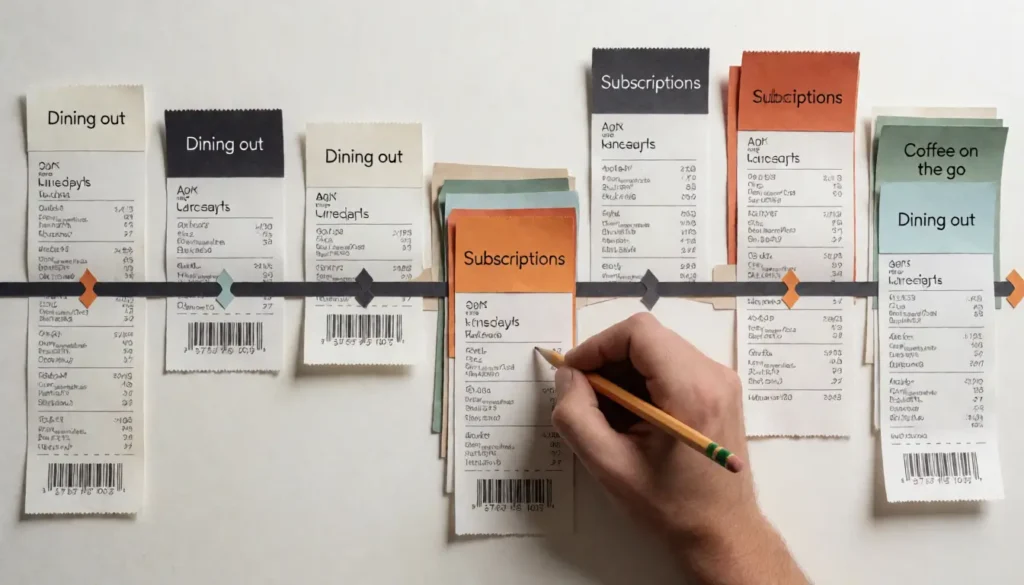
Patterns reveal the easy wins that can improve your financial well-being and help you take control of your financial future. Look for where money leaks and where you can trim without hurting your lifestyle. Imagine you notice daily latte runs; you can swap 3 of 5 days to homemade coffee.
- Circle recurring subscriptions you rarely use and consider canceling or pausing. If a service costs $12 monthly and isn’t used, remove it and redirect $144 yearly to savings.
- Spot high daily costs, such as takeaway coffee or snacks, and swap some days for homemade versions. A $3 drink for 20 workdays becomes a $0.50 homemade option, saving about $50 monthly, which can go toward your retirement savings.
- Track monthly totals by category to see which area carries the biggest share of your budget. If dining out tops the list, experiment with a two-week dining-out cap to improve your personal finance skills.
| Category | Typical monthly spend | Potential cut | Notes |
|---|---|---|---|
| Dining out | $200 | $50-$100 can be a good starting point for managing your everyday money. | Batch cook on Sundays to reduce midweek meals and promote financial success. |
| Subscriptions | $30 | $0-$15 | Share plans or pause unused services to manage your money wisely. |
| Coffee on the go | $60 | $20-$40 | Brew at home on weekdays |
4. Pay bills on time
Automate payments
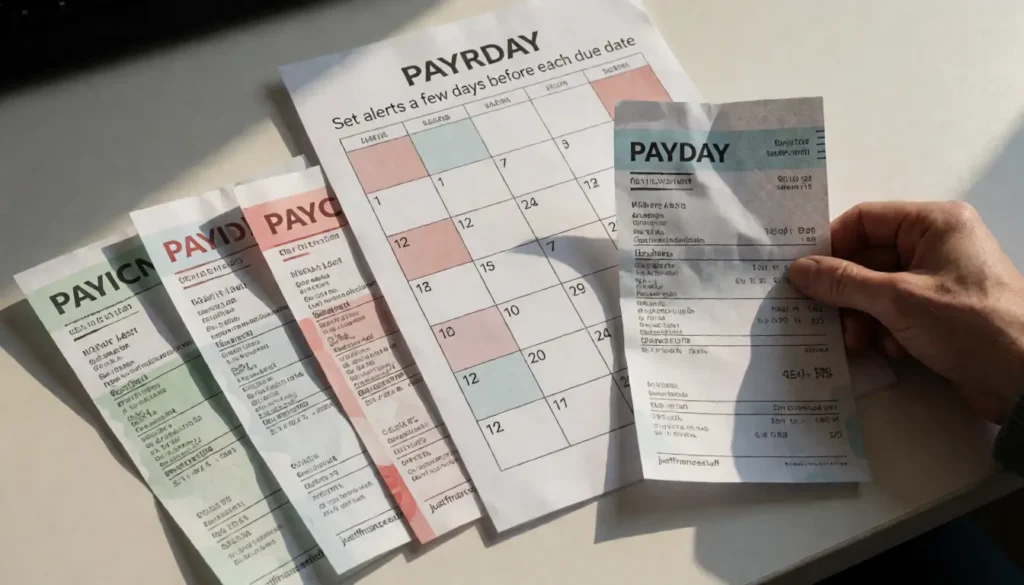
Automatic payments help you manage your money and stay on track without daily reminders, ensuring your financial safety net remains intact. They reduce the chance of missing due dates and keep your payment habits steady. For example, when both rent and a streaming service hit your account on payday, auto pay helps them land in time, reducing financial stress.
- Link your bills to a single payment source to avoid missed charges from scattered accounts.
- Choose payments that align with your payday so funds are always available for managing debt effectively.
- Review automated transfers quarterly to catch any changes in due dates or balances.
Avoid late fees and interest charges
Paying on time saves money and protects your credit, which is crucial for your financial stability. Late fees can pile up, and interest on revolving debt can grow fast if you slip up. If a payment is just 2 days late, a fresh fee can add to next month’s charges.
- Set alerts a few days before each due date to buy yourself breathing room.
- Prioritize high‑interest accounts if you must choose which bill to pay first to protect your credit score.
- If cash is tight, call providers to ask for a grace period or a flexible plan before a due date passes, ensuring better control of your financial future.
| Aspect | Why it matters | Practical tip |
|---|---|---|
| Timing | Timely payments protect your credit score and long-term financial health while avoiding penalties. | Match due dates with your paydays |
| Automation | This approach reduces human error and missed bills, contributing to better management of everyday money. | Set up auto‑pay for fixed amounts |
| Reminders | Provides a safety net for variable balances, ensuring better management of personal finance. | Use calendar alerts or a budgeting app |
5. Prioritize debt management
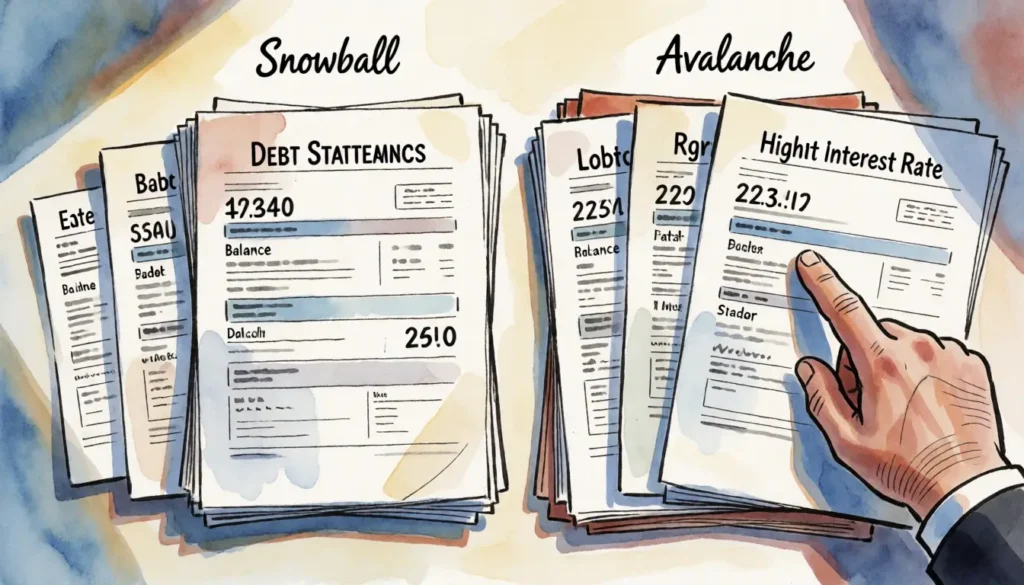
Debt shapes how your money behaves month to month. If you want more financial freedom, start by sorting debts into essential and non essential categories. This helps you decide what to pay first and what to pause if needed. The goal is fewer interest costs and a clearer path to your financial plan.
How to tell essential from non essential debt
Essential debt covers things that protect your future or meet basic needs, like a mortgage with a fair rate or a student loan that unlocks a degree. Non essential debt often comes from everyday spending or high interest, like maxed out credit cards. A practical test: would you still borrow this if the item could wait six months? If yes, it’s non essential.
- List each debt with its balance, rate, and due date to manage your money effectively and make informed financial decisions.
- Highlight the debt with the highest interest rate if you must decide quickly.
- Consider consolidating or refinancing when a lower rate is clearly available.
Snowball vs. avalanche strategies explained
Two common methods help you pay down debt more efficiently, contributing to your overall financial stability. Pick the one that fits your psychology and cash flow, not just the math. Here are quick scenarios to test your choice:
- Snowball: you get a small win quickly by paying off the tiniest balance of your credit card debt, then you move that payment to the next smallest. Imagine you have three cards with 200, 800, and 3,500. Paying off 200 first gives a fast celebration and momentum for the 800 and 3,500 cards.
- Avalanche: you attack the 18% card first to minimize interest over time. If you have a car loan at 5% and a store card at 22%, you’d tackle the 22% card first even if it’s not the smallest.
| Strategy | How it works | Best for consulting with a financial advisor to optimize your financial decisions. |
|---|---|---|
| Snowball | Pay off the smallest balance first, then roll that payment into the next smallest, and so on | You need quick wins to stay motivated |
| Avalanche | Pay off the highest interest rate first to reduce overall interest cost and improve your financial resources. | You want to minimize total interest over time |
Real-world note: if your smallest debt is a low balance but stubborn to pay off, the snowball can keep momentum. If you carry several high-rate cards, the avalanche cuts total interest faster and leaves you with cleaner monthly payments.
Practical steps to get rolling this month
Start with a concrete plan you can actually follow to improve your financial well-being. Here’s a simple 4-week action schedule to enhance your financial education.
- Week 1: gather all statements, label essential vs non essential, and pick a strategy.
- Week 2: negotiate lower APRs or set up automatic payments to avoid late fees.
- Week 3: create a weekly check-in to track progress and adjust as needed.
- Week 4: consider a low-interest consolidation loan if your combined rate is high.
6. practice needs vs. wants

money management starts with a sharp line between what you must have and what you could live without. That separation frees money for savings or debt payoff while still covering daily needs. Here’s how to make that distinction real.
Decision rules for purchases
- Ask yourself if the item is essential for daily function or long term goals, or if it’s a discretionary treat that can wait.
- Set a 24 to 72 hour waiting period for non essential buys to curb impulse purchases. For example, if you want a new gadget, sleep on it and revisit next day.
- Compare the item’s cost to your monthly savings target. If buying it would delay three to four weeks of emergency savings, skip it.
Reallocating discretionary spending
- Track every small expense for a month to see how snacks, coffees, and micro upgrades add up.
- Redirect a portion of that money into an automatic transfer to a savings or retirement fund. Example: move 10 dollars a day into a high yield savings account.
- Try a no-spend week on non-essentials and measure the impact on your progress toward long-term goals, then adjust the plan accordingly.
| Aspect | Why it matters | Practical tip |
|---|---|---|
| Needs vs. wants | Prioritizes essentials and frees up cash for goals | Label purchases as N or W before buying |
| Discretionary reallocation can enhance your financial success by optimizing your budget. | Builds a stronger safety net and faster progress toward goals | Set a fixed monthly cap for discretionary spending |
7. automate saving and investing
Automating your money makes saving and investing almost invisible, but very effective. It removes the small decisions that derail progress and keeps money flowing toward your goals. Here’s how to set it up and start strong.
Set up automatic transfers
Link your checking to a savings or investment account and schedule transfers right after each payday to bolster your retirement savings. The auto-transfer habit ensures you save before you can spend it. 💡
- Choose a fixed amount or a percentage of income to transfer each month.
- Set transfers to occur on the same day you receive income for consistency.
- Separate accounts for emergencies, retirement, and other goals reduce temptation to dip into savings.
Start with small, regular contributions
Beginning with modest, steady inputs builds momentum without stressing your monthly budget. Even $25 or $50 per pay period can add up over time. ✅
- Increase contributions gradually as your situation improves or debt falls.
- Pair automatic contributions with goal timelines to stay motivated and increase your income.
- Reassess annually to keep pace with cost of living and earnings changes.
| Approach your financial challenges with a mindset focused on financial literacy and education. | Why it helps | Practical tip |
|---|---|---|
| Automatic transfers | Ensures consistent saving discipline | Schedule after every payday and confirm the transfer completes within 1 business day to manage your money effectively. |
| Small initial contributions can build a strong financial foundation for future investments. | Lowers barrier to start and grows over time | Choose a realistic starting amount, set a review every 3 months, and increase annually |
FAQ
What is a practical starting budget?
A practical starting budget aligns with your real income and essential expenses. Start by tracking every penny for one month, then allocate funds to housing, food, transport, and utilities first. Include small, recurring costs you might overlook, like streaming subscriptions or gym fees. For example, note a $15 monthly app charge and a $60 transit pass you pay without thinking to better manage your financial resources. The plan should be workable, not perfect, so build in a 5, 10% buffer for surprise costs.
How much should I have in my emergency fund?
Start with one month of living expenses in your checking account and aim for three to six months over time to enhance your retirement savings. If you have dependents or irregular income, push toward four to six months sooner to strengthen your financial safety net. In practice, a single earner with a $3,000 monthly outlay should target $3,000 initially, then move toward $9,000, $18,000 as stability grows, possibly through mutual funds or a line of credit. Reassess annually or after big life changes.
When is it time to consult a professional?
Call in a professional when credit card debt stacks get large, you can’t map savings to long-term goals, or you face complex plans like retirement accounts or taxes. A financial advisor can help with a formal plan, investment basics, and tax-smart moves. If you’re unsure about asset allocation or debt repayment order, a short session on financial education can clarify next steps and prevent costly missteps.
Conclusion
Recap of 7 tips
money management is built on steady habits you can keep. The 10 tips offer a practical path: a simple budget, an emergency fund, tracking spending, paying bills on time, clear debt strategies, distinguishing needs from wants, automating savings and investing, and concrete financial goals. Together, they strengthen your financial health and create real momentum over time. 💡
- Create a simple monthly budget and track income
- Build and grow an emergency fund with a fixed monthly target
- Regularly monitor your spending using a free app or spreadsheet
- Pay bills on time to avoid late fees and interest
- Use a debt snowball or avalanche plan to reduce balances
- Differentiates needs from wants with a quick daily check
- Automate saving and investing to reduce decision fatigue and achieve financial independence.
- Set realistic financial goals with deadlines and milestones
- Review and adjust your plan quarterly
- Ask for professional guidance when needed
Encouragement to start today
Pick one actionable step today. For example, set up a $20 weekly automatic transfer to savings or log all income and expenses for this week. If you stay consistent for 90 days, you’ll notice a real shift in your financial security and foundation. Small, steady moves beat big plans that stall. ✅