
Understanding mindsets and their impact on outcomes
Small shifts in thinking can steer big results. How you view money, learning, and opportunity shapes your choices and, in turn, your life. This article uses clear examples to show how a rich mindset and a poor mindset think differently about risk, growth, and wealth.
Think of mindset as a pair of lenses that can either reflect an abundance mindset or a scarcity mindset. One helps you spot options, plan for the long term, and take measured steps. The other makes you miss chances, fear risk, and focus on what you lack. Your daily actions flow from those beliefs.
What qualifies as a rich mindset vs a poor mindset
Most people can spot the big signs, but the specifics matter. Here is a quick snapshot of how they diverge:
| Aspect | Rich mindset | Poor mindset |
|---|---|---|
| Relationship with money | Sees money as a tool to grow wealth | Sees money as something to spend or fear |
| Approach to learning | Continual learning and skill building | Comfort with the status quo |
| Time use is critical; those who waste time complaining miss opportunities for improvement. | Leverages time for long-term gains | Wastes time or procrastinates |
| Risk view | Calculated risks to accelerate goals | Avoids risk and waits for certainty |
In short, a rich mindset aims to build wealth through smart actions, while a poor mindset often leads to zero-sum thinking. poor mindset focuses on short-term relief and fear, which is often the mindset of poor people. The next sections dig into why these differences matter and how to shift your thinking. 💡
Relationship with Risk and Opportunity

Seeking opportunities and calculating risk
Rich mindset people see opportunities where others see gaps, a trait commonly found in wealthy people. They pause just long enough to estimate potential rewards and then move. They understand that smart risk often leads to growth, not ruin. 💡
In practice, they use a simple rule: weigh potential gains against the cost of mistakes, then pick options with a favorable upside and a clear downside. A real-world example: someone buys a small rental in a growing area, runs the numbers, and tests with a short-term lease first to limit exposure.
- Look for assets that generate cash flow, not just flashy purchases
- Run numbers on long-term returns, not quick wins, which is a strategy rich people think is essential for building wealth.
- Assign a clear plan for exit or adjustments if things don’t go as hoped
Avoiding risks due to fear or scarcity mindset
Many people with a poor mindset view risk as a trap. They avoid opportunities, and fear of loss stops them from starting. This is common when scarcity thinking is loud.
What happens next is predictable: options slip by, and growth stalls. A healthier approach is to separate the emotion from the data, understanding that the universe is indifferent to your feelings. Build a small, deliberate experiment plan rather than leaping or freezing.
- Set a low-stakes test to try an idea
- Limit losses with a clear stop and a fixed budget
- Document lessons to improve the next choice
Mindset About Learning and Growth
Continual learning and skill development
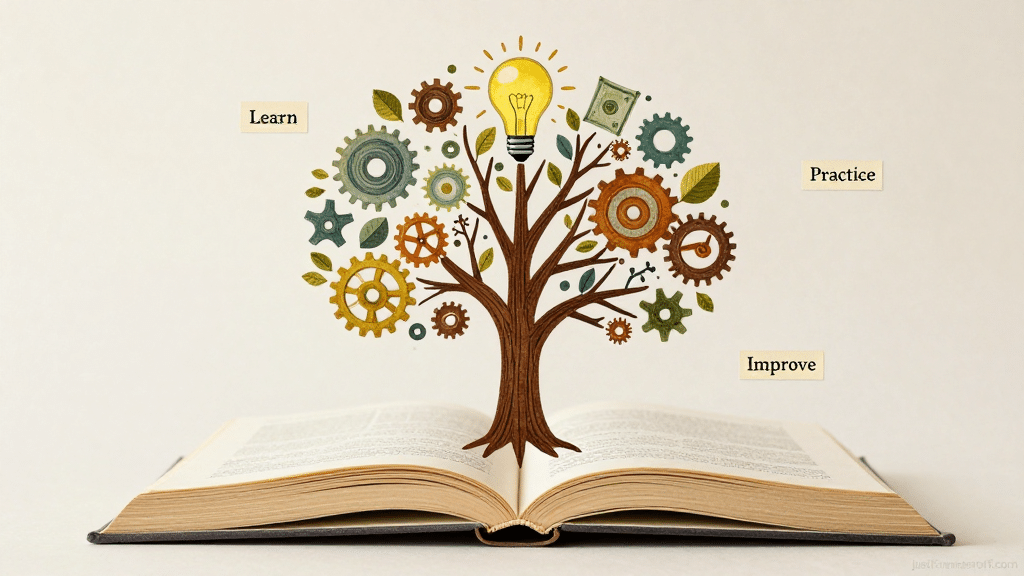
People with a mindset understand that the first step to financial freedom is to educate themselves about their options. rich mindset treat learning as a daily habit. They chase new skills, not just upgrades to old ones, as wealthy people do, keeping their value growing over time. 💡
They break learning into small, steady steps: read, practice, and test ideas in real life, then adjust based on results. They also seek mentors or peers who push them to improve.
- Set a realistic 30-day learning goal for a new skill
- Track progress with a simple journal or checklist
- Turn mistakes into quick experiments, not failures
Fixed mindset and resistance to change
A poor mindset clings to what they already know, a mindset that poor people often exhibit. They fear new methods and admitting gaps in knowledge. This stalls growth.
They often justify staying the same with excuses, keeping old habits and outdated practices. When the world moves fast, resistance costs opportunities over time, highlighting the opposing perspectives between rich and the poor.
- Ask one question a day that challenges your routines
- Try a new tool or method weekly, even if imperfect
- Label fear as data to learn from, not a cue to quit
Time, Productivity, and Action Orientation
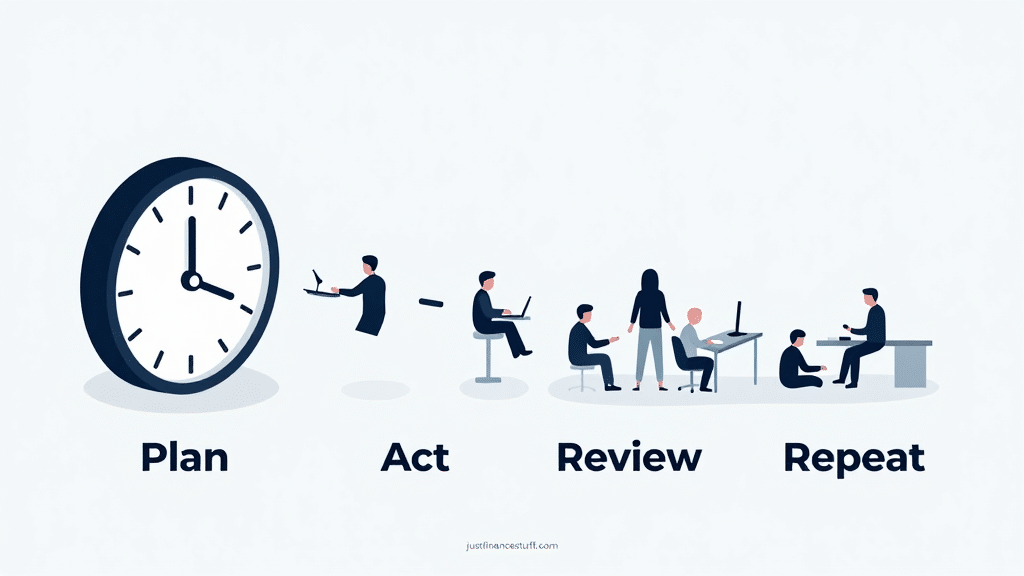
Action-oriented behavior vs procrastination
rich mindset people act promptly. They turn ideas into small bets and test fast, recognizing that the world isn’t fair and adapting accordingly. poor mindset folks delay, hoping for perfect conditions, and miss early momentum.
In real life, this looks like choosing a doable next step today instead of waiting for a perfect plan tomorrow. A quick decision can reveal new data, which then guides the next move. Think of launching a tiny side project and learning from the first month rather than waiting years for perfect certainty.
- Set one concrete action for today
- Limit the time you spend planning before you start
- Review results and adjust, not excuses
Time as a resource to leverage for wealth creation
Time is money if you use it right. Those with a poor mindset understand that it cannot be solely about immediate gratification. rich mindset treat time as a scarce resource to be multiplied, not wasted. They pace work to build momentum over months and years, not hours or days alone.
Common patterns include batching similar tasks, focusing on high-leverage activities, and trimming low-value tasks. A small shift, like delegating a repetitive task or automating a routine, can free hours for bigger results, a principle rich people think is crucial for success.
- Batch similar work to save setup time
- Prioritize activities that compound over time, such as learning or investing
- Use a simple weekly plan to keep long-term goals in sight
Asset Creation and Financial Habits
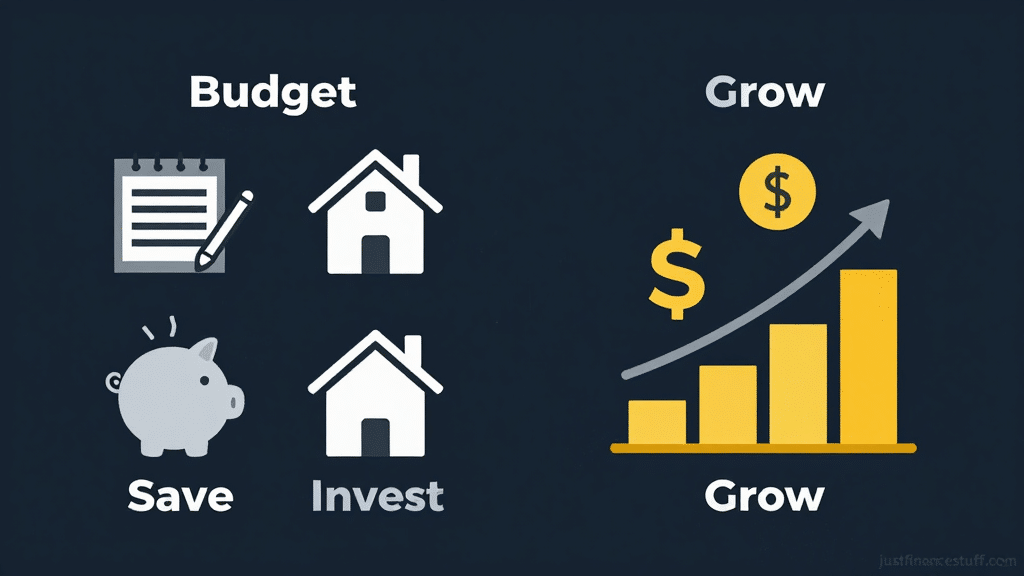
Focus on cash flow, assets, and long-term wealth
rich mindset people prioritize assets that generate cash flow. They want money that repeats itself over time, not just a one-time payoff; this mindset understands that the first step is to invest wisely, which is a key difference between rich and poor. This is how net worth grows steadily, not by luck or big bets alone. They think long term and plan for passive income streams that compound, a strategy often employed by wealthy people.
A simple example: a small apartment building that rents every month, plus a plan to refinance later to fund more properties. This approach relies on steady, measurable returns and a clear exit strategy.
- Identify assets that pay you back regularly
- Prefer income-producing real estate, bonds, or dividend stocks
- Track long-term growth, not quick hits
Spending habits that erode wealth vs those that build it
Common mistake: treating money as a source of immediate pleasure rather than a tool for future security. A poor mindset spends first and saves what’s left, if anything, which often leads to a life of leisure rather than financial independence. That habit chips away at wealth over years.
In contrast, a rich mindset spends with purpose and prioritizes investments. They separate needs from wants and automate savings before spending on discretionary items. This creates a steady path toward wealth.
- Automate 10-20% of income into investments or escrow for future needs to build wealth like rich people do.
- Label every purchase as either an asset or a liability
- Set monthly review goals for debt, savings, and investment progress
Perception of Obstacles and Problems

Problem-solving orientation and resilience
Rich mindset people see problems as puzzles to solve. They look for root causes, test small fixes, and learn quickly from results. This keeps them moving forward and expanding their knowledge. A Poor mindset often treats problems as proof that they should quit, which slows progress and drains momentum.
- Ask a focused question such as what caused this and what can I change today
- Try one small fix first, then measure the outcome
- Share what you learned to help others and keep momentum
Obstacle-focused thinking and blame-shifting
Many people with a Poor mindset blame others or luck when things go wrong. They miss chances to adapt because they expect the world to adjust to them. A Rich mindset shifts blame away from people and toward systems, processes, and choices that can be improved. This helps them stay proactive after setbacks.
- Identify what you can control and change it first, recognizing that the universe is indifferent to your circumstances.
- Document lessons from the setback to avoid repeating them
- Build a simple contingency plan for the next hurdle
Social Circle and Influence
Surrounding oneself with growth-minded individuals
People with a rich mindset understand they rise with the company they keep. Surrounding yourself with growth-minded individuals pushes you to learn more, try new ideas, and stay accountable. A few honest conversations can spark new plans and shorten the path to wealth.
A simple scenario: you join a small mastermind group where members share real progress, not excuses. That environment makes you test ideas, track results, and celebrate actual gains, not just intentions, which is a perspective rich people think fosters success.
Impact of environments on beliefs about money
Your surroundings shape what you believe about money, risk, and opportunity. In a scarce or poor mindset environment, people often normalize debt or quick wins. In a supportive, abundance-oriented space, long-term goals and steady investing feel natural.
Consider a workplace where peers discuss learning new skills, market trends, and side projects. That atmosphere nudges you toward investing, budgeting, and planning for future assets rather than only chasing immediate rewards.
- Seek networks that share progress, not perfection, to build trust and respect among peers.
- Attend events that focus on learning, investing, and long-term growth
- Limit time with critics who dampen ambition or teach excuses
FAQ
What is the main difference between a rich mindset and a poor mindset?
The main difference is how each group views money, risk, and growth. A rich mindset focuses on long-term wealth building, learning, and taking calculated risks. A poor mindset tends to see money as scarce, blames external factors, and fears risk.
Is wealth mindset the same as financial literacy?
Not exactly. Financial literacy is knowing terms like investing, bonds, and compounding. A wealth mindset uses that knowledge to act consistently, build assets, and pursue ongoing goals.
Can someone change from a poor mindset to a rich mindset?
Yes, this aligns with the abundance mindset that wealthy people often adopt. Change happens when you shift beliefs about money, start small, and adopt steady habits. It takes time, but consistent actions matter more than big, one-off wins; this mindset understands that successes are improbable without dedication.
What are common mistakes people make when trying to shift mindsets?
- Expecting fast results without building habits
- Trying to imitate others without a personal plan
- Underestimating the power of small, regular investments
How do risk and opportunity differ between mindsets?
People with a rich mindset take calculated risks to grow wealth, while those with a poor mindset avoid risk even when the potential payoff is clear. The key is balancing risk with research and a plan.
Conclusion
The core idea is simple: a rich mindset treats money as a tool to build lasting value, while a poor mindset often sees money as something to guard or chase in the moment. Recognizing these mindset differences helps you spot your own patterns and choose actions that grow wealth over time.
Here are practical takeaways to apply today:
- Focus on long-term goals and steady progress, not quick wins.
- Move toward calculated risks by researching before investing in assets like real estate, bonds, or stocks.
- Cultivate learning habits and surround yourself with people who push you to grow, as reputation is everything in the journey to success.
In short, a wealth mindset comes from consistent actions, a constructive view of obstacles, and a plan that uses money to expand opportunities for yourself and others. The world isn’t perfectly fair, but deliberate choices can still compound in your favor.