

Why money mindset matters: setting the stage for financial literacy
money mindset Your money mindset shapes how you think about money, the choices you make, and how you respond to financial stress when it comes to money. When money feels scarce, it can push you toward overspending or avoiding planning. Seeing money as a tool, on the other hand, makes clear financial goals and steady progress more likely. This section lays out why understanding your mindset is the first step toward practical financial literacy and financial success.
Your beliefs also explain your daily habits, from spending patterns to budgeting routines, and why they lead to bigger outcomes like steady wealth or financial stability. Aligning your money beliefs with concrete skills helps you move from thinking about money to making solid money decisions.
Key idea: your mindset drives behavior, and behavior shapes results. By identifying your relationship with money, you can improve your money mindset. money scripts and taking small, doable steps, you can boost your financial well-being This strategy can lead to financial success over time. That’s how you turn financial thinking into real money results.
The relationship between psychology and financial behavior
Emotions often drive money choices. Fear, guilt, or optimism can push you toward or away from saving, debt, and investing. Understanding this link helps you spot patterns that hold you back and realise your potential for financial success.
Think of psychology as the bridge between what you feel and what you do with money. Pausing before big purchases reduces impulsive decisions and moves you toward healthier budgeting and financial planning.
Core beliefs about money: origins and impact
Where money beliefs come from (family, culture, experiences)
Your money story starts long before you think about budgets. Parents, siblings, and teachers show you how to handle cash, debt, and risk. The culture you grew up in shapes what feels normal or ambitious with money. Small moments, like an allowance or a bill arrival, fuse into a script you carry into adulthood. These beliefs quietly guide choices, often without you noticing.

Common sources to consider include:
- Family money habits and attitudes toward spending
- Cultural norms about wealth, generosity, and debt
- Personal experiences with windfalls, losses, or financial stress
How early scripts influence spending, saving, and investing
Early money scripts set a default tone for how you act when money comes and goes. If you heard “save for a rainy day” or “money is earned with hard work,” your actions tend to mirror those lessons. That means your spending pace, saving discipline, and willingness to take investment risks often echo your first teachings.
| Early script | Likely behavior | Potential for adjustment |
|---|---|---|
| Money is scarce | Hoarding and avoidance of bills can negatively impact your relationship with money. | Shift with clear goals and budgeting practice |
| Money equals status | Overspending on appearances can hinder your personal finance goals. | Align with tangible goals and needs |
The psychology of money: mindset types and decisions
Abundance vs scarcity mindsets and financial choices
Your view of money shapes your actions. An abundance mindset treats money as a flexible tool you can grow, which supports purposeful saving, thoughtful investing, and measured risk. A scarcity mindset makes money feel limited, often leading to hoarding, hesitation, and missed opportunities. The lens you use now can steer how you plan, spend, and save, and it can shift as you practice new habits. 💡
If you notice a fixation on limits, try turning big goals into small, concrete steps, such as a monthly savings target or a clear debt payoff plan. This shift moves you from worry to action, aligning with healthier financial decisions and progress toward financial goals.

How emotions drive money decisions and risk tolerance
Emotions carry real weight in money choices. Fear can keep you out of investing, while optimism might push you into quick bets. Naming these feelings helps you pause before big purchases and assess risk more clearly. ⚠️
Pair emotions with facts to steady your responses. When you feel an urge to buy, pause, compare prices, and set a 24 hour cooling-off period. This keeps your money mindset grounded in reality and supports steadier spending habits and overall financial literacy.
Financial literacy as a skillset: knowledge you need
Budgeting, saving, and debt management fundamentals
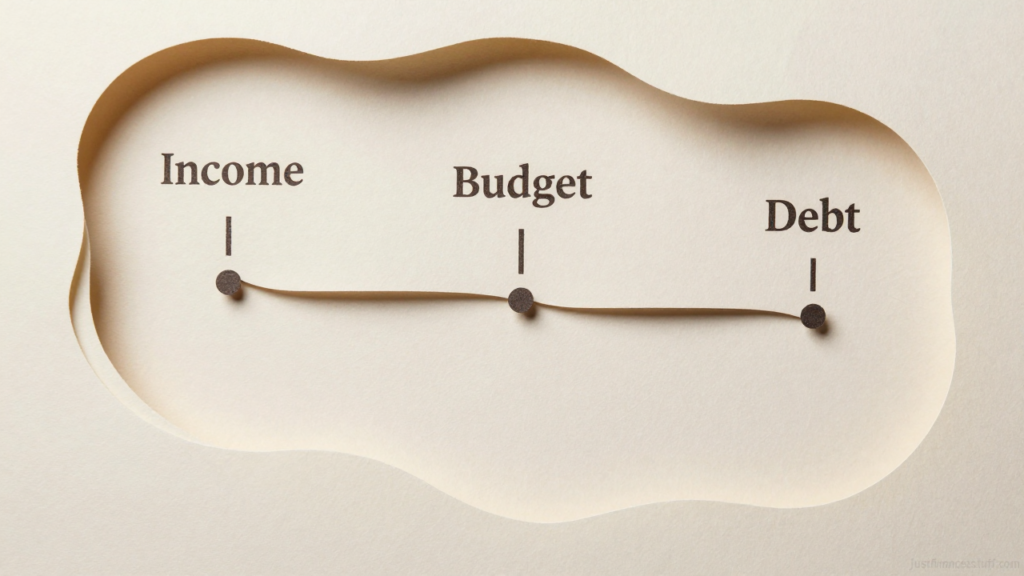
Knowing the basics helps you act with purpose. Start with a simple plan: track income, set a monthly budget, and pick a small savings goal. Small, repeatable steps turn intentions into progress.
- Budgeting basics: distinguish needs vs wants, assign a dollar amount, and review weekly.
- Saving fundamentals: automate a regular transfer even if it is small.
- Debt management: know interest rates, minimum payments, and payoff timelines to avoid traps.
Investing basics, rates, and compound growth concepts
Investing doesn’t have to be scary. Grasp the core ideas: how interest works, what a rate means for your money, and why time plus consistency grows wealth over years.
| Concept | What it means for you | Simple example |
|---|---|---|
| Interest rate | How fast your money earns more money | 5% on $1,000 adds $50 per year |
| Compound growth | Earnings generate more earnings over time | Reinvesting returns accelerates growth |
Understanding these pieces helps you see how choices today connect to a sturdier financial future. With solid literacy, you make clearer costs, better saving plans, and smarter bets on growth. 💡
Rewriting your money script: practical strategies
Identifying limiting beliefs and replacing them with actionable beliefs
Your money script is the internal story you replay about money. Start by spotting thoughts like “I can’t save” or “wealth isn’t for people like me.” Label these as beliefs, not facts, and shift your mindset. Then test them with a simple replacement: “I can save a little each week and grow my financial stability.”

Turn a belief into a tiny, concrete action, track the result, and adjust. This shift turns vague worries into measurable progress, which is exactly what strengthens your financial literacy and daily money decisions.
Structured exercises to retrain money habits
- Walk through a 7-day spending diary to reveal bias, then set one realistic target for each day.
- Create a 30-day habit plan: automate a small transfer, review one expense, and celebrate consistency.
- Pair goals with reminders: if your goal is to save for a cushion, set prompts that nudge you toward cheaper choices.
| Exercise | Purpose | What to watch for |
|---|---|---|
| Spending diary | Uncover impulsive patterns | Notice spikes after certain moods or days |
| Automated transfer | Build money habits without effort | Ensure the amount is sustainable |
Habits that build financial confidence
Track spending, set realistic goals, and create accountability

You can’t improve what you don’t measure. Start by recording every purchase for a month to see where money actually goes. Then set goals that are specific and achievable, like saving a fixed amount each week or paying down a small debt. Accountability helps keep you on track, and sharing your plan with a trusted friend or family member can boost consistency in your personal finance journey. 💡
Real-world example: after noticing a jump in dining-out costs around paydays, someone caps meals to twice a week and logs each one. Within a month, they move closer to a solid emergency fund, showing how small, honest tracking builds money confidence.
Automate processes and build consistency over time
Automation reduces the friction that ruins good intentions. Set up automatic transfers to savings, debt payments, and bill payments so you act even when motivation dips. Over time, this steady practice compounds, strengthening your financial foundation. ✅
Mini scenario: schedule a $50 monthly transfer to savings on payday. After a year, that quietly totals $600 saved without extra effort, helping you feel in control of your money.
| Habit | Why it helps | Good starting target for your personal finance goals. |
|---|---|---|
| Track spending | Reveals patterns and biases | 1 month diary of every purchase |
| Set realistic goals | Turns vague wishes into doable steps | Save a fixed amount weekly to improve your money mindset. |
Tools and Resources for financial literacy
Recommended literacy resources, calculators, and learning paths
Building a strong money mindset starts with reliable learning. These tools help you understand concepts and track progress.

- Official budget templates and basic guides from trusted banks and educational sites
- Interactive calculators for loan payments, mortgage affordability, and retirement projections
- Structured learning paths that combine short lessons with practical exercises
When to seek professional guidance and how to choose a financial advisor
Professional help can clarify complex choices and keep you on track toward your goals. Look for guidance that fits your needs and comfort level.
- When to seek help: persistent debt, planning for retirement, or significant life changes like a new business or inheritance
- What to ask a potential advisor: credentials, fee structure, and whether they provide a written plan
- Choosing wisely: prefer fee-based planners who disclose conflicts of interest and offer transparent performance history
| Tool type | What it helps with | Best-use example |
|---|---|---|
| Budget calculators | Estimate expenses and savings pace | Plan monthly cash flow with a realistic savings target |
| Debt payoff calculators | Show how extra payments affect payoff time | Compare snowball vs avalanche methods |
Measuring growth: indicators of a healthy money mindset
Personal metrics beyond net worth: confidence, clarity, and resilience

A healthy money mindset shows up in how you feel about money, not just how much you own. Confidence means you trust your choices, even after a setback, as you work to improve your money mindset. Clarity means you know what you want and how money helps you get there. Resilience is the ability to bounce back from a financial surprise without panic. 💡
- Confidence: you make regular, purposeful money decisions without overthinking every small cost.
- Clarity: you can explain your financial priorities in a sentence and adjust them as life changes.
- Resilience: you recover from a job scare or unexpected bill without abandoning your plan.
Progress tracking and adjusting strategies as you learn
Track progress with simple, real-world measures. See what moves the needle and adapt when needed. When you learn something new about budgeting or debt, weave it into your plan rather than waiting for a perfect moment. 🚦
| Indicator | What it signals | Simple way to track |
|---|---|---|
| Money confidence | Comfort making spending decisions | Rate your confidence on a 1-5 scale monthly |
| Clarity of goals | Clear priorities guiding purchases | Summarize top 3 goals in one sentence to improve your money mindset. |
| Financial resilience | Ability to handle shocks | Emergency fund days covered and debt payoff progress |
FAQ
What is money mindset and why does it matter for me? The money mindset is how you think about money, your beliefs about money, and the habits it creates around money. It matters because those thoughts shape your financial decisions and can either help you build wealth or hold you back.
How does financial literacy fit in? Financial literacy is knowing how money works in practice. It covers budgeting, saving, debt, and investing. The more you learn, the more confident you become making smart moves with your money.
What are common money scripts I should watch for? Common scripts include thinking money is scarce, believing you must overspend to feel secure, or assuming you can’t change your finances. Identifying these helps you shift toward a more positive money mindset.
Can a positive money mindset actually change my finances? Yes. A positive money mindset often leads to better routines, like regular saving, careful spending, and timely debt payoff. Over time, these habits influence your financial outcomes.
| Question | Short answer |
|---|---|
| What is a healthy money mindset that can help you achieve financial success? | A mindset that supports clear goals, steady saving, and thoughtful spending. |
| When should I seek help | When debt spirals or life changes require complex planning or investments. |
Conclusion
Recap of the link between mindset and literacy
Your money mindset shapes how you learn and apply financial knowledge. When you view money as a practical tool, you’re more likely to adopt clear budgeting steps and practical debt strategies. A growth-oriented mindset supports ongoing financial literacy by nudging you to learn, test, and adjust your plan as life changes. This blend of beliefs and skills drives smarter financial decisions and steadier progress toward your goals.