

Money stress affects 64% of adults according to the American Psychological Association. This heavy burden often stems from a lack of a clear budget plan. Research from WalletHub shows that 1 in 5 people spend more than they earn each month. Without a simple way to track your spending, many people find themselves stuck in a cycle of credit card debt and financial worry.
The 70-20-10 budget rule is a popular budget method that helps people take control of their personal finance. This strategy organizes after-tax income into three categories to make managing your money feel easy. It provides a clear path for anyone who wants to simplify their monthly budget without using complex spreadsheets or hard-to-follow rules. By using this budget method, the reader can finally understand where their money goes each month.
“The 70-20-10 budget is best for people just starting to manage money due to its simplicity.”- Dani Pascarella, Certified Financial Planner
This approach to budgeting divides your money into specific groups. The 70-20-10 rule allocates 70% of take-home pay to living expenses. It sets aside 20% for savings and investments.
The final 10% is used for paying off debt or giving to others. This article explains how to use these budgeting strategies to reach financial goals and build a stronger financial situation.
Readers will learn how to:
- Divide their monthly income into the three categories correctly.
- Adjust the percentages to fit their specific cost of living.
- Build an emergency fund while still paying down debt.
- Compare the 70-20-10 vs the 50-30-20 rule to find the best fit.
Sticking to your budget becomes much easier when the plan is simple. This guide shows how the 70-20-10 budget rule helps people save money, handle monthly expenses, and prepare for retirement savings. It is a practical tool for anyone ready to improve their money habits and find peace of mind.
What the 70-20-10 Budget Rule Really Means

Most people find that their money disappears before the month ends, often because they lack a clear budget plan. While traditional methods often fail due to complexity, the 70-20-10 budget offers a streamlined alternative. It works by taking the portion of your income that remains after taxes and splitting it into three distinct piles for different ways to spend money. This budget method is designed to be easy to follow so that users can track your spending without feeling overwhelmed by dozens of small categories.
The first and largest slice of the pie allocates 70 percent of your take-home pay to living expenses. This category is broad, covering both fixed expenses like rent and variable expenses like groceries. It also includes discretionary spending, which is money used for fun things like dining out or hobbies. I have found that including “fun money” in this large 70% bucket prevents the feeling of being restricted, which is why many people find sticking to your budget easier with this rule.
| Category | Percentage | What it Covers |
|---|---|---|
| Living Expenses | 70% | Rent, food, utilities, fun |
| Savings & Investing | 20% | Emergency fund, retirement |
| Debt & Giving | 10% | Extra debt payments, charity |
The next 20% of your monthly income is set aside 20 for savings and investments. This money helps you reach financial goals like saving for retirement or building an emergency fund. Financial experts suggest keeping 3 to 6 months of expenses in a savings account for safety. By saving 20 percent of every paycheck, the reader can build an emergency fund much faster than by just saving what is left over at the end of the month.
The remaining 10 percent is used for the final 10 category: paying off debt and giving while also learning how to spend money responsibly. This percentage goes toward paying down debt faster, such as credit card debt, or toward charitable donations. Dani Pascarella, a CFP® professional, notes that this popular budget is excellent for beginners because it simplifies money management into just three categories.
She suggests that once a person feels secure, they can focus more on helping others. 80% of successful budgeters say simplicity is the key to their consistency.
“Once you feel secure, that’s when it’s time to say ‘OK, now how can I give back and help others?'”- Dani Pascarella, Founder of OneEleven Financial Wellness
To see how this works in a real financial situation, imagine a monthly budget based on a $6,000 take-home amount. The user would divide your money as follows: $4,200 for monthly expenses and fun, $1,200 for a savings goal or investment, and $600 for debt repayment or donations. This approach to budgeting ensures that every dollar has a job. The benefits of this specific allocation will be explored next, explaining why this structure works better than more rigid plans for the average person, allowing them to spend money more effectively.
Examples of Expenses by Category
- 70% Bucket: Mortgage, car insurance, Netflix, and weekly groceries.
- 20% Bucket: 401k contributions, IRA deposits, and house down payment fund.
- 10% Bucket: Extra student loan payments and local food bank donations.
It is helpful to track your spending for a few weeks before making a budget to see if you need to cut back on certain areas. If the cost of living in a city is very high, some users adjust the percentages to fit their needs. The 70-20-10 rule is a flexible budget rule, not a set of iron laws. Approximately 1 in 5 Americans exceed their monthly budgets, but having these clear targets helps most people stay on the right path with their personal finance.
Why This Budget Rule Helps Your Money Habits
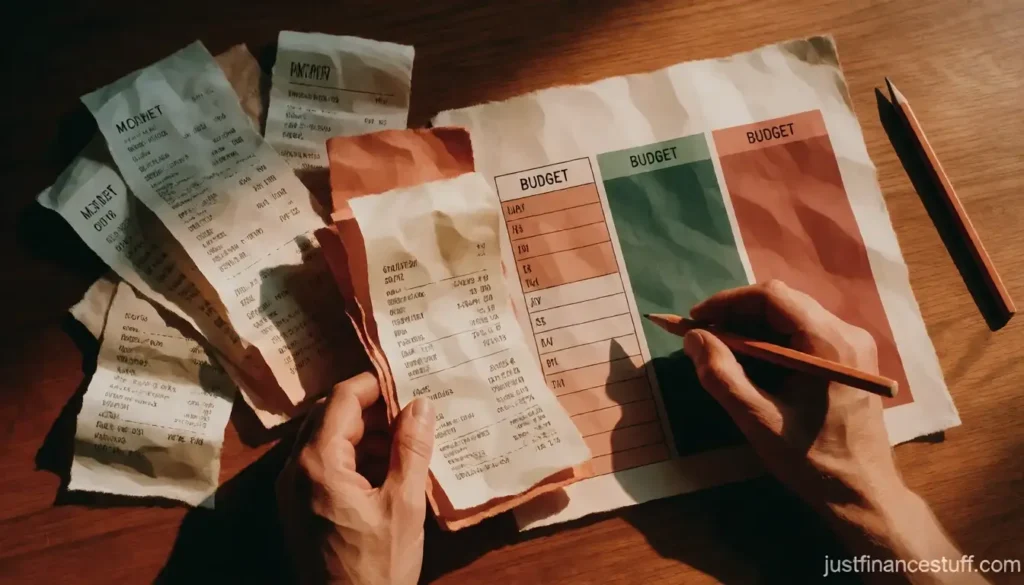
High housing costs often make traditional spending limits feel impossible to reach. By moving away from rigid constraints, this budget rule acknowledges that basic survival now takes up a larger portion of your income than it did decades ago. Instead of forcing a small limit on necessities, it groups them into a wider 70% bucket that covers both needs and fun, which helps people stay consistent without feeling deprived.
One of the biggest hurdles in money management is the exhaustion of tracking every single coffee or snack. This budget method removes that friction by focusing on three broad categories rather than dozens of tiny ones. When the monthly budget is this simple, people are less likely to give up. In fact, approximately 1 in 5 Americans struggle to stay within their spending limits, often because their plans are too complicated to follow daily.
“The 70-20-10 budget is best for people just starting to manage money due to its simplicity.”- Dani Pascarella, CFP® and Founder of OneEleven Financial Wellness
Building a Safety Net and Future Wealth
Setting aside a specific percentage for the future ensures that saving money happens before the paycheck disappears. This structure specifically targets savings and investments to help the reader reach big financial goals. By dedicating 20% to this area, it becomes much easier to manage how to spend money. build an emergency fund, which experts suggest should cover 3 to 6 months of essential costs to protect against job loss or medical bills.
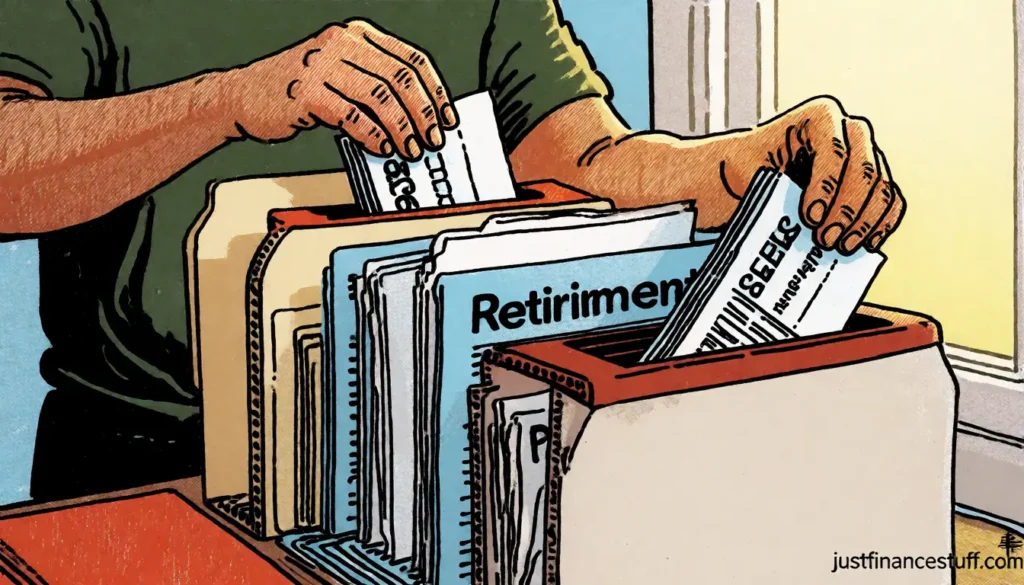
This approach to budgeting also looks far ahead by encouraging retirement savings. Whether a person uses an IRA or a 401k, the way they spend money can significantly impact their savings. 70-20-10 rule treats saving for retirement as a non-negotiable part of the plan. This habit prevents the common mistake of only saving what is “left over” at the end of the month, which is often nothing at all.
Balancing Debt and Giving
The final 10 percent of the 70-20-10 budget creates a dedicated space for paying off debt and helping others. While the 70% section covers minimum payments, this extra slice speeds up debt repayment for things like credit card debt. It also allows for charitable donations, though experts like Pascarella suggest ensuring your own “cup is full” before focusing heavily on giving.

Common Mistakes to Avoid:
- Treating the percentages as “perfect” rules that can never change.
- Forgetting that discretionary spending (fun money) must fit inside the 70% limit.
- Neglecting high-interest debt while trying to save for a vacation.
- Failing to track your spending at least once a week to stay on target.
The following table shows how a person might allocate their take-home pay to improve their financial situation using this 70-20-10 budget rule.
| Category | What it Covers | Goal |
|---|---|---|
| 70% Living | Rent, Food, Fun | Cover monthly expenses |
| 20% Savings | Emergency fund, 401k | Reach a savings goal |
| 10% Extra | Paying down debt, Gifts | Financial freedom |
Because the cost of living varies so much by city, some people find they need to adjust the percentages to make the budget plan work. If housing is too expensive, they might cut back on discretionary spending to keep the total monthly spending under control. This flexibility is what makes it a great tool for learning how to spend money wisely. popular budget choice compared to the older 50-30-20 rule, which many now find too restrictive for modern rent prices.
70-20-10 vs 50-30-20: What’s Different?

Deciding between two popular budget frameworks often comes down to how much a person actually pays for housing and food each month. While the 50-30-20 rule is a classic finance tool, it was created in a different economic era. Many people now find that the 70-20-10 budget provides a more realistic approach to budgeting for the modern cost of living.
The older 50-30-20 method suggests that 50% of after-tax income into three categories should go to needs, 30% to wants, and 20% to savings and debt. However, as monthly expenses like rent and utilities rise, staying under that 50% mark has become nearly impossible for many households. The 70-20-10 rule acknowledges this shift by combining needs and discretionary spending into one larger 70% bucket.
| Category | 50-30-20 Rule | 70-20-10 Rule |
|---|---|---|
| Living & Fun | 80% (Split 50/30) | 70% Combined |
| Savings | 20% | 20% |
| Debt/Giving | Included in 50% or 20% | Final 10% |
One major reason for this budget method shift is the reality of skyrocketing monthly housing payments. When a portion of your income is consumed by high rent, the 50% limit fails. By using a 70-20-10 budget rule, a person allocates 70 percent to their total living expenses, which offers more breathing room for those in expensive cities.
Expert Insight on how to spend money wisely: Courtney Alev, a consumer financial advocate at Credit Karma, notes that while the 70-20-10 model is popular, the high savings rate might not be realistic for those living paycheck to paycheck.
Choosing the right budget plan depends on a person’s unique financial situation. Those with high credit card debt might prefer the 70-20-10 vs other models because it specifically carves out a remaining 10 percent for paying down debt or paying off debt faster, enabling individuals to spend money in a more efficient manner. This structure helps simplify the process of managing your money without feeling like every expense is a burden.
- 50-30-20: Best for those with low housing costs and high “want” spending, enabling them to spend money on their priorities.
- 70-20-10: Best for people in high-cost areas or those saving for retirement while tackling debt.
- Flexibility in how to spend money is crucial for financial success. Both allow you to adjust the percentages if you need to cut back on monthly spending.
The 70-20-10 rule acts as a modern money management guide that prioritizes saving 20 percent while keeping personal finance goals reachable. Later, once a person chooses a path, they can use budget templates to track your spending and build an emergency fund. This budgeting strategies comparison shows that saving money is easier when the monthly budget matches real-world prices.
Simple Steps to Start Your 70-20-10 Budget

Calculate the total take-home pay received each month to establish a solid foundation for this budget plan. This figure represents the actual money deposited into a bank account after taxes and insurance are removed. While many people focus on their gross salary, successful money management requires looking only at the after-tax income into three categories to ensure the math remains accurate.
Divide the total monthly income into specific buckets using a calculator or one of the many available budget templates. For a household earning $6,000, allocates 70 percent-or $4,200-to living expenses like rent, groceries, and discretionary spending. This broad category is a popular budget choice because it combines monthly expenses with fun money, making it easier for a beginner to stay sticking to your budget without feeling deprived.
Move to the next step by saving 20 percent of the paycheck for savings and investments. For the same $6,000 income, this means putting aside 20 percent, which equals $1,200, into a savings account or retirement savings. This portion of your income is the engine that drives long-term financial goals, such as saving for retirement or preparing for a house down payment.
How to Execute Your Budget Plan
Set up the final 10 percent to handle debt repayment and charitable giving. This remaining 10 percent helps with paying off debt faster or supporting a favorite cause. If a user has a high credit card debt, they might choose to cut back on the donation side to focus entirely on paying down debt until the balance hits zero.
- Track your spending: Use a budget method tool like PocketGuard helps users track their spending money habits. or a simple spreadsheet to see where every dollar goes.
- Build an emergency fund: Prioritize saving money until there is enough to cover essential costs if a job is lost.
- Automate the process: Set up a bank transfer to move money each month into a separate investment or savings goal account automatically.
- Review and adjust: Check the financial situation every 30 days and adjust the percentages if the cost of living changes.
A 2018 Pew Research Center study found that 14% of adults living in someone else’s house are a parent of the household head. This type of personal finance reality highlights why flexibility is vital. If a person needs to support a family member, they may need to allocate more to their monthly spending and less to the savings and debt category for a short time.
| Category | Percentage | Example ($5,000 Pay) |
|---|---|---|
| Life & Fun | 70% | $3,500 |
| Savings | 20% | $1,000 |
| Extra Debt/Gifts | 10% | $500 |
Simplify the process by focusing on the big picture rather than managing your money down to the last penny of every expense. This approach to budgeting works because it changes money habits through budgeting strategies that are easy to repeat. Making a budget is only the first step; the real success comes from track your spending to ensure the 70-20-10 rule stays on track as life evolves.
Expert Tip: Focus on the 20% savings goal first. If you can automate that percentage, the rest of the monthly budget often takes care of itself because you are forced to live on what remains.
| Tool Type for managing how to spend money. | Best For | Benefit |
|---|---|---|
| Mobile Apps | Daily Tracking | Real-time updates |
| Spreadsheets | Detailed Math | Total customization |
| Pen & Paper | Visual Learners | No tech needed |
The 70-20-10 budget is a finance tool designed to be 70-20-10 vs more complex systems that fail. By learning to divide your money into these three categories, the reader gains control over their 70-20-10 budget rule journey. This system provides a budget rule that handles both debt and investment without the stress of traditional 50-30-20 restrictions.
Making the 70-20-10 Rule Work for Your Life

64% of adults report that money is a major cause of stress when they don’t know how to spend money wisely., according to the American Psychological Association. This stress often comes from feeling trapped by rigid rules that do not fit a person’s real life. While the 70-20-10 budget rule provides a solid framework, it is meant to be a flexible guide rather than a strict law. A person’s financial situation changes over time, and their budget plan should be able to change with them.
The beauty of this budget method is that the percentages are not set in stone. If a reader finds that their cost of living is lower than average, they do not have to spend the full 70% on monthly expenses. Instead, they can allocate that extra money toward a savings goal or use it for paying off debt faster. This approach to budgeting allows for personal choice while keeping the overall structure simple.
“Once you feel secure, that’s when it’s time to say ‘OK, now how can I give back and help others?’ But if your cup isn’t full, it’s very hard to give to the others around you.”- Dani Pascarella, CFP® and Founder of OneEleven Financial Wellness
For those facing a difficult financial situation, such as heavy credit card debt, adjusting the three categories is a smart move. A person might decide to cut back on discretionary spending within their 70% block to move an extra 5% or 10% into the final 10 category. This shift helps speed up debt repayment, which reduces interest costs over the long term. Personal finance is about making the numbers work for the individual’s specific needs.
Ways to Adjust Your Percentages
There are several common reasons why someone might adjust the percentages of their 70-20-10 budget rule. Each change should help reach specific financial goals more quickly. Below are examples of how to shift the portion of your income based on different life stages:
| Goal | Living (70%) | Savings (20%) | Debt/Gifts (10%) |
|---|---|---|---|
| Aggressive Debt Payoff | 60% | 20% | 20% |
| High Cost of Living | 80% | 10% | 10% |
| Fast Retirement Prep | 60% | 30% | 10% |
Before making these shifts, experts like Pascarella suggest managing your money to ensure basic stability first. It is vital to build an emergency fund that covers 3 to 6 months of essential costs. Having this savings account cushion prevents new debt when unexpected car repairs or medical bills happen. Once that safety net is ready, the reader can focus more on retirement savings or investment options.
Customizing the 70-20-10 budget also helps with sticking to your budget over many years. If a person feels too restricted, they are more likely to stop saving money altogether. Small changes, like saving 20 percent but splitting the remaining 10 between paying down debt and a small hobby, can make the monthly budget feel much more sustainable. Money management should feel like a tool for freedom, not a cage. 😊
Conclusion
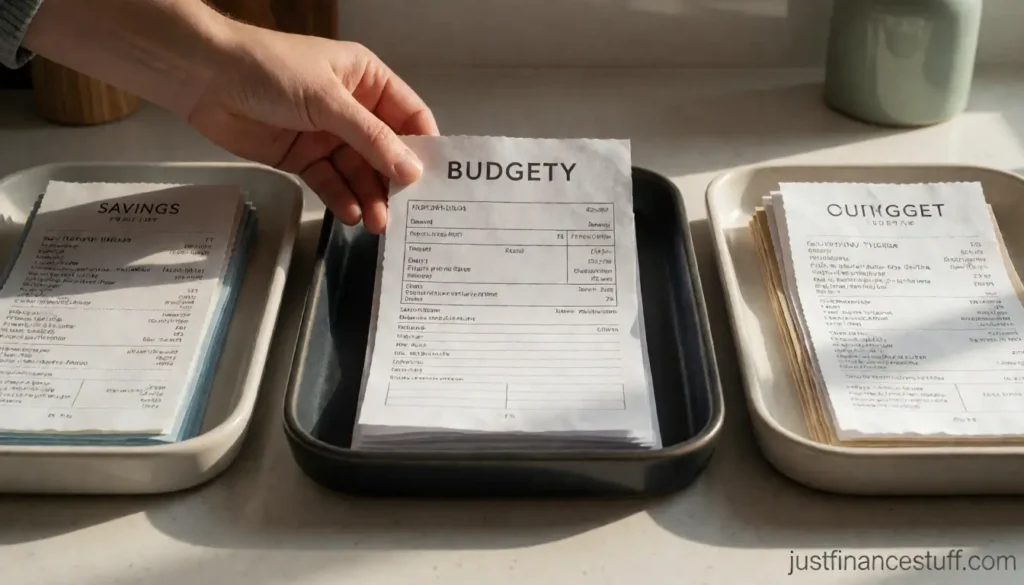
The 70-20-10 budget rule provides a simple way to manage money without the stress of tracking hundreds of tiny categories. By using three categories, people can focus on the big picture of their financial situation. This budget method allocates 70% of take-home pay to living expenses, which covers both needs and fun spending.
It ensures that saving money becomes a habit by setting aside 20% for the future and learning how to spend money effectively. The remaining 10% focuses on paying off debt or helping others.
This clear approach to budgeting helps people stop overspending and start reaching their financial goals.
Key Takeaways for Success
- Simplicity wins: Dividing after-tax income into three categories makes sticking to your budget much easier than complex systems.
- High savings rate: Saving 20% of a monthly budget helps build an emergency fund and retirement savings faster than many other plans.
- Debt focus: Using the final 10% for debt repayment helps people get rid of credit card debt and improve their finance health.
- Flexibility: Users can adjust the percentages if the cost of living is too high or if they need to cut back on discretionary spending.
- Stress reduction: Since 64% of adults feel stress about money, making a budget plan can lead to better peace of mind.
People should start by looking at their take-home pay from the last month to see where the money went. They can use budget templates or a simple savings account to separate their savings and debt payments immediately. Tracking monthly spending for thirty days helps identify where to adjust the percentages to fit the 70-20-10 rule.
Sticking to a monthly budget becomes easier when the steps are easy to follow. Smart money management starts with a single, clear plan.
Frequently Asked Questions
What if 70% is not enough for my rent?
If the cost of living is very high, people can adjust the percentages. They might use 80% for living expenses and reduce the amount for savings and debt until their financial situation improves.
Does the 70-20-10 rule include fun money?
Yes. The 70% for living expenses includes both fixed costs like rent and discretionary spending like movies or eating out. This makes the 70-20-10 budget rule very realistic for daily life.
Is 70-20-10 vs 50-30-20 better?
The 70-20-10 rule is often better for people with high housing costs. It combines needs and wants into one large group, which can simplify the process of managing your money.
Financial security comes from consistent habits and a simple plan.