Knowledge Matters Budgeting and Saving
Knowledge Matters Budgeting and Saving Sim guides you to a simple, realistic plan to manage money. You’ll learn how to set up a budget, track monthly income and expenses, and set aside money for emergency needs and savings. The steps are actionable with concrete examples and doable actions you can take this month. For example, start by listing all bills and then set aside 5% of take‑home pay for savings right away.
Why budgeting matters
Budgeting shows where your money goes and helps you reach your financial goals. It helps you separate needs from wants, trim unnecessary spending, and stay prepared with an emergency fund for surprises. A solid monthly budget gives a clear view of income and expenses, so you know if you have a surplus to save or if you need to adjust your plan. This isn’t about perfection; it’s about understanding your finances and making small, steady improvements. 💡 Quick win: try a 30‑day trial of your budget, then move leftovers toward a savings jar or a high‑yield account. Common mistakes to avoid include lumping debt payments into one line item and forgetting irregular costs like car maintenance. Start with a simple rule: pay yourself first, cover essentials, and trim nonessential buys to prioritize your financial health.
Identify your net income
Tracking take-home pay
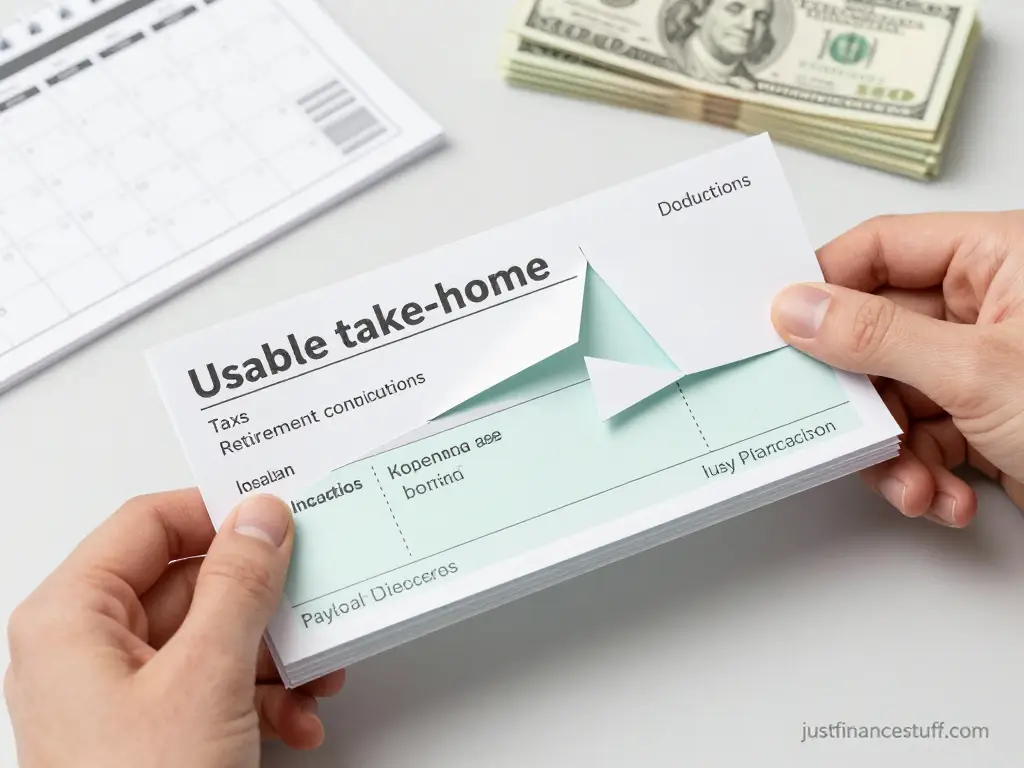
Your net income is the money you bring home after taxes and other deductions. It’s also called take-home pay. Start with your regular paycheck as the baseline, then add any other steady sources of money. This helps you plan how much you truly have to work with each month.
- Include all steady sources such as paychecks, side gigs with reliable monthly pay, rental income, and regular support from family or friends.
- Subtract deductions like taxes, retirement contributions, health insurance, and other payroll withholdings to get the take-home amount and understand how much you earn.
- If you have variable pay, use a reasonable average from the past 3, 6 months to estimate monthly income.
Accounting for irregular income
Not everyone is paid on the same day or the same amount each month. Track how income changes month to month and plan for fluctuations to see what’s left for savings and discretionary spending. Use a conservative estimate when income varies a lot, so you don’t overcommit to expenses.
- For irregular income, compute an estimated monthly income by averaging the last 12 months of totals, or use the lowest third of months as a safety floor.
- If you rely on commissions or freelance work, set aside a portion of high months to cover lean months. A simple rule: save 30, 40% of extras when they arrive.
- Keep a small buffer in your budget for months with lower income to avoid overspending. Aim for one full month of essential expenses in reserve.
List and categorize your expenses
Fixed vs. variable costs
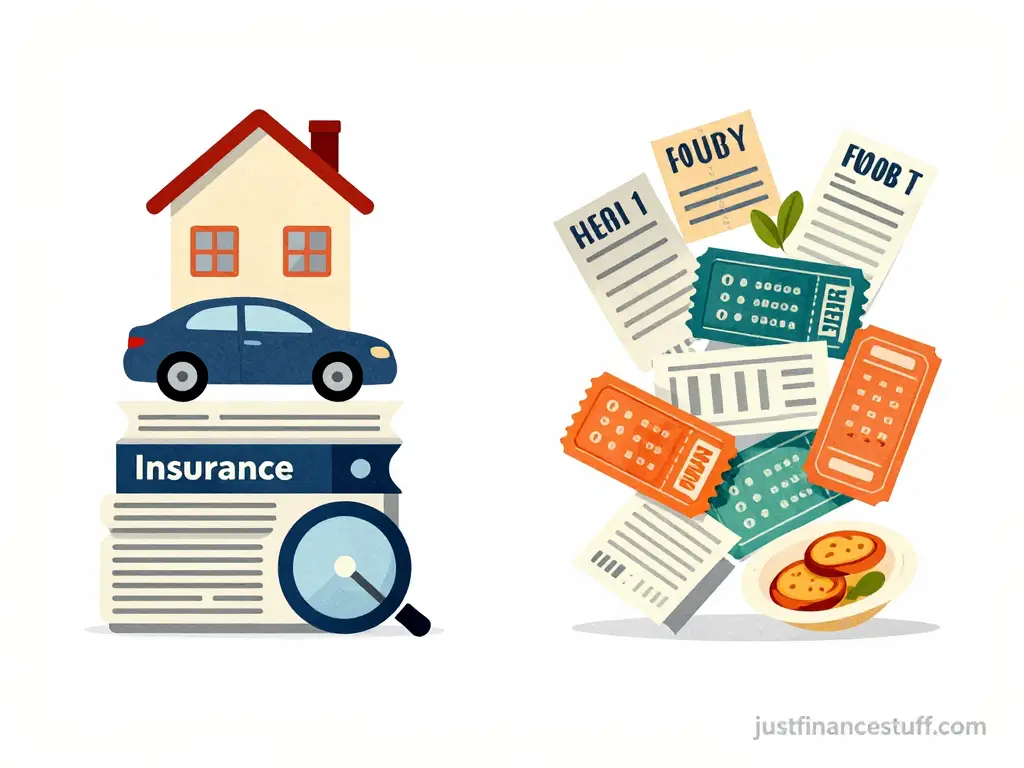
Start by listing every monthly obligation and what can shift. Fixed costs stay near the same each month, like rent, lease payments, or a car loan, while variable costs swing with you, such as groceries or gas. Knowing the difference helps you spot where to cut if money is tight.
- Fixed costs example: $1,200 rent, $150 internet, $250 car payment, $100 insurance premium every month.
- Variable costs example: $350 groceries one month, $520 the next if you entertain or travel, $60 gas on a low-use month, $40 streaming add-ons during a project sprint.
- Tip: build a baseline for fixed bills and set a flexible allowance for variable spending, then track deviations weekly.
Essential needs vs. wants
Split expenses into what you must have to live and what you could live without, considering your financial decisions. This makes room for savings and debt payoff even when goals shift.
- Needs example: shelter, groceries for nourishing meals, basic transportation to work, essential healthcare, minimum debt payments, all of which are expenditures that must be prioritized in your budget.
- Wants example: takeout twice a week, new streaming service, weekend concerts, impulse gadget buys, and student loans.
- Practical step: use a 30‑day rule for purchases over $50 to avoid quick impulse buys, and reassess quarterly when income or plans change.
Choose a budgeting method that fits you
Choosing the right method can make budgeting easier and more durable. Pick a system that matches how you think about money, then tailor it to your real life so you actually stick with it.
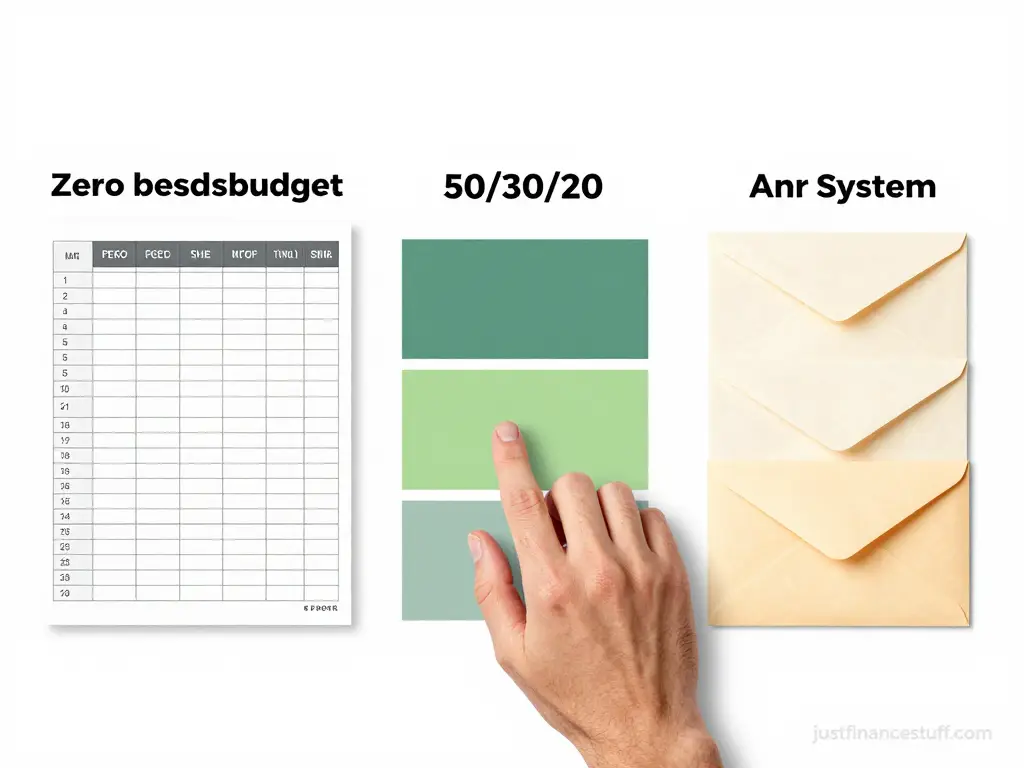
Zero-based budget
This method assigns every dollar a job. You plan for income to equal expenses plus savings and debt payments, leaving zero money unassigned at month end. It can help you avoid overspending and force you to make intentional financial decisions.
- Concrete step: list all income sources, then earmark funds for rent, utilities, groceries, debt, and a savings cushion before spending on extras.
- Real world thought: if you project $4,000 this month and need $3,200 for essentials plus $400 for debt and $200 for savings, you have $200 left for discretionary buys, not unlimited grazing.
- Common mistake: forgetting irregular bills like annual insurance, car tabs, or student loans. Add a sinking fund and allocate a small monthly amount to cover them.
50/30/20 rule
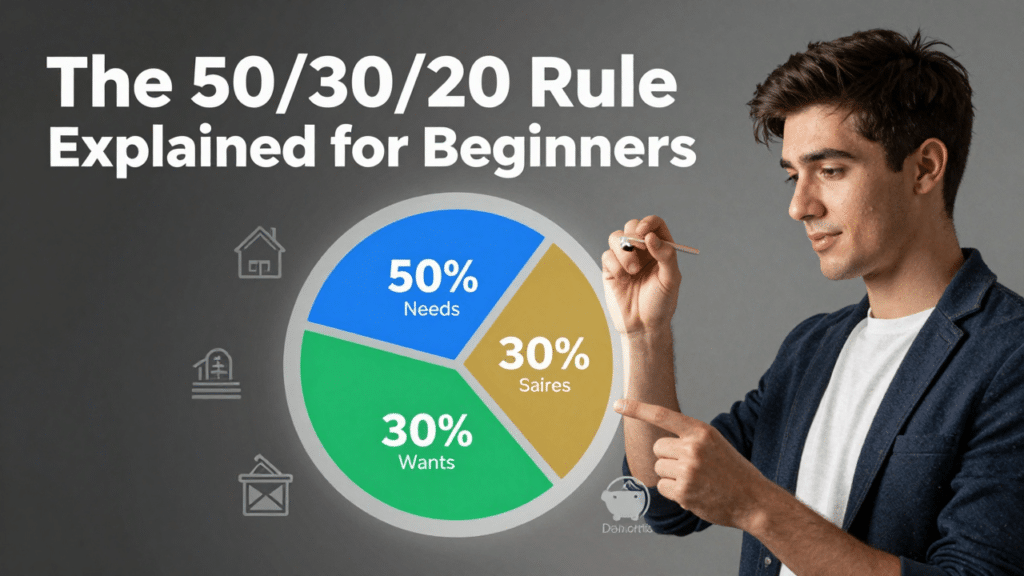
This simpler approach splits take-home pay into three parts: needs, wants, and savings or debt repayment. It works well for beginners who want balance without micro-managing every dollar.
- Practical example: on a $3,500 monthly take-home, earmark $1,750 for needs, $1,050 for wants, and $700 for savings or debt.
- Tip: adjust every few months if your rent rises or you pay off a loan, keeping the ratios intact.
- Watch out for high needs in expensive areas, caps may be needed to keep wants manageable.
Envelope system
Use physical or digital envelopes to limit spending in categories. Once an envelope is empty, you stop spending your money in that area until the end of the month. This method makes limits visible and concrete.
- Real workflow: create envelopes for groceries, gas, entertainment, and dining out. Move funds monthly or weekly as needed.
- Digital tip: use a budgeting app that shows real-time envelope balances and notifies you before funds run out.
- Potential pitfall: inflexibility for unexpected costs. Add a small miscellaneous envelope to absorb surprises.
Build your monthly budget template
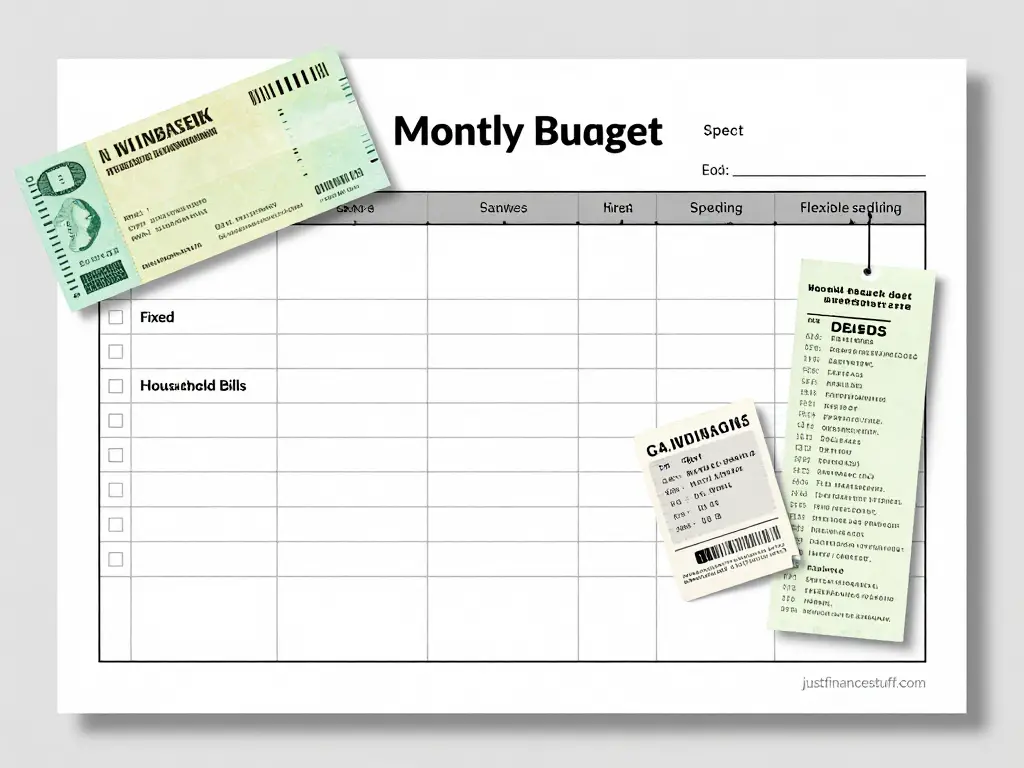
Creating a baseline plan
Start with a simple template that lists income, fixed costs, and flexible spending. A clear baseline helps you see what you actually have to work with each month and where adjustments are possible. For example, if your take home pay is $3,200, you can spot room to cut streaming subscriptions or reduce dining out.
- Enter your estimated monthly income after taxes and other deductions, using a realistic number rather than a best guess.
- List fixed expenses first, such as rent or mortgage, utilities, insurance, and loan payments, with exact due dates if possible to make a budget effectively.
- Add variable expenses like groceries, gas, and entertainment as adjustable lines you can tighten when needed.
Allocating funds for savings and debt
Put savings and debt payments into the plan before discretionary spending. This makes future goals a real line item and helps you avoid casual overdrafts. If you earn $3,200, aim to save first as a habit rather than as a leftover.
- Set a monthly savings target, such as 10% of income or $320, and include an emergency fund if you don’t have one yet.
- Include debt repayments and track progress toward payoff dates, noting the impact of extra payments on interest saved.
- Consider automation to move money to savings and debt on the same day you get paid, reducing the temptation to spend first.
| Budget element | How to set it | Common pitfall |
|---|---|---|
| Monthly income | Use take-home pay after deductions as the baseline | Underestimating irregular pay or bonuses can affect how much you earn and make a budget more challenging. |
| Fixed expenses | List exact amounts for housing, utilities, loans, and insurance | Assuming bills stay exactly the same every month |
| Savings | Set a specific amount or percentage to transfer automatically | Treating savings as leftover money |
Track spending and compare to your plan
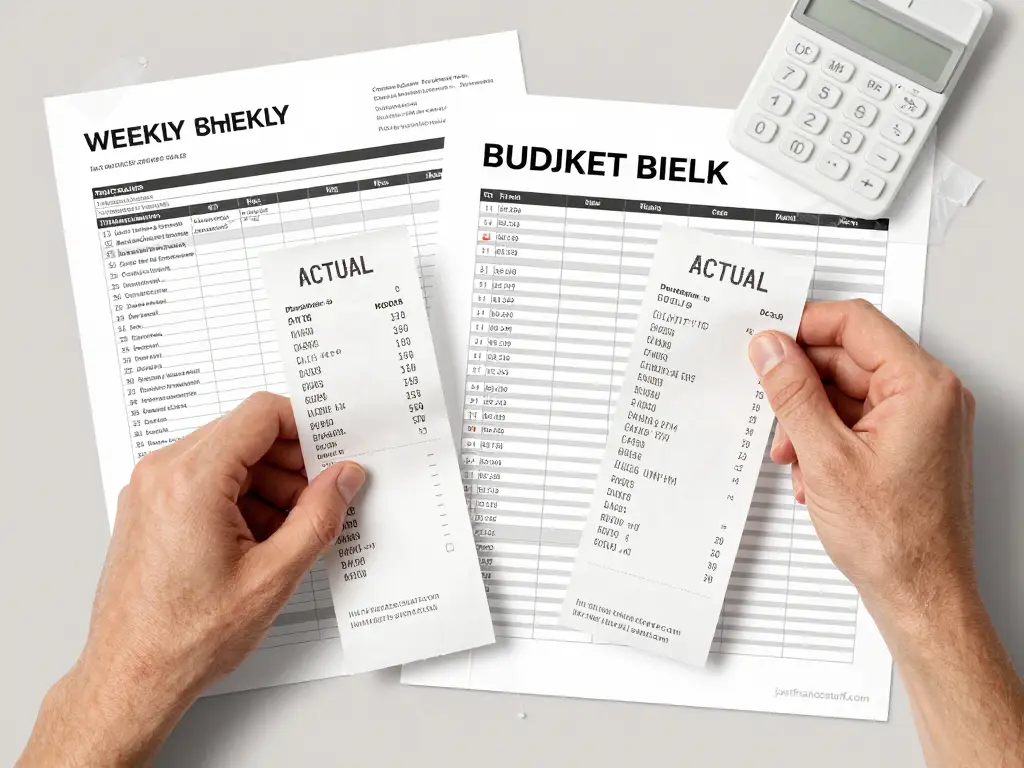
Tracking how you actually spend money helps you see if your plan works. You’ll catch small leaks before they grow and stay on track to reach your financial goals. Use a simple method so you can review it quickly each week. Daily/weekly tracking delivers quick wins, like noticing a $10 daily coffee habit adding up to $300 a month.
Daily/weekly tracking
Record every expense or review your bank statements at least weekly. This keeps you honest about where your money goes and where you can adjust. Start with a 5 minute nightly check or a Sunday review to spot patterns before they become bigger issues.
- Mark items as needs or wants to see patterns in your expenditure and understand what’s left for discretionary spending. For example, a recurring $4.50 lunch can become a lunch prep habit saving $90 per month.
- Compare actual spends to your baseline budget for the month. If you planned $200 for groceries but spent $250, identify where $10, $15 can be trimmed next week.
- Note any surprises like a higher utility bill or an unexpected purchase. If you see a $60 variance, investigate whether it was a one off or a new habit.
Adjusting for variances
When spending drifts from your plan, make small, realistic changes. The goal is to keep your overall month balanced, not to be perfect every day. Quick wins beat big shocks at month end, especially when you prioritize your essential expenditures.
- Shift money from flexible categories to cover a bigger essential bill, like your cell phone bill, if needed. Move $20 from dining out to groceries when a grocery surge hits.
- Cut back on nonessential items when a shortfall appears. Pause streaming add-ons or skip one small-utility upgrade for a week.
- Revisit your estimates for next month based on what happened this month. If you spent more on gifts in December, raise that category accordingly.
| What to track | How to adjust | Common trap in budgeting is failing to track where your money is going. |
|---|---|---|
| Actual vs planned spending | Reallocate funds between categories for the next period | Let small overspends become habits |
| Irregular bills can impact your ability to save money effectively. | Create a separate cushion in the budget | Treat them as afterthoughts |
| Savings progress | Adjust contribution if income changes | Ignore savings when money is tight |
Automate and optimize your savings
Automating transfers
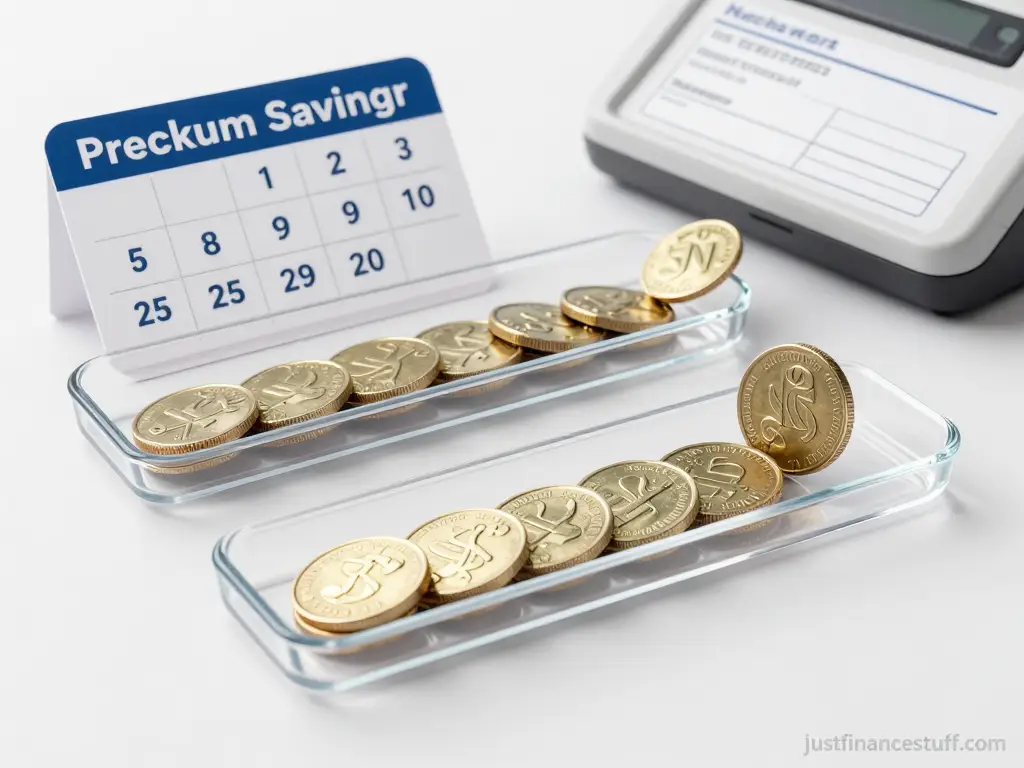
Set up automatic transfers from your checking to your savings on payday. This keeps savings steady without needing to think about it. Start with a small amount and adjust as your budget changes so you stay on track with your goals.
- Choose a fixed date that aligns with your pay schedule for reliability.
- Match transfer amounts to your baseline savings target, not leftovers.
- Review quarterly to keep the plan aligned with income changes.
Emergency fund and goals
An emergency fund acts as a buffer for unexpected costs. Aim to cover 3, 6 months of fixed expenses, but start with a practical starter goal you can reach within a year.
- Separate account: keep funds easy to access but not part of daily spending.
- Link savings to concrete goals like rent, car repairs, or medical costs, and consider financial aid options.
- Track progress with a simple metric, such as a percentage of your target reached each month.
| Action | Why it helps | Best practice |
|---|---|---|
| Automate transfers | Builds consistent saving habit and reduces forgetfulness | Set on payday, review annually |
| Emergency fund target | Reduces stress when bills surprise you | Start small, grow toward making your budget effective in 3, 6 months |
Review and adjust regularly
Regular budget reviews keep your plan honest and ready for real life, ensuring you stay on track with saving money. A quick monthly check helps you spot changes in income or expenses and stay on track. Knowledge matters budgeting and saving sim helps you see where you can improve, with practical steps you can apply this month.
Monthly reviews
Set aside a brief 10 minutes to compare actual spending with your plan. Look for patterns like a weekly coffee habit creeping in or a big one time expense such as car repairs. Use a simple worksheet to note what worked and what didn’t, and write down one specific action to change next month to improve your basic budgeting skills.
- Update your income estimate if your pay varies, for example if you switch from hourly to salary or receive overtime.
- Reassess fixed expenses like rent or utilities for any rate changes or new fees, and consider cheaper alternatives if available.
- Confirm your savings transfers still fit your goals and timing, such as moving from a checking sweep to a dedicated savings account on pay days.
Growing with your financial changes
As life shifts, adjust your budget to reflect new needs and priorities, ensuring you have enough to cover all essential expenditures. A higher salary can boost savings, while a layoff may require tightening discretionary categories. Keep the plan flexible enough to absorb updates without derailing goals.
- Move money between categories to cover new bills or reduced spending, like reallocating dining out funds to a car repair line when needed.
- Increase automatic savings if take-home pay rises, even by small amounts like 5, 10 dollars per week to speed up goal completion.
- Revisit your emergency fund target when major life events occur, such as moving to a higher cost city or starting a family.
| What to review | What to adjust | Common pitfall |
|---|---|---|
| Monthly income vs. budget | Refresh take-home pay estimates | Ignoring irregular pay |
| Essentials and needs | Refine fixed and variable expense estimates to create a budget that works for you. | Underestimating utilities |
| Savings progress | Boost or reallocate saving goals | Let savings slide |
FAQ
What are the 5 basics to any budget?
Five core ideas show up in most budgets: understanding how much you earn, tracking expenditures, and knowing what’s left after covering essentials. income tracking, expenses listing, a plan for creating a budget savings, a simple category structure, and a regular review. For example, a renter may track monthly paychecks, groceries, and utilities, then adjust saving goals after a raise to ensure they have enough to cover future needs.
What bills do most adults pay monthly?
Common monthly bills include rent or mortgage, utilities like water and electricity are essential expenditures that need prioritizing in your budget. electricity and water, phone service, internet, and groceries. Some households also budget for transportation costs and minimum debt repayments. If you own a car, add insurance and maintenance as separate line items.
What is the 70-10-10-10 budget rule?
The 70-10-10-10 rule divides take-home pay into four parts: 70% for essentials, 10% to savings, 10% to debt repayment, and 10% for wants. In practice, that might be $3,500 take-home, with $2,450 for essentials, $350 to savings, $350 to debt, and $350 for nonessential items.
What are 5 key points to personal budgeting?
- Know your monthly income and after-tax amount.
- List all your expenses and categorize them into needs and wants to prioritize your spending. expenses and separate needs vs wants.
- Set measurable savings goals and an emergency fund.
- Pick a budgeting method that fits your lifestyle.
- Review and adjust regularly to stay on track.
Conclusion
Recap of steps
A solid personal budget starts with identifying your net income and listing expenses. You then choose a budgeting method that fits your life, build a monthly template, and track spending against the budget plan. Regular reviews help you stay honest and flexible as finances change.
Next steps for readers
- Create a baseline budget using your actual take home pay and essential bills first.
- Set up automatic transfers to a savings account to build an emergency fund and meet savings goals.
- Schedule a monthly check-in to adjust for new expenses or income shifts and keep you on track toward long-term goals.