What the 70-20-10 rule is
The 70-20-10 budget rule is a simple way to split your after-tax income into three parts. It helps you plan how to spend, save, and reduce debt without tracking many small categories. In plain terms, you set aside 70% for living costs, 20% for savings and debt repayment, and 10% for other goals or giving.
People use this budget method to see where money goes each month and to reserve funds for emergencies and future needs. It is a popular option for beginners and busy people who want a clear rule to follow.
Why this budget rule matters in personal finance
Using the 70-20-10 budget rule helps you reach financial goals more reliably. It keeps spending honest, while ensuring you save and reduce debt.
Key benefits include:
- Clear structure for money management
- Separate space for savings and investments are crucial components of effective budgeting strategies.
- Direct plan for debt repayment and emergencies
If your income or cost of living changes, you can adjust the percentages to fit your financial situation and still stay on track.
Why This Budget Rule Helps Your Money Habits
High housing costs often make traditional spending limits feel impossible to reach. By moving away from rigid constraints, this budget rule acknowledges that basic survival now takes up a larger portion of your income than it did decades ago. Instead of forcing a small limit on necessities, it groups them into a wider 70% bucket that covers both needs and fun, which helps people stay consistent without feeling deprived.
One of the biggest hurdles in money management is the exhaustion of tracking every single coffee or snack. This budget method removes that friction by focusing on three broad categories rather than dozens of tiny ones. When the monthly budget is this simple, people are less likely to give up. In fact, approximately 1 in 5 Americans struggle to stay within their spending limits, often because their plans are too complicated to follow daily.
“The 70-20-10 budget is best for people just starting to manage money due to its simplicity.” – Dani Pascarella, CFP® and Founder of OneEleven Financial Wellness
Building a Safety Net and Future Wealth
Setting aside a specific percentage for the future ensures that saving money happens before the paycheck disappears. This structure specifically targets savings and investments to help the reader reach big financial goals. By dedicating 20% to this area, it becomes much easier to manage how to spend money and build an emergency fund, which experts suggest should cover 3 to 6 months of essential costs to protect against job loss or medical bills.
This approach to budgeting also looks far ahead by encouraging retirement savings. Whether a person uses an IRA or a 401k, the way they spend money can significantly impact their savings. The 70-20-10 rule treats saving for retirement as a non-negotiable part of the plan. This habit prevents the common mistake of only saving what is “left over” at the end of the month, which is often nothing at all.
Balancing Debt and Giving
The final 10 percent of the 70-20-10 budget creates a dedicated space for paying off debt and helping others. While the 70% section covers minimum payments, this extra slice speeds up debt repayment for things like credit card debt. It also allows for charitable donations, though experts like Pascarella suggest ensuring your own “cup is full” before focusing heavily on giving.
The 20% Savings and Debt Repayment Allocation
Distinguishing saving vs. debt payoff within the 20%
The 20% in the 70-20-10 budget rule is split between building savings and paying down debt. Savings cushion you for surprises, while debt repayment lowers what you owe over time.
Split priorities can vary by goal, affecting your monthly spending. For example, you might focus on an emergency fund first, then allocate the rest to debt and future investments.
Strategies for building emergency funds and investments
- Open a budget plan to better track your spending. savings account dedicated to the emergency fund for quick access.
- Set a concrete savings goal (for example, 3, 6 months of living expenses).
- Automate transfers to ensure you consistently manage your money. set aside money each month.
- After meeting the emergency fund, redirect funds to investments with long‑term growth.
Early savings reduce risk and help you handle unexpected expenses without new debt.
Prioritizing high-interest debt within the 20%
If you carry high‑interest debt, use part of the 20% to accelerate debt repayment and lower interest charges over time.
For example, some people use the 20% to both grow a sinking fund and pay off credit card debt faster, balancing safety with progress toward financial goals.
The 10% Debt Repayment or Donations Allocation
Treating the 10% as debt payoff or charitable giving
The 10% portion of the 70-20-10 budget rule can be used for budgeting strategies to improve financial health, debt repayment, or for donations. If you choose debt payoff, you speed up reducing balances and cut interest over time. If you choose donations, you support causes you care about while keeping your finances steady.
Impact of this allocation on long-term financial health
emergency fund and keeps your monthly income focused on long-term goals. Regular contributions here strengthen your overall personal finance health by reducing liabilities or increasing social impact over time can improve your overall budget plan.
Balancing debt reduction with other financial goals
- If debt is high, lean toward debt repayment this year while keeping other goals in view.
- If debt is manageable, prioritize donations to maintain your values without ignoring growth, while making the minimum payment.
- Reassess quarterly to ensure the 10% supports both debt relief and meaningful giving.
Allocating Funds to Philanthropy and Social Impact
You can set aside 10% to help others or causes you care about. This money spreads kindness and can feel good while you budget, enhancing your financial situation. It also shows that money can do more than just your needs and savings.
- Donations to local groups or charities you trust
- Support for causes you believe in
- Small gifts to friends or family in need
Alternative Uses of the 10% (Education, Personal Development)
If giving isn’t right for you right now, use the 10% for your growth. This helps you learn new skills or improve your life in practical ways, contributing to your financial plan.
- Courses or books to boost skills
- Workshops for career growth
- Memberships or apps that aid learning
Cultural and Lifestyle Considerations in the 10%
Your 10% can reflect your values and culture. It might mean supporting community groups or contributing to events that matter to you.
- Support for cultural programs or clubs
- Donations tied to community projects
- Volunteering time as a form of giving, when money is tight
| Focus | Why it matters | Quick tip |
|---|---|---|
| Philanthropy | Spreads good and builds trust | Start small with monthly giving |
| Education | Boosts skills for future earning | Choose one affordable course |
| Personal growth | Improves long-term financial health and encourages better savings and investments. | Set a simple learning goal |
Examples of Expenses by Category
- 70% Bucket: Mortgage, car insurance, Netflix, and weekly groceries.
- 20% Bucket: 401k contributions, IRA deposits, and house down payment fund.
- 10% Bucket: Extra student loan payments and local food bank donations.
Adapting the Rule to Net Income vs. Gross Income
Choosing take-home pay as the baseline helps in tracking your spending. Creating a budget is the simplest approach to tracking your spending. Use the money you actually receive after taxes and deductions. This keeps the 70-20-10 split realistic because you’re budgeting with money you have. Track a full month of take-home pay and compare it to your budget goals to see real results.
- Take-home pay reflects real spending power after withholdings, which is crucial for creating a budget.
- It helps prevent overspending based on gross income you never touch.
- Most people will see a shift in percentages when tax withholdings change, so the baseline matters.
Impact of Taxes and Withholdings
Taxes, retirement contributions, and benefits like health insurance reduce take-home pay. The same 70-20-10 split can look tighter if net income is lower. Revisit the percentages when tax rates or withholdings change. For example, a small raise that nudges you into a higher tax bracket can trim take-home pay more than you expect, squeezing savings space.
- Higher withholdings before the end of the year can affect monthly budgets.
- Tax credits or refunds may temporarily alter your available cash.
- Employer benefits can shift net income without changing gross pay.
Adjusting Allocations for Pay Periods
Pay frequency matters. If you’re paid weekly, biweekly, or monthly, align the 70-20-10 targets to each period to effectively manage your monthly expenses. A quick check keeps you from overcommitting in a single check and starving later ones, ensuring you manage your monthly income effectively. In practice, you might round to the nearest dollar and set a temporary buffer when a month has five paydays.
| Pay period | How to apply the rule | Notes |
|---|---|---|
| Weekly | Split 70% for spending, 20% for saving, 10% for debt | Review every week to catch drift |
| Biweekly | Apply the same proportions per paycheck | Keep an emergency buffer |
| Monthly | Set aside a monthly target that averages the period | Smooths fluctuations between weeks |
Practical Tweaks You Can Use Now
Try these quick steps to make the baseline work in real life:
- Set up automatic transfers: 70% to spending, 20% to savings, 10% to debt the moment your paycheck hits.
- Keep a one-page monthly snapshot: compare actual spending to the 70-20-10 targets within 3 days of each payday.
- Recalculate after big life changes: new job, relocation, or retirement contributions can shift take-home pay by 5, 15%.
Steps to Calculate After-Tax Income
Start with your monthly income and remove taxes to create an accurate monthly budget. The remaining amount is after-tax income you can actually use.
- Identify all reliable sources of income for the month.
- Subtract estimated taxes and other mandatory deductions to get after-tax income.
- Use this value to divide money into three parts according to the 70-20-10 budget rule.
What Qualifies as Needs vs. Wants Within the 70%
We split the 70% into needs and wants. Needs are things you must have to live and work. Wants are things that feel nice but aren’t essential. Think of it as a ladder from must-haves to nice-to-haves.
Needs include shelter, food, basic clothing, and essential transport. Wants include eating out, streaming services, or a new gadget. Keeping this simple helps you stay on target and avoid going past the 70%.
Strategies to Optimize Housing, Utilities, and Transport Costs
- Shop for lower rent or a better mortgage rate if possible. For example, compare offers within a 15 mile radius and negotiate after a year of on-time payments.
- Use energy wisely with efficient lights and smart thermostats. Set schedules so lights and heat kick on only when you’re home.
- Carpool, use public transit, or bike to save on fuel and maintenance, thereby lowering your living expenses. Try a 2, 3 day weekly ride share to cut costs by up to 30%, positively impacting your savings and investments.
- Bundle services like internet and phone for discounts. Call your providers to request a bundled rate or loyalty credit.
- Set a monthly cap for big bills and review them every quarter. If a bill spikes, investigate usage and potential plan changes to improve your financial plan.
Handling Recurring and Irregular Essential Expenses
- List all monthly essentials and note irregular costs like car repairs. Create a simple spreadsheet with due dates.
- Build a small fund for surprises, even if it grows slowly. Start with a $25, $50 monthly automatic transfer.
- Set automatic transfers to cover predictable bills first each month. Treat this like a bill you must pay before other spending.
- Review spending monthly and adjust the 70% as prices change. If groceries spike, swap one pricey item for a cheaper alternative.
Map Your Current Cash Flow
Track a Typical Month’s Income and Expenses
Start by listing all sources of take‑home income. Include regular pay, side gigs, and any steady gifts or refunds. Then write down every expense you incur in a month. Use simple categories to keep it clear. Track two weeks of spending first to spot patterns before a full month.
- Take-home income from all sources
- Fixed costs like rent, utilities, mortgage, insurance, and loan payments
- Variable costs like groceries, transportation, and entertainment
- Irregular costs such as annual subscriptions or repairs
Identify Where Your 70% Is Going
Group your current spending into needs, wants, and discretionary items within the 70% of living expenses. This helps you see what portion truly fits the rule. If a category blends needs and wants, split it into two lines for accuracy.
- Needs: housing, food, transportation
- Wants: dining out, hobbies, streaming services
- Discretionary: gifts, small luxuries, impulse buys
Spot Gaps Between Budgeted and Actual Spending
Compare what you planned to spend with what you actually spent. If you regularly overshoot, note which category causes the gap. A simple monthly check can prevent surprises.
- Underestimated groceries or utility bills
- Overspending on dining out
- Missed recurring payments or subscriptions
Use these insights to adjust your plan so the month stays aligned with your 70-20-10 budgeting framework. Set a small, concrete target for the next month, like reducing dining out by $15.
Design a 70-20-10 Budget Plan
Allocating 70% to Living Expenses and Discretionary Spending
Allocate about 70% of your take‑home income to daily costs and the things you want. This covers housing, food, transport, utilities, and regular, smaller purchases.
- Needs: rent or mortgage, utilities, groceries, transit passes
- Discretionary: dining out, streaming services, small hobbies
- Buffer: a simple cushion for small, unexpected costs
Allocating 20% to Savings and Debt Repayment
Direct 20% of after‑tax income toward building savings and paying down debts. This strengthens finances over time and reduces balances gradually.
- Savings: emergency fund, high‑yield account, retirement plans
- Debt repayment: target high‑interest loans and credit card balances
- Automation: schedule transfers to avoid missing payments
Allocating 10% to Debt Paydown or Donations
Reserve 10% for extra debt payoff or charitable giving. Adjust this based on your priorities and timeline.
- Debt payoff: prioritize highest interest first
- Donations: set a regular, sustainable giving amount
- Flex: if debt is urgent, shift more here temporarily
Adjusting Percentages for Special Situations
Life changes may require a different split. You can adjust the percentages while keeping the rule in mind.
- High debt: raise the 10% debt payoff
- New job or raise: consider increasing savings or investments
- Irregular income: average income over several months to pick a stable plan
Creating a Monthly Plan and Tracking Progress
Turn the 70-20-10 split into real actions you can follow each month.
- Budget 70% for living expenses and essential costs, such as housing, utilities, and groceries.
- Set aside 20% for savings and debt repayment, including an emergency fund and sinking funds.
- Allocate 10% for personal goals, which can be debt payoff or charitable giving, while also tracking your spending.
Track spending weekly to see if you stay within each category. Adjust if needed before the month ends.
Tools, Templates, and Automations That Help You Stick to It
Simple Budget Templates and Spreadsheets
Choose templates that map your income to the 70-20-10 buckets. A simple spreadsheet with columns for take‑home pay, budgeted percentages, and actual amounts makes planning and tracking easy.
- Monthly template with bucket colors for quick checks
- Spreadsheet with automatic percentage formulas
- Printed plan for weekly planning in a notebook
Budget Templates and Calculators
Templates can make the 70-20-10 plan feel approachable right from the start. They show where your money should go at a glance, and you can pick one that fits your monthly income and update it as you go.
- Printable or digital templates that split take-home pay into three buckets
- Simple calculators to determine 70%, 20%, and 10% amounts from your after-tax income
- Templates that adapt as income or family size changes
Cash Flow Calculators
Interactive calculators let you plug in income and instantly see the dollar amounts for each bucket. They also show how changes in income affect allocations.
- Enter gross and net income to see both views
- Toggle weekly, biweekly, or monthly pay
- Show extra payoff scenarios for debt
Budget Templates and Envelopes
Templates provide a ready-made skeleton you can customize. Envelopes add a simple, visual discipline for spending.
- Weekly or monthly templates aligned with the 70-20-10 splits to keep you on track.
- Envelope categories for groceries, gas, entertainment, and personal spending to curb impulse buys.
- Guidance on adapting if rent goes up or utilities spike, so you stay balanced without reinstalling your plan.
Envelope or Digital Envelope Methods
Envelopes can be physical or digital. Digital envelope features let you budget without cash and still keep clear limits for each bucket.
- Three accounts or subaccounts representing the 70%, 20%, and 10% buckets
- Envelope apps that cap spending per category
- Cash envelopes for categories where you overspend
Debt Payoff and Savings Trackers
Trackers visualize progress and keep motivation high. They fit easily alongside the bucket approach.
- Debt payoff charts that update after each payment
- Savings goal visualizers with milestones
- Milestone reminders to celebrate small wins
Bill Payments, Automations, and Debt Snowball/Avalanche Options
Automate regular transfers to savings and payments to keep the plan steady. Many apps let you split payroll deposits or schedule moves between accounts.
- Automated transfers aligned with payday
- Bill reminders and pay now options
- Bill pay integrations tied to the 70% bucket
Cash Flow Tracking and Automation Ideas
Tracking helps you stay on target, and automation does the busy work for you. You’ll see where money lives each month and when to shift funds between buckets.
- Link bank accounts for a clear view of spending
- Set automatic transfers to savings and debt payoff within the 20% bucket
- Use alerts to flag when a category grows too large
Monthly Review Rituals to Stay on Target
Set a date each month to review your numbers. Compare what you planned with what you spent. Move extra to savings or adjust a bucket when needed. A simple ritual like this keeps you honest and confident, and you’ll barely need to think about it.
Expert Insight
“Two classic debt-reduction pathways, the snowball (paying off the smallest balances first) and the avalanche (tackling the highest-interest debts first), are both valid; the best plan is the one you can stick with until you’re debt-free, because momentum and consistency beat perfection.” – Industry Analyst
Prioritize Debt Within the 10% Channel
Compare Snowball vs Avalanche for the 10% Debt Channel
Two common methods guide how you use the extra debt money in the 10% channel:
- Snowball: pay smallest balances first for fast wins
- Avalanche: pay highest interest rates first to reduce total interest paid
Choose the approach you can maintain consistently, and pair it with small milestones to stay motivated.
Applying Payments to High-Interest vs Low-Interest Debts
Targeting high-interest debt first saves money on interest over time. If balances are small, clearing them quickly can free up mental space and momentum.
- High‑interest debts: aim extra payments here first
- Low‑interest debts: make minimums and reassess after clearing higher costs
Decision Table for Debt Priorities
| Current situation | Priorities and action |
|---|---|
| New high‑interest balance | Prioritize paying it down within the 10% channel |
| Stable emergency fund | Consider redirecting a portion to investments after debt |
| Small debt paid off | Reallocate to savings or retirement, based on goals |
Keep the approach flexible. If a debt’s interest rate changes or a balance decreases significantly, re-evaluate how you allocate the 10%.
Build a Savings and Emergency Fund Plan
How Much Emergency Fund to Target
Most people aim for three to six months of essential living expenses in an emergency fund. The 20% savings bucket helps you reach this over time while staying aligned with the plan.
Stagger Savings Goals with Saving and Investing
Split the 20% between short‑term savings and longer‑term investing as your emergency fund grows. This balances immediate safety with future growth.
Practical Tips for Building the Emergency Fund
| Area | Practical Tip |
|---|---|
| Automate deposits | Set automatic transfers on paydays |
| Reduce nonessential costs | Cancel unused subscriptions and renegotiate bills |
| Track progress | Check your fund monthly and adjust as life changes |
Customize for Your Life Stages
Tailoring the Split for Students, New Professionals, Families, and Retirees
Different life stages call for slightly different splits. The core idea stays the same: protect essentials, grow savings, and adjust the 10% to meet current priorities.
- Students: smaller living costs, limited income, focus on building basic savings
- New Professionals: income rising, possible student loans, use the 10% to attack debt or give modestly
- Families: higher living costs, more insurance and savings needs, childcare can push expenses, so plan the 70% carefully
- Retirees: fixed income, lower daily costs, prioritize healthcare and steady savings for long-term needs
Adjusting for Income Variability and Bonuses
When income varies, average your earnings over a few months to set a stable base for the percentages. Direct windfalls like bonuses toward the 20% savings or the 10% debt/giving bucket, keeping living costs steady.
Lifestyle Choices and Practical Tips Without Violating the Rule
Keep the budget realistic by fitting preferred activities into the 70% rather than expanding it. Choose affordable housing and transport where feasible, and redirect savings from one category to cover splurges in another.
| Life Stage | Focus Area |
|---|---|
| Student | Building emergency fund and basics |
| New Pro | Debt payoff and foundational savings |
| Family | Insurance, childcare, and long‑term goals |
| Retiree | Healthcare and steady income safety |
Practical Steps and Real‑World Examples
- Move a small percentage to savings each payday to build momentum
- Review the split after a raise or job change to align with new income
- If debt is high, widen the 10% channel temporarily and reduce elsewhere
Adjusting for Different Income Levels and Life Stages
Your income size and life stage shape how strictly you can follow the standard percentages.
- Lower incomes may need more than 70% for essentials, so reduce the 20% or 10% temporarily and aim to restore the full split over time.
- Higher incomes often allow larger portions for savings or investments beyond the basic 20% and 10% allocations.
- Life stages matter: early careers, family growth, or retirement change how much you need for living costs, savings, and personal goals.
Budget rule helps you keep money management simple. It sets clear targets for living costs, savings, and a flexible 10% for debt payoff or donations. Try tweaking percentages as life changes, and keep the approach steady and practical.
Adjusting Percentages for Single Earners, Couples, and Families
If you live alone, you may need more flexibility. If you share money with a partner, you can split more clearly. Families have kids, housing, and care costs. You can:
- Shift more to 70% for living costs if rent or mortgage rises, utility bills climb, or you start paying for childcare
- Increase 20% for savings when you land a raise, pay off a loan, or want a big goal like a home down payment
- Keep 10% for debt repayment or donations if you carry student loans or want to support a cause
Lifestyle Choices: Students, Early Career, and Approaching Retirement
Students may have variable pay, so averaging income over several months helps. Early career folks can push more into skills, networking, and debt payoff. Near retirement, you usually spend less and protect savings, with more focus on preserving capital.
Impact of Taxes and Benefits on Take-Home Pay
Your take-home pay is after taxes. If benefits or tax credits change, recalc the three buckets. The rule is flexible: treat the percentages as a guide, not a fixed law.
| Situation | Suggested tweak | Why it helps |
|---|---|---|
| Single, high rent | 70% living, 25% savings, 5% debt | Keeps basics covered while building security |
| Couple, growing family | 65% living, 25% savings, 10% debt/donations | Supports kids and future planning |
| Early career, rising income | 75% living, 15% savings, 10% debt | Balances present needs with future growth |
Common Challenges and How to Overcome Them
Sticking to the 70-20-10 rule can be tough when life throws curves. High living costs, variable income, and unexpected expenses are common blockers. With a plan, you can handle these without losing momentum.
Irregular Income and Variable Paychecks
Freelance or commission-based pay changes how you apply the rule. Use an average or a cautious baseline to keep the plan realistic.
- Base your split on the lowest recent month or a three-month average to protect essentials.
- During high-income months, add extra to savings or debt to offset leaner periods.
- Keep a small buffer in your checking account to smooth out timing gaps.
High Living Costs in Urban Areas
Big cities can push housing and essentials beyond the 70% limit. Adjustments are necessary and expected in these markets.
- Rent or mortgage may eat more than the target share; consider shared housing or location trade-offs where possible.
- Renegotiate bills or switch providers for utilities and insurance to lower recurring payments.
- Use public transit or carpooling to reduce transport costs and reclaim space in the 70% bucket.
Unexpected Expenses and Big Purchases
Car repairs, medical bills, or a sudden move can spike costs. A plan helps you react without derailing your budget.
- Use your emergency fund first, before touching other buckets, when a true urgency hits.
- Temporarily tilt the split for a month or two to cover the gap, then revert to the standard 70-20-10.
- For planned big purchases, set aside a sinking fund within the 20% to avoid debt.
| If this happens… | Try this adjustment |
|---|---|
| Income drops 20% | Base the split on the lower amount and pause extra debt payments for a month |
| Rent increases | Borrow 5% from discretionary for one to two months while you reallocate |
| Bonus arrives | Send most to savings or debt to accelerate goals |
Common Mistakes to Avoid
The 70-20-10 budget rule works best when you adapt it to real life. Some months will look different, but you can stay on track with practical checks and steady habits.
Practical Steps to Fix Common Gaps
- Double check that all expenses are counted in your budget to ensure effective money management. All irregular costs like car maintenance, medical copays, and seasonal bills are counted in your budget.
- Set reminders to review accounts weekly so small drift becomes visible early and stays manageable.
- Build a modest starter emergency fund before aggressive debt payoff to handle surprises without new borrowing.
Pros and Cons of the 70-20-10 Approach
Situations Where It Works Well
The 70-20-10 split works well when your monthly bills are high and you need a simple framework.
This method is easy to grasp. You see three buckets and decide quickly where each dollar goes. It offers a starting point that you can adjust later.
That simplicity is a strength: the method is easy to grasp, targets are simple and repeatable, and it helps set steady habits.
- Steady income and predictable costs
- People who want a clear, simple baseline to start budgeting
- Cities with high living costs where essentials take the largest share
Limitations and where this split may struggle
No single budget rule fits every life. The 70-20-10 split can feel tight when expenses spike or income drops.
- Very low incomes, when essentials exceed 70%.
- Places where housing costs alone push past 70%.
- Big life changes that temporarily alter your costs, like a move or job loss.
Variations and Adaptations
How It Compares to Other Budget Frameworks
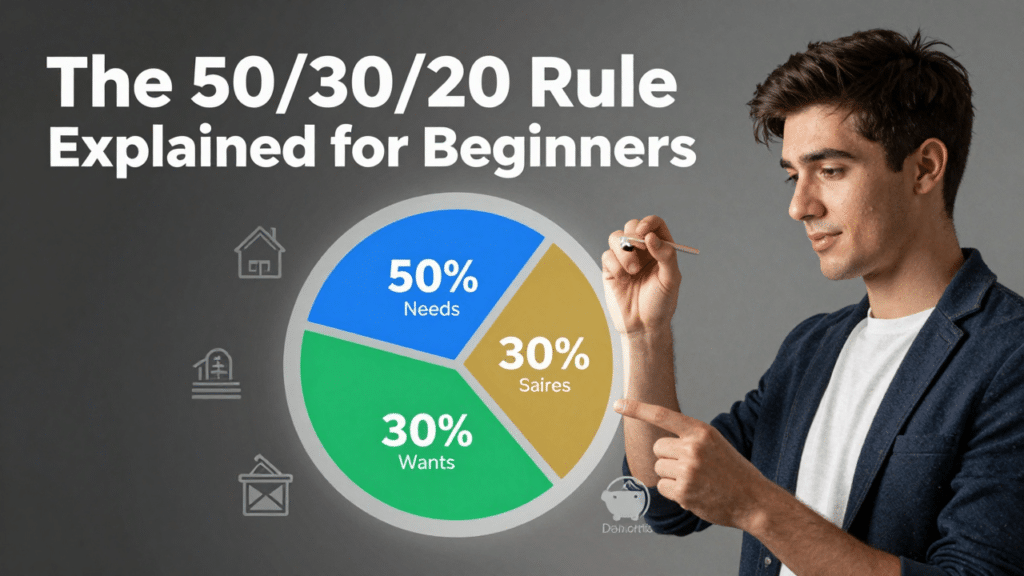
Alternate percentage plans exist for different priorities. For example, 50-30-20 emphasizes needs and wants differently. The 70-20-10 split suits households with higher living costs or tighter budgets, allowing you to choose the approach that best fits your situation.
| Aspect | 50-30-20 rule | 70-20-10 rule |
|---|---|---|
| Living Expenses | 50 % | 70 % |
| Savings & Debt | 20 % (incl. debt) | 20 % |
| Personal / Giving | 30 % wants | 10 % debt or donations |
| Best For | Balanced income / lower costs | High costs / strict budget |
70-20-10 vs 50-30-20 vs 60-25-15
Three numbers can tell a lot about a budget style. Each split allocates buckets differently; the choice depends on goals and environment.
- 70-20-10 prioritizes covering high living costs with a tighter discretionary bucket.
- 50-30-20 fits households with moderate living costs and room for more discretionary spending.
- 60-25-15 sits between the two, balancing living costs with moderate savings or debt focus.
| Rule | Living costs | Savings / debt | Discretionary / giving |
|---|---|---|---|
| 70-20-10 | 70 % | 20 % | 10 % (debt or donations) |
| 50-30-20 | 50 % | 20 % | 30 % wants |
| 60-25-15 | 60 % | 25 % | 15 % flexible |
When to Modify the Percentages
Adjust percentages when life or income changes.
- Starting a family can raise living costs; shift a bit from 20 to 70 until things settle.
- Getting a raise may let you move more into savings and investments (increase the 20 % share).
- Major debt may require increasing the 10 % portion to pay off balances faster.
Regional Cost Considerations and Income Types
Living costs vary by location and job type.
| Scenario | Recommended 70-20-10 Variation |
|---|---|
| High cost city | 75-15-10 (living heavier) |
| Regular salary | 70-20-10 (standard) |
| Freelance / variable | 70-20-10 with buffer in living bucket |
If you live in a high cost area, shift a few points from savings to living costs or review both options for reality. If income is irregular, average three months to set a baseline.
Combining 70-20-10 With Other Budgeting Tools
Pair the rule with practical tools: a simple budgeting app, envelope budgeting for overspend categories, and automatic transfers to savings. These helpers reinforce the split and reduce manual effort.
When to Prefer Percentage-Based Rules
Percentage rules shine when you want a consistent, repeatable framework that moves with your income. They scale up or down automatically and reduce guesswork.
- Income varies month to month, but categories remain proportional
- You want a quick framework to apply after every paycheck
- You’re coordinating with a partner to keep things consistent
Situations Where a Different Split May Work Better
No single split fits every life stage or financial situation. Alternatives can suit specific goals better.
- Zero-based budgeting suits meticulous trackers who want every dollar assigned a job.
- Pay-yourself-first can help aggressive savers prioritize savings before spending.
- Envelope methods fit people who benefit from tangible spending caps.
When to Modify or Combine With Other Budgeting Methods
The 70-20-10 rule pairs well with other approaches. You can tweak percentages as your life changes and mix in other methods where they help most.
- If your living costs are very high, you may shift a bit from savings to living costs for a while.
- If your income rises, raise the savings portion and push debt payoff in the 20% bucket.
- Combine with zero-based budgeting for tight months, or with envelope methods for categories that tend to overspend.
Simple Steps to Start Your 70-20-10 Budget
Calculate the total take-home pay received each month to establish a solid foundation for this budget plan. This figure represents the actual money deposited into a bank account after taxes and insurance are removed. While many people focus on their gross salary, successful money management requires looking only at the after-tax income to ensure the math remains accurate.
Divide the total monthly income into specific buckets using a calculator or one of the many available budget templates. For a household earning $6,000, allocate 70 percent — or $4,200 — to living expenses like rent, groceries, and discretionary spending. This broad category is a popular budget choice because it combines monthly expenses with fun money, making it easier for a beginner to stick to the budget without feeling deprived.
Move to the next step by saving 20 percent of the paycheck for savings and investments. For the same $6,000 income, this means putting aside 20 percent, which equals $1,200, into a savings account or retirement savings. This portion of your income is the engine that drives long-term financial goals, such as saving for retirement or preparing for a house down payment.
How to Execute Your Budget Plan
Set up the final 10 percent to handle debt repayment and charitable giving. This remaining 10 percent helps with paying off debt faster or supporting a favorite cause. If a user has high credit card debt, they might choose to cut back on the donation side to focus entirely on paying down debt until the balance hits zero.
- Track your spending: Use a budget tool or a simple spreadsheet to see where every dollar goes.
- Build an emergency fund: Prioritize saving money until there is enough to cover essential costs if a job is lost.
- Automate the process: Set up a bank transfer to move money each month into a separate investment or savings account automatically.
- Review and adjust: Check the financial situation every 30 days and adjust the percentages if the cost of living changes.
A 2018 Pew Research Center study found that 14% of adults living in someone else’s house are a parent of the household head. This type of personal finance reality highlights why flexibility is vital. If a person needs to support a family member, they may need to allocate more to their monthly spending and less to the savings and debt category for a short time.
| Category | Percentage | Example ($5,000 Pay) |
|---|---|---|
| Life & Fun | 70% | $3,500 |
| Savings | 20% | $1,000 |
| Extra Debt/Gifts | 10% | $500 |
Simplify the process by focusing on the big picture rather than managing your money down to the last penny of every expense. This approach to budgeting works because it changes money habits through budgeting strategies that are easy to repeat. Making a budget is only the first step; the real success comes from tracking your spending to ensure the 70-20-10 rule stays on track as life evolves.
Expert Tip: Focus on the 20% savings goal first. If you can automate that percentage, the rest of the monthly budget often takes care of itself because you are forced to live on what remains.
| Tool Type | Best For | Benefit |
|---|---|---|
| Mobile Apps | Daily Tracking | Real-time updates |
| Spreadsheets | Detailed Math | Total customization |
| Pen & Paper | Visual Learners | No tech needed |
A Worked Example: The Rule on a $6,000 Take-Home Pay
To see how this works in a real financial situation, imagine a monthly budget based on a $6,000 take-home amount. You would divide your money as follows: $4,200 for monthly expenses and fun, $1,200 for a savings goal or investment, and $600 for debt repayment or donations. This approach to budgeting ensures that every dollar has a job.
It is helpful to track your spending for a few weeks before making a budget to see if you need to cut back on certain areas. If the cost of living in a city is very high, some users adjust the percentages to fit their needs. The 70-20-10 rule is a flexible budget rule, not a set of iron laws. Approximately 1 in 5 Americans exceed their monthly budgets, but having these clear targets helps most people stay on the right path with their personal finance.
Ways to Adjust Your Percentages
There are several common reasons why someone might adjust the percentages of their 70-20-10 budget rule. Each change should help reach specific financial goals more quickly. Below are examples of how to shift the portion of your income based on different life stages:
| Goal | Living (70%) | Savings (20%) | Debt/Gifts (10%) |
|---|---|---|---|
| Aggressive Debt Payoff | 60% | 20% | 20% |
| High Cost of Living | 80% | 10% | 10% |
| Fast Retirement Prep | 60% | 30% | 10% |
Before making these shifts, experts like Pascarella suggest ensuring basic stability first. It is vital to build an emergency fund that covers 3 to 6 months of essential costs. Having this savings account cushion prevents new debt when unexpected car repairs or medical bills happen. Once that safety net is ready, the reader can focus more on retirement savings or investment options.
Frequently Asked Questions
Here are quick answers to common questions about the 70-20-10 budget and how it fits into personal finance.
Can the 70-20-10 rule be used with gross income?
Using gross income changes how the numbers feel. The rule is designed for after-tax income so you work with money you can actually spend. If you use gross income, the percentages will not reflect your real budget.
Is 70-20-10 better than 50-30-20 or 50-20-30?
“Better” depends on your costs and goals. If living costs are high, 70-20-10 often fits better. If your costs are lower, 50-30-20 may give you more room for discretionary spending while still saving. The best method is the one you can follow consistently.
How quickly can you see results with this rule?
Many people notice clearer budgeting within a few weeks. Savings respond over months as you build an emergency fund and reduce debt. The pace depends on income, costs, and how closely you track expenses.
What is the 70-20-10 budget rule?
It’s a simple percentage plan: 70% for living costs, 20% for savings and debt repayment, and 10% for extra debt payoff or donations. It keeps essentials covered while you grow financial security.
What counts as take-home income?
Take-home income is what you actually receive after taxes and deductions. Use that amount to calculate your 70-20-10 split.
Can I adjust the percentages?
Yes. Life changes may require a different mix. Many people start with 70-20-10 and adjust as needs evolve.
How do I start?
Track one month of income and spending, map it to the three buckets, and set automatic transfers for savings and extra debt payments.
What about variable income?
Average earnings over several months to pick a stable baseline. In higher months, push extra into the 20% or 10% channel.
What counts as debt reduction?
Debt reduction includes paying down balances beyond minimums, such as credit card balances, student loans, or auto loans. The goal is lowering total owed and interest costs over time.
What if my expenses exceed 70%?
Temporarily shift a portion from savings or discretionary buckets while you trim costs or increase income. Revisit monthly and restore balance over time.
Is this rule good for everyone’s financial situation?
Not always. It works best as a framework; adjust percentages for income level, location, and goals. Some may need to tilt toward essential costs when living costs are very high.
Who should use it?
Anyone who wants a clear, simple budget to split after-tax pay into needs, savings, and giving. It works well if you have steady pay and want a plan you can review monthly.
What counts as living costs?
Rent or mortgage, utilities, groceries, transport, insurance, and basic clothing. These are essential costs you must cover each month.
Where does debt payoff go?
Debt payoff fits in the 10% bucket, or can be part of the 20% when you focus on reducing balances. Choose one approach consistently and track progress.
Can I donate with the 10%?
Yes. The 10% can be used for giving to charities or community causes. If you carry debt, you might split the 10% between small donations and faster debt payoff.
Does the 70-20-10 rule include fun money?
Fun money typically lives in the 10% bucket, balanced with debt payoff or donations. You can split the 10% between extra debt payments and small pleasures.
What if 70% is not enough for my rent?
If rent alone pushes you past 70%, temporarily shift a few points from other buckets and focus on lowering housing costs or raising income. The rule is a guide, not a rigid law.
How to apply to irregular income?
| Calculation approach | How to do it |
|---|---|
| Use a 3-month average | Add last 3 months, divide by 3 |
| Base on lowest month | Use the smallest paycheck month |
| Split monthly | Recompute each month as pay arrives |
Tip: Use a simple monthly budget template to see how the rule fits your life and adjust as needed. For real results, link each category to concrete actions: set a date for debt payments, automate 60% of essentials, and schedule monthly donations if you want to keep that 10% steady.
Conclusion
Key Takeaways
70-20-10 offers a simple way to manage money by dividing after-tax income into three areas: living expenses, savings and debt repayment, and personal goals using budgeting strategies. It helps you see where your money goes and stay focused on important financial goals.
By using three categories, you build a steady path for savings and investments while keeping living expenses and discretionary spending in balance. This approach supports building an emergency fund and reducing debt over time.
Next Steps to Implement the Rule in Daily Life
- Calculate your monthly income after taxes, then split it into the 70-20-10 portions.
- Set up automatic transfers to a savings account for the 20% and for debt repayment where needed.
- Track living expenses to ensure essentials fit within 70% and adjust as life changes.
- Decide how to use the 10% in line with your financial goals, whether it goes to debt payoff or charitable giving.