
Why saving reliably matters
Budgeting for saving is essential to achieving your financial goals. Creating a personal savings plan includes saving for life’s surprises and helps you hit goals like an emergency fund. retirement savings or paying for big costs without debt. For example, setting aside $150 a month on a 2 percent interest rate can grow to about $2,500 in a year, and more over time with compounding, which is essential for individual retirement. Small, steady increases in your personal budget add up, even when your monthly income is tight. A reliable savings habit reduces stress and strengthens your budgeting and saving strategies. financial stability in real life, not just on paper.
How smart budgeting accelerates your savings

Smart budgeting makes saving feel automatic. When you plan your monthly income and prioritize a transfer to savings first, you can save money without actively thinking about it. For instance, if you get paid on the 1st and 15th, set automatic transfers of $75 from each check to a dedicated savings account.
- Automate transfers to savings to avoid the temptation to spend first.
- Track variable expenses like groceries and fuel, and cut back by $5, $10 weekly where possible.
- Use simple rules like 50/30/20 or 60/20/20 to balance spending, saving, and debt payoff.
Starting with a concrete plan helps you spend your money wisely. allocate funds to savings plan goals and build a solid financial foundation over time. If you have irregular income, adjust by saving a percentage rather than a fixed amount and frequently revisit your targets.
Adopt the 50/30/20 rule for savings

What the rule means in practice
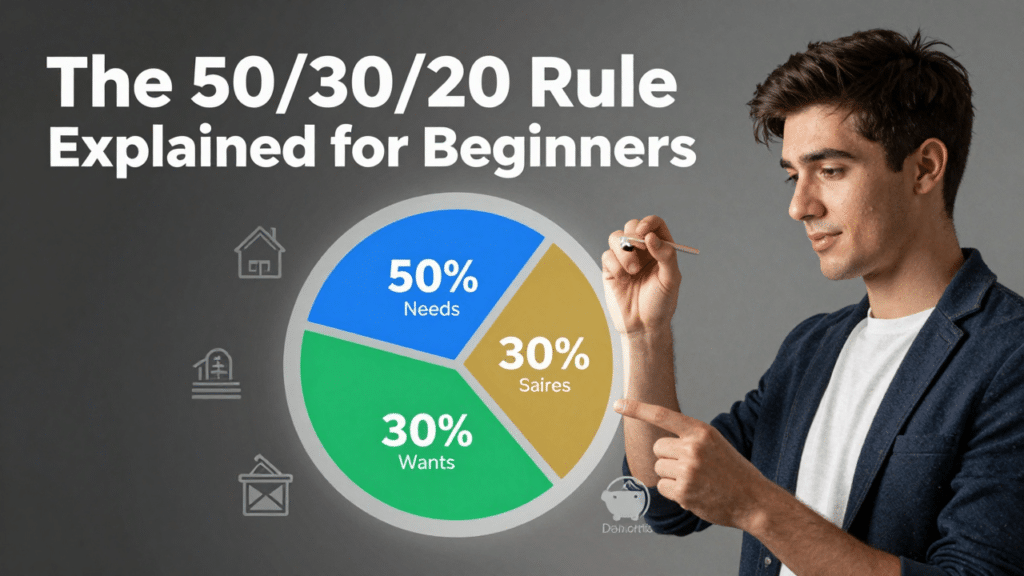
The 50/30/20 rule splits net income into three clear areas: 50% on needs, 30% on wants, and 20% on savings. This simple map helps you save consistently while covering daily costs and gives you a baseline you can adjust as life changes.
To apply it, start with your take home pay after taxes. For example, on a $4,000 monthly net pay, allocate about $2,000 to needs, $1,200 to wants, and $800 to savings. List monthly needs like rent or mortgage, utilities, and groceries, then note discretionary spending such as dining out or streaming services. Finally, set aside money for a savings goal like an emergency fund or retirement and for debt payoff if applicable. This keeps your budget balanced and builds a tangible savings plan towards your financial goals.
How to tailor percentages to your situation
Not everyone starts from the same point. If you’re tight on cash, begin with 60/20/20 and push toward 50/30/20 as you stabilize. If you carry high debt, you can raise the 20% toward debt payoff while keeping savings steady, then increase savings later when debt lowers.
Practical steps to tailor it well:
- Reclassify expenses: move irregular costs like car maintenance or annual insurance into the needs or savings bucket so they don’t surprise you.
- Use small, concrete targets: add $50, $100 to savings each month until you hit a larger goal like six months of expenses, which is crucial for increasing your savings.
- Audit bills quarterly: renegotiate or switch providers to free cash for retirement savings or debt payoff.
Set specific, measurable savings goals
Short-term vs. long-term goals
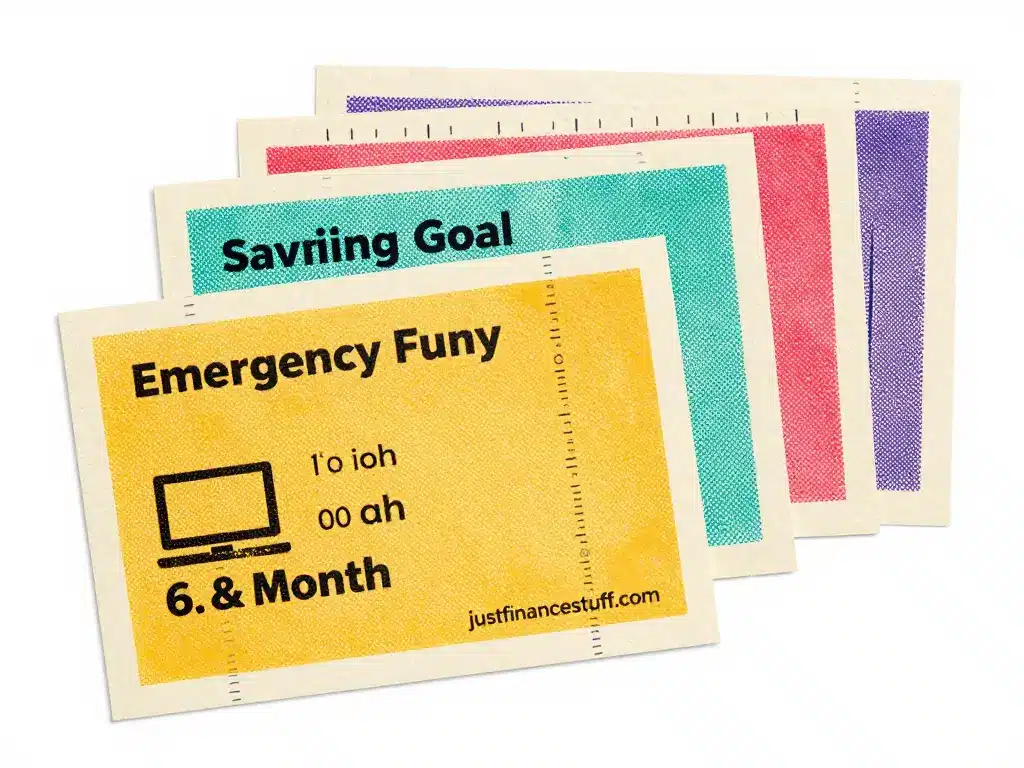
Different goals need different timelines. Short-term aims might be saving for an emergency fund or a new laptop within 3 to 12 months. Long-term goals often focus on retirement or a down payment on a home that takes years to reach. Knowing the time horizon helps you create a budget and choose a realistic saving pace to stay on track.
Creating SMART savings targets
Make goals SMART: Specific, Measurable, Achievable, Relevant, and Time-bound. For example, instead of simply saying “save more,” try “save £50 each week for 6 months to build £1,200.”
- Specific: name the goal, amount, and deadline.
- Measurable: track progress with a clear metric like pounds saved or percentage of goal reached.
- Achievable: set a realistic schedule based on net income and essential expenses.
- Relevant: Align goals with your overall financial plan and priorities, ensuring each budget category is well defined.
- Time-bound: Attach a date to prevent drift and create accountability in making a budget.
| Goal type | Example | Timeline | Monthly target |
|---|---|---|---|
| An emergency fund is essential for managing unexpected expenses. | Aim to save £1,000 for your emergency fund. | 6 months | £167 |
| New laptop | £800 | 4 months | £200 |
| Vacation fund | £600 | 12 months | £50 |
Build a monthly budget that aligns with your goals

Tracking income and fixed vs. variable expenses
Start with your net income after taxes and any steady sources of cash to create a budget. List fixed expenses that stay the same each month, like rent or mortgage, insurance, and loan payments. Then identify variable expenses that change, such as groceries, fuel, and entertainment. This split helps you see where you can adjust without touching essentials. For example, if your rent is $1,200 and groceries average $350, you can often reduce dining out as a budgeting method without moving your rent or insurance.
Next, compare past spending to your budgeting apps and your goals. If you want to save more, spot which variable areas consistently eat into your savings and cut them back first. A clear picture of fixed versus variable costs makes it easier to keep your money aligned with your plan. Use a simple 30-day tracker to flag any spike in discretionary categories like takeout or nonessential streaming subscriptions.
Allocating discretionary funds to savings
Treat savings like a non negotiable bill. Put a fixed amount into your savings plan as soon as your paycheck arrives, then spend what’s left. This habit stops you from using savings for impulse buys. If you earn $3,500 a month, set aside $500 for savings before any other spending.
- Set a monthly savings target that matches your long and short term goals.
- Assign a priority level to discretionary funds, so a small haircut here frees more to save, ultimately helping you spend less.
- Review and adjust each month based on income changes or new goals.
| Budget element | Example | Impact on savings |
|---|---|---|
| Fixed expenses | Rent £800, insurance £60 | Stability; minimal change to savings |
| Variable expenses | Budgeting for groceries £250 and transport £120 is crucial for effective money management. | Adjustable; target reductions boost savings |
| Savings transfer can be an effective technique for increasing your savings over time. | £200 monthly | Direct progress toward goals |
Use automations to save without thinking
Automatic transfers to savings accounts
Set up automatic transfers from your paycheck or monthly income to a dedicated savings account. This keeps saving steady even if you forget. Start with a modest amount and adjust as you review your budget.
Tips to get it right:
- Match the transfer frequency to your pay schedule, such as every payday.
- Label accounts clearly, for example savings for emergency fund and retirement savings.
- Review transfers quarterly to adjust for income changes or new goals.
Using rounding-up and micro-saving techniques
Rounding up purchases to the nearest penny and saving the difference can compound quietly. A few small rounds add up over a year. Set a ceiling you won’t miss, like rounding up to the next £1 or £5, so you don’t oversave when expenses spike.
| Technique like auditing your payments can help you make a budget that works. | How it works | Impact example |
|---|---|---|
| Rounding up | Every card purchase rounds up to the nearest £1 and the extra goes to savings | £2.50 weekly rounds = about £130 in a year |
| Micro-savings are effective ways to save money without feeling the pinch. | Save small amounts when a goal is reached or a bill comes in | £0.50 on a successful month adds up |
Cut unnecessary subscriptions and reclaim hidden costs
Reviewing what you pay every month can free up cash for saving. Start by listing every subscription and recurring charge, then decide which ones truly add value for your goals like saving for retirement or building an emergency fund. For example, if you pay £12 a month for a music app you never use, cancel it and redirect £144 a year to an emergency fund.
Auditing regular payments
Take three steps to audit your payments: review your spending habits to ensure you’re not exceeding your income.
- Collect receipts and bank statements for the last 90 days to catch small, inactive, or duplicate charges.
- Mark renewals with a calendar tag to avoid auto renewals you forgot about.
- Test usage by pausing a service for 30 days to see if you miss it before renewing.
Auditing helps you see where money leaks happen and what to cancel first. It often reveals fees from budgeting apps you barely use or missed price hikes on long term plans. In practice, you might find a $8 monthly app that you only used twice last year but forgot about.
Strategies to reduce recurring charges
- Switch plans to find better options that align with your financial goals. To cheaper tiers if your usage fits, then reallocate the difference to savings, which can help you spend less overall. For instance, drop a mid tier and save $6, $12 a month.
- Share memberships with a trusted friend or family member if allowed, cutting costs by roughly 40, 50% per person on family plans.
- Prefer annual payments Where possible to lock in lower rates and avoid month to month fees; commit to a 12 month plan if you expect steady use to help with your monthly expenses.
- Set renewal reminders a week before each renewal to reassess value and cancel if not essential, avoiding churn fees.
| Strategy | How it helps | Example result |
|---|---|---|
| Cancel unused services | Immediate monthly savings | £8, £20 freed per service annually can be a great way to save money and improve your money habits. |
| Switch plans | Lower price with similar features | £5, £15 monthly savings |
| Annual payments | One lower rate per year | £50, £120 saved over a year |
Optimize utility and daily expenses
Energy, water, and grocery hacks that save
Small tweaks save big bills over time, contributing to your goal of increasing your savings. Start with a quick audit of your monthly usage and target the biggest leaks first. For example, compare heating costs year over year to spot a 10, 20% difference.
- Set the thermostat to 68F in winter and 78F in summer, and let heating drop 2, 4 hours before bed or when you’re away, allowing you to save money without a budget.
- Seal gaps around doors, insulate pipes, and use weatherstripping and window coverings to cut heat loss and manage monthly bills.
- Switch to LED bulbs and use power strips for clusters of electronics to reduce standby power by about 5, 10% each month.
- Shop with a written list and compare unit prices online to avoid impulse buys at stores or on delivery apps.
- Buy only items you’ll use regularly in bulk, but split larger packs with a friend to reduce waste and stale pantry items.
Smart shopping and meal planning
Plan meals to cut waste and save money. A simple system helps you stay on track and avoids last minute high-cost choices. For example, sticking to a planned menu and pantry inventory can save about $30, $50 a week.
- Plan a weekly menu and shopping list based on leftovers and pantry staples; map each meal to a simple recipe to minimize decisions.
- Batch cook on Sundays and freeze portions for quick weekday dinners, cutting dine-out temptations by 40, 60% in busy weeks.
- Use discounted or misshapen vegetables in soups and stews to lower costs without sacrificing nutrition; label and freeze for later use as a way to save.
- Maintain a grocery price book and track regular price cycles; time purchases around sales and loyalty discounts.
- Limit premium sauces and branded items; substitute with versatile staples like canned tomatoes, beans, and spices to keep flavor high and costs low.
Boost savings with smart spending habits
Planning ahead for large purchases
Think through big buys before you pull out your card. Decide what you actually need, compare two or three options, and set a target price. This keeps overspending from eroding your savings.
- Make a short list of must-haves vs nice-to-haves, and note any deal-breakers like warranty or return policy.
- Delay purchases by 48 hours to 72 hours to cool off choices, especially for high-ticket items.
- Set a saving target for the item and track progress weekly, adjusting as prices shift or sales appear.
The 1-month wait rule and impulse control
Wait a full month before buying non-essentials. This practice turns impulse purchases into planned expenses, helping you keep money aside for long-term goals. If after the wait you still want it, verify it fits your budget and use case.
- Break habit purchases like gadgets or fashion into monthly decisions, e.g., evaluate a new phone every 30 days or compare three outfits over a month.
- Use a separate fund labeled for your savings goals to see progress clearly, and automate a small weekly transfer that matches your target timeline.
- Review your impulse triggers and remove the most common ones, such as certain apps, notifications, or flash sale alerts for 24 hours.
| Developing a habit of budgeting can help you achieve your goals. | How it helps | Impact example |
|---|---|---|
| Plan large buys | Reduces overspend and protects savings | £50-£200 saved per item |
| Wait 1 month | Turns impulsive buys into deliberate decisions | Lower annual regret purchases |
FAQ
Here are quick answers to common questions about budgeting for saving and building solid financial habits. The goal is to give you practical steps you can start today.
- What is the best way to start saving if I have little money left each month? Start with small, automatic transfers into a savings account. Even £5, £10 per week adds up over time and reduces the chance you spend it on daily expenses. For example, £10 weekly becomes about £520 in a year, demonstrating effective budgeting and saving for unexpected expenses.
- Should I pay down debt before saving? It depends on your sources of income and financial obligations. If you have high-interest debt, paying it down often gives a better return than small savings gains, making it crucial for effective money management. If rates on debt are low, you can combine paying down debt with saving, using a balanced plan. A practical rule: target any debt above 6, 7% APR first, then save.
- How do I set long-term savings goals? Write down specific targets, like retirement or an emergency fund, and attach a date. Break each goal into monthly savings amounts and review progress quarterly. Example: retirement at 65 with £300k target, save £200 monthly starting now.
- Can automations really help save without thinking? Yes. Set up automatic transfers to savings and, if possible, automatic contributions to a retirement or investment account to lock in saving as a habit. Use calendar reminders only as a backup, not as your primary method.
- What about big bills or unexpected costs? Build a separate buffer in your personal budget. Aim to have at least three months of essential expenses in an easily accessible fund. If you earn irregular income, save a smaller monthly target in a rolling 6-week window.
| Question | Key takeaway | Ready-to-try tip |
|---|---|---|
| Start small to achieve your goals in money management. | Automatic saving builds habit and is one of the best ways to save money. | Set up a £5 weekly transfer |
| Debt vs saving | Higher return depends on interest | Tackle high-interest debt first |
| Emergency fund | Reduces stress from surprises | Three months of essential bills |
Conclusion
Recap of practical steps
Putting money aside starts with a simple plan you can follow monthly. Budgeting for saving means you allocate part of your monthly income To a dedicated savings pool before other spending, which aligns with your financial goals. Use the 50/30/20 rule as a baseline, then tailor it to your needs and savings goals.
- Set short-term and long-term goals like an emergency fund worth 3 months of expenses or retirement savings of 15% of income.
- Track income and expenses, separating fixed and variable costs, and review one category each week to find a hidden leak.
- Automate transfers to avoid missed saving opportunities and to build discipline, e.g., 50% of any raise goes to savings for 3 months.
- Cut unnecessary subscriptions and review recurring charges for better efficiency, renegotiating bills where possible.
- Look for small tweaks in daily spending that unlock bigger savings over time, such as brewing coffee at home or packing lunches.
Encouragement to start saving today
Start with a small, steady habit and build from there. A personal savings plan doesn’t have to be perfect to work; consistency matters more than perfection. For example, saving $25 weekly adds up to about $1,300 a year.