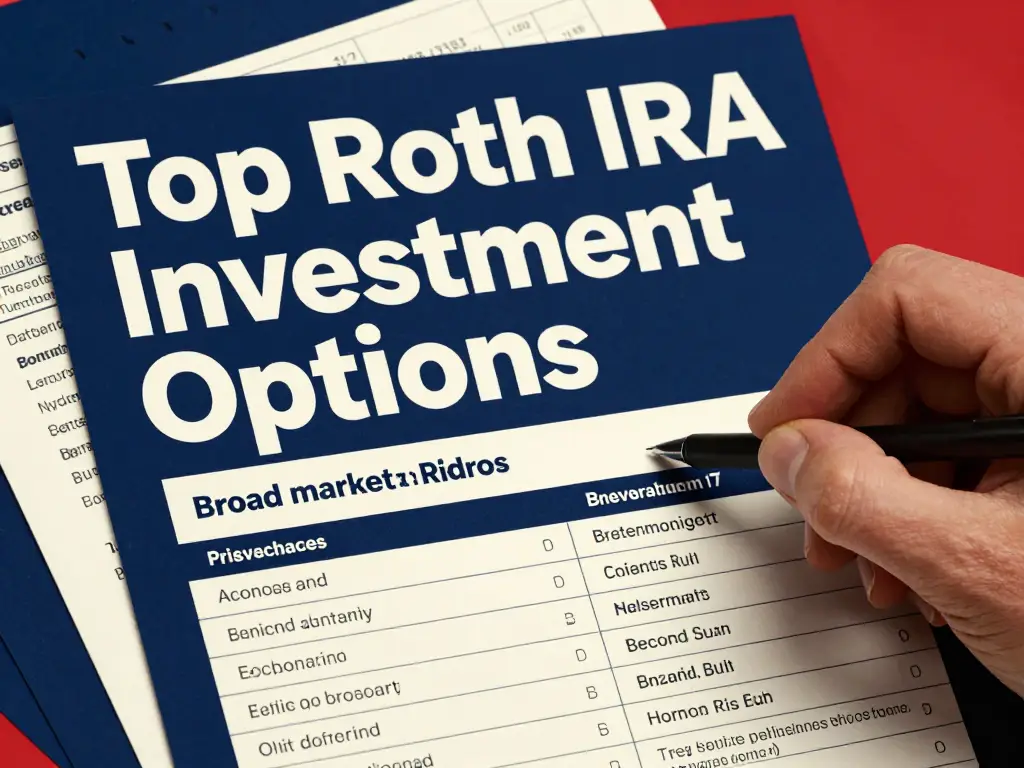
You’ve heard about Roth IRAs, but do you know why they’re one of the most powerful retirement savings tools? A Roth IRA lets you invest after-tax dollars so your money can grow tax-free for decades. Unlike traditional IRAs, you don’t get a tax break now-but in retirement, your withdrawals, including earnings, are completely tax-free. That’s a big deal if you expect to be in a higher tax bracket later. And yes, there are rules-like income limits that can block some people from contributing directly. But if you qualify, a Roth IRA is a powerful way to build long-term wealth without worrying about taxes eating your gains.
Don’t get tripped up by these rules and limits
You can’t ignore the Roth IRA withdrawal rules if you want to keep your retirement money safe. The big one? You must be at least age 59½ to take qualified distributions in retirement. If you withdraw earnings before then, you could owe ordinary income tax and a 10% penalty. But once you hit 59½, your withdrawals are tax-free – including earnings – as long as the account has been open at least five years. That’s the key to getting the full benefit: distributions in retirement are tax-free when they’re qualified.
The 59½ rule you need to know

Turning 59½ is a major milestone for your Roth IRA. Only after you reach this age can you make qualified distributions in retirement without penalties. Before that, any withdrawal of earnings might be taxed as ordinary income or hit with extra fees. But once you’re past it, your withdrawals in retirement stay completely tax-free, even on investment gains. This is what sets Roth IRAs apart from tax-deferred accounts where you pay taxes later. Mark your calendar – this rule protects your wealth.
Keeping an eye on those contribution caps
The contribution limit for a Roth IRA in 2026 will depend on inflation adjustments, but currently it’s $7,000 per year ($8,000 if you’re 50 or older). You can’t contribute more than your earned income, and high earners may face reduced limits or be phased out entirely. Exceeding the IRA contribution cap leads to IRS penalties. Plan ahead – staying under the roth ira contribution limit keeps your account growing cleanly. Smart saving means playing by the rules. 💡
What should you actually hold in your Roth?
You’ve got plenty of IRA investment options once the money’s in your Roth IRA. Most people choose from stocks and bonds, mutual funds, ETFs, or index funds-all solid investments for a Roth IRA. A target-date fund is a popular pick because it automatically adjusts your mix of asset classes as you near retirement. You can also mix in individual stocks if you want more control. Just remember, not all types of investments are equally smart within a Roth IRA-tax efficiency still matters.
Why I’m a fan of low-cost index funds
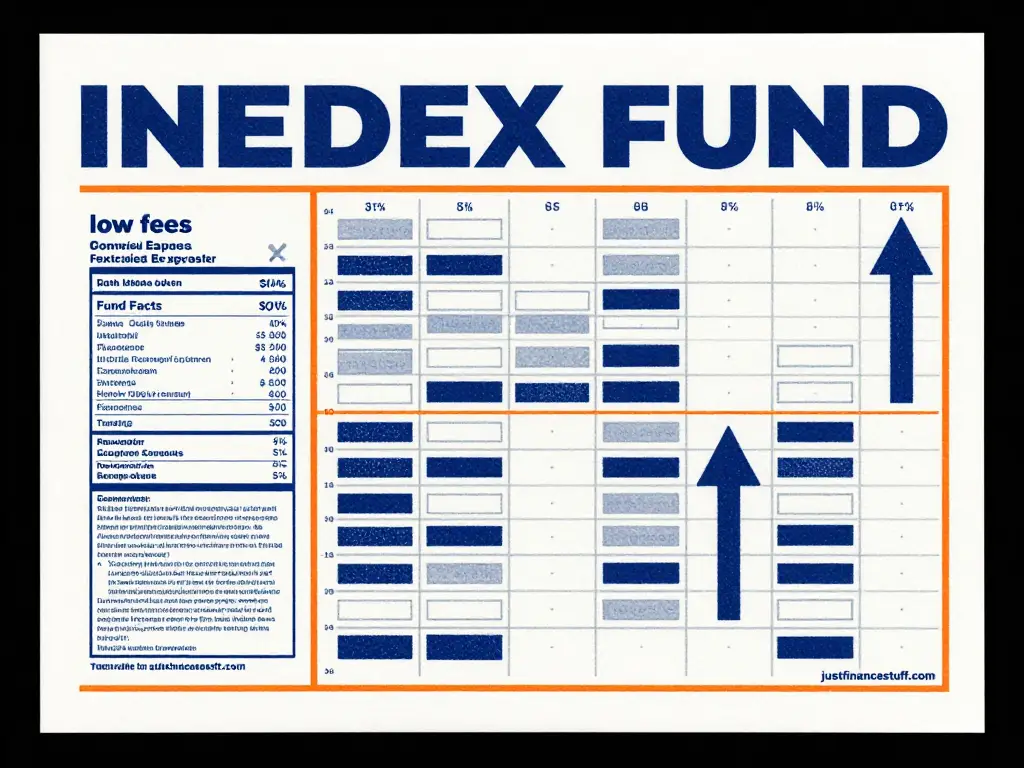
Index funds are one of the best Roth IRA investments because they spread your money across hundreds or even thousands of stocks with low fees. For example, an S&P 500 index fund like VOO or SPY tracks the 500 largest U.S. companies and has kept costs under 0.10% for years. Over decades, that adds up. Since your Roth IRA grows tax-free, keeping expenses low means more of your returns stay in your pocket. That’s why so many long-term investors rely on them.
Picking individual stocks for that extra growth
Buying individual stocks can boost your Roth IRA returns-if you know what you’re doing. Unlike funds and ETFs, picking single companies puts all your focus on one place. You could gain big if a stock like Apple or Tesla keeps rising, but losses hurt more too. It’s riskier than holding broad asset classes, so only allocate what you can afford to lose. Still, for some, that thrill of growth is worth the gamble.
Let’s talk about those tax-efficient investments
Smart investors know that tax-efficient investments can make a big difference in how much you keep over time. In a Roth IRA, your earnings grow tax-free – including dividend income and capital gains – so you won’t pay a single dollar in income tax when you withdraw it later. That’s why stuffing your Roth with assets that usually create heavy taxable bills – like high-dividend stocks or real estate investment trusts – makes so much sense. You’re shielding those returns from the IRS forever. Fidelity even offers crypto options in Roth accounts, where future gains could be massive – and completely tax-free.
REITs and dividends: The tax-free income dream
Real estate investment trusts, or REITs, hand out big dividend checks – sometimes 5% or more each year. Outside a Roth, that income gets taxed every year. But inside your Roth IRA, that same payout grows silently, reinvested without any tax bite. That means decades of compounding without Uncle Sam taking a cut. For example, if you’d invested $5,000 in a REIT like Realty Income back in 2010, those annual dividends would’ve been fully taxable every year – unless they were in a Roth. Inside a Roth? All that income and future capital gains stay tax-free, no matter how large it grows.
Is crypto in a Roth IRA a good idea?
Crypto might be wild, but putting Fidelity Crypto assets in your Roth IRA could be one of the smartest tax moves you make. Since Roth accounts use after-tax dollars, any massive price jump – say, if Bitcoin goes from $50,000 to $150,000 – means zero capital gains tax when you sell. That’s a huge win. But beware: crypto is risky, and only put in what you can afford to lose. Still, the combo of no taxes on explosive growth? That’s a rare chance to let volatile assets run wild – safely. Fidelity lets you buy Bitcoin directly in a Roth, making it easier than ever.
How to seriously grow your retirement savings
You can’t just open a Roth IRA and forget it-real growth takes a smart plan. Your retirement savings need an investment strategy that matches your risk tolerance and timeline. Most people use a brokerage like Fidelity Investments to hold their IRA accounts and choose from thousands of stocks, bonds, and funds. The key is to stay invested over time so you benefit from compounding and market upswings. Even small, regular contributions can grow big if you start early and stay consistent.
Finding your perfect asset allocation
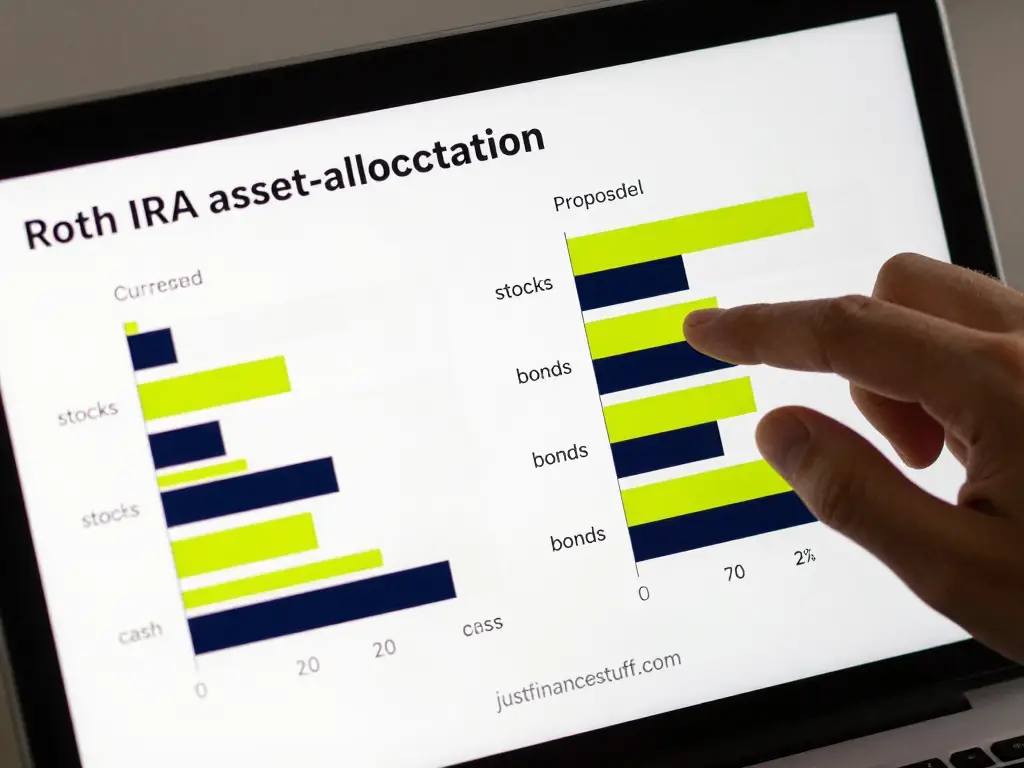
Asset allocation means splitting your money across different types of investments-like stocks, bonds, and cash-based on your goals and risk tolerance. A 30-year-old might keep 80% in stocks for growth potential and 20% in bonds for stability, while someone near retirement may flip that. There’s no one-size-fits-all allocation, but tools at brokerages like Fidelity offer free guidance. Getting this balance right helps you avoid big losses while still chasing solid investment growth over time.
Why long-term growth is the name of the game
Short-term market swings can be scary, but your retirement account is built for the long run. The real power of a Roth IRA shows up over decades, not months. With long-term growth potential, your money can ride out downturns and compound into something much bigger. Think of it this way: $500 invested monthly in a low-cost index fund could grow into hundreds of thousands over 30 years. Staying patient and avoiding early withdrawals keeps that growth engine running strong. 🚀
Summing up
You now know that money in a Roth IRA can grow without taxes if you follow the rules. The big win? You pay taxes on your contributions now, so qualified withdrawals in retirement are tax-free. Inside a Roth IRA, you can invest in stocks, bonds, ETFs, mutual funds, or even real estate – but keep fees low and think long-term. The 2024 contribution limit is $7,000, or $8,000 if you’re 50 or older. Makes the Roth IRA a powerful tool, especially if you expect to be in a higher tax bracket later. Start early, stay consistent, and let time do the heavy lifting.
FAQ
What are the best investments for a Roth IRA to grow wealth over time?
Low-cost index funds and ETFs are strong choices for long-term growth in a Roth IRA because they offer broad market exposure and compound tax-free over time. Individual stocks and REITs can also boost returns but come with higher risk and should match your risk tolerance and time horizon.
How much can I safely expect to earn in a Roth IRA?
You can’t predict exact earnings, but historically, the stock market has returned about 7% to 10% annually over long periods, on average. Your actual return depends on your investments, time in the market, and how you manage risk.
What mistakes should I avoid with my Roth IRA to protect my retirement savings?
Don’t withdraw earnings before age 59½ to avoid penalties and lost growth, and don’t overload on risky assets that don’t fit your time frame. Also, ignore contribution limits or deadlines, since exceeding them can trigger taxes or disqualify your account.