Understanding Basic Money Concepts and Why They Matter
The Building Blocks of Financial Literacy
Financial literacy is knowing how money works and using that knowledge to make better choices. It starts with everyday habits like budgeting, saving, and watching money grow over time.
Key building blocks include:
- Budget: a plan for spending and saving.
- Saving: setting aside money for needs and goals.
- Interest: earning more money when you save or invest, or paying more when you borrow.
- Debt awareness: understanding how borrowing works and the true cost of debt.
- Credit history: a record that helps lenders judge risk when you borrow.
Why Understanding Financial Concepts Matters
Knowing basic money concepts helps you make informed decisions. It helps you set realistic goals, avoid common traps, and plan for the future.
What this means in daily life:
- Spend within your means and build an emergency fund for unexpected expenses.
- Save for short term needs and long term goals, like a home or retirement.
- Understand how time and money work together to grow wealth through saving and investing.
Budgeting: The Foundation of Money Management
How to create a budget
A budget is a simple plan that shows where money comes from and where it goes. Start by listing your income and every regular expense. This clarity helps you decide what to save and what to spend.
Steps to build a budget:
- Track all sources of income for a month.
- List fixed bills like rent, utilities, and loan payments.
- Estimate variable costs such as groceries and transportation.
- Set targets for saving and debt repayment.
- Review weekly to stay on track and adjust if needed.
Simple budgeting methods
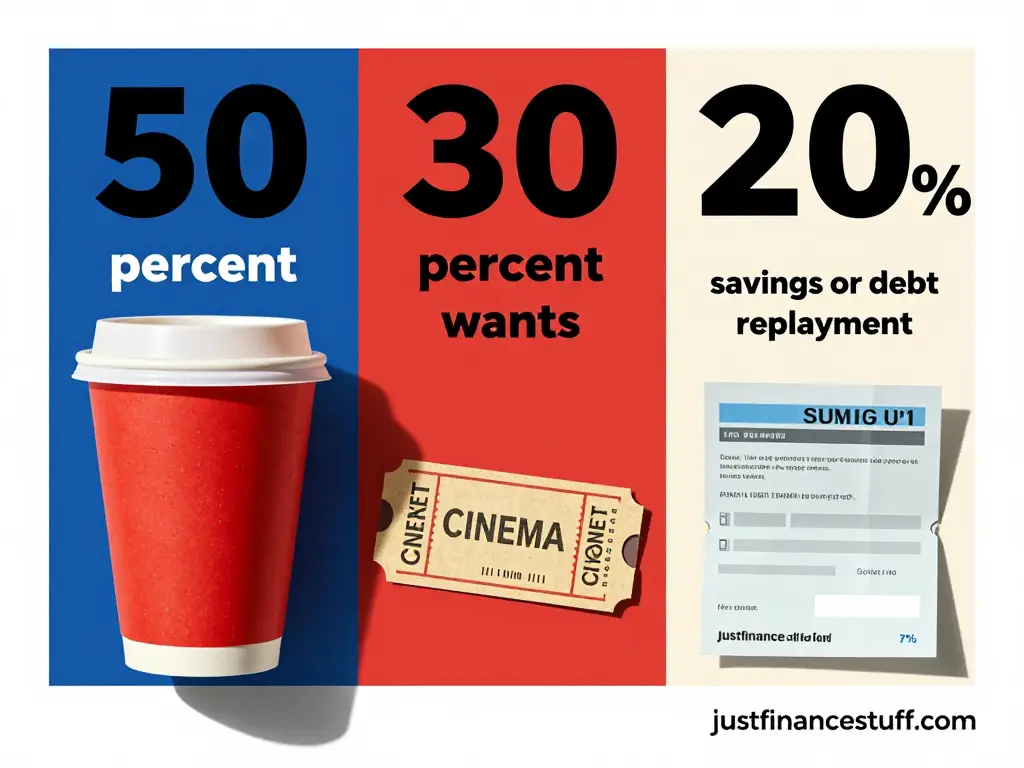
There are several straightforward ways to budget. Pick one that fits your habits and stick with it for a few months to see real results.
- 50/30/20 approach: 50 percent for needs, 30 percent for wants, 20 percent to savings or debt repayment.
- Zero-based budget: give every dollar a purpose so income minus expenses equals zero.
- Envelope method: allocate cash for categories and use only what you put in each envelope.
- Pay yourself first: automate a transfer to a savings or investment account as soon as income arrives.
Saving Money and Building Financial Security
Emergency funds and short-term savings
An emergency fund is money set aside to cover unexpected expenses or income gaps. It helps you avoid high-interest debt when life throws a financial curveball. A practical target is three to six months’ worth of essential expenses.

How to start building it:
- Open a separate savings account at a FDIC or equivalent insured institution.
- Automate small, regular transfers from your checking to your emergency fund.
- Keep the fund in a liquid place so you can access it quickly when needed.
- Review the balance every few months and adjust as your needs change.
Turning financial goals into a savings plan
Saving is the bridge between earnings and future needs. Clear goals make it easier to stay disciplined and measure progress. Translate goals into concrete steps you can monitor over time.
Steps to convert goals into a plan:
- Define what you’re saving for, such as a car, education, or a home improvement project.
- Set a realistic timeframe and a specific amount to save each month.
- Choose a savings vehicle aligned with your goal and risk tolerance, like a savings account for short-term aims or a money market fund for moderate growth.
- Track progress quarterly and adjust contributions if your income or priorities shift.
Compound Interest and How Money Grows
How compound interest works
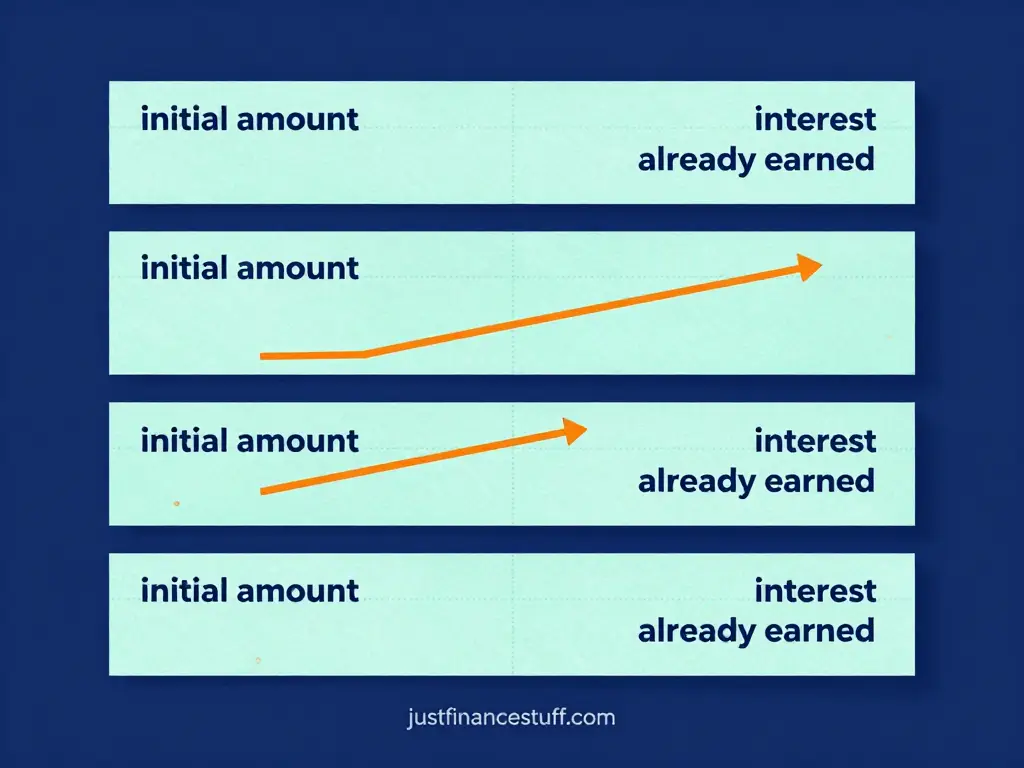
Compound interest grows your money on the initial amount and on the interest already earned, significantly enhancing your financial future. In simple terms, you earn interest on top of interest over time. This effect helps money grow faster when it stays in an account or investment that pays interest.
Key ideas to grasp:
- Interest is the extra money paid for keeping money in a savings account or in an investment.
- Compounding frequency matters. More frequent compounding can yield more growth over the same period.
- Starting early matters in achieving financial security and optimizing your individual retirement accounts. The sooner you begin, the more time the money has to compound.
Why time matters with compound growth
Time amplifies the benefits of compound interest, which is a key principle in financial education. Small, regular contributions can grow into a sizable balance years later thanks to compounding.
Simple guidance to apply this basic concept:
- Set up automatic, regular deposits to a savings or retirement account.
- Keep money invested for longer horizons to maximize growth.
- Reinvest returns to let the next cycle compound further.
Investing for long-term financial growth
Investing vs. saving
Saving sets money aside in low-risk accounts for near-term needs. Investing puts money into assets that can grow over time, but may carry more risk. The main difference is time and potential return.
Save to cover emergencies or short-term goals, and invest for goals that are several years or more away. This approach balances safety with growth while you manage risk.
Basic investment concepts beginners should know

- Diversification: spreading money across different asset types helps reduce risk.
- Asset classes: stocks, bonds, and cash behave differently and play different roles in a portfolio.
- Costs matter: fees and taxes affect net returns, so compare expense ratios and avoid high-cost options when possible.
- Risk tolerance: your comfort with volatility guides asset choices and rebalancing frequency.
- Time horizon: longer horizons typically support higher exposure to growth assets like stocks.
- Investment vehicles: mutual funds, exchange-traded funds (ETFs), and index funds offer broad exposure with varying costs.
- Regular investing: automatic contributions help smooth market fluctuations and build wealth over time.
Understanding Credit Cards and Credit Scores
How Credit Cards Work
A credit card lets you borrow money from a lender to buy goods or services. You repay what you borrow, plus interest and fees, by the due date each billing cycle.
Key pieces to know:
- Credit limit: the maximum you can charge on the card.
- Statement balance: the amount you owe at the end of the billing cycle.
- Annual percentage rate (APR): the yearly cost of carrying a balance if you don’t pay in full.
- Minimum payment: the smallest amount you must pay by the due date to avoid late fees.
- Fees: possible annual fees, foreign transactions, or late payment fees.

What Can Affect Your Credit Score
Your credit score is a numeric snapshot of credit risk, based on how you handle borrowing and repayments.
- Payment history: paying on time helps build a reliable track record.
- Amounts owed can impact your financial decisions and should be monitored closely.: high balances relative to limits can lower your score, even if you pay on time.
- Credit history length: longer histories usually support higher scores.
- New credit activity: opening multiple accounts quickly can momentarily dip your score.
- Credit mix: different types of credit can help with score over time.
Debt and responsible borrowing
Understanding different types of debt

Debt comes in several forms, and each type has different costs and rules that can impact your financial well-being. Knowing the difference helps you choose wisely and avoid surprises.
- Credit card debt: revolving credit with a limit and ongoing balance. It often has high interest if balances aren’t paid in full each month.
- Borrowed money for big purchases: personal loans or auto loans. These have fixed payments and a set term.
- Mortgages: long-term loans to buy real estate. They usually have lower rates and longer repayment periods, but include costs like property taxes and insurance.
- Student loans: funds for education. They may have income-based repayment and sometimes deferment options.
- Medical debt and other specialty loans can significantly affect your overall financial well-being.: specific purposes with their own terms and potential forgiveness or repayment options.
Understanding the true cost of borrowing
Borrowing always costs more than the principal. The total depends on rate, fees, and how long you carry debt.
| Cost factor | How it affects you |
|---|---|
| Interest rates play a crucial role in financial decisions. | Higher rates raise total payments over time |
| Fees | Origination, annual, or late fees add to what you repay |
| Repayment terms can vary greatly between financial institutions. | Longer terms lower monthly payments but increase total interest |
| Fees vs. principal timing | Early fees push costs forward and compound sooner |
Basic money concepts for kids
Money smart basics kids can learn early
Teaching kids early builds a solid financial foundation. Start with simple ideas they can grasp and grow over time. Focus on how money is earned, saved, and used to meet needs and wants.
- Needs vs. wants: separate essential items from nice-to-haves to guide spending.
- Saving habits: setting aside money teaches patience and delayed gratification.
- Value of work: link earnings to tasks to show money comes from effort.
- Coin and bill basics: recognize common coins and notes and what they buy.
Simple ways to teach kids about money
Make lessons concrete with daily activities and short challenges. Keep explanations brief and grounded in real examples.
- Use a clear jar system for saving, spending, and sharing to visualize money flow.
- Allowance talks: align small amounts with simple chores or goals.
- Practice estimating prices at a store to build basic budgeting skills.
- Track small purchases to see how fast money leaves a piggy bank.
How Basic Financial Concepts Work Together
From income to saving and investing
Money starts with income, the cash you receive from work or other sources. Then plan how you spend and how much you save. Saving creates a cushion for emergencies and future goals. When you save consistently, you can move money into investments that aim to grow over time. This flow, income, budgeting, saving, and investing, helps your finances stay steady and grow over the long run.
A simple example of everyday money management
Imagine you earn 1 000 dollars this month. You set aside 200 dollars for an emergency fund, 100 dollars for short-term goals, and the rest for living costs. If you keep saving, a portion of the 500 dollars left can go into a diversified investment account over time. Your money then has a chance to grow through compounding while you stay within a budget that prevents overspending.
Common Money Management Mistakes to Avoid
Managing money without a clear plan
A simple plan shows how income covers needs, wants, and savings. Without it, small oversights add up and you have less money for goals.
- Skip setting financial goals or timelines
- Ignore regular spending checks and receipts at your own risk; they are vital for sound financial planning.
- Delay building an emergency fund or fail to prioritize it
Misunderstanding credit, debt, and investment risk
Guessing about borrowing costs and risk can lead to costly choices. Understanding how interest compounds, how debt affects cash flow, and how investments carry different risks helps you decide smarter.
- Confusing interest rate with APR or assuming all debt is equally harmful
- Overlooking the true cost of borrowing over time
- Underestimating market risk and how it can affect long-term plans
| Common mistake | Why it matters | How to avoid |
|---|---|---|
| No written plan | Income and expenses drift without tracking | Draft a simple budget with goals and milestones |
| Ignore debt costs | Interest and fees compound, raising total payments | Shop around for loan terms and aim for lower interest rates to achieve financial stability. |
| Unbalanced risk | Too much risk can derail long-term aims | Mix savings, debt payoff, and diversified investments |
How to improve your financial literacy
Learn financial concepts in the right order
Start with the basics and build gradually. Understanding how income, expenses, saving, and debt interact lays a solid foundation for investing and retirement planning. Focus on practical concepts you can apply today.
- Define your needs and wants to set clear spending priorities.
- Set a simple budget to track money in and out.
- Learn how saving builds an emergency fund before larger commitments.
- Grasp the difference between saving and investing and when each makes sense.
Turn financial knowledge into better money habits
Knowledge helps only when it guides financial decisions. Convert learning into routines that strengthen your financial health over time. Start small, then scale up as you gain confidence.
- Automate regular transfers to savings and, later, to investment accounts.
- Review spending weekly to catch surprises and adjust goals for better financial planning.
- Track progress toward financial goals to stay motivated and on target.
- Use plain language to evaluate new products, fees, and terms before borrowing or investing.
| Move from learning to action | Practical step | Expected outcome |
|---|---|---|
| From theory to routine | Automate transfers to savings | Emergency fund grows without constant effort |
| From numbers to behavior | Weekly spending review | Less waste, more room for goals |
Frequently asked questions about basic money concepts
What are the most important basic money concepts to learn?
These core ideas shape almost every financial choice. They help you see how money changes over time and how today’s actions affect tomorrow.
- Budgeting and needs versus wants to plan spending
- Saving and emergency funds to handle surprises
- Time value of money to understand today’s money vs future money
- Interest and compound growth to see how money can grow or costs can build
- Debt basics and the true cost of borrowing
- Credit scores and responsible credit use to manage future access to loans
- Investing concepts and risk alongside saving for long-term goals
- Retirement planning and different saving vehicles to prepare for the future
What should a beginner learn first about personal finance?
A practical path helps you build confidence quickly. Start with actions you can take this month for your financial future, not distant theory.
- Create a simple budget that tracks income, bills, and small savings
- Set a short term goal, like building a 500 to 1 000 emergency fund
- Open a basic savings account and automate monthly transfers
- Understand the difference between saving and investing
- Learn how credit works and how to avoid damaging your credit score
Final takeaway
Understanding basic financial concepts creates a solid base for making thoughtful money choices. The ideas of time value, saving, and investing work together to build financial resilience and long term security. Starting early helps your money grow through compounding, even with small, steady actions.
Put knowledge into practice with simple, repeatable steps. Build a clear budget, establish an emergency fund, and keep saving separate from investing. This trio reduces the impact of surprises and helps you grow resources over time. Stay alert for creeping expenses and adjust your plan before costs derail progress.
Money management is a lifelong habit. Small, consistent steps compound into bigger gains. Keep your goals in sight, revisit them periodically, and if you slip, reset quickly. Use that moment to tighten spending or lift your savings target without waiting for a perfect moment.