Why budgeting matters for young adults
Budgets lay the groundwork for a stable financial future. For young adults, a clear plan helps you live within your means, save for goals, and avoid debt traps. A simple budget shows where money goes and how to improve it over time.
Budgeting tips for young adults Focus on small, repeatable steps that add up to saving money, which is a key aspect of strong financial planning. Start with a monthly budget and adjust as life changes to ensure you can continue to manage money effectively. This builds financial literacy and confidence in personal finance decisions.
Common financial challenges new adults face
Many new graduates juggle student loans, rent, and uncertain income. Typical hurdles include variable bills, credit card debt, and difficulty tracking spending.
- Irregular income from part-time work or gigs, plus seasonal shifts like internships that slow pay in some months
- High upfront costs for housing, furnishings, and essentials that push early months toward debt
- Balancing debt management with savings goals, including emergency funds and retirement planning
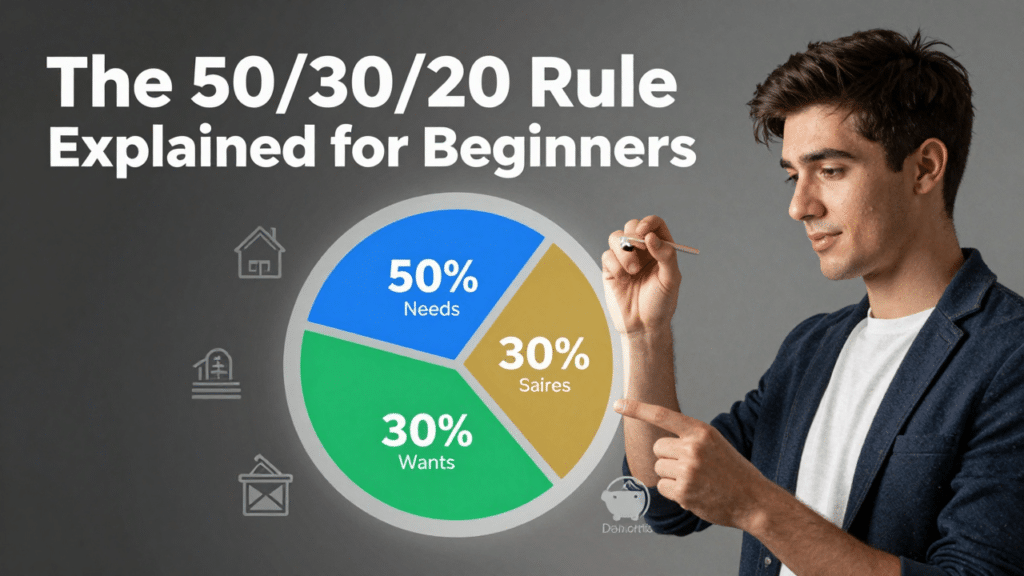
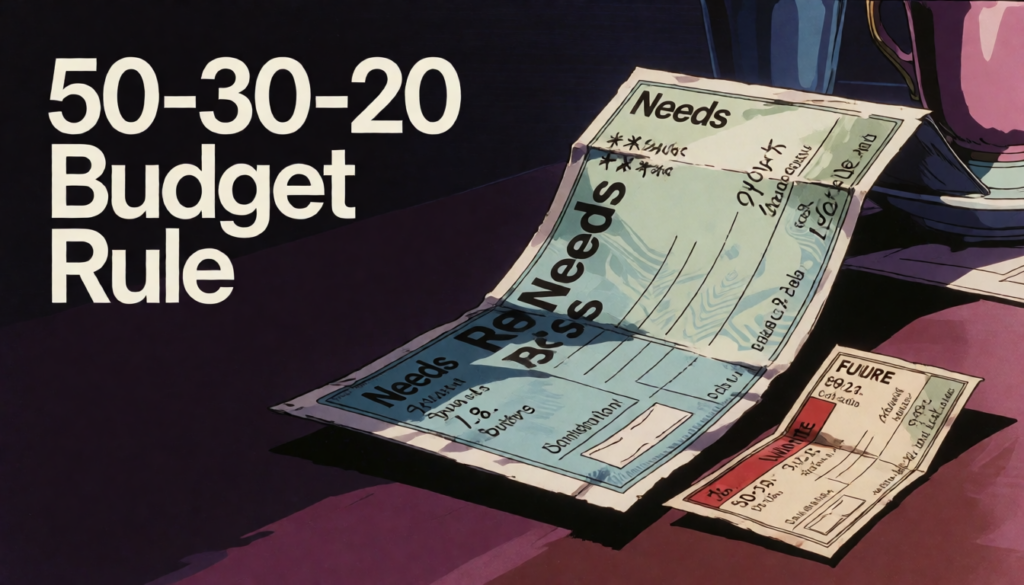
Staying on top of money matters requires practical steps, like logging income, tracking spending, and setting clear goals for better financial outcomes. Start with a simple 50/30/20 rule: 50% needs, 30% wants, 20% savings or debt payoff, then adjust after two cycles.
Track your income and expenses
How to log all sources of income
Begin with a simple list of every money stream you receive each month. Include part time jobs, scholarships, allowances, and side gigs. Record the amount, when you get it, and how often it arrives. This creates a clear picture of the money you can rely on.
- Use a consistent name for each source, e.g. “Part-time job,” “Scholarship,” “Gift.”
- Note timing, such as biweekly pay or monthly deposits.
- Track one month at a time to spot trends in irregular pay or seasonal bonuses, which can affect your budgeting plan.
Methods to record monthly expenses
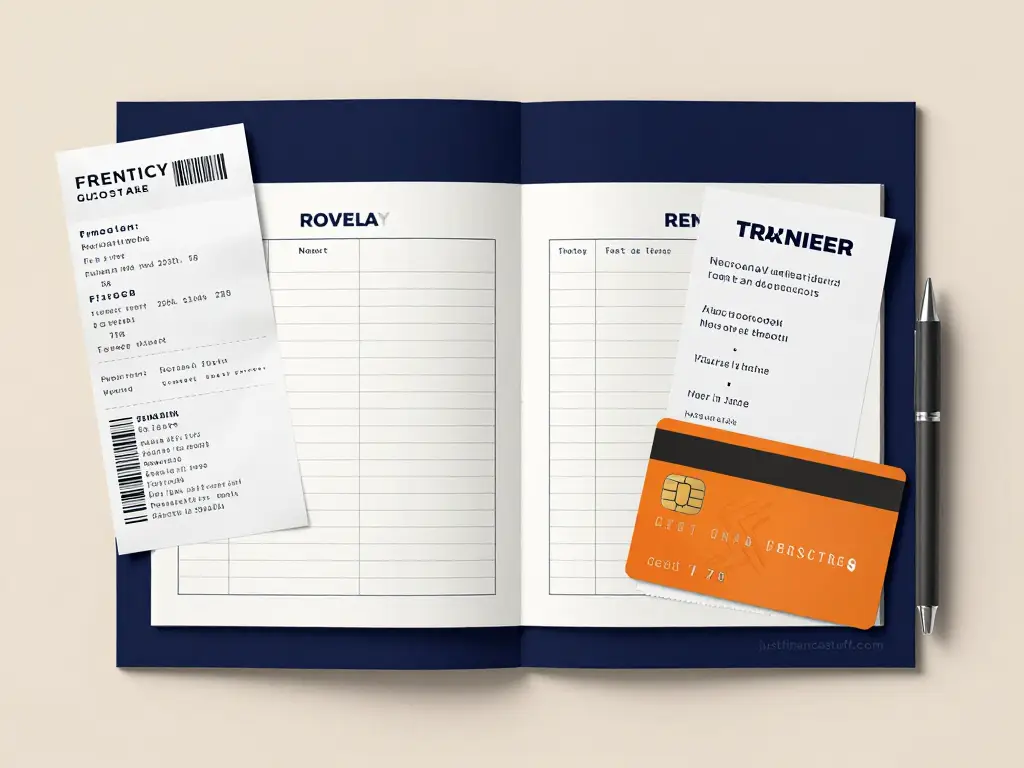
Keep a central log for all bills and daily spending. Start with non negotiables and small daily charges, then add discretionary costs. The goal is to see where every dollar goes to help you create a budget.
- Use a notebook, spreadsheet, or budgeting app to capture expenses as you incur them.
- Track your spending by recording at least once a week to avoid backlog and end-of-month surprises.
- Group expenses by category, such as housing, groceries, transit, and entertainment.
Identifying fixed vs. variable costs
Separate costs you pay regularly from those that shift month to month to better manage your finances. This helps you spot where you can trim without harming essentials.
- Fixed costs: rent, utilities, tuition, insurance premiums.
- Variable costs: groceries, dining out, gas, subscriptions you can pause to enhance your budgeting plan.
- Track trends for each category to see which changes yield the biggest impact.
Use the 50/30/20 rule
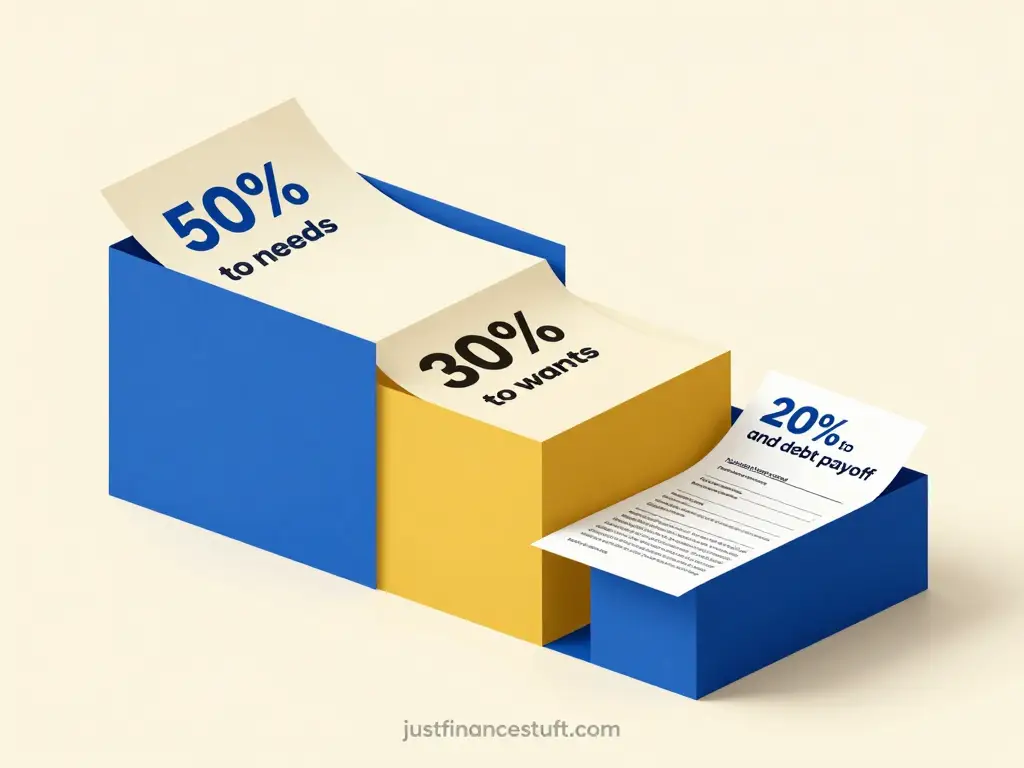
The 50/30/20 rule is a simple framework to divide your monthly income into three clear buckets. It helps you live within your means while building savings and paying down debt. This approach keeps things practical for budgeting tips for young adults.
Allocate 50% to needs
Needs are essentials you must pay each month, like housing, utilities, groceries, and transportation, which are crucial for better financial health. For example, if your rent is $1,000 and utilities are $200, that’s $1,200 of needs in a typical month. Keep total needs under half by prioritizing essentials first to improve your financial situation. If your phone bill goes from $60 to $90, cut back on nonessentials to stay under 50%.
Allocate 30% to wants
Wants include items that improve your life but aren’t strictly necessary, such as dining out, streaming services, and hobbies. Decide what adds real value without overspending. Real-world cap: if you earn $3,000 monthly, target around $900 for wants, then adjust if you get a raise or trim other costs to ensure financial success with your budgeting plan. Track weekly to stay on target.
Allocate 20% to savings and debt payoff
Turn a portion toward savings and debt payoff. Automate transfers so money moves right after paychecks arrive, aiding in managing your finances and budgeting for young adults. Over time, this 20% grows into an emergency fund, retirement, or debt reduction. Practical steps: open a high‑yield savings account, set automatic transfers of about $200 monthly, and list debts by interest rate to plan payoff.
Build an emergency fund with a start-from-scratch plan
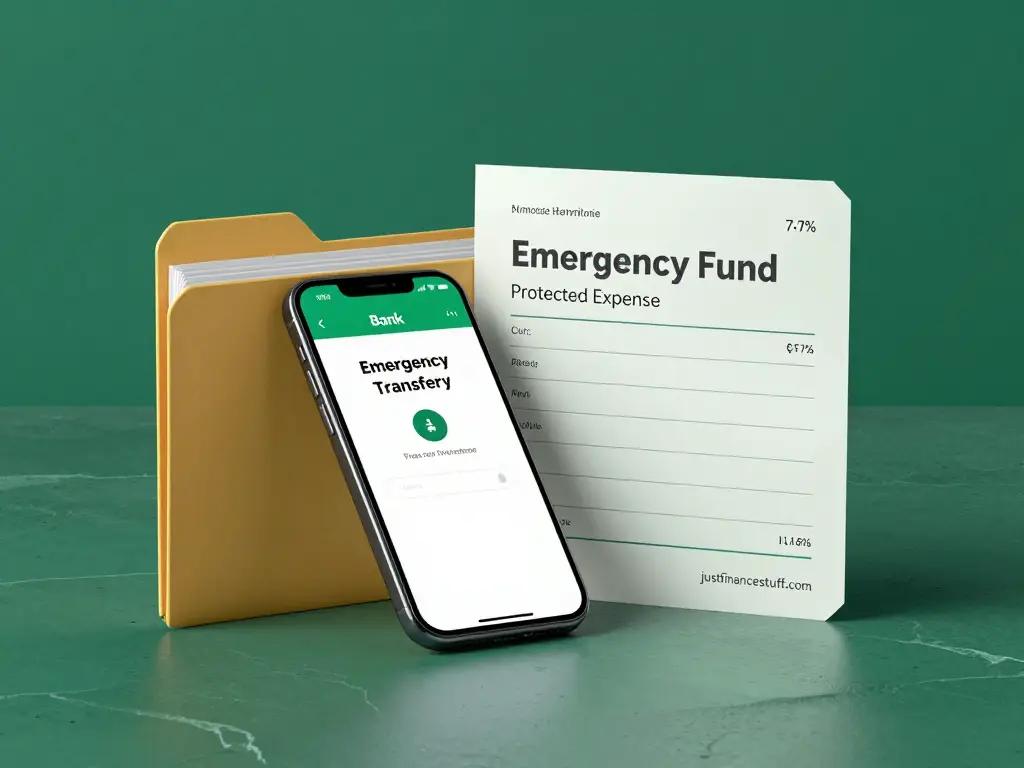
Why an emergency fund is essential
An emergency fund acts as a safety net for unexpected costs, like car repairs or medical fees. Having it in place helps you avoid debt and stay on track with longer-term goals. A small cushion also reduces stress when life throws a curveball.
Step-by-step starter goal and timeline
- Set a practical first target: save $500 as a quick safety cushion.
- Next milestone: aim for 1 month of essential expenses within 3, 6 months of income.
- Expand toward a budgeting plan for 3, 6 months over 12, 18 months as you build the habit.
Ways to automate savings for emergencies
- Set automatic transfers right after each paycheck lands into a dedicated savings account.
- Open a separate high-yield savings account to keep emergency funds out of easy reach.
- Review transfers if your income changes and adjust the amount you move monthly.
Set specific financial goals
Clear goals guide every budgeting decision toward achieving financial independence, a crucial element of personal financial success. Set financial goals to keep you motivated. Start by naming concrete targets, then map a realistic plan to reach them. This creates a practical path from today to a stronger financial future.
Short-term goals (3-12 months)
Focus on achievable wins that build momentum in your money management. Examples include building a small emergency cushion, paying off one small debt, or saving for a specific purchase as part of budgeting for young adults. Track progress monthly to stay on course.
- Set a starter target: save $1,000 for a security buffer within the year, plus $100 monthly until you reach it.
- Clear a high-interest balance to reduce monthly payments, such as a debt with 18% APR, within 6 months.
- earmark funds for a specific item or experience, like a $300 weekend trip, with a written deadline.
Medium-term goals (1-3 years)
These goals push you toward bigger milestones without feeling out of reach. They often require steady saving and adjustments as income or priorities shift. A practical rule: raise automatic transfers by 2, 5% after raises.
- Save for a car down payment or first apartment, aiming for 10, 20% of the target price.
- Build a more robust emergency fund to cover several months of essentials, such as 3, 6 months of expenses.
- Pay down student loans or other debts to improve monthly cash flow, targeting one larger payoff per year as part of practical tips for young adults.
Long-term goals (retirement and beyond)
Think about long-term financial health and security. Let retirement plans guide saving rates and investment choices, even when early steps feel small, as they contribute to your financial independence. Plan for changing costs like healthcare and housing over time.
- Outline a retirement contribution plan that grows with income, for example 5% now, then 7, 10% as earnings rise.
- Set a target for future home ownership and related costs, including maintenance and closing expenses.
- Prepare for major life events with a flexible saving and investing frame and periodic reviews.
Choose a budgeting method that sticks
Pick a budgeting method that fits your daily habits and income schedule. The right choice helps you stay consistent and reduces stress as you build your financial future.
Envelope system vs. digital trackers

Envelope system Create a budget that uses named categories with physical cash or digital equivalents to limit spending. For example, you might allocate $300 for groceries, $100 for gas, and $50 for dining out each week, then physically separate the funds or tag digital cards accordingly. Digital trackers Simulate this by labeling budgets inside an app, and they can alert you when a category is near its limit, helping with money management. A practical swap could be using a budgeting app that automatically tracks groceries from your bank feed and sends a push when you’re close to the limit. Choose envelope for tactile discipline, or digital trackers for easy syncing with banks and receipts.
Tips to pick a method you’ll actually follow
- Match the method to your payments: if most bills are online, digital trackers reduce friction.
- Start with three categories: needs, wants, and savings. Track for 30 days, then add a fourth category if you consistently overspend in one area.
- Set shared budgets if you share expenses with a partner or roommate to avoid confusion and ensure financial success. Use a joint note or shared app for transparency.
- Benchmark for 1, 2 months, then adjust before committing long term. Compare actual spend to planned every two weeks.
Common pitfalls and how to avoid them
- Overcomplicating the plan: keep it simple to avoid giving up, as practical tips suggest for better financial management. If you find yourself juggling many categories, pause and consolidate to make informed financial decisions as part of budgeting for young adults.
- Guessing rather than tracking: log every purchase for at least a month. Use receipt scanning to speed this up.
- Ignoring seasonal changes: adjust budgets during holidays, sales, or tuition dates. Build a short seasonal tweak plan for 4, 6 weeks at a time.
- Forgetting to review: schedule a monthly check to tweak categories and goals. Set a calendar reminder and lock a 15-minute review.
Manage debt early and wisely
Taking control of debt early reduces stress and frees up money for goals. Start by knowing exactly what you owe, the interest rates, and monthly minimums. A clear picture helps you choose the right plan and avoid costly mistakes. For example, listing each balance, its due date, and the minimum payment clarifies which debts to target first.
Prioritize high-interest debt
Tackle debt with the highest interest first to reduce overall costs. If you have credit card balances, pay them down before smaller unsecured loans. When you have multiple debts, put extra payments toward the top-rate debt while preserving minimums on the others to maintain financial security. Track progress with a simple chart showing balance declines month by month to help manage money effectively.
Strategies: snowball vs. avalanche

- Avalanche Method: pay off highest-interest debt first to minimize interest paid over time, a practical tip for managing money wisely.
- Snowball saving money can help you achieve your financial goals. method: pay off the smallest balance first to gain momentum and stay motivated.
When to consider consolidation or refinancing
- Consolidation can simplify payments if you have several loans with different due dates.
- Refinancing may lower interest rates on large loans, but compare total costs and fees before moving.
- Only pursue these options if they reduce your monthly minimums or total interest, and if you can still meet other financial goals.
Save for retirement early
Starting to save for retirement early pays off, even if your income is small. The power of compound growth means your money grows faster the sooner you start, so you build a cushion for future financial stability. For example, saving $100 a month at 7% annual growth becomes over $170,000 in 40 years, even if you begin at age 25.
Why start now regardless of income
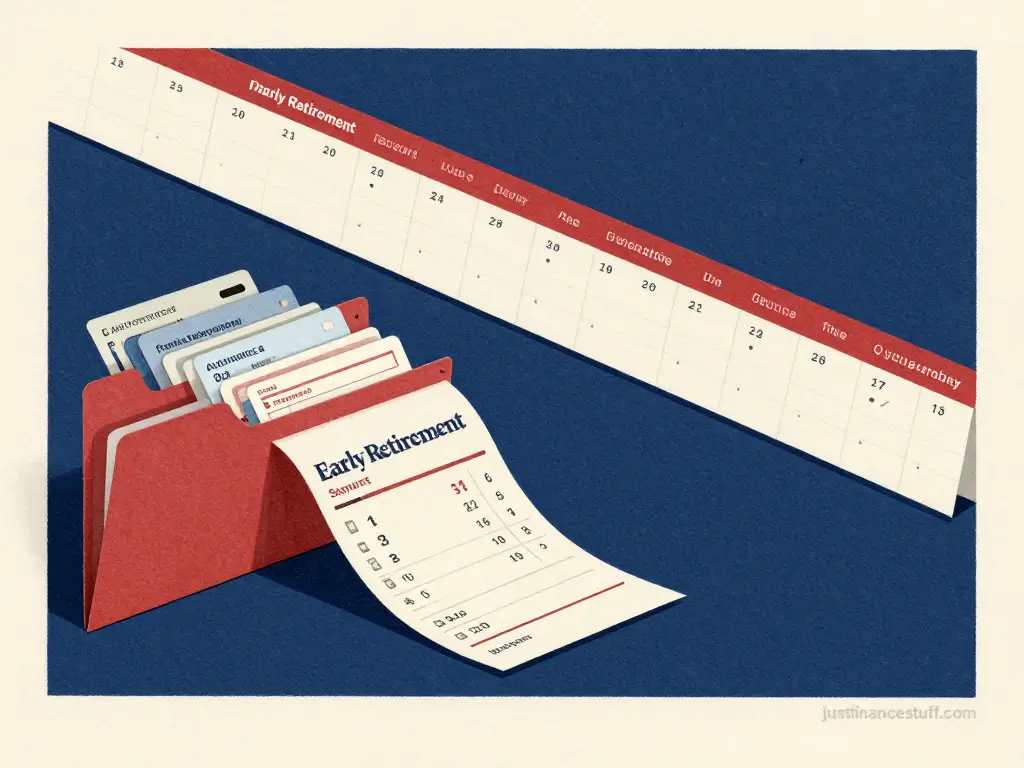
Even small monthly contributions add up over time. Beginning early also builds the habit of saving, which helps you stay disciplined as earnings rise. If you skip years, a large catch-up later usually requires bigger monthly deposits or a higher risk strategy in your financial plan. You don’t need a perfect plan to begin; a little is better than none.
Simple retirement accounts for students and graduates
- Roth IRA or traditional IRA in the United States, accessible to many earners with contribution limits. For 2024, you can contribute up to $6,500 if you’re under 50, or $7,500 if 50 or older; the tax treatment depends on type and income.
- Employer plans like a 401(k) when available, often with automatic payroll deductions. If your employer offers a match, contribute at least enough to maximize the match, which is effectively free money.
- Flexible options through a credit union or bank that offers beginner-friendly retirement accounts are essential financial tips for young adults. Look for low minimums, no monthly fees, and easy online access.
Automating contributions and increasing them over time
- Set automatic transfers from checking to retirement accounts each payday to enhance your financial security. Start with a realistic amount, then set a calendar reminder to review annually.
- Increase contributions gradually when you get raises or bonuses to enhance your financial situation. A 1, 2% higher percentage each year keeps you aligned with income growth without feeling a pinch, which is a strong financial strategy.
- Review beneficiary designations and adjust annually to reflect goals. If you have dependents or major life changes, update them within 30 days of the event to maintain strong financial health.
FAQ
What is a good emergency fund size for a recent graduate?
A practical target is at least 1 month of essential living costs, then grow to 3 months over time. If rent, utilities, and food total $2,000 monthly, aim for a $2,000 to $6,000 cushion as you build your fund.
For real world context, many grads start with a 1.5 month cushion and add $100 to $300 a month as bills rise or fall. If you land a job with a signed salary of $3,500 monthly, you might set a 2.5 month goal within six months, reaching around $7,000 as you stabilize.
How do I stay motivated to budget when income is uncertain?
Anchor your plan to fixed needs first, then adjust wants to make informed financial decisions. Use small, frequent check-ins and celebrate small wins, like sticking to a weekly grocery limit. Automate simple tasks, such as paying bills on the same day each month, to reduce decision fatigue and improve your spending habits.
Practical steps you can take now: set up 2 automatic transfers each payday, one to your emergency fund and one to a separate sinking fund for irregular expenses like car repairs. Schedule a 10-minute weekly review to compare actual vs planned spending and adjust next week’s categories accordingly.
Which apps or tools are best for budgeting on a tight budget?
- Simple tracking apps that show where every dollar goes.
- Apps with automatic syncing to bank accounts for real-time balance updates.
- Budgeting tools that support envelope-style categories or zero-based budgets.
Conclusion
Recap of practical steps
Start by building a clear budget and logging all income and expenses. Use the envelope system or a digital tracker to see where every dollar goes. Apply the 50/30/20 rule to balance needs, wants, and savings. Start a starter emergency fund with automatic transfers so money moves even on busy days. Set short, medium, and long term financial goals to guide decisions and measure progress. Pick a budgeting method you can actually follow and avoid common traps like overcomplicating categories or skipping reviews.
Concrete steps you can take this week:
- Open a high yield savings account and set up a monthly automatic transfer of 3, 5% of take‑home pay.
- Track every expense for 14 days with a simple app or spreadsheet, then group into needs, wants, and savings.
- Do a quick monthly review to adjust categories, revisit goals, and reallocate surplus toward debt or an emergency fund.