What this covers: budgeting tips
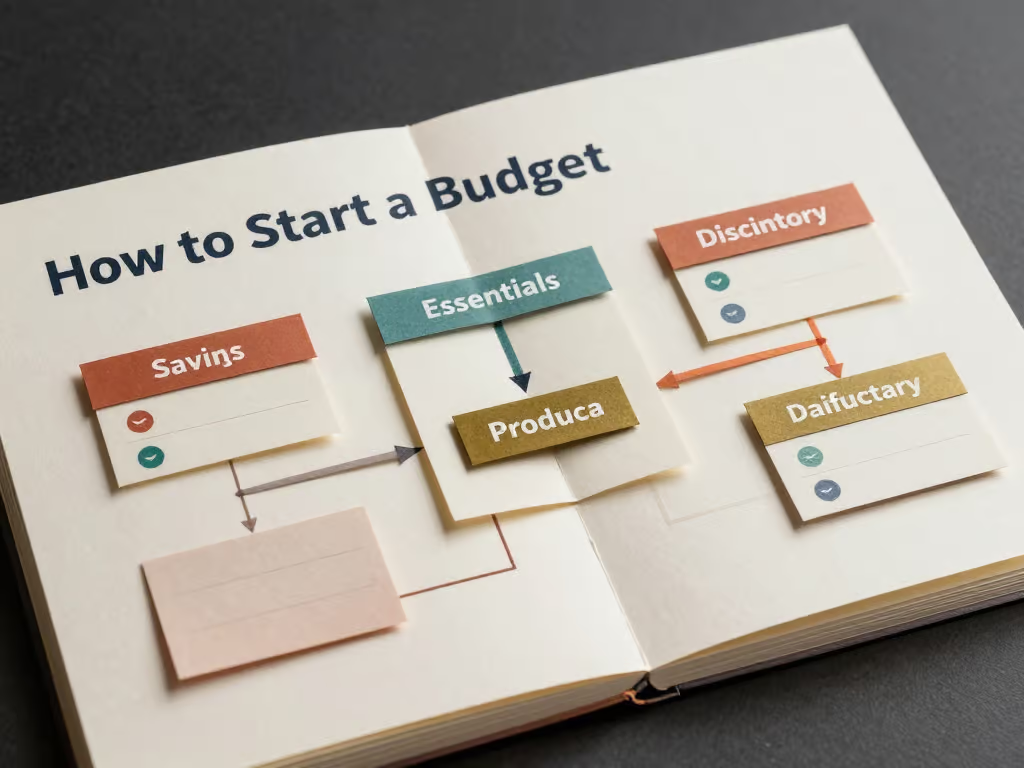
This walks you through the basics of starting a budget, from calculating your net income to setting simple goals and picking a budgeting method. You’ll find practical steps, realistic numbers, and easy templates you can customize to enhance your financial habits. It’s written for beginners who want a clear start without jargon.
Why budgeting matters for beginners
Budgeting helps you control your money instead of letting money control you. With a simple budget planning process, you can cover essentials, save for emergencies, and still enjoy reasonable spending. A basic budget lets you see where every dollar goes and make deliberate choices, which is essential for effective budgeting.
Key benefits you can expect from budgeting early on:
- Know your monthly income and fixed expenses like rent or mortgage and utilities
- Track spending to identify areas to cut back on spending and saving
- Build an emergency fund to reduce financial stress
Determine your net income
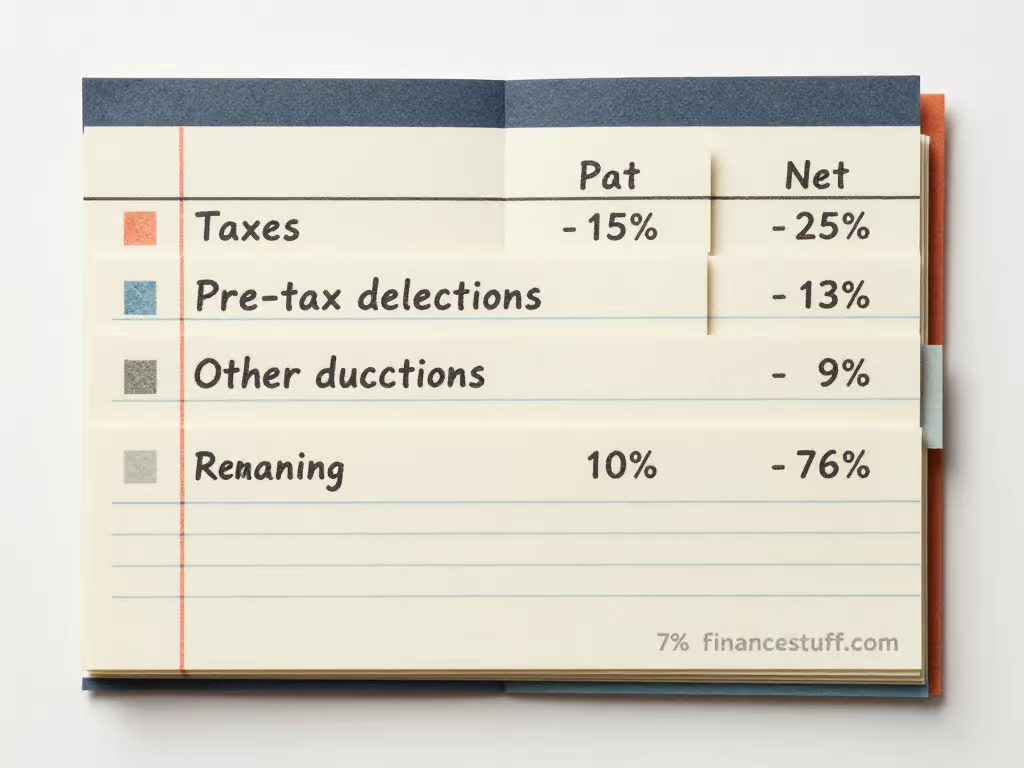
Knowing your net income is the starting point for a solid budget. It shows how much you actually have to work with each month after taxes and other deductions. This is the baseline for all later steps.
How to calculate take-home pay
Start with your gross pay and subtract common deductions. A simple, repeatable approach helps you avoid surprises at payday.
- Gross pay: what you earn before deductions
- Taxes: federal, state, and local taxes if applicable
- Pre-tax deductions: health insurance, retirement plan contributions
- Other deductions: wage garnishments, union dues
- Net income (take-home pay): the amount you actually receive
If you’re paid hourly, estimate monthly take-home by multiplying your expected hours by your hourly rate, then subtract expected deductions to aid in managing your money. If you’re salaried, use your monthly net pay from the pay stub as a baseline for budgeting.
Accounting for irregular income
Irregular income happens when pay is inconsistent from month to month. Plan for lean months by using an average or rolling baseline, not a single high month.
- Track both actual net income and average net income over 3, 6 months
- Create a cushion by budgeting on a monthly average plus a margin for variability
- If income dips, temporarily adjust discretionary categories to maintain essential spending
Bottom line: your net income is the anchor for effective money management. A realistic, variability-aware figure keeps every other aspect of budgeting on solid ground. For example, if your monthly net ranges between $2,800 and $3,600, use $3,200 as your planning target and allocate the extra $400 to an emergency fund or debt payoff.
Track your spending
Methods: cash, card, and digital tracking
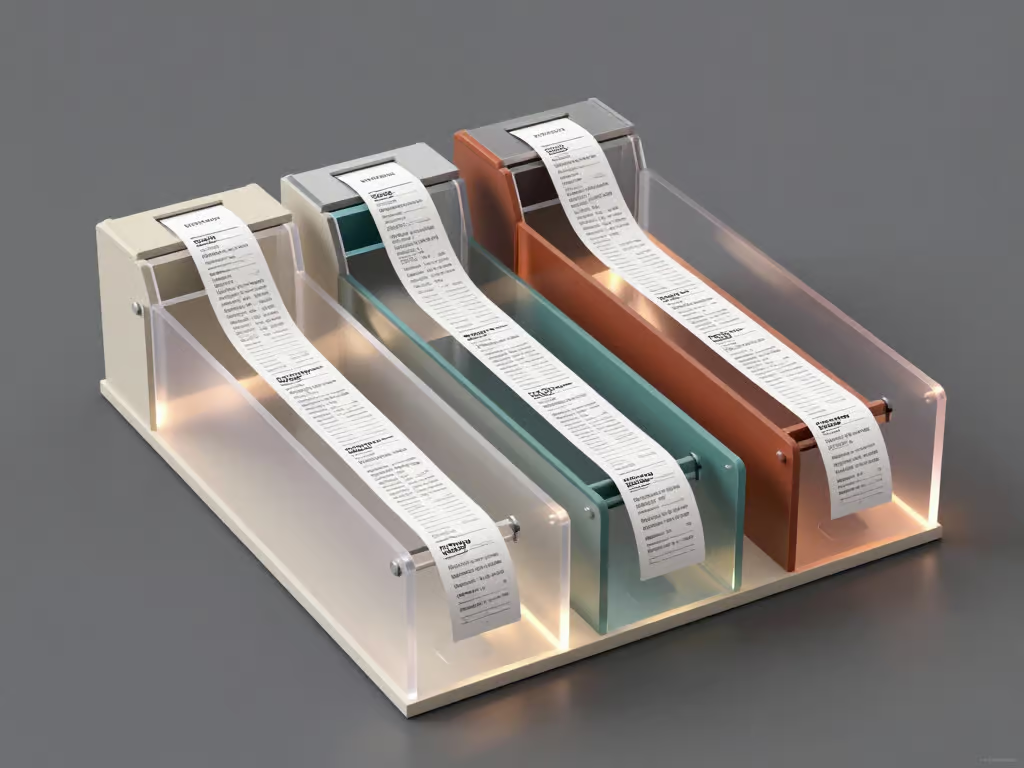
Choosing how to track your spending matters because it impacts how clearly you see where your money goes. Use a mix that fits your life and sticks long term, with concrete steps to start today.
- Cash: use a weekly limit, then count remaining bills every Sunday to visualize spending gaps.
- Card purchases: enable automatic categorization in your bank or budgeting app and review weekly for misclassified transactions.
- Digital tracking: link your accounts or import transactions; set up alerts for overspending in any category.
Tip: pick one main method and add a second to fill gaps. Reconcile weekly by comparing receipts or app totals to your bank statement to catch errors early.
Identifying essential vs. nonessential expenses
Distinguish must pays from nice-to-haves to free up cash for savings or debt payoff.
- Essential: rent or mortgage, utilities, groceries, transportation, insurance.
- Nonessential: dining out, rarely used subscriptions, impulse buys, high-cost entertainment.
- Rule: if it doesn’t keep you housed, fed, or connected to work, question it.
Tag each line item as essential or discretionary as you track. Use this to adjust monthly goals and stay aligned with your financial habits and priorities.
Set realistic financial goals

Setting clear, achievable goals helps you stay motivated and make your budget actually work. Start with small wins you can measure this month and gradually tackle bigger aims as your money habits improve. For example, hitting a $200 emergency buffer this month can prevent a skipped bill next month, while adding $25 to savings each week builds confidence fast in your budgeting 101 efforts.
Short-term goals
These are targets you can reach in the next 1-3 months, contributing to your overall personal finance strategy. They keep you accountable without feeling endless.
- Build a tiny emergency buffer, such as $200-$500, for minor surprises. If you get a $150 refund or $50 from side work, add it to this fund first.
- Pay off one small debt or reduce nonessential spending by 10-20% for a month to improve your money management. For example, cut dining out from $120 to $96 and redirect $24 to debt or savings, which helps in saving money and reaching your savings goal.
- Save a fixed amount weekly, like $20-$50, to start a savings habit. Set up automatic transfers on payday to remove decision friction.
Long-term goals
Think 6-24 months out. Long-term goals shape bigger decisions and how you allocate money each month.
- Build a larger emergency fund, aiming for 3-6 months of essential expenses. If you spend $2,000 monthly, target $6,000-$12,000 and add $100-$300 monthly until you reach it.
- Save for a major purchase, such as a used car or a down payment on a home, with a dedicated savings envelope. Use separate accounts or labeled goals to manage your money and keep funds distinct.
- Develop a retirement fund plan, even with small monthly contributions if available. If your employer offers a match, contribute at least enough to get the full match.
Prioritizing goals within your budget
Balance needs, savings, and wants by ranking every target. Use a practical order to avoid scattered results.
- First: essential expenses and minimum savings to protect finances. Rank basics like housing, utilities, groceries, and any required debt payments.
- Second: debt reduction or high-interest payments that slow progress. Target cards or loans with the highest rates first.
- Third: discretionary goals that improve quality of life but aren’t urgent. Plan these only after securing essentials and debt progress.
Choose a budgeting method

Choosing a budgeting method helps you turn numbers into action. Here are three practical approaches with clear steps so you can pick what fits your money habits and goals. Budgeting methods work best when you see real examples and follow actionable steps you can actually do this month.
50/20/30 rule
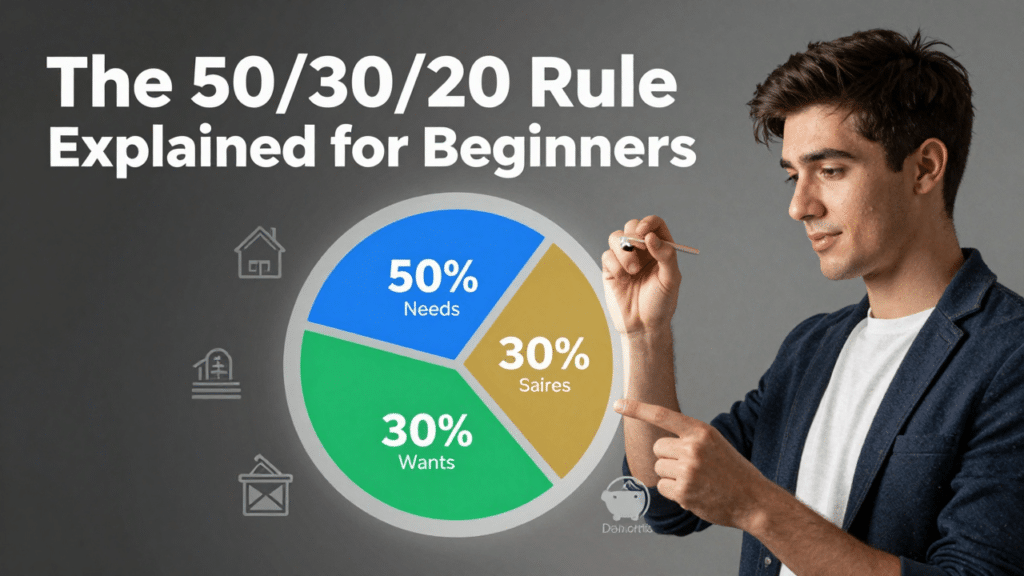
This simple framework splits net income into three buckets: needs, savings, and wants. It works well if you want clear boundaries in your budget planning without micromanaging every dollar.
- Needs about 50 percent of take-home pay, for example rent, utilities, groceries, and minimum debt payments
- Savings around 20 percent, such as an emergency fund, retirement, and debt payoff
- Wants or lifestyle costs around 30 percent, like dining out, entertainment, and hobbies
Ideal for newcomers who want structure without a strict ledger. It works best when your income is relatively stable and you can define needs clearly. If your expenses drift, recalculate mid month to stay on track.
Zero-based budgeting
With zero-based budgeting, every dollar is assigned to a category so the total equals zero at month’s end. It forces intentional decisions about where money goes.
- Assign funds to every category before month starts, including a line for debt payoff
- Adjust for changes by reallocating from discretionary to essential areas, not the other way around, to ensure effective budgeting.
- Great for maximizing savings when aiming for specific goals like a savings goal for a down payment or vacation fund, helping you to spend your money wisely.
Best for those who want tight control and don’t mind more planning upfront. Use a 2-minute daily check to catch leaks early, such as small recurring charges you forgot about.
Pay Yourself First approach
Put savings on the calendar as a fixed expense. By transferring a set amount to savings at the start, you reduce the temptation to spend it.
- Set a monthly savings target and automate it, for example $150 into an emergency fund on the 1st, to enhance your financial health.
- Then cover bills and expenses with the remaining funds, adjusting only after review
- Supports consistent building of an emergency fund and goals, even if expenses vary month to month
Useful when you want a disciplined habit that protects future finances before everyday spending, ensuring you maintain control of your money. If income fluctuates, base the transfer on a target average rather than a fixed number to avoid gaps.
Create a monthly budget template
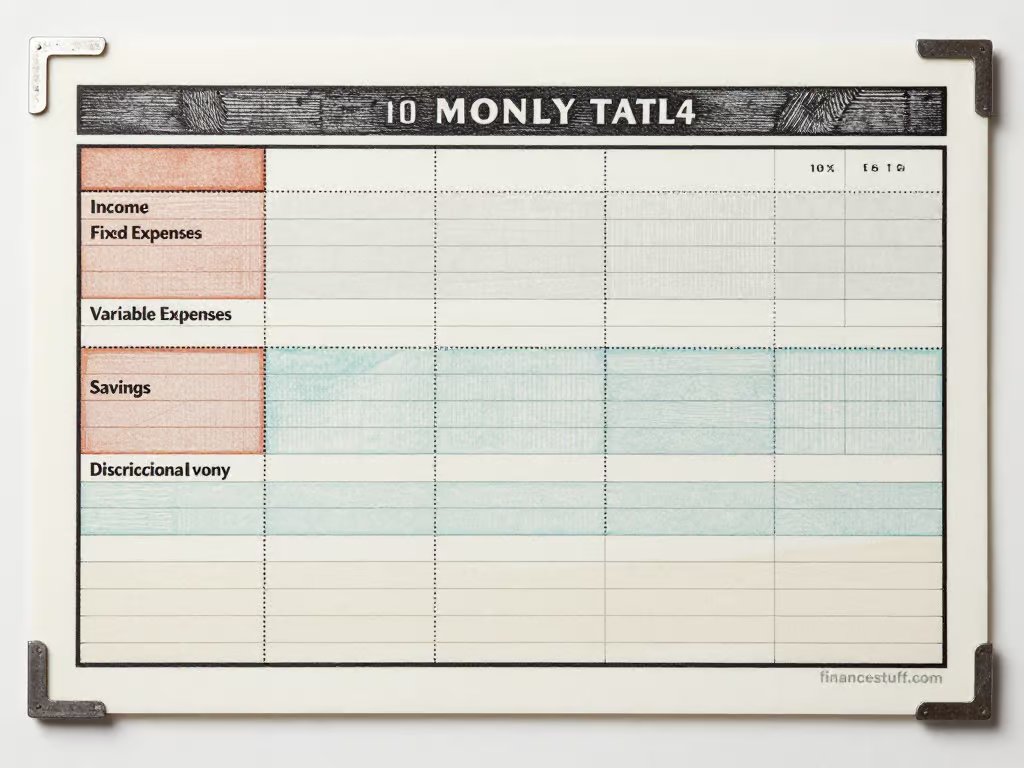
A monthly budget template turns numbers into a living plan you can actually follow, simplifying the budgeting process. It helps you see where money goes and where you can improve each month. This section shows what to include, how to allocate, and a simple starter you can copy.
Categories to include
Organize by needs, savings, and wants to keep priorities clear. Use a practical setup that fits your life and income.
- Income: net pay, side gigs, and any irregular sources
- Fixed expenses: rent or mortgage, utilities, insurance, loan payments
- Variable expenses: groceries, gas, dining out, entertainment
- Discretionary: hobbies, subscriptions, shopping
- Savings: emergency fund, retirement, big goals
How to allocate funds and adjust
Start with a base amount for each category, then refine as you learn your habits. Use concrete steps to stay flexible and realistic.
- Set fixed amounts for essential needs first, then allocate to savings
- Set a realistic savings target each month, for example 10, 15% of net income
- Leave a 5, 10% buffer for surprises
- If overspending happens, shift 5, 10% from discretionary to essentials or savings to adjust your budget effectively.
Sample beginner template
| Category | Monthly amount | Notes |
|---|---|---|
| Net income | $2,500 | After taxes |
| Rent/mortgage | $1,000 | Essential |
| Utilities | $200 | Gas, electric, water |
| Groceries | $350 | Food and household categories should be included in your budget to ensure comprehensive financial health. |
| Transportation | $150 | Gas or transit |
| Debt payments | $150 | Minimums or plan |
| Dining out | $60 | Discretionary |
| Entertainment | $40 | Movies and apps can help you track spending and saving effectively. |
| Savings | $250 | Emergency plus goals |
| Buffer | $150 | Unexpected costs |
Tip: save a copy of your template and duplicate it each month. Small tweaks are normal as you learn your patterns. For example, if groceries rise to $420 one month, lower dining out to $40 and keep the rest stable.
Build an emergency and savings buffer
Having an emergency fund and regular savings can prevent small shocks from derailing your budget. This buffer keeps you from turning to debt when a car repair, medical bill, or job gap hits. It also supports steady progress toward your long term financial goals.
Why an emergency fund matters
An emergency fund acts like a financial safety net. It reduces stress, helps you avoid high interest borrowing, and gives you time to make smarter money moves after a setback. For example, if your car breaks down just before a shift, the fund can cover a tow and a rental while you keep working. Start with a realistic target you can reach in a few months and grow it over time. If you freelance or have irregular income, plan for 2 months of essential expenses at first, then add 1 month every six pay cycles.
Setting savings targets
- Goal size: start with 3 to 6 months of essential monthly expenses.
- Priority: treat savings as a fixed monthly expense, not optional spending.
- Progress: review every quarter and adjust if needs or income change.
- Reality check: if debt is high, balance building this fund with minimum debt payments.
Automating transfers
- Set automatic transfers on payday to a savings account or separate emergency fund.
- Use a distinct savings account to avoid easy spending access.
- Adjust amounts as your budget grows or expenses rise, making the budgeting process easier without manual steps each month.
- Include a small buffer for fees or transfer delays so you never dip into your core funds.
| Action | Why it helps | Tip |
|---|---|---|
| Open a dedicated savings account | Separates money from daily spending | Look for no-fee accounts with easy transfers |
| Automate contributions | Ensures consistency | Set it to occur on pay date |
| Review quarterly | Keeps targets realistic | Increase deposits after raises or unexpected income |
Monitor and adjust regularly
Regular checks keep your budget accurate and useful. An end of month review helps you see what you actually spent and whether your plan matches real life. Make small tweaks now to avoid bigger gaps later.
End-of-month review
Review category totals against your plan and note where you underspent or overspent. Use those insights to adjust next month’s allocations so they reflect current habits and goals.
How to reallocate funds when life changes
- Shift money from discretionary to essential categories if fixed costs rise.
- Increase savings or debt payments when extra income or bonuses show up.
- Pause nonessential subscriptions during slow months to preserve cash flow.
Tools to simplify tracking
- Budgeting apps that sync with your accounts to auto-categorize spending.
- Spreadsheets with simple formulas to surface variances quickly.
- Regular reminders to review and adjust, so nothing slips through the cracks.
FAQ
What is a realistic monthly budget for beginners?
A realistic budget for beginners starts with essentials, then savings, then discretionary spending. For example, if your net income is $2,800, you might allocate about $1,100 for housing, $200 for utilities, $350 for groceries, $180 for transportation, and $150 for minimum debt payments. That leaves roughly $820 for savings and small wants. A practical plan should include a dedicated savings target and a small buffer for surprises.
How do I start budgeting with a very low income?
- Track every expense for two weeks to identify small leaks, like daily coffee or impulse purchases, then cut back by 25, 50% in those areas.
- Prioritize needs first: housing, food, utilities, and minimum debt; aim for a $500 emergency cushion within two to three months if possible.
- Use a zero-based budget: assign every dollar to a category, even if the job is to save a tiny amount.
What if my income and expenses vary each month?
- Build a flexible plan with three income scenarios: low, typical, and high, outlining essential costs in all cases to take control of your money.
- Set adjustable discretionary limits: if a month brings extra income, allocate it to debt payoff or savings rather than new purchases.
- Review at month end: compare actuals to plan, tighten or loosen categories, and note which expenses to renegotiate or reduce.
Conclusion
Recap of steps to start a budget
Start by determining your net income and listing all monthly expenses as the first step in creating a budget. This sets the baseline for your plan and is crucial for creating a budget that works. Then, track your spending to understand where every dollar goes and identify areas to adjust. Choose a budgeting method that fits your life, whether it is a 50/20/30 style, zero-based budgeting, or Pay Yourself First. Create a simple monthly budget template with clear categories and allocations, and build an emergency fund alongside regular savings to improve your personal finance management. Finally, monitor your progress every month and reallocate funds as life changes to maintain effective budgeting.