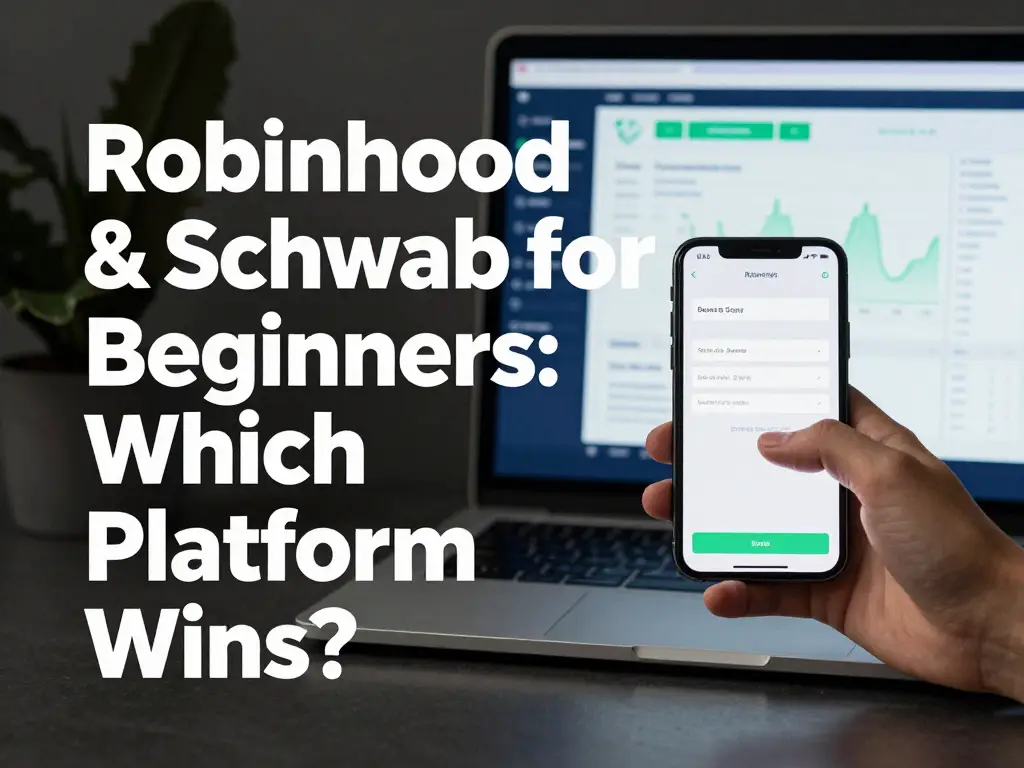
So you’re looking for an investment platform and keep seeing two names pop up everywhere: Robinhood and Charles Schwab. Both let you buy stocks, but they’re built for different kinds of beginners. Robinhood is also known for its simple app feel, while Charles Schwab is one of the oldest, most trusted names in investing. Picking right matters.
What types of investments can you actually trade?
Picking a brokerage account isn’t just about looks. It’s about whether you can actually buy the stuff you want to buy. Both platforms let you buy and sell stocks and ETFs without breaking a sweat, but once you get past the basics, the paths split pretty fast. One app leans into the new and shiny, the other sticks to the tried and true. Let’s break down what’s actually on the menu for each one.
| Investment Type | Who Offers It |
|---|---|
| Stocks and ETFs | Both Robinhood and Schwab |
| Mutual Funds | Schwab only |
| Cryptocurrency Trading | Robinhood only |
| IRA Accounts | Both trading platforms have their strengths, but Schwab offers more depth. |
| Options Trading | Both platforms |

Stocks, ETFs, and the crypto craze
Want to grab shares of your favorite company or toss some cash into index funds through an ETF? Both apps handle that just fine, and stock trades are commission free on each one. The real split shows up with crypto. Robinhood offers cryptocurrency trading right inside the app, super simple for beginners. But Schwab doesn’t offer crypto at all, so if Bitcoin’s calling your name, that choice gets made for you pretty quick.
IRAs and those old-school mutual funds
Thinking long-term, like retirement long-term? That’s where things get interesting. Both platforms give you an IRA to grow your money tax-smart, but Schwab offers something Robinhood just doesn’t: mutual funds. Yep, Robinhood doesn’t offer mutual funds at all, full stop. So if your parents or grandparents invested the old-school way, Schwab’s the one that still speaks that language, alongside plenty of index funds too.
Important factors: Let’s talk about the fees and your wallet
Money talk time, and it’s actually pretty simple once you break it down. Both platforms offer commission-free trading on stocks and ETFs, so that part’s a tie. But fees hide in other corners, and that’s where you need to pay attention. Neither broker has an overwhelming number of investment options, making it easier for users. account minimums, which is great news if you’re starting small. Still, a few sneaky charges can pop up depending on what you trade and how you trade it.
- Commission-free trading on stocks and ETFs with both brokers
- No account minimums to open or keep an account open
- Robinhood charges $0.65 per options contract on a trading platform.
- Schwab charges a similar per-contract fee on options
- Regulatory fees apply on certain trades, no matter the broker
- With Robinhood Gold, you can access premium features that enhance your trading experience, making it a strong contender in the robinhood vs Charles Schwab debate. costs a monthly subscription for extra perks
The truth about commission-free trades
“Commission-free” sounds like a magic word, right? It mostly is. You won’t pay a fee just to buy or sell a stock on either app. But don’t think that means zero cost ever. Regulatory fees apply on some transactions, tiny amounts set by the government, not the broker. They’re usually just a few cents, but low fees show up on your statement no matter which platform you pick.
Hidden costs and those pesky options fees
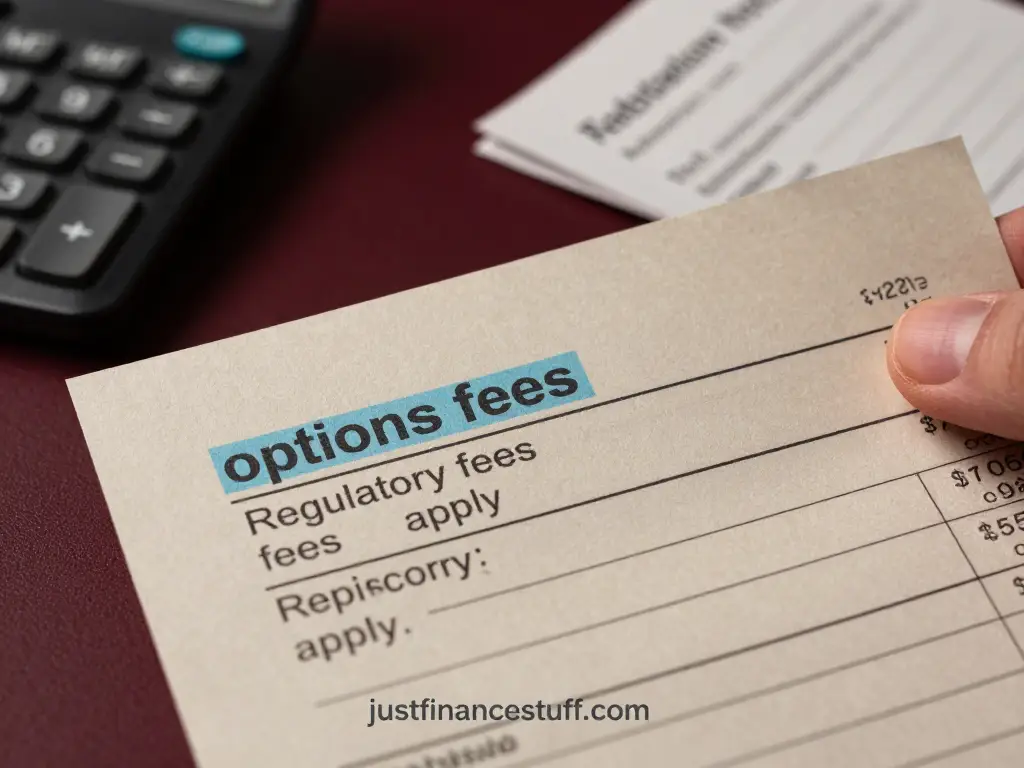
Options trading is where things get a little pricier. Robinhood charges $0.65 per options contract, and Schwab’s pricing lands in a similar range. Want Robinhood’s extra research tools and bigger margin access? That’s Robinhood Gold, a paid monthly add-on. Good news though: neither broker charges inactivity fees or sneaky management fees just for leaving your account alone. Always compare fees before placing a big options order.
Is the app actually easy or just pretty?
Opening both apps side by side tells you a lot. Robinhood’s whole vibe screams simplicity, especially through its mobile app. ease of use – big buttons, clean screens, barely any clutter. Schwab’s app looks more like a real trading desk squeezed into your phone. Neither one is bad, but they’re built for different brains. If you want something cute and simple for trading on the go, Robinhood wins that round easily. If you want depth without switching apps, Schwab’s got your back too.
Robinhood’s super simple mobile vibe
Robinhood Markets built its app for people who’ve never traded before, and it shows. Everything feels light and friendly, almost like a game. You tap, you buy, you’re done. There’s also Robinhood Legend, a newer desktop platform for folks who outgrow the basics. But on mobile, Robinhood Financial keeps things stripped down so users can focus on intuitive trading. beginners don’t feel lost the second they open the app.
Schwab’s all-in-one ticket and paper trading tools

Schwab is built differently – more powerful, a bit busier, but packed with real tools. Schwab’s all-in-one trading ticket lets you place stock, option, or multi-leg trades from one single screen, which is huge once you move past the basics. Charles Schwab’s platform also offers paper trading, so you can practice with fake money before risking real cash. It’s less flashy than Robinhood, but it grows with you.
My best tips for picking your path: Active or long-term?
Picking a platform really comes down to one question: what kind of investor are you? If you like checking charts and making quick moves, Robinhood is best for that energy. If you’d rather set it and forget it, long-term investors usually do better with a place built for patience. Your investment goals should drive the choice, not the shiny app icon.
- Choosy about speed and simple trades? Consider the intuitive features of both platforms. Try active trading Tools on Robinhood are designed for ease of use, making it a strong competitor in the robinhood vs Charles Schwab discussion.
- Want real planning help? Schwab is a full-service brokerage with advisors on call.
- Prefer a hands-off approach? Schwab Intelligent Portfolios Charles Schwab offers a portfolio that builds one for you automatically.
- Mixing both styles? Plenty of people keep accounts at each, and that’s okay too.
Why active traders love the speed
Robinhood strategies work great when you want fast execution without a bunch of clicking around. The app shows you price changes instantly, and buying or selling takes seconds, not minutes, which is a significant advantage when considering Robinhood vs Charles Schwab. Traders who like watching the market move throughout the day often stick with this setup because it feels light and quick. For someone chasing short-term gains, that speed can matter a whole lot.
Schwab’s robo-advisors and human help

Schwab gives you something Robinhood doesn’t: real people to talk to. Schwab Intelligent Portfolios handle the automatic investing part, picking and rebalancing funds based on your investment options and goals. But if you ever get stuck or confused, an advisor from this financial services giant is just a call away. That mix of robo-help and human backup is a big reason folks like Schwab for steady, long-term growth.
Step-by-step: How do you even start?
| Step | What You Do |
| Pick a platform | Choose between Robinhood or an old-school name like Fidelity or Vanguard |
| Check the minimum | Robinhood requires no minimum deposit to open an account |
| Verify your identity | Upload your ID and answer a few quick questions |
| Fund your account | Link your bank and transfer some cash in |
| Make your first trade | Search a stock, pick an amount, and hit buy |
Opening your first brokerage account
Signing up for a brokerage account is way less scary than it sounds. If you use Robinhood, the whole thing takes maybe ten minutes on your phone. Fidelity and Vanguard have more screens and options since they’ve got decades of experience serving all kinds of investors, but they’re still beginner friendly. Either way, you’ll need your Social Security number, a bank account, and a few basic answers about your income.
Making your very first stock trade
Once your money lands in your Robinhood account offers a user-friendly experience, especially when comparing robinhood vs Charles Schwab., buying a stock is almost too easy. Robinhood keeps things simple: type the company name, choose a dollar amount or number of shares, and tap buy. No confusing order types shoved in your face. Fidelity and Vanguard let you do the same thing, just with a slightly busier screen. Start small with your first trade until you feel comfortable with how it all works.
The real deal: Comparing the pros and cons
Deciding between Charles Schwab and Robinhood comes down to what you actually need from your first brokerage account. Comparing Charles Schwab vs Robinhood side by side, you’ll notice they’re built for different kinds of beginners. One wants you in and out of the app fast. The other wants you to stick around, learn, and eventually use tools you didn’t even know you needed. Let’s break down where each one actually shines, and where it falls flat.
| Charles Schwab vs Robinhood: Quick Comparison | |
|---|---|
| Robinhood | Schwab |
| Super simple, clean app | Packed with research tools |
| Fractional shares on many stocks | Fractional shares through Stock Slices |
| No mutual funds | Thousands of mutual funds |
| No 24/7 phone support | 24/7 phone and chat support |
| Limited retirement account options | Full range of IRAs |
| No physical branches | Branches in many cities |
| Can feel overwhelming for total newbies with add-ons | Interface feels dated and busier |
| $0 commission on stocks/ETFs | $0 commission on stocks/ETFs |
Why Robinhood’s simplicity wins (and loses)
Robinhood provides simplicity that’s hard to beat when you’re just starting out. You open the app, buy a share, done. No confusing menus, no fifteen account types to pick from on this intuitive mobile app. But that same simplicity means Robinhood doesn’t offer mutual funds, bonds, or much in the way of retirement planning tools. If you ever want to get serious about long-term investing, you’ll likely outgrow it.
Schwab’s big-bank power vs. the learning curve
Schwab’s experience shows in everything from its research reports to its retirement calculators, making it a strong choice for many investors. You get access to You can explore various investment options like mutual funds, bonds, and full-service IRAs. that Robinhood doesn’t offer. Schwab doesn’t make things as instantly easy, though. The app and website can feel cluttered to a first-timer, and you’ll spend more time clicking around before you find what you need. Schwab and Robinhood both offer $0 commissions, so that part’s a wash.
Conclusion
Picking between Robinhood and Schwab really comes down to what kind of investor you want to be. If you like a simple app and plan to trade small and often, Robinhood might feel easier at first. But if you’re thinking long term and want more tools, research, and account options, Schwab gives you more room to grow. Either platform can work for your personal finance goals, so just pick the one that matches how you actually plan to trade.
FAQ
Is Robinhood or Charles Schwab better for a complete beginner?
Robinhood tends to suit beginners who want a quick, simple way to buy stocks or ETFs from their phone without much setup. Schwab works better if you want access to mutual funds, retirement accounts, and human advisors as you grow. The right pick really depends on whether you want simplicity now or more tools later.
Do you need a minimum amount of money to start investing?
Most of the time, no. Both platforms let you open a brokerage account with no minimum deposit, and you can buy fractional shares with just a few dollars, which is a key feature in the robinhood vs Charles Schwab comparison. Some account types, like certain managed portfolios through Schwab, may require a few thousand dollars to get started, so it’s worth checking before you commit.
What’s the biggest mistake new investors make when choosing a platform?
The biggest mistake is picking a trading platform based only on looks instead of what you actually plan to invest in. Someone who wants index funds and retirement accounts might outgrow a simple trading app fast, while an active trader might find a full-service platform slower than they’d like. Think about your goals first, then match the platform to them.