

Americans currently carry more than $1.03 trillion in credit card debt, a number that highlights a massive struggle with how people manage their cash and money mindset. While many believe that a bigger paycheck is the only way to fix financial stress, the data suggests otherwise. A 2023 survey found that 63% of adults feel financially anxious, yet 97% of self-made millionaires believed they would achieve wealth long before they actually had it. This difference in thinking is what experts call a money mindset.
A money mindset is the set of beliefs and feelings a person has around money. These thoughts are often ingrained during childhood and stay in the subconscious for years. They act like a hidden engine that drives every habit, from how a person chooses to budget to whether they decide to invest for the long-term.
This internal attitude determines if someone sees a world of abundance or a world where they feel they don’t have enough. It is the foundation of all personal finance because it influences the trajectory of a person’s financial life more than their actual bank balance does.
“What you believe about money, yourself, and the world shapes how your life will unfold.”
– Rachel Cruze, Financial Expert and Author
Understanding the importance of positive money mindset helps people identify why they make certain financial decisions. Whether a person chooses to overspend on a luxurious vacation or finds ways to save for a roof over their head, their relationship with money is the cause. By learning to align their beliefs with their goals and values, individuals can improve their financial situation and find resilience during financial challenges. This article explores how to cultivate a positive money mindset to unlock a better financial future.
The following sections will help the reader understand:
- The difference between a scarcity mindset and a growth mindset.
- How past experiences and cultural influences shape spending habits.
- Practical steps to change limiting money beliefs into helpful ones.
- Ways to set measurable and achievable financial goals.
What Money Mindset Really Means

Define a money mindset as a person’s total attitude and the specific set of beliefs they hold about their finances. It is the mental filter used to think about money, and it acts as a subconscious guide for every choice made throughout the day. This mentality The way you handle finances often dictates how a person will achieve their financial goals, and it can also try to enhance their wealth. earn, invest and manage their wealth, or even how they handle much debt.
These beliefs about money are often formed during childhood through cultural influences and family observations. Financial psychologist experts note that these early ideas become ingrained, creating a relationship with money that persists well into adulthood. While some people consciously work to improve your financial outlook, many are driven by limiting beliefs they don’t even realize they have.
“Money mindset is rooted in deep emotions and experiences. Buyers make decisions emotionally and then justify them logically.”
– Dave Won, Certified Money Coach (CMC)®
74% of Americans follow a budget, yet 16% still overspend. This gap exists because a person’s financial behavior is rarely about math alone; it is about the subconscious attitude The skills they bring to the table can also try to cause you to make valuable contributions to your financial well-being. When it comes to money, a person’s trajectory is shaped by past experiences that tell them whether they deserve a luxurious life or if they must struggle just to keep a roof over your head.
How Your Mindset Controls Your Choices
A positive money mindset helps a person see financial challenges as a chance to learn and grow. Instead of feeling overwhelm when a vacation costs more than expected, they find ways to align their spending with their goals and values. This growth mindset is a Money has a powerful impact on your life choices, and it can also try to shape your future. on long-term financial health because it encourages resilience and better decision-making.
The following table shows how different beliefs influence your financial actions:
| The Belief | The Financial Behavior |
|---|---|
| “I can learn to invest.” | Builds long-term wealth through savings. |
| “Money is a limit.” | Leads to opportunities that can also try to cause you to make the most of your financial resources. impulsive decisions and overspend. |
| “I don’t have enough.” | Creates a scarcity mindset that stops growth. |
When someone believes their self-worth is tied to their bank account, they may avoid looking at their budget or personal finance statements. This limiting money beliefs can set you back for years, making it hard to reach financial goals. Understanding that these thoughts are just a habit of the mind is the first step to unlock a better financial future.
97% of millionaires believed they would achieve wealth. This shows that whether you believe you can succeed or not, your financial life will likely follow that path. People who cultivate an open mind about their financial situation are more likely to find ways to improve your financial status. They use financial literacy to align with your values and build the life you want.
- Identify your ingrained beliefs about money.
- Align your daily spending habits with long-term goals.
- Avoid the comparison trap that leads to overspend.
- Seek a financial services advisor to bridge financial skills gaps.
Every decision, from buying a coffee to choosing an investment, is a ripple caused by this inner mentality. Some people view every dollar as a seed to plant, while others see only what’s missing from their lives. These two different ways of looking at the world create very different results for your financial future.
Two Big Mindsets: Scarcity Versus Abundance

30% of Americans lack enough savings to cover even three months of basic expenses. This data point from a 2023 survey highlights why many people feel trapped by a scarcity mindset. This mentality is the belief that there will never be enough money or opportunities to go around. When someone operates from this view, they often feel a sense of overwhelm or fear that every financial decision could lead to disaster. It causes people to focus on what’s missing rather than finding ways to grow, which can influence your financial trajectory for years.
A scarcity mindset often results in hoarding money or making impulsive decisions out of panic. People with this view might avoid looking at their bank accounts or fail to invest because they are afraid of losing what little they have. Financial psychologist research suggests that this stress isn’t always about how much you earn, but how you think about money. If a person believes resources are limited, they are more likely to stay in a cycle of debt and anxiety, even if their income increases over time.
The Power of an Abundance Mindset
On the other side is the abundance mindset, which is the belief that there are plenty of opportunities and resources available. This mentality helps people stay calm during financial challenges and encourages resilience. Instead of seeing a high price tag and saying “I can’t afford that,” they follow the advice of experts like Robert Kiyosaki and ask, “How can I afford that?” This simple shift in language helps people find ways to solve problems and align their spending with their long-term goals.
People who cultivate an abundance mindset are more likely to take calculated risks, which can also try to cause them to succeed in starting a business or learning how to invest and manage assets. They view money as a tool to help them build the life they want, rather than a limited resource to be feared. This positive money mindset matters because it allows for generosity and an open mind toward new financial skills. When you believe you can learn and grow, you’re more likely to reach financial success and achieve milestones like a dream vacation or a comfortable retirement.
| Feature | Scarcity Mindset | Abundance Mindset |
|---|---|---|
| Primary Emotion | Fear and anxiety | Confidence and peace |
| View of Money | A limited resource | A tool for growth |
| Reaction to Risk | Avoids at all costs | Seeks opportunities |
| Spending Habit | Hoarding or overspending | Aligns with values |
Comparing the Two Mentalities
The difference between these two sets of beliefs often determines whether a person can unlock their full potential. For example, 24% of U.S. adults currently lack an emergency fund, which often keeps them stuck in a scarcity loop. A person with an abundance view sees this financial situation as fixable and starts small savings habits to create a roof over their head. They focus on what they can control and work towards measurable, achievable goals instead of letting comparison to others cause you to make poor decisions.
- Scarcity: Focuses on “never enough” and feels threatened by others’ success.
- Abundance: Focuses on “plenty for all” and shares knowledge freely.
- Scarcity: Ends inquiry with “I can’t,” closing the door on solutions.
- Abundance: Opens inquiry with “How can I,” leading to financial literacy.
Understanding which mentality drives your personal finance choices is the first step toward change. These ingrained beliefs about money act as a subconscious guide for every purchase and investment you make. Because these views are so powerful, they don’t just stay in your head-they turn into the daily spending habits and saving routines that define your entire financial life.
The 80/20 rule of personal finance suggests that success is 80% behavior and only 20% head knowledge. While many people understand the basic math of money, their ingrained set of beliefs The way you perceive money often dictates whether they actually follow through, and it can also try to impact their financial success. When an individual views money through a lens of fear, they are more likely to make impulsive decisions that offer short-term comfort but hurt their long-term financial goals.
Research indicates that financial stress is more a function of how income is structured rather than the income level itself. Surprisingly, employees report the highest financial stress, while business owners and investors report significantly lower stress levels. This suggests that the mentality of how one interacts with their finance Your money matters more than the size of the paycheck; it can also try to influence your financial habits. A positive money mindset helps people see a financial situation as fixable rather than a permanent trap.
“What you believe about money, yourself, and the world shapes how your life will unfold.”
– Rachel Cruze, Financial Expert
75% of millionaires credit consistent, long-term investing for their success. This habit is rarely about luck; it is about a mindset that can also try to cause you to make consistent progress. growth mindset that chooses to invest and manage assets instead of just spending for status. Conversely, a scarcity mindset can cause a person to avoid looking at their bank account because they fear there will never be enough. This avoidance leads to much debt and missed opportunities for financial growth.
How Mindset Drives Daily Actions
The relationship with money you carry affects every habit, from the grocery store to the advisor‘s office. People with limiting money beliefs often struggle with overspend patterns because they use luxurious items to mask self-worth issues. When your mindset about money dictates how a person will approach their finances, it can also try to lead to better outcomes. attitude aligns with your values, you find it easier to budget for a vacation or a roof over your head without the overwhelm of guilt.
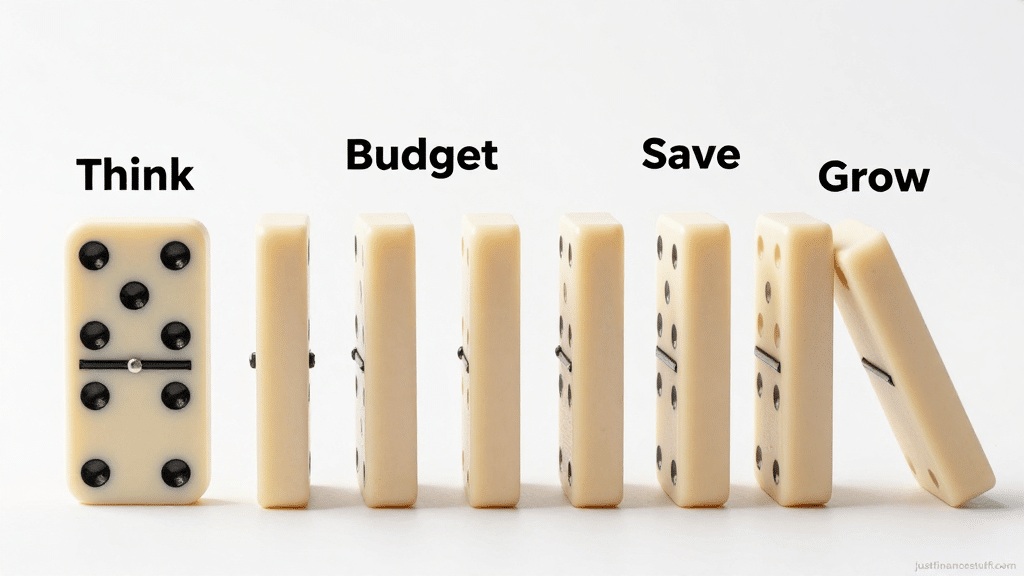
| Action | Scarcity Mindset Behavior | Abundance Mindset Behavior |
|---|---|---|
| Budgeting | Feels like a limit or punishment. | A tool to align with long-term goals. |
| Investing | Fear of loss causes them to avoid it. | Sees it as a way to earn and unlock wealth. |
| Spending | Impulsive decisions based on what’s missing. | Intentional choices that help you build a financial future. |
| Income | Believes they don’t have enough skills. | Will find ways to learn and grow. |
80% of Americans dip into savings for essentials. This often happens when spending habits are not consciously tracked. To improve your financial trajectory, you must cultivate a mentality that values resilience over comparison. When you think about money as a tool to help people and reach achievable, time-bound milestones, you’ll find that your financial behavior Naturally, the choices you make with your money can cause you to make better financial decisions. aligns with your goals.
- Check account balances weekly to reduce subconscious fear.
- Ask “How could I afford that?” to spark financial literacy.
- Set measurable targets for savings to help you stay on track.
- Practice gratitude to limit They often feel the urge for financial freedom that can cause you to make proactive choices. impulsive decisions.
These Ways your money can cause you to make a difference in your life. moves are often formed by cultural influences and shaped by past experiences. However, whether you believe you can change or not, your decision-making is the only thing that can set you back or move you forward. Understanding the importance of money mindset is the first step toward the life you want and working towards financial success.
Ignoring a bad money mindset is like trying to drive a car with a broken engine; no matter how hard the reader pushes the gas, the vehicle simply won’t move forward. When people stay stuck in old ways of thinking, they often make impulsive decisions that lead to high-interest debt, which currently tops $1.03 trillion for Americans. This financial pressure can feel heavy, but changing how one thinks about their finance situation is the first step to fixing the problem.
Challenging Your Beliefs and Setting Goals
To improve your financial life, a person must first look at their limiting money beliefs. These are thoughts like “I will never be rich” or “I am bad with numbers” that are often formed during childhood. By consciously questioning these ideas, the reader can find ways to replace them with a growth mindset. As researcher Carol Dweck found, people who believe they can learn and grow their skills always do better than those who think their talents are set in stone.
Experts like Natalie Scott suggest that spending habits change when people have a target to hit. Setting financial goals that are measurable and achievable helps a person align their daily choices with their long-term dreams. Whether it is saving for a vacation or a first home, having a time-bound plan makes it easier to avoid buying things that do not matter.
| Goal Type | Example Action | Mindset Shift |
|---|---|---|
| Short-Term | Save $500 for emergencies | “I am prepared for surprises.” |
| Long-Term | Invest 15% for retirement | “I am building my financial future.” |
| Daily Habit | Follow a monthly budget | “I control where my money goes.” |
Practical Steps to Cultivate Abundance

Moving away from a scarcity mindset requires practicing gratitude for what is already there, like having a roof over your head. This shift helps people find a sense of “enough” so they do not overspend to keep up with others. When a person stops using comparison to judge their self-worth, they can focus on their own financial growth. You’re more likely to succeed when you align with your values rather than trying to look luxurious for social media.
- Practice intentional spending: Ask if a purchase helps you reach long-term goals before paying.
- Seek financial literacy: Read books or talk to a financial services advisor to gain confidence.
- Forgive past mistakes: Do not let an old habit or much debt set you back from trying again today.
- Surround yourself with support: Find friends who have a positive money mindset to stay motivated.
Saving 15% of a paycheck starting at age 25 can help maintain a lifestyle in retirement. This includes any employer match, which is a great way to earn extra money for the future. To keep things simple, people can follow a basic spending plan to help them stay on track and unlock new opportunities. Using a growth mindset to invest and manage assets ensures that money works for the individual, creating resilience against financial challenges.
| Category | Target Percentage | Purpose |
|---|---|---|
| Essentials | Max 50% | Food, housing, and bills |
| Retirement | 15% | Long-term financial safety |
| Short-term Savings | 5% | Emergency fund and big goals |
“What you believe about money, yourself, and the world shapes how your life will unfold.”
– Rachel Cruze, Financial Expert
By taking these measurable steps, anyone can cultivate a mentality that leads to financial success. It is about moving from a feeling that there will never be enough to a place where you find ways to help people and grow wealth. This powerful impact on your relationship with money is what helps you build the life you want over time.
Why Your Money Mindset Truly Matters
A 2023 survey found that 79% of U.S. millionaires did not receive any inheritance. This statistic challenges the common belief that wealth is only for people born into it. Most of these high-earners reached their goals because they believed they could, showing that a positive money mindset is often more important than a large starting balance. When a person changes how they think about money, they change their entire financial future.
“What you believe about money, yourself, and the world shapes how your life will unfold.”
– Rachel Cruze, Financial Expert
Beliefs about money act like a compass for financial decisions. If a person feels they don’t have enough, they often experience a scarcity mindset that leads to impulsive decisions or overwhelm. However, choosing to cultivate an abundance mentality helps people find ways to earn more and invest and manage what they already have. This growth mindset is what allows someone to build resilience when financial challenges appear.
63% of adults report feeling financially anxious. This high level of financial stress often comes from a relationship with money that is ingrained by cultural influences or shaped by past experiences. By learning financial literacy, an individual can align their spending habits with their goals and values. This shift helps them avoid the trap of comparison and focus on working towards the life you want, whether that is a luxurious vacation or simply keeping a roof over your head.
The Benefits of a Strong Mindset

Developing a positive money mindset helps you unlock long-term success. It turns a budget from a chore into a tool that aligns with your goals. When your self-worth is no longer tied to how much debt you have or what you lack, you’ll find it easier to make time-bound and achievable choices. This new perspective can also try to cause you to make smarter financial decisions. attitude has a powerful impact on your long-term financial health.
- Better Savings: You are more likely to prioritize savings for long-term goals.
- Reduced Stress: Understanding your financial situation stops money from being a source of overwhelm.
- Smart Investing: A growth mindset encourages you to invest and watch your wealth trajectory rise.
- Value-Based Spending: You consciously choose to align with your values rather than making impulsive decisions.
Mindset Impact Comparison
| Area of Finance | Negative Mindset Effect | Positive Mindset Effect |
|---|---|---|
| Spending | Causes you to overspend to feel better. | Spending aligns with long-term goals. |
| Income | Focuses on what’s missing. | Tries to find ways to earn more. |
| Debt | Creates limiting beliefs that it’s permanent. | Views it as a hurdle to overcome. |
A financial psychologist might argue that your subconscious set of beliefs is the biggest factor in your financial growth. Whether you believe you can succeed or believe you will fail, you are usually right. Taking control of these limiting money beliefs is the first step to ensuring they don’t set you back. Instead, use your finances to help you build a stable financial life that supports your measurable financial goals.
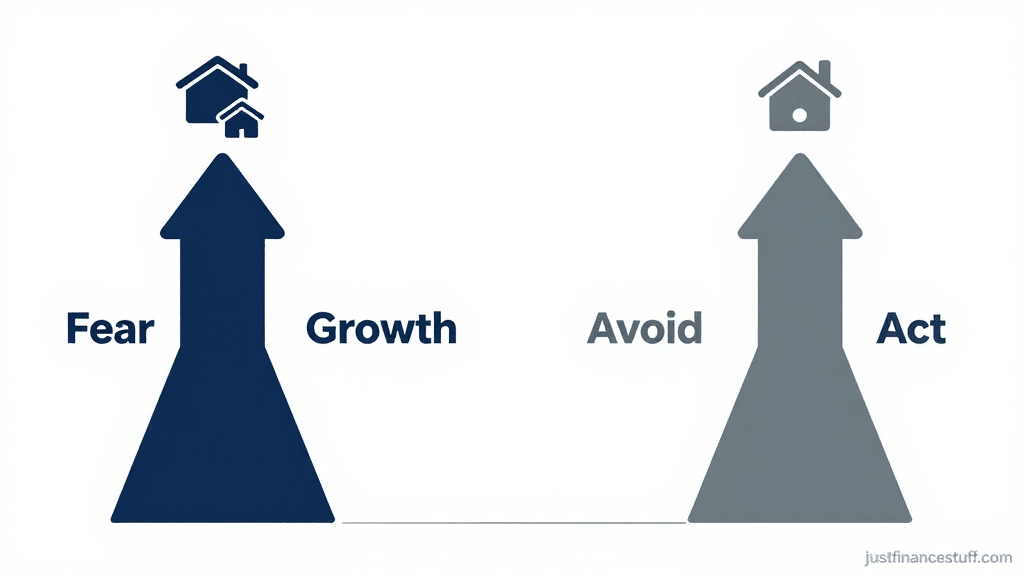
Conclusion
A person’s set of beliefs about money acts as a hidden engine for every financial choice they make. This mental framework determines how they earn, save, and invest throughout their lives. Research shows that 97% of millionaires believed they would achieve wealth before they ever reached it. This statistic highlights that a positive money mindset is often the primary driver of financial success, rather than just a high salary or luck.
Shifting from a scarcity mindset to an abundance mindset allows people to see opportunities instead of roadblocks. When a person views money as a tool that can grow through learning and effort, they are more likely to improve their financial situation. This change in perspective helps reduce the 63% of adults who report feeling financial anxiety. By focusing on growth and resilience, anyone can build a better relationship with money regardless of their past experiences.
- Belief drives behavior: A person’s internal money scripts subconsciously dictate whether they overspend or build long-term savings.
- Consistency builds wealth: 75% of millionaires credit their success to regular, long-term investing rather than receiving an inheritance.
- Mindset reduces stress: Moving away from money avoidance helps people face financial challenges with a clear, open mind.
- Knowledge is power: Increasing financial literacy helps individuals overcome limiting money beliefs and make better decision-making choices.
People can start changing their financial future today by completing two simple tasks. First, they should write down one measurable financial goal, such as saving a specific amount for an emergency fund. Second, they should track every dollar spent for the next 24 hours to see if their spending habits align with their personal values. Small, conscious steps lead to a permanent change in financial behavior.
The life a person wants depends on the attitude they choose to cultivate around money.
Frequently Asked Questions
Can a money mindset really be changed?
Yes. While beliefs are often formed in childhood, people can use a growth mindset to learn new financial skills and replace old habits.
Do I need a lot of money to have an abundance mindset?
No. An abundance mindset is about looking for ways to find solutions and grow, even if the current bank account balance is low.
What is the biggest mistake people make with their money mindset that can cause you to make detrimental choices?
The most common mistake is believing that a financial situation is set in stone and cannot be improved through effort and education.