What budgeting is and why it matters
Budgeting is a practical plan for your money that shows exactly what you earn, spend, and save each month. For example, if you bring in $4,000 and spend $3,200, you have $800 to allocate toward goals or a rainy day fund. A clear plan helps you avoid overspending and keeps you on track to reach your financial goals.
When you create a budget, track two or three weeks of actual spending to shape your numbers. You’ll see how much money is left after essential bills like rent, utilities, and groceries, then decide what is truly essential and what is discretionary, refining your spending habits. This makes it easier to stay out of debt and build healthy money habits over time, ultimately leading to better spending habits.
Overview of savings as a financial safety net
Savings act like a safety net. An emergency fund This gives you protection against shocks such as a car repair that costs $600 or a brief unemployment spell that lasts two months without a paycheck, highlighting the need to save. A common goal is to set aside three to six months of expenses in a budget can help you manage your finances effectively. savings account that you can access quickly.
Saving money helps you plan for short- and long-term goals like paying off high-interest debt, buying a home, or retirement. It also reduces pressure from unexpected expenses and keeps your monthly budget stable, so you can handle a $150 diagnostic bill or a delayed paycheck without panic.
Build a personal spending plan
Tracking income and expenses
A solid plan starts with knowing where money comes from and where it goes. Track your income from paychecks, side gigs, and any government benefits to see a true picture of the money you have each month. Then list every expense, from rent or mortgage to utilities, groceries, and small costs like coffee or streaming. This reveals patterns and shows where money slips away. For example, you might find you spend $45 daily on small purchases that add up to $1,350 a month.
Use a simple method: write it down for a month or two, then review. You’ll spot which purchases are essential and which are discretionary. Try a 2-week sprint with a basic worksheet: date, item, category, amount, and notes. This step sets the foundation for a realistic monthly budget and helps you keep spending in check.
Setting realistic spending limits
Turn your tracking into limits you can actually meet. Create adjustable caps for categories such as housing, food, and transport, plus a separate line for discretionary spending. A practical approach is to allocate a specific amount to each category and stick to it month to month; without a budget, this can be difficult to manage. If you earn $3,200 monthly, test: housing 40%, groceries 12%, transport 6%, and $200 for fun to see how you can spend money wisely.
Regular checks prevent drift. If you overspend in one area, rebalance other categories to avoid exceeding your income and ensure you can still contribute to your retirement savings. The goal is a budget that fits your real life, not a perfect model that never reflects what you actually do; budgeting is important for adapting to life’s changes. Schedule a fixed 15-minute review each week and adjust based on what actually happened, not what you hoped would happen. 💡 Consider using budgeting tools to track your spending habits and identify ways to free up money for your student loans.
Prioritize needs over wants
Identifying essential versus discretionary spending
Separating essentials from non essentials is a practical skill with real payoff. Think about a typical month: housing, utilities, groceries, transportation, and health care are essential, while dining out, streaming, and impulse buys are discretionary; budgeting is important to differentiate between these categories. A quick test: if a purchase would make your home less comfortable or risk missing a bill, it’s likely essential, and you need to save for those priorities.
Track your actual expenses for 30 days and tag each item as essential, optional, or unknown. For example, a monthly gym membership might be essential for someone with a health plan through work, while a premium streaming bundle could be discretionary. This labeling helps you see where you can trim without hurting basic living standards. A clear line between need and want keeps your budget stable when income or costs change.
Strategies to reduce impulse purchases

- Pause before buying a non essential: wait 24 hours to see if the urge passes.
- Set a monthly discretionary cap, and review it weekly in your budget app; making a budget can help you stay on track with your spending.
- Unsubscribe from marketing emails and disable one click checkout to slow down decisions.
- Use a shopping list and price compare, then buy only if the item is on the list and within budget.
- Try a cooling off rule for big buys: sleep on it and revisit the decision tomorrow.
| Essential spending | Discretionary spending | Impact if reduced can affect your ability to save for retirement savings. |
|---|---|---|
| Rent, utilities, groceries, health care | Dine out, entertainment subscriptions, gadgets | Greater stability, lower debt risk, and more savings can be achieved through effective budgeting tools. |
Create an emergency fund
Importance of short-term savings for shocks
A dedicated emergency fund acts as a shield when life throws a curveball. It helps you cover sudden bills without resorting to high-interest credit or dipping into long-term savings. With a cushion in place, you protect your monthly budget and keep momentum toward other financial goals. For example, a $1,500 car repair or a two-week layoff can be managed without panicking about bills.
Think of it as a financial safety net you can rely on to help manage your student loans. It reduces stress during job changes, car repairs, or unexpected medical costs, and it keeps everyday life from derailing your plans. If you have dependents, aim for the higher end of the range sooner.
Guidelines for building 3, 6 months of expenses

Aim for a fund equal to three to six months of essential expenses. Start with one month, then add a bit each paycheck until you reach the target. Use a separate savings account to keep it clearly apart from daily money; without a budget, it can be challenging to track your spending. For a $2,000 monthly baseline, target $6,000 to $12,000 in retirement savings.
Here are quick steps to build the right budget:
- Set a specific monthly transfer from checking to savings, e.g., $200.
- Automate the transfer to stay consistent, on payday if possible, which can help you save for retirement more effectively.
- Pause nonessential spending until the fund grows to a comfortable level.
- Review annually and adjust the goal after changes in income or expenses, ensuring your budget can help you stay aligned with your financial objectives.
Pay down debt and protect credit
Using a budget to manage debt payoff

A budget helps you map out a realistic plan to reduce debt. Start by listing all debts, then allocate a fixed amount each month to the highest‑interest balances first, while keeping minimum payments on the rest. This approach can shorten payoff time and cut interest costs.
Track progress month to month with a simple worksheet. For example, if you pay $500 this month and $450 next month, note the remaining balances and interest saved. If a debt feels stuck, redirect a small, regular amount from nonessential spending toward that debt until you hit a target payoff date.
Impact of saving on credit health
Saving regularly while paying down debt strengthens credit health. A steady savings habit lowers dependence on credit and reduces utilization, which helps prevent missed payments. Carrying a modest emergency cushion of $1,000, $2,000 helps you stay current when a car repair or unexpected bill pops up.
Balancing debt repayment with savings creates stability. For example, if you earn $3,500/month after tax, you might allocate $1,000 to debt, $300 to an emergency fund, and the rest to essential expenses, then adjust as balances fall.
- Maintain at least the minimums on all accounts to avoid late marks.
- Channel extra funds to debts with the highest interest first, then rebuild savings.
- Review credit reports quarterly for accuracy and dispute errors promptly if noticed.
Save for short- and long-term goals
Vacation, big purchases, and lifestyle goals
Setting aside money each month keeps your plans real and build momentum. For example, saving $100 a month for a $1,200 weekend trip lets you pay in full in 12 months without touching everyday spending, demonstrating how a budget is a plan for your finances. Use a dedicated savings account for goals to stay focused and reduce the chance you dip into funds for groceries or gas.
Break goals into concrete milestones; for instance, saving $50 a month can be a milestone toward your larger savings goal. For a $3,000 kitchen upgrade, target about $250 a month and a 14, 15 month timeline based on your current monthly budget. If bills change or you get a raise, you can adjust without starting over.
- Define the exact goal amount and a realistic target date to create effective budgeting important for your financial future.
- Automate transfers so money moves before you see it.
- Track progress monthly and tweak the deadline if income or expenses shift.
- Prepare for small setbacks by building a 1, 2 month buffer in the plan.
Retirement and long-term financial security

Even if retirement feels far ahead, starting early helps compound growth. A simple plan that blends savings and debt repayment can build a cushion while you tackle high-interest debt, for example paying off a $5,000 balance at $150 a month while saving $100 for retirement.
Balance short-term goals with long-term security to ensure you stick to a budget that works. A practical approach is to allocate a fixed portion of each paycheck to retirement, emergency fund, and debt repayment in parallel, then adjust when major life events occur.
Adapt to life changes
Adjusting budget for income changes
Life can shift your paycheck or bills. A flexible budget helps you stay on track without dropping hard goals, allowing you to free up money for important expenses.
When income rises, earmark a specific percentage to savings or debt payoff rather than spending it all, which is one of the best ways to save. For example, if you net an extra $200 a month, move $120 to long term savings, $40 to an extra debt payment, and keep $40 for modest lifestyle tweaks. When income falls, trim discretionary spending first and look for small, steady savings opportunities like skipping one monthly subscription or switching to a cheaper phone plan.
Planning for milestones and emergencies
Milestones like a new job, family changes, or a moving plan require updates to your plan. Use a short-term review each quarter to adjust goals and allocate money where it matters most. Add a 3 month runway for job gaps or medical bills and review it every 90 days.
Avoid surprises by keeping a lightweight contingency. A simple rule is to set aside a buffer for expected milestones and another for unexpected events, such as 2 months of essential expenses as a bare minimum.
| Scenario: Understanding your spending habits can help you better manage your finances. | Action | Impact |
|---|---|---|
| Income up | Increase savings or debt payoff | Builds resilience and accelerates goals |
| Income down | Cut nonessential spending, reallocate funds | Protects essentials and prevents overspend |
| Milestone | Set a temporary budget for the goal to stick to a budget effectively. | Keeps progress steady |
| Emergency | Boost emergency fund transfer when possible | Reduces risk of debt |
Practical steps to start budgeting today
Choose a budgeting method
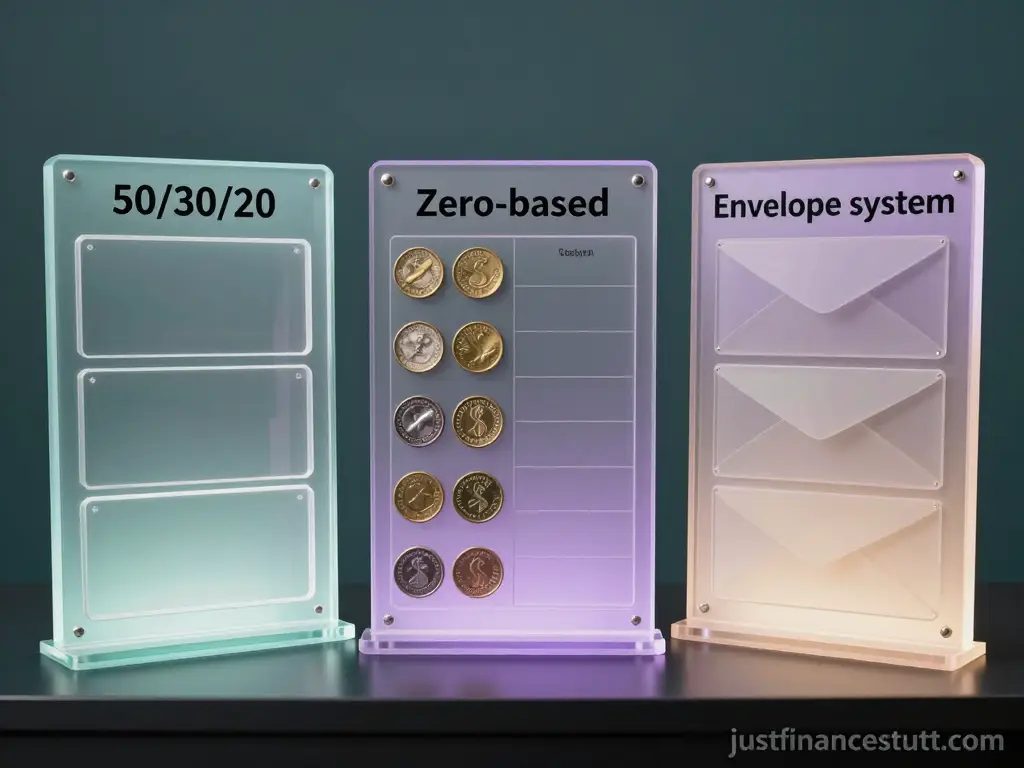
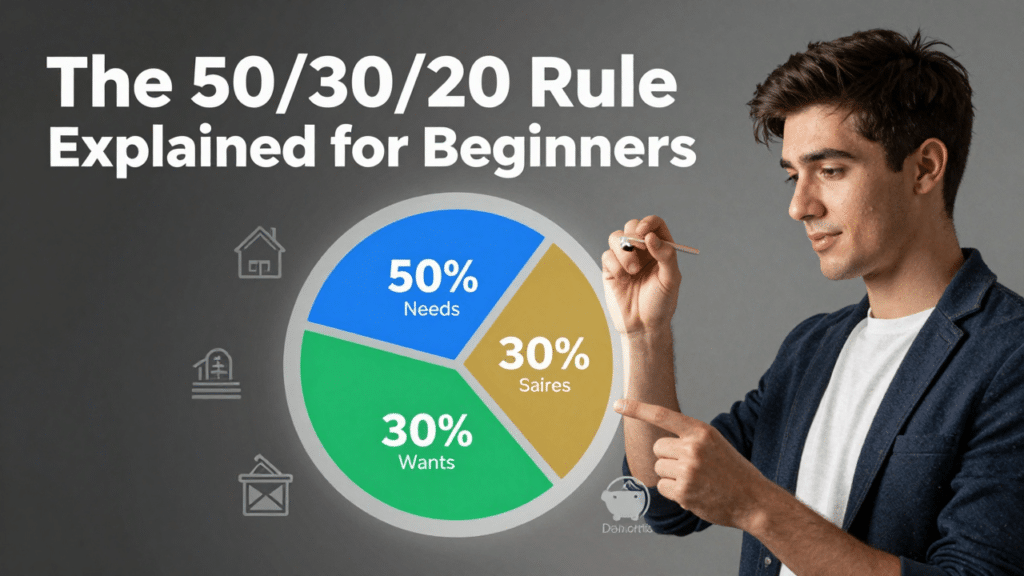
50/30/20 keeps things simple: 50% of your take‑home pay goes to needs, 30% to wants, and 20% to savings or debt payoff. For example, with a $3,000 monthly take‑home, you’d set aside $1,500 for needs, $900 for wants, and $600 for savings or debt, which are important budgeting tools. If your income rises, the percentages stay the same, so it’s easier to keep a steady plan.
Zero-based budget assigns every dollar a job so income minus spending equals zero. With a $3,000 month, you decide exactly where each dollar goes, rent, utilities, groceries, debt payments, and a $200 buffer, helping you understand how to spend your money wisely. After paying yourself first, you still aim to reach zero by month end.
Compare methods quickly:
- 50/30/20: easy to start, good for beginners, adapts with life changes.
- Zero-based: tighter control, reduces the risk of overspending on discretionary items.
- Envelope system: allocate cash per category, which makes overspending tangible and visible each day.
Start with your monthly budget by listing income and fixed expenses, then forecast variable costs like groceries and gas. If you overspend, trim the first flexible category, for example, cut dining out by $20, $30 this week and move it to savings or debt payoff, as this is a crucial way to save.
Tools and habits to maintain consistency
Use a simple toolkit to stay on track:
- Savings account for goals and emergencies to keep funds separate from daily spending. Name the jars: Emergency, June trip, and new laptop to reinforce purpose.
- Automatic transfers on payday to savings or debt payoff, so you don’t rely on memory. If you’re paid on the 1st and 15th, schedule transfers right after those dates.
- Regular check-ins, ideally weekly, to compare actual spend with plan and adjust before the month slips away. Set a 15‑minute alarm on Friday afternoons.
| Tool | Benefit | Tip |
|---|---|---|
| Budgeting app | Tracks income and expenses in one place | Set reminders to review every Sunday |
| Savings account | Protects money for emergencies and goals | Use separate accounts for short-term vs long-term goals |
| Automatic transfers | Builds consistency without manual action, making it easier to stick to your budget. | Automate on payday or right after each paycheck |
FAQ
What is budgeting and why is it important?
A budget is a practical plan that shows how you will spend and save your money each month. It helps you see income and expenses together so you can avoid overspending and stay on track toward financial goals. A good budget makes it easier to cover essentials, save for emergencies, and plan for the future while managing your student loans. For example, if you earn $3,200 a month, a budget might earmark $1,600 for housing, $600 for groceries, and $400 for debt payments, with the rest split between savings and discretionary spending.
How much should I save each month?
Savings targets depend on your income and goals, but a practical starting point is to set aside 10, 20% of your take‑home pay. If you can, aim for more in a savings account for emergencies and bigger plans. Start small if needed and increase the amount as your finances improve. A concrete plan: for $3,200 monthly take‑home, target at least $320 per month, then raise to $640 when you pay off a debt or boost your emergency fund to three months of expenses; having a budget can help you achieve this.
What are the first steps to start budgeting?
Begin with these quick steps to set up now:
- List all income sources and fixed expenses to see your baseline.
- Choose a simple budgeting method that fits your money flow, such as 50/30/20 or zero-based budgeting.
- Open a savings account and set up automatic transfers on payday.
| step | action | why it helps |
|---|---|---|
| 1 | Record income and expenses | Having a clear view of money coming in and going out is one of the key reasons why budgeting is essential. |
| 2 | Pick a budgeting method that aligns with your financial goals and helps you save for retirement. | Provides structure you can stick to |
| 3 | Automate savings | A good budget reduces the chance you skip saving for your retirement savings. |
Conclusion
Recap of budgeting benefits
A budget helps you see income and expenses in one place and makes goals like building an emergency fund or paying off debt more attainable, showing you ways to save money. It clarifies what you must pay for versus what you can adjust, which reduces money stress and keeps you on track toward a secure future.
Encouragement to begin and stay on track
Start with a simple monthly plan and small automatic steps. Track income and expenses, set realistic limits, and review your progress weekly. If you slip, adjust the plan instead of giving up, and keep your sights on short and long term goals like saving and staying out of debt.
- Open a savings account to separate goals from daily spending. For example, move $100 from each paycheck into an emergency fund until you reach a $1,000 starter goal, which is a crucial step in your savings goal.
- Set aside money each month before discretionary spending. Try the 50/30/20 rule for a clear balance between needs, wants, and savings.
- Use a straightforward method, such as 50/30/20 or zero-based budgeting, to stay consistent. Automate transfers so they occur even if you forget, helping you to stick to a budget.