
Why budgeting matters
Budget planning tips help you see where your money goes each month. By matching income to expenses, you reduce surprises and build a stronger financial foundation. A clear budget turns your net income into a practical plan, not a guess.
What you will gain from effective budget planning
With a solid plan, you can:
- Track your spending and stay on top of monthly expenses
- Build an emergency fund for unexpected costs
- Set and reach short term and long term goals to create a budget that works for you.
- Automate savings and bill payments to avoid late fees
Using a simple method like a zero based or envelope budget keeps every dollar working toward needs, wants, and savings. This approach helps you manage money better and move toward goals faster.
Build a Zero-Based Monthly Budget
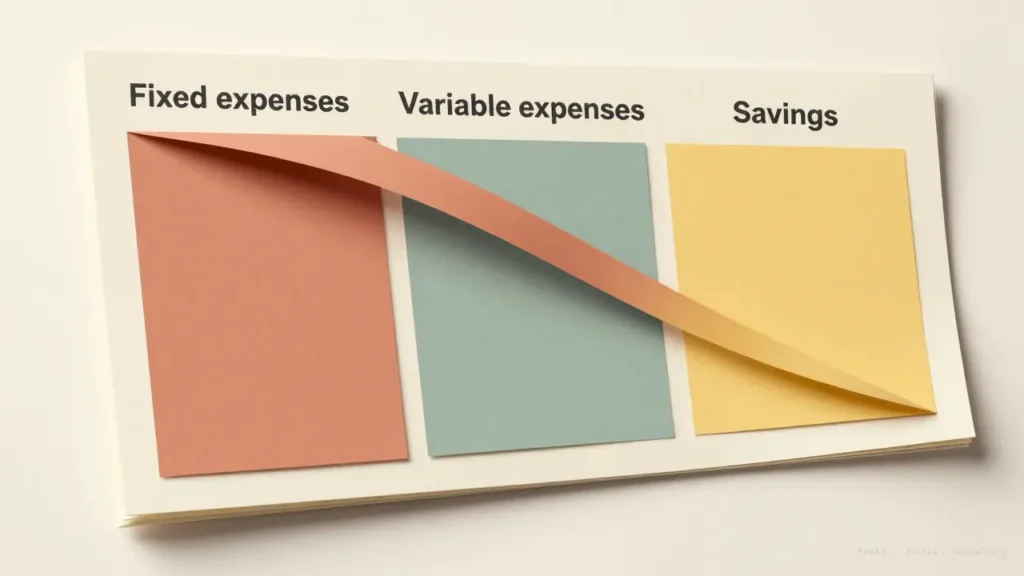
In a zero-based monthly budget, every dollar of your net income should have a purpose. That means you plan where money goes before it leaves your hands, and you end the month with a balance of zero. This tight control helps you see exactly how you allocate money toward needs, wants, and savings.
Assign every dollar to a category
Start by listing all monthly expenses, from rent or mortgage to groceries and gas. Then assign each dollar to a specific category. The goal is to have income minus expenses equal zero, so no money sits idle.
- Fixed expenses should be accounted for when you make a budget.: rent or mortgage, utilities, loan payments
- Variable expenses: groceries, fuel, entertainment
- Savings: emergency fund, long-term goals
Incorporate savings before expenses
Treat savings as a bill you must pay each month. Allocate a portion of net income to savings first, then fund essentials and discretionary spending. This habit builds momentum toward your goals without relying on leftovers.
- Emergency fund contributions
- Short-term goals savings
- Long-term goals savings where possible
Adjust for irregular income
If you have irregular pay, average your income over the last 3, 6 months and plan the budget accordingly. Update the plan when your income changes to keep the zero-based balance intact.
- Use a baseline monthly amount for essential categories
- Create a buffer in your budget to accommodate unexpected expenses and adjust your budget as needed to manage your money better. for lean months
- Review and tweak weekly as needed
Track and categorize spending with realistic categories

Tracking your spending helps you see where money actually goes and keeps your budget honest. Start by separating costs into clear groups and comparing them to your plan. This makes it easier to adjust before small leaks become big gaps.
Differentiate needs, wants, and wants-to-save
Label each expense as a need, a want, or a save-for-something specific to effectively manage your money. This keeps you focused on essentials while still allowing room for small pleasures and future goals.
- Needs: housing, utilities, groceries, transportation
- Wants: dining out, streaming services, new clothes
- Wants-to-save: vacation fund, home repairs, big purchases
Use a consistent tracking method
Pick one method and stick to it. You can:
- Use a budgeting app that syncs with your bank accounts
- Maintain a simple budget spreadsheet with monthly totals
- Keep a digital envelope budget for each category to limit overspending and ensure you spend your money wisely.
Identify leaky categories and adjust
Look for categories that creep up month to month. If you overspend, cut back or reallocate to savings. Small adjustments now prevent bigger cuts later.
Implement the 50/20/30 budget rule

The 50/20/30 rule is a simple framework: allocate 50% of net income to needs, 20% to savings, and 30% to wants. It helps you balance essentials with goals and discretionary spending. Here’s how to apply it clearly.
50% needs
Needs cover housing, utilities, groceries, transportation, and minimum debt payments. Keep this slice tight to avoid crowding out savings or wants.
- Rent or mortgage, utilities, groceries, and essential transportation
- Minimum loan payments and insurance premiums
- Exactly what you must pay to stay afloat each month
20% savings
Save for both near-term goals and long-term security. Automate these transfers so you pay yourself first without thinking about it, helping you save money consistently.
- Emergency fund contributions
- Retirement or long-term goals
- Debt repayment beyond minimums if you’re prioritizing faster payoff
30% wants
Wants fuel life and motivation but should not derail your plan. If your needs or savings rise, adjust this portion accordingly.
- Dining out, entertainment, hobbies
- Subscriptions and nonessential shopping
- Vacation spending within your monthly limit
How to customize for your situation
Not everyone earns the same, so tailor the ratios as needed. Start with 50/20/30, then shift 5, 10 percentage points from wants to savings or needs if your situation requires it.
| Scenario | Recommended adjustment | Why it helps |
|---|---|---|
| Low income can make it challenging to create a budget, but there are effective budgeting tips to help. | 40/25/35 | Guarantees basics while growing savings gradually |
| High debt | 50/25/25 | Accelerates payoff without starving essentials |
| Set strong savings goals to ensure you can spend your money wisely. | The 45/25/30 budgeting method can help you allocate your paycheck effectively. | Increases savings while keeping needs covered |
When to revisit the ratios
Review your budget every 1, 3 months or after big changes such as a salary bump, new deductible, or housing costs to ensure you are saving money. If you consistently overspend a category, recalibrate promptly.
Automate savings and bills
Automation helps you stay on track without micromanaging every cent. By moving money automatically, you reduce the chance of forgetting payments and you build savings consistently into your budget plan.
Set automatic transfers to savings
Link a savings account to your checking and schedule transfers right after each payday to set money aside for future needs. This pay yourself first step ensures you grow an emergency fund and fund long term goals without extra effort.
- Choose a fixed amount or a percentage of net income
- Split between an emergency fund and specific goals like a vacation or a future home
- Review transfers quarterly to adjust for income changes
Automate bill payments to avoid late fees
Set up recurring payments for rent, utilities, and minimum debt payments. Automating these bills keeps you timely and reduces the mental load of tracking due dates.
- Use auto-pay where offered by creditors or banks
- Keep at least one bill in a separate cushion account in case of payment issues
- Verify payment dates when rates or due dates change
Create alerts for upcoming charges
Alerts help you anticipate charges and adjust spending before they hit your monthly expenses. Use bank or budgeting app notifications for due dates, overdrafts, and goal progress.
- Set reminders a week before large bills
- Enable low-balance alerts to protect your budget
- Track goal milestones with progress notifications
Prioritize debt repayment within your budget

Debt payments are a powerful lever to free up money for other goals. By treating debt as a regular line item, you reduce interest costs and shorten payoff time. The move here is to pick a clear strategy and weave it into your monthly plan.
Choose a repayment strategy (snowball or avalanche)
Snowball focuses on the smallest balance first to build momentum. Avalanche pays off the highest interest rate first to minimize costs. Choose the method that keeps you motivated and feels sustainable.
- Snowball: pay minimums on all debts, then attack the smallest balance with extra payments
- Avalanche: pay minimums on all debts, then attack the highest-interest debt with extra payments
Integrate debt payments into monthly planning
Treat debt payments as a fixed monthly expense. Include them when you set your net income and track progress in your budget category for debt repayment.
- List each loan or card, balance, rate, and minimum payment to better control your money and adjust your budget accordingly.
- Allocate a fixed extra amount beyond the minimum if possible
- Review quarterly to adjust if income changes
Evaluate refinancing or consolidation options
Refinancing can lower interest or shorten terms, while consolidation can simplify payments. Weigh costs, your credit, and the new total monthly obligations before switching.
- Check new interest rate and monthly payment
- Factor in any fees or penalties
- Ensure the new plan fits within your overall budget and goals
Build an unusual or contingency category
Plan for the unexpected with these 7 tips for creating a personal budget. A dedicated contingency or unusual category helps you absorb shocks without wrecking your core budget. This simple move protects your long-term goals and keeps your monthly plan intact.
Plan for unexpected expenses
Set aside a small, predictable amount each month to cover rare events like car repairs, urgent medical costs, or sudden travel. Think of it as a safety buffer that your normal budget can lean on when surprises hit.
- Start with 1, 2% of your monthly income or a fixed monthly dollar amount when creating your first budget.
- Keep the funds separate from the emergency fund for quick access
- Replenish the pot after you use it, so it stays ready
Use the category to reduce budget shocks
Label this as a separate budget category so it doesn’t get absorbed by other needs. This makes your overall spending view clearer and prevents one off cost from cascading into savings or debt payments.
- Track how often you dip into it
- Adjust size after big life changes like a move or new job
- Keep receipts to refine future estimates
Review and adjust over time
Check the contingency amount quarterly or after major expenses. If you routinely underfund it, increase the monthly allocation. If you rarely touch it, you can reallocate some of that money to savings or debt if your other buffers are strong.
Set realistic financial goals and milestones
Well set goals guide your budget plan and keep you focused. Start with clear targets that you can reach in a reasonable time frame, then build steps to reach them while creating a personal budget. An effective budget is essential for tracking your monthly income and expenses. means goals that fit your net income and monthly expenses.
Short-term vs. long-term goals
Short-term goals, such as building a small emergency fund or paying off a small debt, should be achievable within 3 to 12 months when you make a budget. Long-term goals go beyond a year, such as saving for a home or retirement. Align both with your budget categories so you see progress each month.
Link goals to specific dollar targets
Put a clear number on each goal. For example, aim to save $1,500 for a vacation in 9 months or add $5,000 to a home fund in 18 months. Break the total into monthly targets and place them under savings or a dedicated fund in your budget.
Track progress and celebrate milestones
Review progress at month end. When you hit a milestone, acknowledge it and adjust future deposits to maintain momentum. Small celebrations help you stay on track without derailing your plan.
- Record progress in your budgeting app or a simple spreadsheet
- Increase targets after consecutive month wins
- Reassess goals after life changes like a new job or move
FAQ
Here are practical answers to common questions about budgeting tips and how to apply them in real life.
- What is a zero-based budget? It assigns every dollar of net income to a category so income minus expenses equals zero, ensuring you give money a specific job each month.
- How should I start budgeting if I have irregular income? Create a monthly plan based on your lowest earning month, then adjust when you have higher income. Use a buffer category for fluctuations.
- What is the best rule for allocating money? Many people use the 50/20/30 or zero-based approach. Both focus on needs first, then savings, then wants, with a clear path to expenses and goals.
- How can I automate savings and bills? Set automatic transfers to a savings account as soon as you receive income and enable automatic bill payments to avoid late fees.
- Why track spending regularly? Tracking your bank statements reveals actual habits and helps you catch leaks in categories like groceries, dining out, or entertainment before they derail your plan.
- What if I have debt? Include debt payments in your budget as a fixed monthly expense and choose a repayment method such as snowball or avalanche to stay on track.
Conclusion
The core of effective budget planning is simple: decide where every dollar goes, automate where possible, and review regularly. A practical approach helps you stay on track toward both short term needs and long term dreams.
Here are quick takeaways to solidify your plan:
- Start with a zero based mindset so income minus expenses equals zero and every dollar has a job.
- Use realistic categories in your budget to effectively manage your paycheck and control your money. like needs, wants, and savings, and adjust as life changes.
- Automate savings and bills to reduce late fees and build momentum for saving.
- Keep an emergency fund or contingency fund to cover unexpected costs without breaking the plan.
- Review monthly and tweak as needed to stay aligned with goals.
If you spot gaps, try small tweaks such as subtracting a portion from wants to savings or creating a separate fund for irregular expenses. The simplest change is often the most effective. Start budgeting today and build momentum toward your financial wellness.