Why a family budget matters
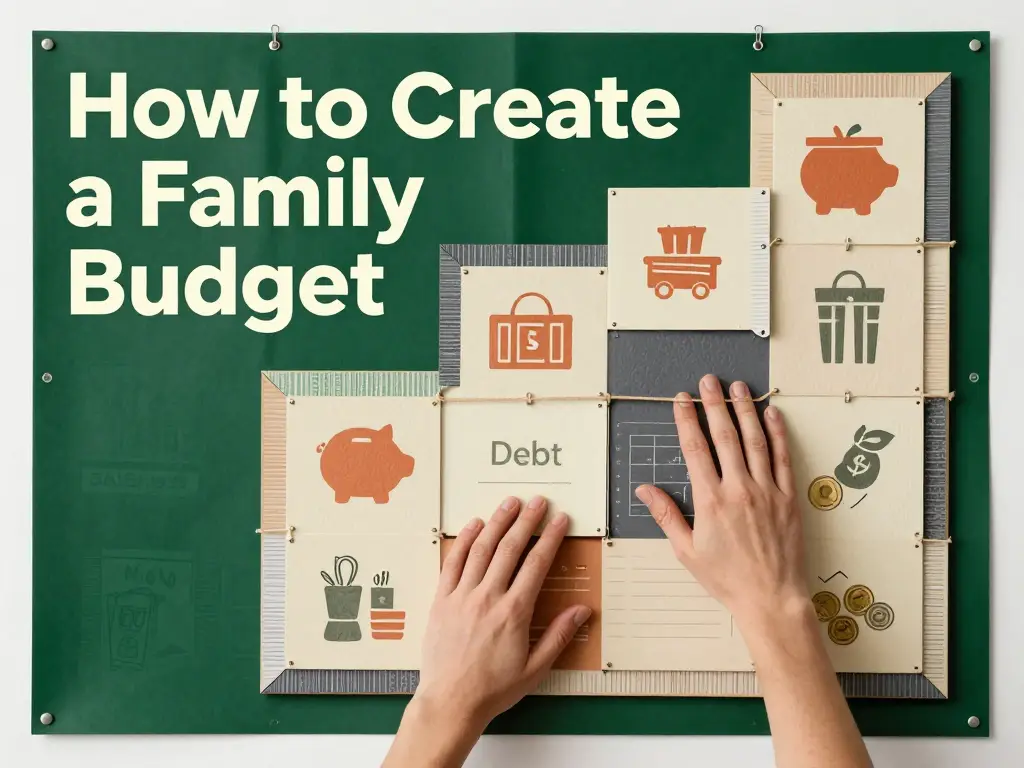
A family budget keeps monthly spending from spiraling and helps you reach big goals, like paying off debt or saving for college. It clarifies money decisions, so you know where every dollar goes and can avoid surprises. For example, tracking groceries, streaming bills, and school fees under one plan helps prevent missed payments and supports budgeting systems.
When the whole family is involved, budgeting becomes a shared plan rather than a source of stress. A solid budget supports financial wellbeing, teaches kids practical money habits, and creates a predictable path toward your goals. Try a monthly family review where everyone notes upcoming expenses and celebrates small wins, such as reducing impulse buys or lowering energy use.
What you will learn
You will learn how to create a family budget that fits real life, including:
- How to set clear financial goals and prioritize needs over wants, such as prioritizing debt payoff before discretionary purchases
- How to calculate monthly income and track expenses, using a simple worksheet or app that all family members can update
- How to build a realistic spending plan using a zero-based approach, allocating every dollar to a category
- Ways to protect your finances with an emergency fund and smart saving habits, like aiming for 3, 6 months of essential expenses
- Methods to involve the whole family and keep progress on track, including weekly check-ins and visible progress charts
Define clear family financial goals
Short-term and long-term goals
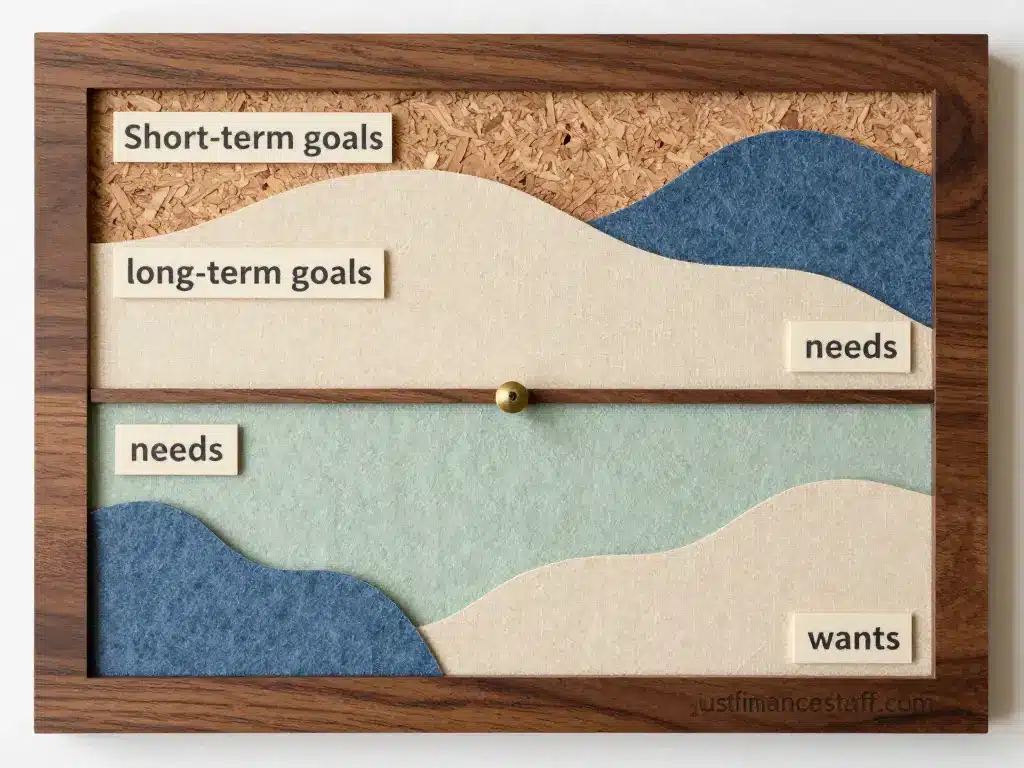
Set concrete targets you can measure. Short-term goals cover the next 3 to 12 months, like building an emergency fund, paying off a small debt, or implementing money saving tips for families. Long-term goals look 3 to 5 years out or more, such as saving for a college fund or a home down payment.
Write each goal with a clear deadline and a dollar amount to enhance your financial literacy. For example, target a $1,500 starter emergency fund in 6 months, and aim to contribute $200 monthly toward a college fund over the next four years.
Prioritizing needs vs. wants
Identify essentials first. Needs include housing, utilities, groceries, childcare, and healthcare. Wants are discretionary items that can wait, like dining out or premium subscriptions.
Use a simple rule to decide what stays in the budget. If a cost helps meet a goal or covers a must-have, such as family expenses, it stays. If it doesn’t support a goal or a need, consider delaying or trimming it.
Calculate household income

Reporting take-home pay
Start with the money you actually receive after taxes and deductions while considering tips to help improve your financial planning. This is the amount you’ll base your budget on each month, ensuring effective financial planning. Use reliable pay stubs or bank deposits to confirm this figure.
When you combine incomes, add both partners’ net pay to get the household monthly take-home pay. For example, if one person brings in $4,000 and the other $3,000 after deductions, your total monthly take-home pay is $7,000.
Including side income and irregular earnings
Don’t overlook irregular money that comes in regularly, as it can be crucial for creating a budget. Side gigs, freelance work, or seasonal shifts can add meaningful dollars to your budget. Use a realistic average from the last 3, 6 months to smooth out fluctuations.
If a source isn’t consistent, treat it as a separate line item with a confidence level in your budgeting strategies. For example, you might budget $500 monthly from freelance projects with a conservative 60% confidence factor, and adjust as actuals come in.
Track and categorize expenses
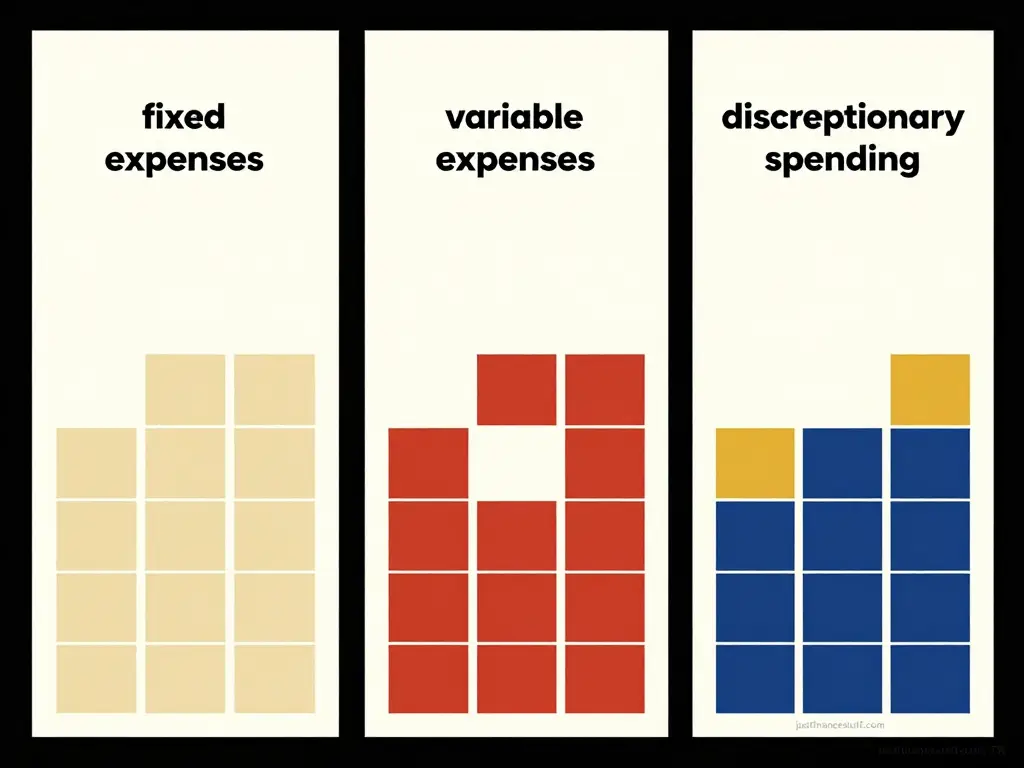
Fixed, variable, and discretionary expenses
Start by naming three main groups: fixed expenses stay the same each month such as rent or mortgage, variable expenses shift month to month like groceries or gas, and discretionary spending covers non-essentials such as dining out or streaming. For example, a $1,800 rent is fixed, groceries can range from $350 to $520, and a $12 movie subscription is discretionary.
Assign each cost to its category to spot trimming opportunities without hurting essentials. Use this sequence: cover fixed costs first, then fund essentials (food, transportation, utilities), and finally decide how much to set aside for savings or debt payoff. A practical tweak is to create a baseline budget for fixed items and cap discretionary spending with a hard monthly limit, like $150 for entertainment.
Using receipts, statements, and apps
Keep receipts for at least one billing cycle to verify charges. Reconcile bank and credit card statements weekly so you catch errors or fraud early, which is a crucial part of effective budgeting strategies.
Practical tools and steps to stay organized:
- Use a spreadsheet for custom categories and a clear audit trail
- Try budgeting apps that auto categorize and show monthly trends
- Enable online banking alerts for recurring payments and unusual activity
| Tool type | Best use | Limitations |
|---|---|---|
| Spreadsheet | Fine-grained control, transparent calculations | Manual data entry |
| Budgeting app | Auto-categorization, visual summaries | Subscriptions may add up |
| Bank/credit statements can be analyzed using budget calculators to track spending effectively. | Regular verification, trend insight | Cash purchases may go unnoticed |
Create a realistic spending plan (Zero-based budget)

Allocating every dollar
With a zero-based budget, every dollar has a job. Start by assigning income to fixed costs, essentials, debt payoff, and savings until the bottom line is zero, using a meal plan to manage food expenses and creating a budget for every family. This keeps you from leaving money unallocated and forces clear priorities.
Realistic example: if you bring in $6,000 monthly, you might allocate housing $1,800, groceries $700, transport $350, utilities $250, debt $600, savings $900, and a fun/category for incidental expenses $250. If your actual bills come in higher one month, you’ll see exactly where to tighten without touching essentials.
Building in wiggle room for surprises
Life can hand curveballs like a bigger utility bill or a sudden repair. Add a flexible envelope so you don’t derail progress. A practical approach is to set aside 5, 10% of income for surprises, or create a dedicated cushion inside your variable expenses.
Monthly reviews matter. If a category underspends, consider moving the excess to savings or a calendarized expense you occasionally incur, such as seasonal gifts. If a category overruns, trim nonessentials first and avoid dipping into housing or debt payments.
| Element | How it helps | Example |
|---|---|---|
| Zeroing the budget | Ensures every dollar serves a purpose | Income $6,000, all categories sum to $6,000 |
| Wiggle room | Absorbs surprises without rupturing the plan | 5, 10% for surprises or a dedicated cushion |
| Monthly review | Keeps the plan aligned with life changes | Reallocate overspending to savings; adjust needs vs wants with simple budgeting strategies. |
Set up an emergency and savings buffer

Having a dedicated cushion protects your family budget from unexpected costs and helps you stay on track with your budgeting goals. An emergency fund and regular savings work hand in hand to reduce stress when life throws a curveball.
Establishing an emergency fund target
Set a clear target based on your monthly essential costs, not your income. A practical rule is to aim for 3 to 6 months of essential bills, including housing, utilities, groceries, and minimum debt payments. This creates a safety net for job gaps or sudden bills, ensuring your family expenses remain manageable.
Adjust for your situation. If you have stable income and low debt, 3 months may suffice for financial literacy in raising a family. If you’re in a variable job or have dependents, lean toward 6 months. Revisit the target every year or after a major life change.
if your essential monthly costs total $4,500, aim for a fund of $13,500 to $27,000. If you have a high-deductible health plan or mortgage with a school-aged child, lean toward the higher end to cover larger possible bills. Edge cases include gig work with irregular hours or a single income supporting dependents, where 6 months provides real protection in financial planning.
Automating transfers to savings
Make saving automatic so it happens without thinking about it. Set up a monthly transfer from the checking account to a savings account, or to a dedicated emergency fund. Treat savings like a fixed expense and include it in your zero-based plan.
Example: with a monthly take-home of $7,000, move $700 to savings right after payday. If you have a separate cushion for irregular expenses, automate a smaller weekly transfer there instead.
name the accounts clearly, for example “Emergency Fund” and “Irregular Expenses Fund,” and set a hard stop on transfers if you hit a staffing or income shortfall to avoid over-saving during lean months.
| Action | Understanding why it helps can lead to better budgeting and saving habits. | Practical setup |
|---|---|---|
| Set fund targets for your family expenses to ensure you stay within your budgeting goals. | Clarifies how much to save and when to stop building the emergency fund | 3-6 months of essential expenses |
| Automate transfers | Removes temptation to spend and builds consistency | Use payday as the trigger date |
| Separate accounts | Prevents mixing emergency funds with spending money | Savings account or high-yield option |
Manage debt effectively
Debt payoff strategies
Two common methods help you reduce debt without derailing your budget. The aim is to pay off what you owe while limiting interest and keeping cash flow steady.
- Snowball method: start with the smallest balance, then roll that payment into the next smallest debt. For example, pay off a $1,200 credit card first, then apply that payment to a $3,000 loan until it’s gone, while keeping an eye on your budgeting goals.
- Avalanche method: attack the highest interest debt first to minimize total interest. If your card is 22% and a loan is 9%, focus on the card first, then the loan.
- Hybrid approach: get a quick win with a small debt, then switch to the avalanche method to maximize long‑term savings. For instance, clear a $600 medical bill, then apply the freed cash to an 18% balance.
Choose the approach that keeps you motivated and fits your rates and payoff timeline. Practical steps: list all balances, pick a target order, and set a fixed extra payment each month. If many high‑interest balances feel overwhelming, consider a 0% intro balance transfer for 12, 18 months, but note transfer fees and post promo rates.
Avoiding new debt and using credit wisely
- Only borrow for essential needs or major purchases that improve long‑term value, such as a fuel‑efficient car or a degree that boosts earning potential.
- Keep credit utilization low by staying under 30% of the available limit on cards. Example: a $5,000 limit should stay under $1,500 balance to protect credit scores.
- Pay statements in full when possible to avoid interest charges, and set a rule to charge only what you can repay each month. If you can’t pay in full, plan to pay at least twice a month to reduce interest accrual.
| Develop a strategy for financial planning that incorporates budgeting systems. | When it helps | A potential drawback of financial planning is the risk of underestimating irregular expenses. |
|---|---|---|
| Snowball | Quick wins, steady momentum | May pay more interest overall |
| Avalanche | Minimizes total interest and allows for faster long-term payoff when using effective budgeting systems. | Fewer early wins |
| Hybrid | Motivation plus cost savings | Requires careful planning |
Get the whole family involved

Family roles and budgeting conversations
Clear roles keep a family budget on track. Assign simple tasks that reduce friction and build accountability, with concrete steps to start this week.
- Designate a household coordinator to track expenses and post a weekly summary in the kitchen or a shared app.
- Assign a receipts keeper who logs every purchase within 24 hours in a central system like a shared spreadsheet or budgeting app.
- Set a spending limit For discretionary items, reviewed monthly, so each person knows boundaries and can adjust if budgeting goals shift.
Hold 10, 15 minute money talks every week to review progress, adjust goals, and celebrate wins. Use a positive frame, track deviations, and agree on one action item per person to stay moving forward.
Age-appropriate money lessons for kids
Teaching money basics builds long-term wellbeing. Start simple, then add concrete tasks as kids grow.
- Preschool: label needs versus wants with real items like a snack versus a toy, and let them choose one.
- Elementary: use a piggy bank or jar system, set a clear saving goal, and show progress with a chart.
- Teens: implement a Establish a monthly allowance to teach kids about money management. Tasks tied to chores may require receipts for purchases, and discussing interest or debt consequences with real scenarios can enhance financial literacy.
Involve kids in small budget decisions, like planning a family outing within a set limit, to reinforce responsibility and shared ownership.
FAQ
Here are quick, practical answers to common questions about building and maintaining a family budget. This guide gives you real steps you can use this month, with concrete numbers and a simple plan you can adapt to your household.
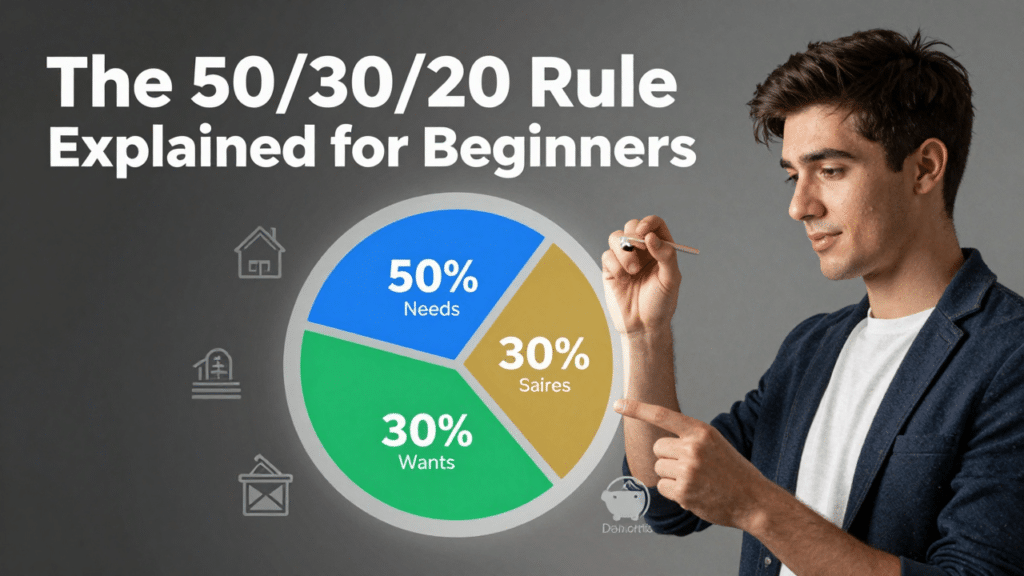
- What is a family budget? A plan that maps monthly income to expenses, savings, and debt payments so you can reach your financial goals as a household. Example: if your take-home pay is $4,800, target 50% for needs, 20% for savings, 30% for wants, and adjust as your family grows or bills change.
- How much should an emergency fund cover? A common target is 3, 6 months of essential expenses, but adjust based on job security and household needs while raising a family. If essential costs run $3,500 monthly, aim for $10,500, $21,000. Consider extra if you rely on one income or have large variable costs.
- Which budgeting method works best for families? The right method fits your life. Zero-based budgeting with a monthly budget is popular, but you can mix in an envelope approach for discretionary spending or use a facilitator app to stay organized. Start with a 3‑month trial of two methods and keep the one that reduces overspending.
- How do I involve my kids without causing conflicts? Assign age-appropriate money tasks, hold short weekly money talks, and celebrate small wins to build money literacy and shared accountability. For younger kids, give a chore plus allowance pairing; for teens, involve them in bill comparisons and savings goals for a family trip.
- Do budgeting apps help or complicate things, especially when planning for a family vacation? They can simplify tracking and automate transfers, but choose one that matches your goals and comfort level. Start with basic categories and scale up as you gain clarity. Example: use one app for daily groceries, another for long-term goals like a vacation fund.
Conclusion
Creating a family budget is about clarity, not sacrifice. By defining clear financial goals, tracking income and expenses, and involving the whole family, you turn money from a source of stress into a planning tool that supports your priorities.
- Start with a simple plan a monthly budget that covers essentials, savings, and a small discretionary category.
- Automate where possible set up automatic transfers to an emergency fund and savings so you stay on track without daily effort.
- Involve the family Assign roles, explain decisions, and teach kids money habits through real-life examples, such as budgeting for a family vacation and small responsibilities.
Remember to revisit and adjust your budget regularly as life changes. A flexible, well-documented plan helps you stay aligned with your financial goals and supports long-term financial wellbeing.