How Credit Cards Work and Which Type Is Right for You
Credit cards let you borrow money to buy things now and pay it back later, but be mindful of accumulating credit card debt. If you pay your balance in full each month, you can avoid interest. If you carry a balance, interest charges apply based on the card’s APR, which may improve your credit score if managed well. Your spending, payment history, and how you manage balances affect your credit score over time.
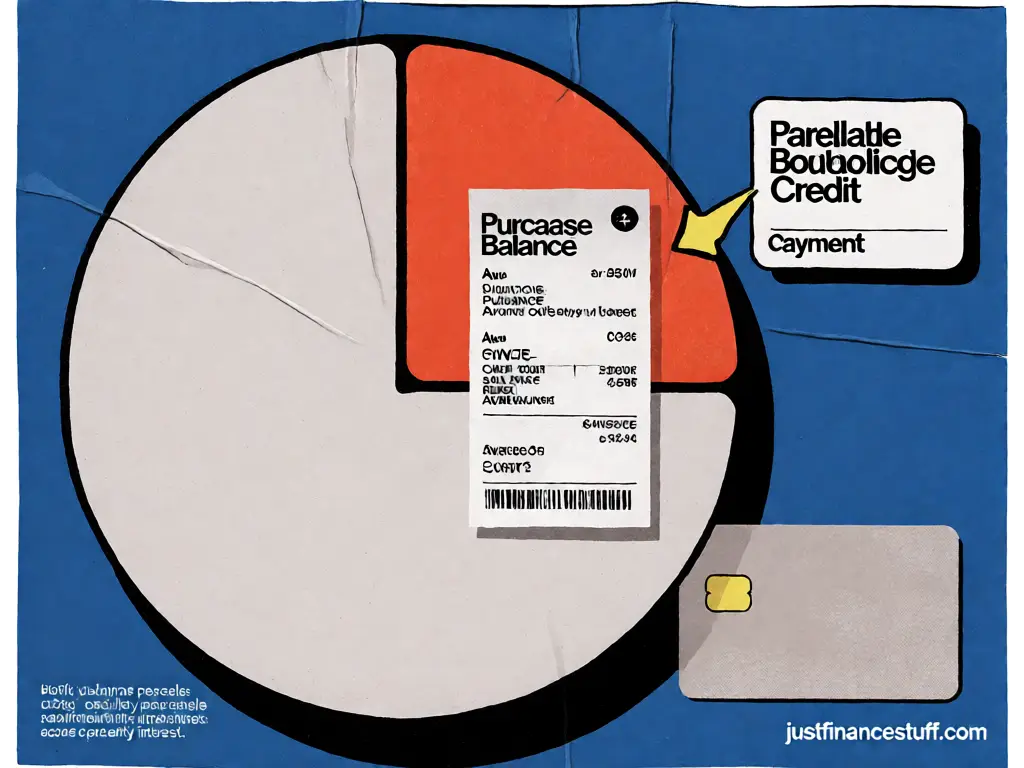
Credit vs. debit, secured, store, and business credit cards
Here’s how these common types differ at a glance:
- Credit card: a line of borrowing from a lender with a credit limit you can use for purchases.
- Debit card: draws directly from your checking account; you don’t pay interest because you’re using your own money.
- Secured credit card: requires a cash deposit that sets your credit limit, a good option when you’re building or rebuilding credit.
- Store card with no impact on your credit score: issued by a specific retailer and may offer discounts, but often has higher interest rates and fewer protections.
- Business credit card: Consider how it can help manage expenses while also offering rewards earned on your credit card. designed for business expenses and can help separate personal and business spending.
Credit Cards for Young Adults, No-Income Applicants, and Different Needs
Your situation shapes which card fits best, particularly when considering options from credit card issuers like Capital One. If you have limited or no income, a secured card can help you build a history. If you want perks, a rewards card might be worth it. Look for cards that report to the three major credit bureaus and have a reasonable annual fee or none at all.
Short list to consider for the right credit card offer may be available:
- Secured cards to build or rebuild credit can also be considered as rewards credit cards that may offer better credit scores, helping you find the right card for your financial situation.
- Unsecured cards with low fees for beginners can help you build your credit history.
- Rewards cards can offer cash back on purchases if you pay in full each month.
- Student or starter cards tailored for new borrowers, such as those offered by Visa or American Express.
How Many Credit Cards Should You Have?
There is no one-size-fits-all answer. A practical approach is to start with one card that fits your needs, such as a Visa or American Express, and only add more if you can manage them responsibly. Key guardrails:
- Keep total balances well below 30% of your combined credit limit.
- Make on-time payments every month to protect your credit score.
- Avoid opening several cards at once, which can lower your score temporarily and impact your ability to build your credit history.
Applying for Credit and Building or Rebuilding Your Score
Understanding what lenders review helps you apply with confidence upon approval for a visa credit card and can lead to better offers and apply online options. When you submit an application, it may trigger a soft or hard inquiry on your credit report, which can have a brief impact on your score; therefore, it’s important to apply online today with caution. The goal is to present a clear, accurate picture of your finances and how you manage debt.
Credit Card Applications, Approval Limits, and What Lenders Look For
Lenders assess your ability to repay and consider several factors. They typically look at:
- Your credit score and how long you’ve had credit history
- Your income and existing debt obligations
- Your current balances and spending patterns
- Your history of making payments on other accounts
Approval limits are tied to risk and can be modest at first. Some issuers offer secured cards or starter products that require a deposit or have lower credit thresholds to help you qualify.
Building Credit With or Without a Credit Card
You can build your credit with or without a rewards credit card that offers cash back on purchases. If you choose a card, focus on on-time payments and keeping balances well below your limit. Without a card, alternative options like a secured card or small, responsibly managed loans can also help establish a steady repayment history and improve your chances of being approved for a card.
- Pay bills on time and in full when possible
- Maintain low balances to support a healthy utilization rate
- Monitor your credit report for accuracy and signs of identity theft, and consider using free credit monitoring services for added protection.
Credit Cards After Bankruptcy, Charge-Offs, Collections, and Poor Credit
Even with bankruptcy, a charge-off, or collections, you can rebuild your credit and potentially qualify for rewards credit in the future. Look for cards designed for rebuilding credit, often with lower limits or secured requirements. The aim is consistent, responsible use over time to reestablish repayment history and improve scores.
Credit Card rewards, discounts, and travel benefits
Dining, shopping, fuel, and everyday credit card rewards
Rewards programs should match your regular spending. They come in cash back, points, or miles, and the value depends on how you use them over time.
- Cash back is a common benefit associated with many rewards credit cards. Rewards earned on everyday buys like groceries and dining can add up quickly to be redeemed for a statement credit, especially during the first 6 months of card use.
- Rotating categories can offer higher rewards for certain months, but check how you qualify and whether you must activate.
- Some cards provide statement credits for specific merchants or categories you use often.
Travel cards, airport lounge access, car rentals, and business travel
Travel-focused cards often include perks beyond simple rewards. These can ease trip costs and add convenience, but every perk has limits and fees.
- Travel rewards convert purchases into points or miles you can redeem for flights or hotel stays.
- Airline or hotel transfer options can boost value when you use partner networks.
- Car rental insurance and travel protections may save you money on trips.
Co-branded and special rewards programs
Co-branded cards tie rewards to a retailer, hotel, or service. They can be worthwhile if you shop with the partner, but compare caps and fees.
- Brand-specific perks can include discounts, exclusive offers, or early access to sales that you’ve earned on your credit.
- Annual fees vary; make sure the rewards you’ll earn cover the cost and consider if the offer may not be available after the first 6 months of card use.
- Some programs limit where you can redeem rewards or require minimums to unlock value, which may not be eligible for all users.
Store, retail, and specialty credit cards
Store and brand cards can be useful if you shop often at a specific retailer. They often offer perks tied to that store, like discounts or exclusive offers. But they can also have higher interest rates or limits, so consider how you plan to use them and whether the rewards justify any costs.
Store financing, retail credit cards, and account login basics
Store financing often features promotional offers such as 0% APR for a set period, which can be beneficial for online retail purchases. Read the terms carefully, including what happens if you miss a payment. Retail credit cards are issued by the store or a bank and may provide savings at the point of sale or on special promotions. Set up online access so you can track balances, due dates, and rewards.
Account login basics:
- Use a single, strong password and enable account alerts for eligible purchases or large balances.
- Regularly check statements for unfamiliar activity and report anything suspicious quickly.
- Understand how the card interacts with your credit score, especially if you carry balances.
Brand-specific cards
Brand-specific cards tie rewards to that name and often come with category bonuses at their stores. They can be worthwhile if you shop there frequently or want access to exclusive events. Compare annual fees, earning rates, and redemption options before applying.
Key considerations for obtaining a better credit score include maintaining good credit habits and understanding how lenders evaluate your creditworthiness.
- Redeemability: Can you use rewards across a broad network or only at the brand?
- Fees: Some brands waive annual fees for a limited time or offer no-fee options on their rewards credit cards.
- Credit impact: Store cards can still affect your credit score through utilization and payment history.
Furniture, military, sports, vending, stylish cards, and card accessories
Specialty cards cover niches like furniture financing, military discounts, or vending networks. They may offer tailored terms or unique perks, but ensure they fit your spending and financial habits. Some cards also exist as accessories, like cards with enhanced security features or digital wallet compatibility.
Practical tips:
- Only apply if you will use the benefits regularly and can manage payments on time.
- Review terms for any usage limits, grace periods, or penalties.
- Keep track of how often you rotate between store cards and general purpose cards to avoid unnecessary clutter.
What bills and purchases can you pay with a credit card?

Credit cards are flexible tools. They let you pay for many common expenses, and some helpers even offer automatic bill pay. Here’s a practical look at typical kinds of payments you might charge to a rewards credit card.
Rent, Groceries, Mortgage, Student Loans, and Property Expenses
- Rent: Some landlords accept credit card payments, but there may be processing fees. Always check if a convenience fee applies.
- Groceries: A common everyday use. Rewards can add up if you shop regularly at the same stores.
- Mortgage: Many lenders accept card payments, but note higher fees or limits and potential cash-equivalent restrictions.
- Student loans: Some servicers allow card payments, but there can be convenience fees and limits on how much you can pay with a card each month, and terms apply.
- Property expenses: HOA fees, property taxes, and insurance payments are often payable by card, subject to fees and processor limits, especially when using a Visa or American Express.
Cars, Auto Dealers, Car Insurance, Rentals, and Repair Bills
- Car purchases or leases: Some dealers take cards, but many require card use only for down payments or accessory items; large totals may trigger limits or fees.
- Auto insurance: Payments are frequently accepted by card, sometimes with a small processing charge.
- Rentals: Car rental agencies often accept cards, which helps hold a security deposit but watch for extra fees or coverage options.
- Repairs: Mechanic shops and dealerships commonly take cards, making it easy to cover service costs promptly, especially if you have 6 months of card membership.
Weddings, Furniture, Online Purchases, and Paying With Multiple Cards
- Weddings: Big-year purchases like venues, decor, and services can be charged to a card to earn rewards or track spending, mindful of limits and fees.
- Furniture: Card payments can simplify large buys, but some stores limit payments to certain card types or require in-store payment only.
- Online purchases: Cards are widely accepted for digital orders; ensure you enable purchase protections and fraud alerts.
- Paying with multiple cards: You can split a single purchase across cards to manage limits or maximize rewards, but confirm the merchant allows multi-card transactions and any related fees.
Managing credit card payments, balances, and cash
How to calculate payments and manage credit card balances
When you manage a card, the key numbers are the statement balance and your payment amount. Paying in full by the due date avoids interest on purchases. A steady, smaller payments can reduce balances faster and improve your credit utilization. Try to keep the balance well below your credit limit.
- Know your due date and minimum payment to avoid late fees and maintain a good credit line.
- Check your latest statement for the exact balance and any fees.
- Monitor utilization, ideally keeping it under 30 percent of your credit limit.
Cash advances, ATMs, sending money, and money orders
Cash advances let you pull cash from your card, but they usually come with higher fees and higher APRs. ATM withdrawals can also incur per-transaction charges that may not be available with certain credit card companies, so it’s wise to call the bank for clarification. Money transfers and gift cards may be options, but check transfer fees and timing before you move funds, as they may not be eligible for credit approval.
- Cash advances often start with immediate interest, sometimes at a higher rate than purchases.
- Use ATMs that belong to your card network to avoid extra fees.
- Balance transfers and money orders may carry transfer fees or limits; confirm before you move funds.
Credit card refunds, processing times, and transaction problems
Refunds from returns or credits to your account can take a few days to post. Processing times vary by merchant and issuer. If a refund is missing, start with the merchant, then check with your card issuer for any pending credits or timelines.
- Typical refund posting spans 3, 10 business days, depending on the merchant and card network.
- Keep receipts and refund confirmations until the credit appears on your statement.
- If a charge reappears after a refund, contact the issuer to investigate potential duplicate charges on your credit card account.
Credit Card Security and Transaction Protection
CVV, CSC, RFID, and How Credit Card Security Works
Credit card security relies on a mix of card identifiers, issuer rules, and user habits, so developing good credit habits is essential. The CVV or CSC is a small code on the card you enter for online or phone purchases. Keep this code private and never share it with unfamiliar sites. Modern cards use chip technology that creates a unique, one‑time transaction for in‑person payments, which helps stop fraud.
Banks and card networks monitor activity for unusual patterns. If something looks off, you can report it to stop further loss and then dispute the charge if needed. Regularly reviewing your statements helps catch issues early.
Online Shopping, E‑Commerce, ATMs, and Machine Transaction Safety
- Only shop on trusted sites with a secure connection. Look for https and a padlock symbol.
- When buying online, enable purchase protections and set alerts for new charges.
- Use ATMs from your bank or trusted networks to lower skimming risk.
- Avoid saving card details on shared devices and use strong, unique passwords for accounts.
Protecting Store Cards, Bank Cards, and Your Account Information
- Store cards can be convenient but often offer fewer protections than major credit card companies. Use them carefully and watch rewards activity.
- Keep card numbers and account details offline when possible and shred old documents showing the number.
- Enable two‑factor authentication where available to add a second layer of security.
- Regularly review statements for unfamiliar charges and report anything suspicious to your issuer promptly.
When to keep, close, replace, or dispose of a credit card
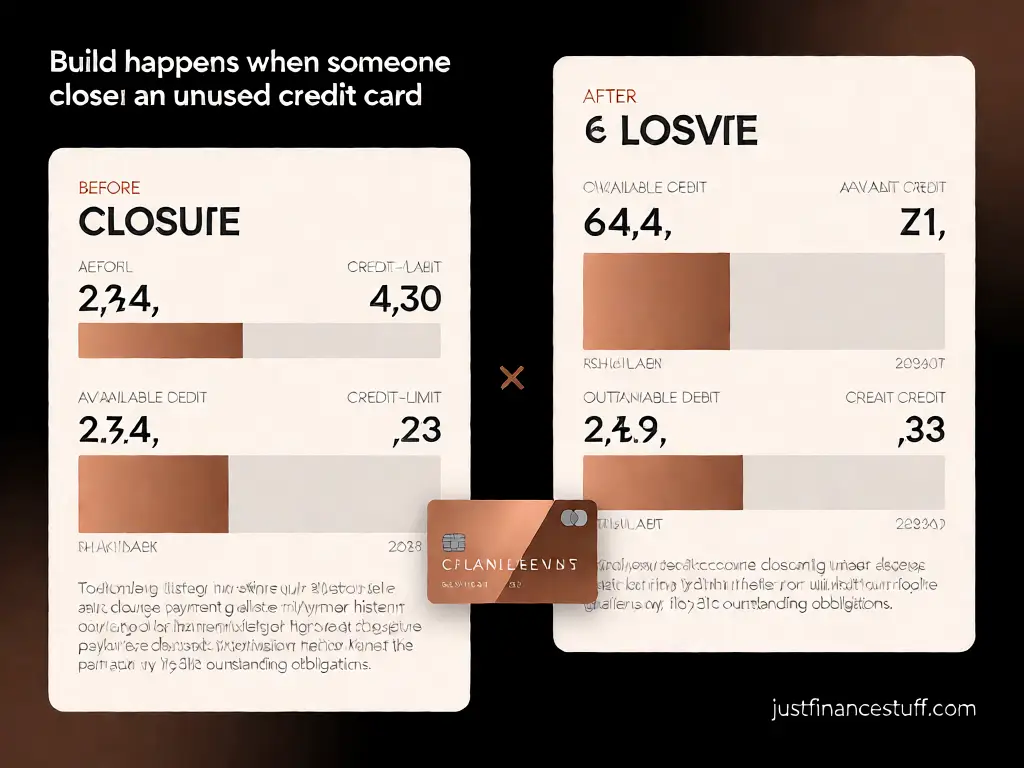
When closing or canceling a credit card makes sense
Closing a card can save money if the annual fee isn’t worth the benefits, or if you’re simplifying your wallet to focus on cards that build your credit history. Before you cancel, consider how it could affect your credit score and any rewards you’ve earned.
- Recurring fees: If the card charges an annual fee with little value, cancellation can cut costs and help you find the right credit card that fits your needs.
- Utilization impact: Closing lowers your total available credit and can raise your utilization, which may dip your score.
- Rewards and protections: Redeem any pending rewards before closing to avoid losing value.
What happens when you close a card or leave a balance
Closing a card may not be eligible for credit approval changes to your credit profile. It reduces your total credit limit and can shorten the average age of your accounts. If you still owe money, you’ll need to pay the balance in full; the account stays open on your file until the balance is cleared.
- Impact to your credit score: A closed card can lower available credit and raise utilization, potentially lowering your score.
- Remaining balance: Pay it off to avoid ongoing interest after closure to ensure you’ve earned on your credit.
- Credit history length: Keeping older accounts open can support history length over time.
How to dispose of old cards and simplify your wallet safely
Dispose of unused cards securely to protect personal data and maintain eligibility for the best credit card offers. Shred plastic cards or cut through the chip and magnetic stripe if shredding isn’t available.
- Remove saved card data from devices and online accounts to reduce exposure risk.
- Keep only the cards you actively use or those with a clear strategic purpose like rewards or no annual fee.
- Document your final decision: note which cards stay, which you closed, and why, to guide future choices and compare credit card offers effectively.
Conclusion
Choosing a credit card starts with clear goals and a realistic view of your current credit profile, including options that may help build your credit history. The right card can help you build a solid history, earn rewards, or simplify bills, but the best choice aligns with your spending, risk tolerance, and financial habits, allowing you to rate cards effectively.
Key takeaways to guide your next step: Consider using free credit monitoring to stay informed about your credit status.
- Know your goal whether it’s building credit, earning cash back, or gaining travel perks. Your aim shapes the card you apply for.
- Assess readiness for the best credit card offers available, considering how they may use credit to enhance your financial strategy. review your credit history and score. If you’re new to credit, a secured card or a starter card suited for limited history can help.
- Compare terms to ensure you receive the best credit line. consider annual fees, interest rates, grace period, and the rewards program. A no‑fee card can be smart to start, but weigh long‑term value if you care about rewards or protections.
- Plan usage commit to on‑time payments and keep balances modest to support a healthy score and minimize interest costs.
- Follow the rules know the issuer’s payment and balance rules, including any purchase limits and how rewards post to your account.
When you’re ready, apply with a clear purpose, realistic expectations, and a plan to use credit responsibly to maximize your benefits. A well‑chosen rewards credit card can open doors to better offers and smoother finances in the years ahead, especially if redeemed for a statement credit.
Faqs
Here are direct answers to common questions about credit cards before you apply online.
- What is a credit score and why does it matter when applying for a credit card? A credit score is a number that reflects your past borrowing and repaying behavior, which can impact your ability to access rewards credit. Lenders use it to judge risk when evaluating credit card offers. A higher score can help you qualify for better terms and lower interest rates.
- What is a secured credit card and when should I consider one to improve your credit score? A secured card requires a cash deposit that acts as your credit limit. It can help you build or rebuild credit if you have little or no history or a low score.
- What fees should I expect with a credit card account? Common fees include annual fees, balance transfer fees, and foreign transaction fees. Always check the Schumer box for disclosures and read the terms before applying; this will help you avoid unnecessary fees and find the right credit card that fits your needs.
- How does paying on time affect my credit score and my eligibility for better credit card offers? On-time payments contribute to a positive payment history, which is the most influential factor in your score and can impact your credit score significantly. Consistent, full payments help you build good credit over time and positively impact your credit score.
- What does utilization mean and why is it important for rewards credit to maintain a better credit score, especially if your credit score may be impacted by high balances? Utilization is how much of your credit limit you use, which is crucial for maintaining a fair credit score. Keeping it under 30% generally supports a stronger credit profile and can help avoid score dips from high balances, which may improve your credit score.
- Can I apply for multiple cards at once? Each application can trigger a hard inquiry, which may affect your score, especially if you apply for multiple credit cards online within the first few weeks. Space out applications and only apply for cards that fit your goals and current credit profile.
- What happens after I’m approved? You’ll receive a card for use and a credit limit. Use it responsibly, make on-time payments, and monitor your account to ensure rewards and protections are applied correctly with your rewards credit card.