
Why couples budgeting matters
Budgeting as a couple helps both partners share the same financial picture. When you align income, expenses, and priorities, you reduce surprises and avoid arguments. A clear plan helps you reach short and long term goals like buying a home, paying off debt, or saving for a wedding or growing family as part of your life together.
Common challenges and how this guide helps
Talking about money can feel awkward, so this guide breaks the conversation into practical steps you can follow together to set goals.
- Decide whether to use a joint budget or keep some money separate while sharing goals
- Set achievable financial goals and monitor progress
- Build a realistic budget that covers living expenses, debt, and savings need a budget to effectively manage your finances.
We’ll show you how to build a couple budget with honest check-ins, smart automation, and steady habit changes so you can manage money without straining your relationship as a married couple.
Decide on a Combined vs. Separate Approach

Choosing how to manage money as a couple starts with a clear decision: will you combine everything in a joint budget or keep finances separate while sharing goals? This setup shapes daily spending, debt repayment, and long-term planning. The right choice depends on your money style, trust level, and finances as a couple.
Pros and cons of a joint account
- Pros: simplifies bills and savings toward shared goals, creates a single view of finances, encourages transparent spending habits
- Cons: can feel invasive if you prefer financial independence, requires ongoing communication to avoid friction, may complicate situations where incomes diverge
When to keep separate accounts with shared goals
- Pros: preserves autonomy, reduces chances of nitpicking every purchase, lets each partner control discretionary spending
- Cons: more tracking needed, potential misalignment on how money is spent, and extra steps to coordinate bills and goals within different budgeting methods.
| Scenario | Best Fit For | Key Considerations |
|---|---|---|
| Joint account as a way for many young couples to manage their finances together. | Couples who want a unified plan and simple bill payments | Agree on contribution method and spending categories |
| Separate accounts with shared goals | Couples who value independence but want to hit joint milestones | Define how to split savings and how to handle shared expenses to align with your zero-based budget. |
Create a shared financial vision and goals

Start with a clear picture of where you want to be together. A shared vision keeps both partners focused and reduces drift in spending. This step sets the tone for every budget decision you make as a couple.
Short-term goals
Short-term goals are actions you want to finish within 12 months. They keep momentum and build trust as you share money decisions. Examples include building a small emergency cushion, paying off a specific debt, or saving for a planned date night or vacation to enhance your future together.
- Define a concrete amount for each goal and a deadline
- Assign responsibility for progress updates at the weekly check-in to ensure both partners are on track with their financial decisions.
- Adjust as life changes, not as a reaction to one bill
Long-term goals
Long-term goals guide daily choices and shape your overall budgeting plan. Common targets include buying a home, funding retirement accounts, or prioritizing a joint savings goal for future family needs. Align these with your life timeline and risk tolerance.
- Set milestones that mark progress toward each goal in your budgeting together.
- Link long-term goals to specific accounts like a joint savings or investment fund
- Review annually to reflect changed priorities or circumstances
Build a couple’s budget template
Income and fixed expenses
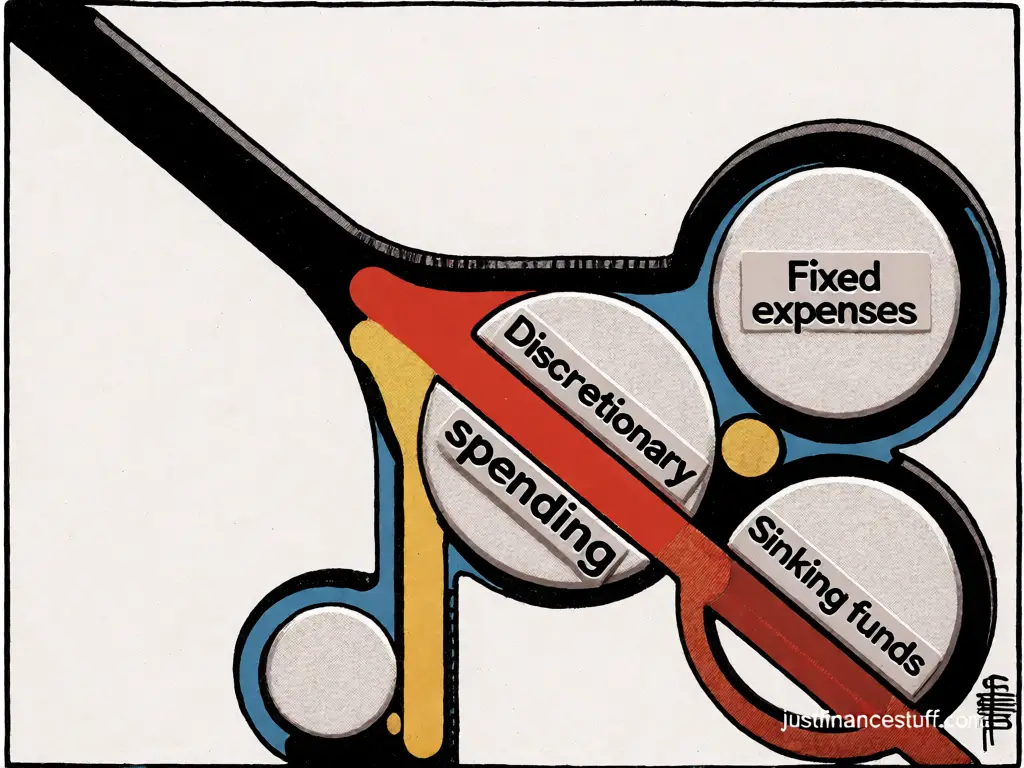
Start with a clear view of what changes month to month and what stays the same. List every income source and every fixed payment, including your car payment, for a comprehensive financial overview. A simple template helps you see how much is left for savings and discretionary uses, aiding in the steps for budgeting.
- Income: combined take-home pay, freelance projects, and any side hustles
- Fixed expenses: rent or mortgage, utilities, loan payments, insurance, phone plans
- Ensure both partners review the totals to keep the budget accurate
Discretionary spending and sinking funds
Next, separate flexible spending from planned savings. Discretionary spending covers non-essentials, while sinking funds save gradually for known future costs.
- Discretionary spending: dining out, entertainment, shopping, and travel beyond essentials can be managed effectively with a zero-based budget.
- Sinking funds: smaller, regular deposits for big upcoming costs like car maintenance, holidays, or birthdays
- Assign limits to each category and track against real spending to stay aligned
| Budget template element that aligns with short- and long-term goals. | What to include | Why it matters in a discussion with your partner about financial goals. |
|---|---|---|
| Income | All reliable sources of money coming in | Prepares surplus for saves and goals that align with your cost of living. |
| Fixed expenses | Regular monthly bills and loan payments, including your car payment, are essential to track for effective budgeting. | Stabilizes the base of your plan for many young couples. |
| Discretionary spending | Non-essentials you choose to allow | Controls impulse purchases |
| Sinking funds | Targeted savings for upcoming costs | Avo ids big shocks and keeps goals on track |
Establish regular money check-ins

Weekly or monthly budget reviews
Set a predictable rhythm for reviewing your budget to create a monthly budget. Pick a cadence that fits your life, then stick to it. Regular reviews keep you aligned on progress toward shared goals and spot small issues before they grow.
- Review income changes, upcoming expenses, and progress toward savings goals
- Update discretionary spending limits if life changes, like a raise or a new debt repayment plan, to better manage your financial situation.
- Adjust sinking funds for known future costs, such as birthdays or repairs, to support your budget that works.
How to discuss money without conflict
Frame conversations around shared goals for your future together, not individual faults. Use calm language and focus on solutions, not blame. A steady, respectful tone helps both partners stay engaged and honest.
- Start with a quick win from the previous period to build momentum
- Agree on one change at a time to plan together and avoid overwhelm.
- Document decisions in a simple shared note or budget template
| Check-in focus on your money habits to ensure you’re on track. | What to cover | Desired outcome |
|---|---|---|
| Income and expenses | Any changes, bills, or unusual costs | Accurate current picture |
| Savings progress | Updates on emergency fund and goals are crucial for maintaining a zero-based budget. | Motivation and clarity are essential for many couples to get on the same page. |
| Spending patterns | Where discretionary funds went and why | Better alignment with a shared plan is essential for a married couple managing their financial situation. |
Automate savings and bill payments
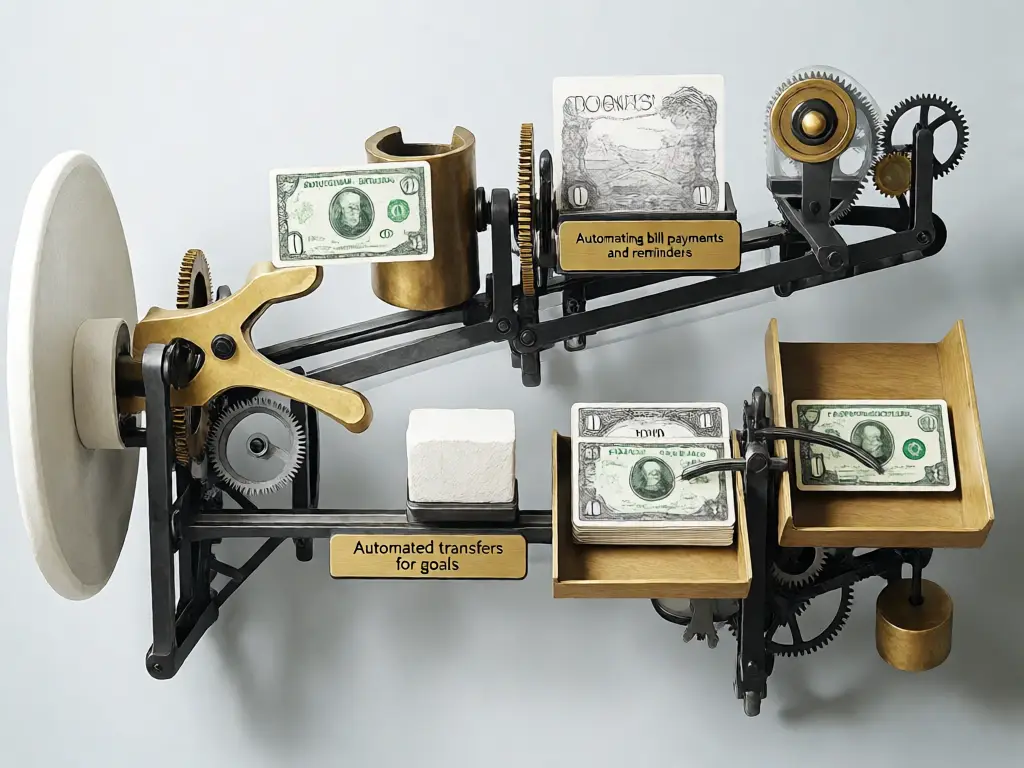
Automating money tasks saves time and reduces mistakes, allowing for better financial decisions. Set up automatic transfers to goals and bills so you stay on track without daily manual work. This helps you move toward goals like an emergency fund and long‑term plans with less friction.
Automated transfers for goals
Link your savings accounts to scheduled transfers that fire on paydays or at the start of each month. This builds momentum toward a savings goal and keeps the plan visible in your numbers for every dollar spent.
- Separate transfers for an emergency fund and long‑term goals
- Match transfer amounts to your budgeting method and available income
- Review goals quarterly and adjust if income changes
Automating bill payments and reminders
Set up automatic payments for fixed expenses and reminders for upcoming monthly expenses. This reduces late fees and helps you maintain a steady budget that works. spending plan.
- Schedule payments from a checking account for managing your budget categories effectively. or joint account if you use one
- Enable calendar alerts a few days before each due date as part of the steps for budgeting.
- Keep a small buffer in the account to cover timing gaps or pay cycles
Manage debt together
Aligning debt repayment strategies
Decide how to tackle debt as a team. Start by listing all high‑interest debts and then choose a shared approach that fits your financial goals and monthly expenses. You might use a combined strategy to pay down the highest rate first or pick a balanced plan that speeds payoff while keeping living costs steady.
- Compare debt payoff methods like avalanche versus snowball and pick one you both understand
- Set a fixed monthly amount toward debt from a budget that helps you cut back. joint account to keep momentum
- Document decisions in your financial plan to avoid drift
Impact on joint financial planning
Debt habits shape the rest of your budget and can impact your ability to reach your financial goals. Actively cutting debt frees money to spend on short- and long-term goals. savings accounts and future goals can be achieved more easily with a clear guide to budgeting to spend and save. If debt stays high, it can tighten your spending plan and slow progress toward emergency funds.
| Aspect of managing your money effectively includes tracking your spending habits. | What it changes | Best practice |
|---|---|---|
| Monthly cash flow | Less debt, such as credit card debt, frees income for savings and future goals. | Allocate a fixed debt payment before discretionary spending |
| Credit health | Faster payoff can improve scores and help you cut back on unnecessary expenses. | Keep payments on schedule and monitor due dates |
| Future plans | More room for big goals | Reassess after each payoff milestone |
Protect your finances with insurance and emergency funds
Essential coverage for couples
Protecting your finances starts with the right coverage to support your life together. Review these core areas to keep risks from derailing your plans:
- Health insurance that fits both partners and any dependents
- Life and disability coverages that replace income if one partner cannot work
- Property and liability protections for home, car, and personal belongings
- Auto and renter or homeowner policies that match your living situation
Building an emergency fund that works for two
An emergency fund cushions big surprises and keeps your budgets intact. For a couple, aim to cover months of shared living costs in a two‑person plan:
- Target a fund equal to 3, 6 months of shared essential costs
- Keep it in a budget categories for better organization. accessible savings account separate from daily spending
- Automate a monthly transfer until you reach the goal
- Reassess after life changes like a new job, relocation, or a major purchase
| Protection area for many couples to ensure financial security in their life together. | Why it matters | Quick start |
|---|---|---|
| Health and life coverage should be included in your budget categories. | Shields finances from medical costs and income loss | Compare plans during open enrollment and choose a baseline level to help reach your financial goals. |
| Disability insurance | Keeps income if one partner can’t work | Check employer options and consider private coverage if needed to manage your money effectively. |
| Emergency fund size | Prevents debt when unexpected bills hit | Set a monthly transfer until the fund equals months’ worth of living expenses. |
FAQ
What is the best way to combine finances as a couple?
The best approach depends on your situation, but starting with a clear plan beats mixing feelings with money. A common path is to decide between a joint budget and keeping some money separate while sharing goals. Begin with a shared budget for living costs and savings, then choose whether to use a joint account, separate accounts, or a mix.
- Set a shared spending plan for essential expenses to help manage your money.
- Use a joint account for common bills if you want visibility and simplicity.
- Keep individual accounts for personal spending to reduce friction while budgeting together.
How do I handle different spending styles?
Different styles can cause friction if not addressed. Start with a calm money talk to uncover why each person spends the way they do. Set concrete rules like a discretionary spending limit and a simple guideline for impulse purchases.
- Document spending habits and agree on a monthly discretionary amount.
- Track purchases for a few weeks to spot patterns and adjust your budget categories accordingly.
- Review the plan monthly and adjust as needed.
How much should we save each month as a couple?
Saving targets vary by income and goals. A practical approach is to set aside a fixed percentage of net income first, then allocate the rest to spending. Build an emergency fund and make progress toward long-term goals that align with your need to save.
- Emergency fund target: 3 to 6 months of living costs should be prioritized within your financial situation.
- Prioritize short-term goals after essential bills and savings.
- Review savings rates if income or expenses change.
Conclusion
Recap of practical steps
To build solid financial health as a couple, start with a clear plan that fits your life. Create a budget that reflects your current income and expenses, decide on a combined or separate approach, and set both short and long term goals. Build a simple budget template that tracks income, fixed expenses, and discretionary spending for every dollar. Establish regular money check-ins to stay aligned and adjust as needed.
- Decide on a budget approach, such as a joint budget with a shared account or a mix of joint and individual accounts.
- Define goals like an emergency fund and a savings target for future plans.
- Automate transfers to savings and bill payments to reduce manual work and missed deadlines, ensuring better financial decisions.
Encouragement to start today
Begin with a 15-minute money talk this week to agree on a shared vision. Open your checking and savings accounts, confirm monthly expenses, and lock in a simple spending plan. Small, steady steps today make big progress toward your budget goals and a healthier couple finances.