
Understand Your income and essential expenses
Knowing what you actually earn and what you must spend is the first step to smarter budgeting. The goal is to map your money in and out so you can plan with confidence. This section covers two quick steps: Calculate Your Monthly Income and Take-Home Pay and Separate Essential Expenses From Flexible Spending 💡.
Calculate your monthly income and take-home pay
Use real, recent numbers you can trust. For example, if your gross is $4,000 Per month, track your spending to see where you can cut back and typically see improvements in your budget. $900 in deductions, your take-home is $3,100. If your pay varies, average the last 3 months to avoid guessing.
Practical steps you can follow now:
- List all reliable income sources: salary after tax, hourly overtime, contract work, and any predictable benefits, while considering your tax obligations.
- Note deductions: taxes, health insurance, retirement, commuter benefits.
- Compute take-home each month and record a 3-month average for irregular pay.
Separate essential expenses from flexible spending
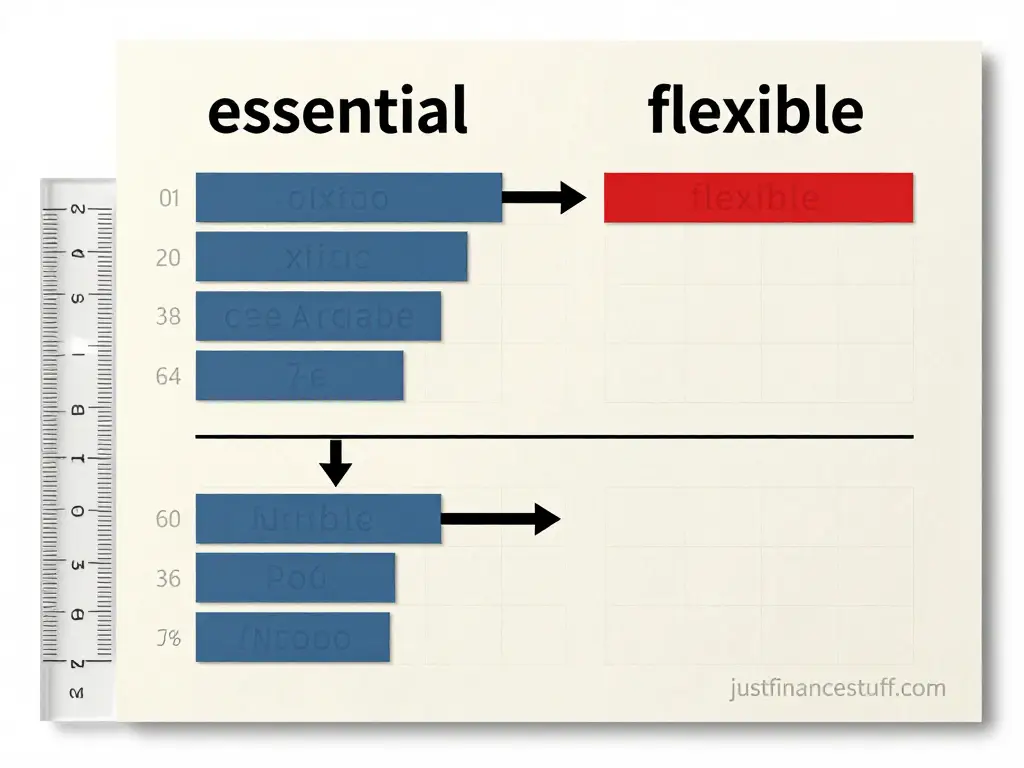
Think in concrete categories you actually pay every month. For example, essentials include rent or mortgage, utilities (electricity, water), groceries, Gas or transit costs can be managed by tracking your spending and finding ways to spend less., and a minimum loan payment. Flexible spending covers dining out, streaming services, hobbies, and nonessential shopping.
Action steps you can take today:
- Label each line item as essential or flexible.
- Track your spending for 30 days to confirm categories match reality and identify areas to cut back.
- Set a hard cap on flexible spending and redirect surplus to savings or debt.
If essentials threaten your take-home, explore cuts like lowering utility use, renegotiating insurance, or refinancing a loan. Small changes add up quickly. 🚦
Track your spending by category
Track your spending throughout the month
Break expenses into clear groups so you can see where every dollar goes, and use real numbers to guide tweaks. Start with a simple plan like 60/20/20 and adjust as you learn. 📊
- Essentials: housing, utilities, groceries, transport, and any necessary tax obligations.
- Discretionary: dining out, entertainment, shopping
- Debt and bills: minimum payments, subscriptions, insurance
Keep a running log. A quick note on your phone or a small notebook helps you stay honest about habits and patterns. 📝
Identify spending habits and impulse purchases
Spot monthly patterns that creep in. Do small daily purchases or bigger impulse buys add up to a surprise drain? Do late-night online carts tilt your total more than you expect? 🛍️
- Weekday vs weekend spending differences
- Shopping triggers like ads, sales, or mood shifts
- Recurring small charges you can cancel or downgrade
Use these clues to adjust: cap nonessential categories, pause auto renewals you rarely use, and set a one-month trial for subscriptions before committing long term. ⚠️
Create a zero-based budget
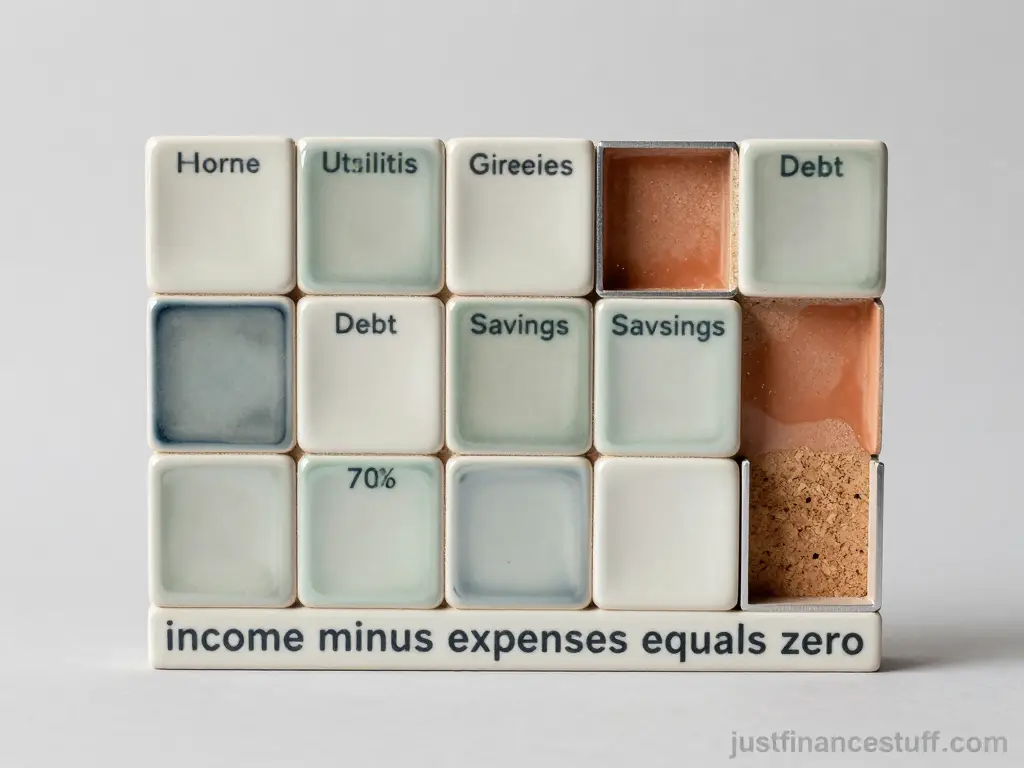
With a zero-based budget, every dollar you earn is assigned to a specific category so your income minus expenses equals zero. This keeps you intentional about spending and helps you see where money actually goes. 💡
Assign your paycheck to different budget categories
Start by listing all spend categories for the month, then allocate income to each until the total matches take-home pay, ensuring you account for any quarterly expenses. This forces you to decide what gets funded first and what gets trimmed if needed. 🧮
- Essential categories first: housing, utilities, groceries, transportation
- Debt and savings next: minimum debt payments, emergency fund, retirement or investment goals
- Discretionary after essentials: dining out, hobbies, nonessential subscriptions, and saving for a new car.
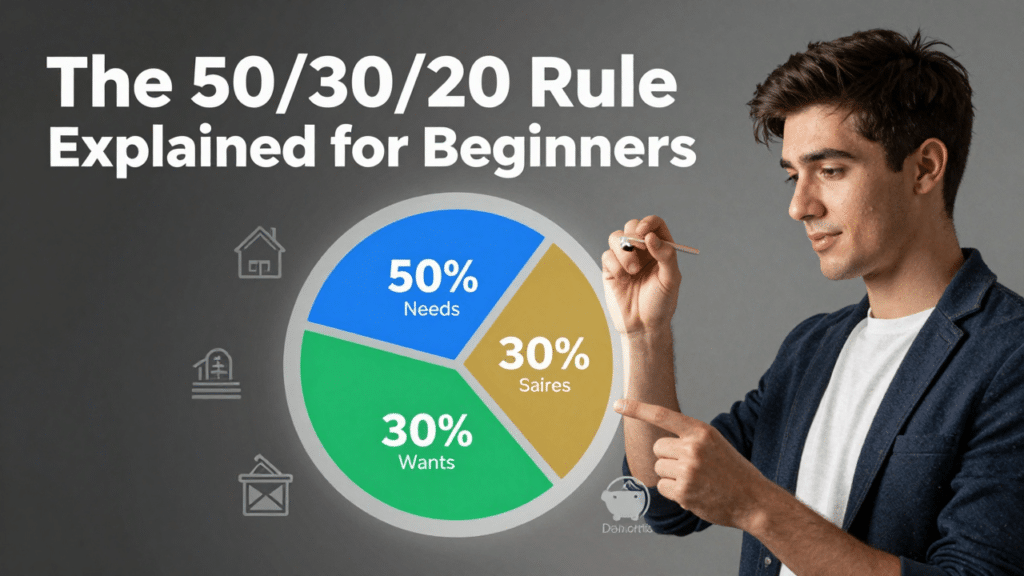
Tip: use a simple rule like 50/30/20 as a starting point, then adjust to fit your real numbers. The key is that sum of all categories equals your take-home pay. 🧰
Use the envelope method to control spending
Envelope budgeting assigns a cash limit to each category and uses a physical or digital envelope to curb overspending. When an envelope is empty, you pause nonessential purchases in that area. 🏷️
- Physical envelopes for groceries or dining out can curb impulse buys
- Digital envelopes in budgeting apps mimic the same constraint
- Review envelopes mid-month to reallocate funds if needed
Practical note: set realistic envelope amounts based on prior month activity, then tighten gradually if you consistently overspend. ✅
Set monthly savings goals
To make real progress, set specific monthly savings goals and weave them into your budget from day one. This keeps your finances honest and helps you build a cushion faster. 💪 For example, if you earn $3,500 take home, aiming for a $350 monthly savings target creates a 10% cushion that grows over 12 months.
Build savings into your monthly budget
Treat savings like a non negotiable line item, not an afterthought. Start with a realistic target and adjust as your income changes. 🧮 A practical approach: review last 90 days of spending, cut two non essential subscriptions, and reallocate that $60 monthly to savings.
- Set a concrete number each month, e.g., 10% of take home pay or a flat $200
- Prioritize an emergency fund firstThen, medium and long-term goals can be adjusted based on your financial situation.
- Review goal progress weekly to stay on track
Using a fixed target helps you measure progress and catch spending leaks early. If you miss a month, reset quickly instead of giving up. 📈 For instance, if you miss May by $100, add $150 in June and keep the momentum with a 2% higher automatic transfer.
Automate transfers to your savings account
Automation removes the temptation to skip saving. Schedule transfers right after payday so money moves before you see it. ⏱️ A concrete setup: set a Wednesday payroll transfer of 60% of the monthly target to your emergency fund, and another 20% to a separate goal like a vacation fund.
- Split the transfer into small amounts to avoid noticeable wallet impact
- Use separate savings accounts for different goals to keep progress visible
- Set alerts if a transfer fails so you fix it promptly and avoid any unpredictable fees.
Automation turns saving into a habit, not a choice. Start with a modest, automatic transfer and increase it as you tighten other expenses. 💡 If you get a raise, raise the automatic transfer by 5, 10% to accelerate progress without tightening daily living.
Build an emergency fund
Set aside money for unexpected expenses
Start with a simple, ongoing goal like $500 to cover car repairs or a sudden medical bill. This cushion helps you avoid debt when surprises pop up. 🚗💊
- List the most likely surprises in your life, then set an initial target of $500
- Open a separate savings account labeled for emergencies to keep funds accessible but separate from daily spending
- On payday, automate a weekly transfer even if it’s $10, $20 to build the habit
Grow your emergency fund over time
Aim for 3 to 6 months of essential expenses. Make steady progress by locking in a small monthly contribution and directing windfalls, like a tax refund, into the fund. 📈
- First compute essentials: housing, utilities, groceries, transport, minimum debt payments
- Boost the fund after paying off a debt or getting a raise, then reset the monthly target
- Review the balance every 90 days and adjust for higher costs or fluctuating expenses
Use a budgeting app to track your finance
Choose an app that fits your budgeting needs
Choosing the right app makes tracking money simpler, not harder. Pick one that fits your goals, tech comfort, and bank setup. Look for automatic expense imports, clear goal setting, and simple visuals. 💳📱
- Automatic categorization helps you see where money actually goes without manual entry, for example groceries labeled automatically so you can spot overspending in one area.
- Goal trackers show progress toward debt payoff or an emergency fund, with alerts if you drift from the plan.
- Bank syncing saves time by pulling transactions from your accounts within minutes of posting.
Review your spending and progress regularly
Set a quick weekly check to compare actuals to plan. A short review helps you catch surprises early and stay on track, especially if you have unpredictable expenses. 🗓️
- Identify categories that underspent or overspent this week and tweak next month’s budget accordingly.
- Update goals if income shifts or big bills come up, such as raising your savings target after a raise to align with your short-term goals.
- Use color coded charts to spot trends, seasonal changes, and recurring spikes like holidays or extra workweeks.
| Aspect | What it shows | Why it matters |
|---|---|---|
| Category breakdown | Where money goes by area | Helps you target wasteful spending and reallocate |
| Progress toward goals | % saved, months left | Keeps you motivated and accountable |
| Income vs spending | Net monthly surplus/deficit | Guides big adjustments early, prevents overdrafts |
Save money on essential expenses
Cut grocery and utility costs
Small changes add up fast. Start with a 10 percent reduction target across groceries and utilities and track a 4 week change to see a real weekly drop. For example, swap one high cost item for a store brand, saving a couple of dollars each trip. 🧾💡
- Plan weekly meals around sale items and bulk staples, then create a 3 day rotating menu to reduce impulse buys
- Compare unit prices to get the most value, for example choose the cheaper per unit if a 1 lb bag is $2.50 vs $2.80 per lb
- Dim lights, unplug idle electronics, and use smart thermostats or programmable schedules to cut typical monthly usage by 5, 15%
Reduce rent and other recurring expenses
Recurring costs are predictable levers that can help you cut back on types of expenses. Negotiate or restructure to lower monthly outflows without sacrificing essentials, and test one tactic at a time for clarity. A practical example: renegotiate a 12 month lease to cap increases at 2% this year; if your rent is $1,200, that saves about $24 monthly.
- Ask for a lease renewal discount or explore a longer term rate with caps on increases; bring competing offers as leverage
- Shop bundled services for lower combined rates, and consider trimming unused channels
- Consider a smaller unit or more roommates if it fits your situation; calculate a room share save of $300, $500 monthly
| Expense | Smart tactic | Potential impact |
|---|---|---|
| Groceries | Meal planning + price comparisons | Lower weekly spend |
| Utilities | Low-flow fixtures + programmable thermostat | Monthly savings |
| Rent | Lease negotiation or room-mate options | Lower fixed costs |
Manage credit card spending
Track credit card purchases within your budget
Keep a close eye on every swipe and match it to your budget categories. This helps you see where money actually goes and prevents overspend. 💳
- Log each purchase in the app or a simple notebook within 24 hours, even small coffee runs
- Compare transactions to your planned category allowances daily, and adjust if a category runs short
- Flag small, recurring charges that creep into your budget, like streaming services, and renegotiate or cancel if needed
Avoid unnecessary credit card interest
Interest adds up quickly if you carry a balance. Pay off purchases when possible and know the grace period rules for your card. 🕒
- Pay statement balance in full to dodge most interest charges, ideally shortly after payday
- Use a balance transfer only if it clearly lowers total costs and you can pay it off within 6 or 12 months, avoiding any restrictive terms from the provider.
- Set up alerts for due dates and confirmations to pay your bills on time, which prevents penalties.
| Strategy | How it helps | When it shines |
|---|---|---|
| Track purchases | Keeps spending within budget and reveals slow leaks | During month-end reviews |
| Pay in full to avoid any tax obligations that may arise later. | Eliminates most interest and lowers debt growth | Whenever possible each billing cycle |
| Alerts | Prevents missed payments and penalties | Around due dates |
Plan for investing and retirement
Include an investment account in your financial plan
Add a dedicated investment account to your monthly plan to grow wealth over time. 🚀 Start with a simple plan that matches your risk comfort and time horizon. For example, if you’re 30 with a 30-year horizon, a 70/30 stock/bond mix can work well.
- Choose a basic brokerage or robo-advisor if you want hands-off growth
- Set a small monthly contribution to begin and increase as income rises, especially if you take on freelance gigs or work as a contractor.
- Diversify with a mix of index funds or target-date funds for broad exposure
Contribute to retirement while building savings
Balance retirement contributions with emergency savings so you are covered today and prepared for the future. 🧭 For instance, aim for an emergency fund of 3, 6 months of expenses before maxing long-term accounts in high-earning years.
- Allocate at least 5, 15 percent of income to retirement, depending on age and goals
- Maximize any employer match to boost returns without extra effort
- Automate contributions to retirement and to savings to build discipline
| Focus | Action | Reason |
|---|---|---|
| Investment account | Open and fund regularly | Compounds over time build wealth; example: $200/month at 7% grows to over $90k in 30 years |
| Retirement contributions | Automate 401(k)/IRA plus employer match | Lower risk of missing payments; missing one match can cost thousands |
Review your budget and adjust your habits
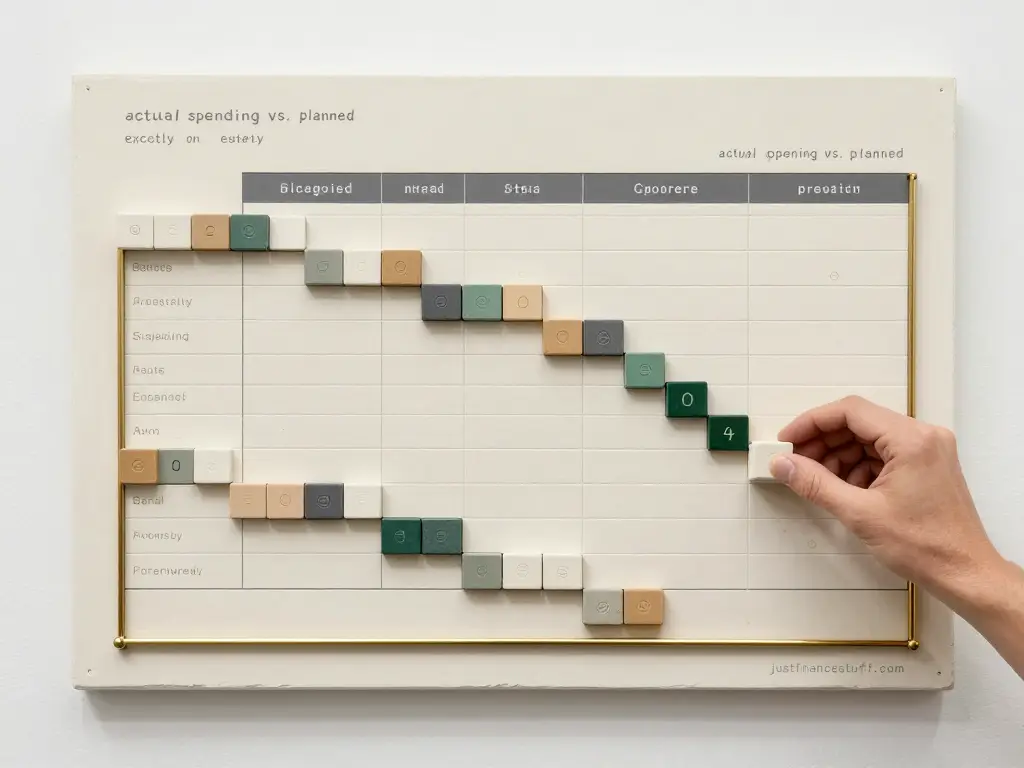
Regular reviews keep your plan honest. Revisit your numbers every month to confirm what’s working and where you can tighten further. Small tweaks now stop bigger gaps later. 🔎💡
Revisit your budget each month
Look at actual spending vs. planned, then adjust categories that drift. This stops small leaks from becoming large gaps. 📈
- Compare actuals to plan in key areas like groceries, utilities, and transport to identify types of expenses that need adjustment.
- Note any new recurring charges and decide if they stay or need trimming
- Update your savings goals if goals shift due to life events
Practical monthly checks you can do
Run a quick 15 minute review: pull last month’s statements, highlight three overages, and set one corrective tweak for the next 30 days. This keeps you from drifting off track. 🧭
- Highlight any category overrun by more than 10% and cap it with a real limit
- Set a weekly grocery cap based on your average spend to curb impulse buys
- Forecast next month using a simple trend from the past three months
Adjust your budget when your income or expenses change
When money moves, your plan must move with it to stay on track with your financial goals. Use a simple rule: recalculate every time there is more or less take-home pay, or a major expense appears. 🔄
- If income rises, raise savings or debt payoff first to make progress towards your financial goals.
- If income falls, prioritize essential expenses and reduce discretionary spend
- Reallocate funds to maintain at least a small emergency cushion
| Situation | Action | Goal |
|---|---|---|
| Income changes | Rebalance allocations across essential, flexible, and savings | Keep stability while growing safety nets |
| Major expense appears | Pause nonessential heaviest spend and adjust next month | Avoid debt and preserve essentials |
Conclusion: Make Budgeting a Consistent Financial Habit
Sticking to a budgeting routine turns money stress into a predictable plan. A steady habit helps you see where every dollar goes and makes big goals feel doable. 💡
- Keep it simple: a three-category approach (needs, wants, savings) fits most people. 🧭
- Automate what you can to help achieve your financial goals.Schedule transfers to savings and automatic bill payments to avoid misses and ensure you meet your financial goals. 🔒
- Review regularly: weekly checks on groceries, subscriptions, and receipts catch leaks early. 🕵️♂️
Small, consistent steps compound into real financial security. Start with one tweak today, then add another next month. 🚀
Frequently asked questions about budgeting
Below are common questions people ask about budgeting, with clear, practical answers you can apply today. 🧭💬
How quickly will a budget show results?
Most people notice progress within 1, 2 pay cycles if they stay consistent. For example, tracking expenses for two months while paying attention to big spend areas can reveal a 20% decrease in discretionary spending. Keep a weekly log of meals out, impulse buys, and recurring charges to spot leaks early and adjust before they grow.
Should I use a fixed or flexible budget?
Start with a core fixed budget for essentials like rent and utilities, then add a flexible layer for groceries and entertainment. If income dips, shift 10, 15% from nonessential categories to cover essentials without touching savings. A practical setup is 60% needs, 25% wants, 15% savings, then tweak as bills change, keeping in mind any unpredictable expenses.
Is it okay to adjust my budget mid month?
Yes, but do it within 24, 48 hours of a notable change. For instance, if you get a $200 bonus or a medical bill rises by $50, rebalance by trimming dining out and moving funds to an emergency cushion. Quick tweaks keep the plan realistic and usable, allowing you to spend less on unnecessary expenses.
What if I overspend in a category?
Shift funds from a nonessential area or set aside a small cushion for next month. If entertainment runs over by $40, cut dining out by $20 and streaming by $20. Track the correction and aim for a 5, 10% cushion in that category to prevent repeats.
Do I need an app to budget?
No. A simple spreadsheet or notebook works if you log every expense and review weekly. If you prefer apps, choose one that automatically categorizes transactions and sends weekly alerts. The key is consistent use, not the tool itself. 🧰