

What is a Money Mindset and why it matters
Money mindset Understanding your money mindset is the set of beliefs and attitudes you hold about money. It shapes your daily choices, from small purchases to big financial decisions. A positive money mindset helps you see money as a tool, not a source of stress, and it nudges you toward healthier habits and longer term goals. A negative money mindset can create unnecessary worry and trigger patterns like emotional spending or avoidance of important steps.
Your money mindset affects your financial wellness in plain terms. If you think you can’t reach your goals, you’ll act like it. If you believe you can, you’ll take small, steady steps toward a stable financial future. Your beliefs often show up in your budget, savings, and how you respond to unexpected costs, reflecting your financial behaviors. Understanding this mindset is the first move to improve your financial life. For example, someone who views money as scarce may skip preventive savings and face bigger bills later, while someone who sees money as a resource finds ways to invest even small amounts.
Overview of the fundamentals to cultivate a positive money mindset
To build a positive money mindset, focus on these fundamentals:
- Identify and challenge limiting beliefs that hold you back
- Rewrite your money story with a focus on abundance
- Set clear, achievable financial goals and make a plan
- Build daily money habits that support growth
Practical steps to start changing your money mindset today
Here are concrete actions you can take this week:
- Track every expense for 7 days and label each as needs vs wants
- Replace one impulsive purchase with a 24 hour pause rule
- Set a 3 month goal to save a fixed amount and automate the transfer
- Journal a monthly money story update, noting wins and learned lessons
Common pitfalls and how to avoid them
Be aware of these traps that stall progress:
- All or nothing thinking, which halts small starts
- Overly aggressive budgets that lead to burnout
- Ignoring income potential while cutting expenses only
Identify and Challenge Limiting Beliefs

Common money myths and where they come from
Money myths shape choices more than facts do. For example, someone might feel happy only after a big purchase, or believe debt ruins every plan. These ideas often come from family stories, culture, or past experiences that left a sting. Recognize myths as beliefs, not facts. 💡
- Myth: I must save every penny or I will fail.
- Myth: I am bad with money if I make mistakes.
- Myth: Wealth is only for a lucky few.
Techniques to surface limiting beliefs
Open up about the moments that shape you. Think back to the last time you avoided a bill and felt relief or shame. Write down what you tell yourself about money and when you feel stressed. Track triggers like high bills or big purchases to spot patterns. ⚠️
- Journaling: note thoughts, feelings, and the situation.
- Questioning: ask where the belief came from and if it still fits today.
- Dialogue: imagine a conversation between your current self and your financially healthy future self.
Strategies to reframe beliefs into empowering narratives
Replace limiting thoughts with practical truths you can act on. Use simple, repeatable statements that support steady progress. ✅
- Replace “I can’t” with “I can take small steps toward my goal.”
- Link beliefs to actions: if I fear overspending, I’ll set a clear budget and automate saving.
- Practice a weekly check-in: review goals, adjust plans, and celebrate small wins.
Reframe your money story with positive narratives

Many people carry a silent script about money from childhood. If you don’t rewrite it, old lines keep guiding today’s choices. Reframing your money story helps you act from clarity rather than fear. This section shows how to turn a wary tale into a plan you can follow.
Writing your money story from past to present
Begin by listing key money memories and the beliefs they created. Then note how those beliefs show up in current decisions. This helps you spot patterns and decide what to keep and what to change. For example, a memory of watching a parent stress over bills might show up as last minute scrambles before paydays.
- Write a short paragraph about a money moment you recall most clearly that influenced your financial habits.
- Identify the feeling you felt and the belief it formed.
- Translate that belief into a concrete action you now want to take.
Replacing scarcity scripts with abundance language
Scarcity can feel like danger with every bill. Abundance language shifts focus to options and growth, fostering an abundance mindset. Swap phrases that imply lack with ones that open doors. If a phrase feels closing, try an alternative that keeps momentum.
- From “There isn’t enough money” to “I can allocate this and adjust elsewhere.”
- From “I must save every penny” to “I save regularly and spend intentionally.”
- From “I can’t” to “I can take small steps toward my goal.”
Aligning your story with your financial goals
Your narrative should serve real targets. Tie each chapter of your money story to a reachable financial goal, so changes feel purposeful, not theoretical. A concrete example: link a belief like “money is scarce” to a goal such as saving $200 this month by cutting one subscription and cooking at home twice weekly.
- Link a past belief to a present goal, then map a small action to bridge them.
- Set one milestone this month that moves you closer to a longer-term aim.
- Review and adjust your story every few weeks to stay aligned.
Set clear, achievable financial goals
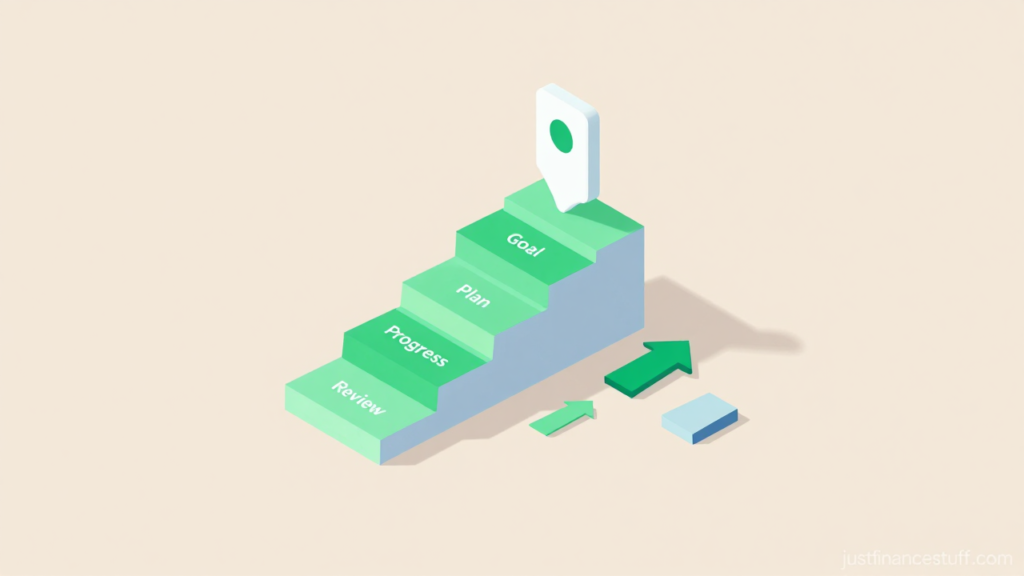
Setting clear goals gives your money a map. It turns big dreams into manageable steps and helps you avoid drifting into impulsive choices. Money mindset Starts with specific targets you can actually reach to improve your financial situation. For example, a family aiming to save for a vacation next year can break that into monthly deposits and a simple checklist to confirm once the goal is funded.
Defining SMART money goals
SMART goals are specific, measurable, achievable, relevant, and time-bound. They turn wishes into steps you can take. financial goals become concrete when you use numbers and deadlines. A practical approach is to state each goal in a single sentence with a dollar amount and a date, then place it where you’ll see it daily.
- Specific: state exactly what you want, like saving $500 in 3 months.
- Measurable: track progress weekly to stay on pace.
- Achievable: pick goals you can realistically hit with your income and expenses.
- Relevant: align with your larger financial life and values.
- Time-bound: set a clear end date to motivate consistent action.
Short-term vs. long-term targets
Short-term goals build momentum for long-term financial growth. Long-term goals guide your overall strategy and risk tolerance. Think of it as a ladder: small rungs lead to bigger climbs. If you’re saving for a car, start with a $1,000 cushion and then plan a multi-year path to the down payment.
| Goal type | Typical horizon | Example | Benefit |
|---|---|---|---|
| Short-term | 0-12 months | Build $1,000 emergency fund | Reduces stress from minor surprises |
| Long-term | 1+ years | Save for a down payment on a home | Creates financial security and growth |
Creating an actionable plan and milestones
Turn goals into a step-by-step plan with regular check-ins. Break tasks into weekly milestones and tie them to daily money habits. Practical steps include choosing a target bank, setting up automatic transfers, and using a simple tracker to log every deposit.
- Write one concrete action each week, like setting up automatic transfers.
- Schedule monthly reviews to adjust for life changes.
- Link milestones to your financial goals so every small win moves you forward.
Build money habits that support growth
Small daily actions beat big promises. Build routines that keep your money decisions steady and aligned with your goals. This section covers practical habits you can start today, with real steps you can try this week. 💡
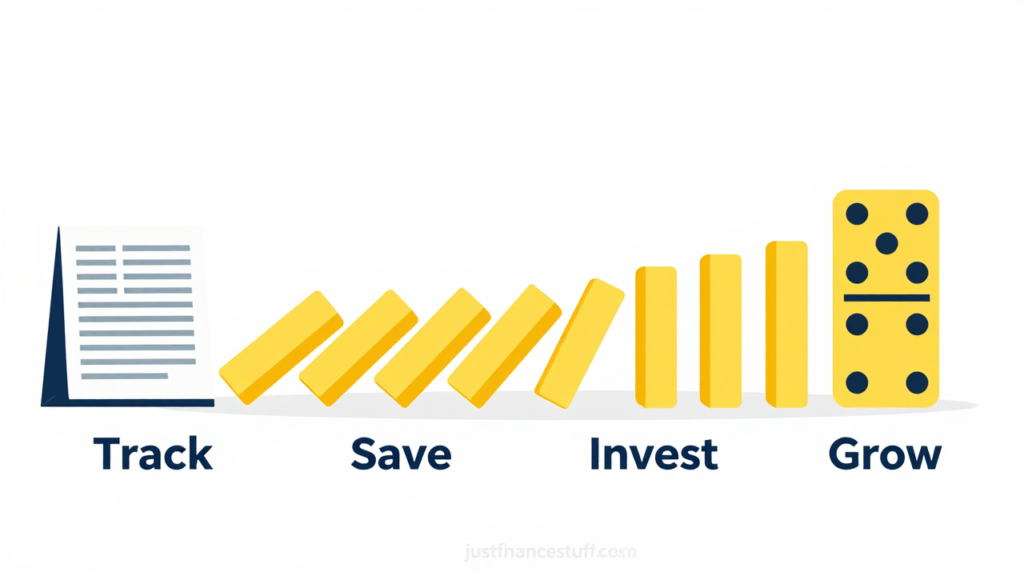
Daily money rituals for awareness
Start with concrete, repeatable steps you can actually do now. For example, tonight log your total spend in one line and note where it went, like groceries, transit, or a small splurge. This creates a quick snapshot you can use tomorrow to spot patterns. ⚠️
- Track today’s spending in one line, not a full audit.
- Confirm one financial goal you’ll advance today, no matter how small.
- Note one emotion you felt about money and write a 1 sentence takeaway.
Habit stacking for saving and investing
Make saving unavoidable by pairing it with tasks you already do. If you brew coffee each morning, set a rule to transfer $2 to savings right after the pot finishes. That tiny amount compounds as you repeat it monthly. ✅
- Pair a 5 minute review after your morning coffee with an automatic transfer to savings.
- Attach a quarterly mini-review to your regular bill-paying day to adjust contributions.
- Add a tiny investing step, like checking a fund’s performance for 2 minutes after lunch.
Automation and consistency to reduce stress
Automate where it makes sense, and review only when life changes. Example: if you get a raise, adjust the automatic transfers within two pay cycles. Automation can cut your decision load and help goals stay on track. ⚠️ Be mindful that automatic rules may lock you into suboptimal plans if your income or goals shift.
- Set automatic transfers to savings and investments with a fixed percentage.
- Use a simple budget app to categorize expenses without manual entry every day.
- Schedule monthly reminders to revisit goals and adjust as life changes.
| Habit | Benefit | Start Tip |
|---|---|---|
| Daily ritual | Increases awareness and reduces impulse buys | Log one line of spending each evening |
| Habit stacking | Builds momentum with small, repeatable actions that contribute to your financial success. | Attach saving to a current routine |
| Automation | Ensures consistency in your financial habits and less stress. | Set up automatic transfers the day you get paid |
Cultivate gratitude and accept financial realities
Gratitude isn’t about pretending you have more than you do. It’s about recognizing what you have now while you shape a clearer path forward. This mindset keeps money from becoming a constant source of stress and helps you make calmer, smarter decisions. 💡

Practicing gratitude for current resources helps you see value in steady progress. Acknowledge today’s basics, income, savings, small wins, and reliable bills paid on time.
- List three things you’re grateful for in your financial life this week.
- Track one small improvement you made, like a saved coffee budget or a paid-off debt milestone.
- Share appreciation with someone who supported your financial journey, boosting accountability.
Balancing ambition with realistic assessment
Ambition fuels growth, but a plan grounded in reality moves you forward. Pair big goals with honest checks on income, expenses, and timelines. ⚠️
- Review 90-day targets and adjust based on current earnings and expenses.
- Separate must-have goals from nice-to-haves to avoid overreaching.
- Align daily choices with your long-term plan, not short-term impulses.
Using gratitude to reduce anxiety and improve decision making
Gratitude lowers financial stress by reframing choices as steps, not tests. A calmer mind makes better financial decisions and keeps you focused on what matters.
- Pause before a big purchase and name one positive outcome it would enable.
- Practice a brief gratitude check after reviewing bills to soften the weight of numbers.
- Use a simple script to remind yourself that progress is cumulative, not perfect.
Concrete steps you can take this month
Track where every dollar goes with a 30-day mini audit. For example, log meals you skip at a cafe and reallocate that $6, $8 daily amount toward a debt payoff or an emergency fund. If you get a raise, map 60% to essentials, 20% to debt or savings, and 20% to a small treat to reinforce the habit. This keeps gratitude actionable rather than vague. 💡
Common mistakes to avoid
- Assuming gratitude alone fixes budgeting gaps without action.
- Overbooking goals beyond what your current cash flow can sustain.
- Trying to force a positive mindset while ignoring bills due this month.
What if your income changes next quarter?
Have a quick fallback plan ready: cut one optional expense, extend a payment deadline if possible, and revisit your 90-day targets. Real-world example: a $150 monthly streaming bill could become $0 if you pause it during a lean month, freeing funds for the emergency jar. ✅
Takeaway: gratitude should anchor your finances with concrete steps, not just good vibes. Start with a 30-day audit, then reallocate small saved amounts toward debt and savings so progress feels tangible. 💡
Learn and engage with personal finance
Learning about money isn’t a one time event. It’s a habit that expands your options and your confidence. This section adds concrete examples, practical steps, and credible sources to help you take control of your financial growth this week.
Key areas to educate yourself on (budgeting, debt, saving, investing)
Start with real life scenarios and build from there. Focus on:
- Budgeting: track two weeks of expenses, then set a quick, realistic goal like saving $100 this month.
- Debt: list every balance, interest rate, and minimum payment, then target the highest-rate debt first with a small extra payment when possible.
- Saving: aim for a practical emergency fund target, automate transfers, and adjust once you hit it.
- Investing: compare a simple index fund versus a target-date fund, and estimate long term growth with a straightforward calculator.
Practical learning habits (micro-learning, journaling, reflection)
Make learning easy to keep up with. Try these small, repeatable practices:
- Micro-learning: 5 minute daily lessons on one money topic, plus a quick flashcard recap.
- Journaling: note one money choice you faced, the alternative you considered, and the outcome.
- Reflection: a 10 minute end of month review that ties what you learned to a real goal, like improving your financial situation by paying down debt.
Leveraging credible resources to inform decisions
Trustworthy guidance matters. Look for:
- Clear authorship and dates to show current information, and cross check with a second source.
- Plain explanations over hype or jargon, with concrete examples.
- Balanced viewpoints that show tradeoffs, not just wins, including potential risks.
| Learning focus | Why it matters | Starter tip |
|---|---|---|
| Budgeting | Directs money toward goals | Track two weeks, then implement a 50/30/20 plan |
| Debt | Reduces interest burden | List all balances, rates, and minimums; attack the highest rate first |
| Saving | Builds security | Set up automatic transfers to a savings account after each payday |
| Investing | Growing wealth over time | Start with a low cost index fund and use a simple compound interest calculator |
Manage money self-talk and emotional triggers

Negative money thoughts can push you toward overspending or avoidance, hindering your financial success. The goal here is to notice the voice, slow it down, and steer toward clearer actions. Recognizing patterns helps you make smarter financial moves, not knee-jerk reactions, ultimately improving your money mindset.
Identifying negative money self-talk
Notice the phrases that pop up when you think about money. Common ones include fear of not having enough, guilt after a small splurge, or labeling yourself as bad with money. These thoughts shape decisions long before you act.
- Keep a quick diary: jot the feeling, trigger, and the exact thought. For example, note when you instinctively swipe after a payday surge.
- Look for recurring themes like scarcity, shame, or all-or-nothing thinking. If every minor expense feels like a failure, you’re in this loop.
- Note how the thought influences your choice right after it appears. Did you skip a budget review or double down on unnecessary buys?
Techniques to interrupt and replace harmful inner dialogue
Interrupt the loop with simple, concrete steps. This keeps you in control instead of being ruled by emotion.
- Pause and count to three before reacting to a money cue. Use a default delay like, “Let me sleep on it.”
- Rename the thought to a neutral statement, then test it against reality. If you think “I’m terrible with money,” try: “Let’s review yesterday’s receipts.”
- Use brief scripts: “I don’t know yet, I’ll check my plan first.” Practice aloud or in your notes to harden the habit.
Building resilience during financial setbacks
Setbacks happen. Resilience means bouncing back without letting fear derail progress. Keep recovery actions small and steady. A concrete plan beats guilt any day.
- Revisit your emergency fund after a setback and adjust contributions by a fixed amount, like $5, $20 per week if you can.
- Record one learning from the experience and apply it next time. For example, “I spent on impulse after lunch, so I’ll carry a $10 snack limit.”
- Share a realistic plan with a trusted friend or mentor to stay accountable. Schedule a 15-minute check-in monthly to review progress.
FAQ
Here are quick answers to common questions about building a positive money mindset and aligning it with your financial life. Money mindset matters because your beliefs drive choices that compound over time, so small shifts can lead to big results.
- What is a money mindset? It is the set of beliefs and attitudes that shape how you earn, spend, save, and invest. Your money mindset guides daily choices and big decisions alike. For example, someone who believes “saving is painful” may delay putting money into an emergency fund, while a saver prioritizes it automatically every month.
- Why is a positive money mindset important? It helps you form healthy money habits, reduce anxiety, and pursue long‑term financial goals with confidence. In practice, you might notice steadier renewing subscriptions you actually use and a clearer plan to pay off a credit card debt within 12 months.
- How do I start improving my money mindset? Identify limiting beliefs, set clear goals, educate yourself about money, and build consistent money habits like automatic saving. Try this: open a 6‑minute daily money journal, list one fear, one fact, and one action, then automate 5% of each paycheck into a high‑yield savings account.
- What role does gratitude play? Gratitude reduces stress and makes it easier to balance ambition with what you already have. Keep a weekly win list: one small money win (a avoided impulse buy) and one improvement (automatic bill payments) to reinforce positive behavior.
- What if I have a scarcity mindset? Begin by reframing scarcity as a signal to save or invest a small amount, then look for practical opportunities to grow wealth over time. Start with a $5 daily transfer to a micro‑investment app or a 1‑page side hustle plan to test income streams without big risk.
- How can I measure progress? Track a few steady indicators: saving rate, debt payoff pace, and progress toward a SMART financial goal. Add a quarterly check: compare actuals to your plan, adjust the next quarter by 10, 20% of the gap.
If you want a quick roadmap, start with identifying beliefs that hold you back, then pair that work with a concrete plan and steady learning. This combination supports a healthier relationship with money and clearer financial choices.
Conclusion
Money mindsets shape your day to day and your long term plans. A positive money mindset grows with small, repeatable actions that fit your life. By reshaping beliefs, telling a healthier money story, and pairing goals with steady habits, you create real momentum. Mindset and financial goals become allies, not barriers, in the financial life you want.
To keep moving forward, lock in three practical steps:
- Craft clear, realistic goals and track progress toward them with a simple setback plan for when you slip.
- Automate savings and simplify daily money decisions to reduce friction, for example set up 3% of each paycheck to a savings account and use round-up transfers.
- Regularly review beliefs about money and replace limiting thoughts with constructive ones, such as reframing debt as a manageable tool and not a personal failure.
If you notice scarcity mindset creeping in, switch to an abundance approach by recognizing small wins, practicing gratitude for what you have, and looking for practical opportunities to grow. Your next move is a concrete plan aligned with your long-term goals and a daily ritual that keeps you honest with your spending habits.