
You pay taxes to your state if you live in one of the 41 states that collect income tax. Each state sets its own rules, rates, and deadlines-so yours might be different from your cousin’s in another state. You must file a state return in most cases if you owe income tax there. Some states, like Texas and Florida, don’t charge income tax at all. Your state uses this money for schools, roads, and emergency services. Not sending it on time can lead to fees or legal action by the state government.
Honestly, why’s state tax so different from federal?
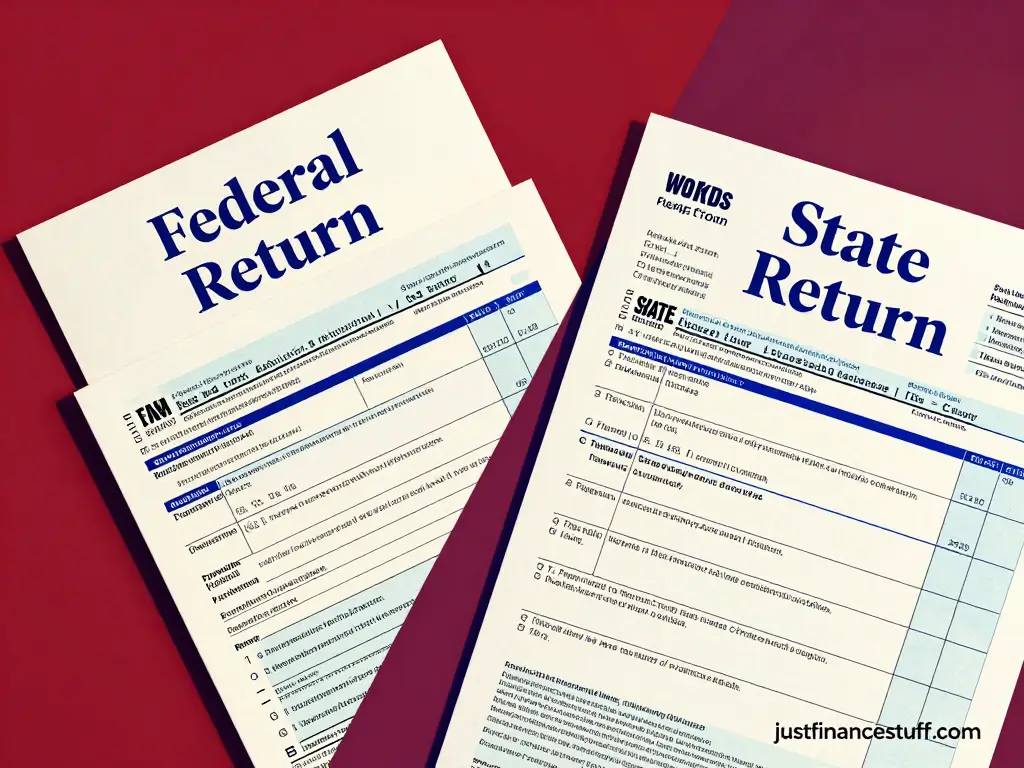
You’re used to the IRS and the state and local tax regulations. Internal Revenue Code setting rules for your federal income tax – it’s the same across all 50 states. But your state? That’s a whole different system. Each state runs its own show through its department of revenue or department of taxation can assist you in resolving your tax questions., making their own laws on who pays what. Some states don’t charge any income tax at all. Others use completely different forms, deadlines, and rates. That means you can’t just copy your federal return and call it a day.
Why the IRS isn’t the only boss you’re dealing with
Your state’s department of revenue holds real power over how much you owe – and they don’t answer to the IRS. While the IRS collects federal taxes under one national rulebook, each state builds its own tax structure. Nine states, like Texas and Florida, don’t have a state income tax. Others, like California, tax income at multiple rates up to 13.3%. If you work in one state and live in another, both departments of revenue might want a piece. You’re responsible to both – ignoring one could mean penalties or audits.
Navigating your specific state department of revenue
The office that handles your state taxes goes by many names – Department of Revenue, Department of Taxation, or sometimes Revenue Center – but it’s always run by your state government. You’ll file your return here separately from your federal one, often using different forms and due dates. Some states let you e-file through their website; others require mailing. Your local department sets rules on deductions, credits, and payment plans. Check their official site early – missing a detail could delay your refund or trigger fees.
What’s the real deal with filing your return online?
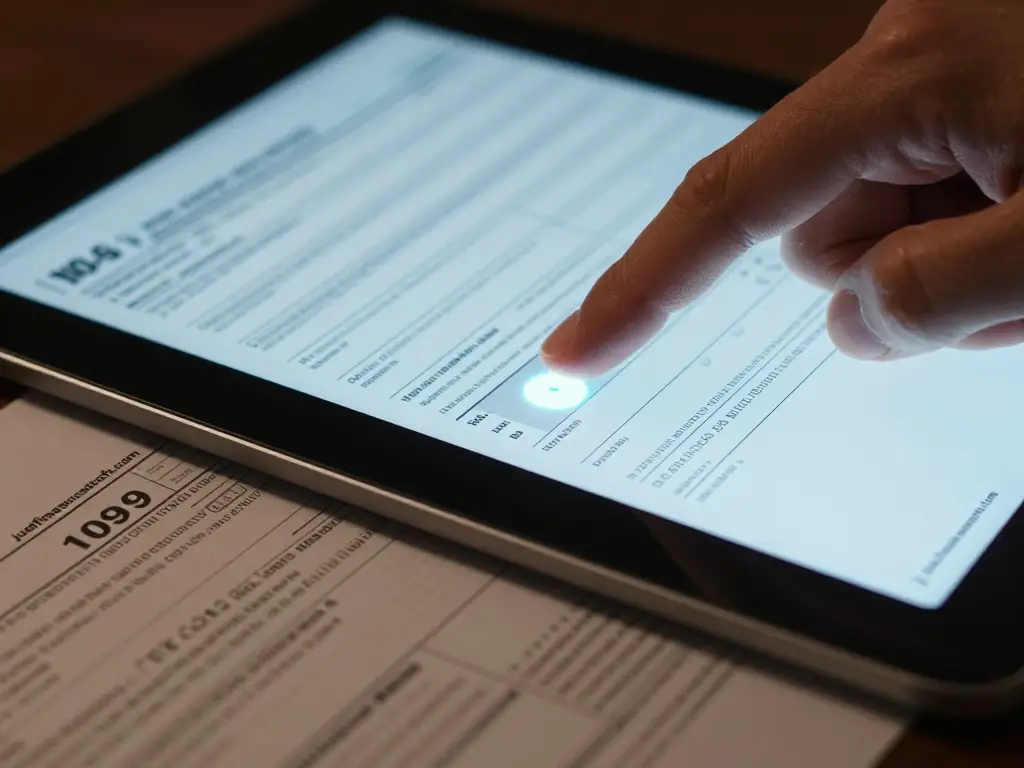
You can file your state tax return online in most states, and it’s often faster and safer than mailing paper. Over 40 states offer free e-filing through their tax agency websites, like Free File in California or New York’s e-file options. The system helps catch mistakes before you submit, which lowers the chance of delays. Even if your data is tricky-like side jobs or rental income-you can still complete your return online with guided software. Just make sure you do it before the due date, usually April 15, unless the state and local authorities change it.
Dealing with complex data and payroll info
Some payroll situations make your return more complex, like working in two states or getting tips, commissions, or gig work. States like Texas and Pennsylvania require you to report all income earned, even if part came from another state. Online tools can help sort this and provide tax help. data, pulling in W-2s and 1099s automatically. If you’re self-employed or have multiple employers, double-check that every dollar is reported correctly. Mistakes here can lead to audits or fines, so take your time or use software that handles complex cases.
Meeting every filing requirement by the due date
Each state sets its own requirement for when you must file and pay. Most follow the federal April 15 date, but exceptions exist-like Maine and Massachusetts, which extend to April 17 in 2025. If you miss the date, you could face late fees or interest. Some states, like Florida, don’t have income tax, so no return is needed. But if you live in New Jersey or Ohio, check local rules-some cities even have their own taxes. Filing online helps you meet every requirement on time.
Where’s my refund? Here’s what I’ve found out
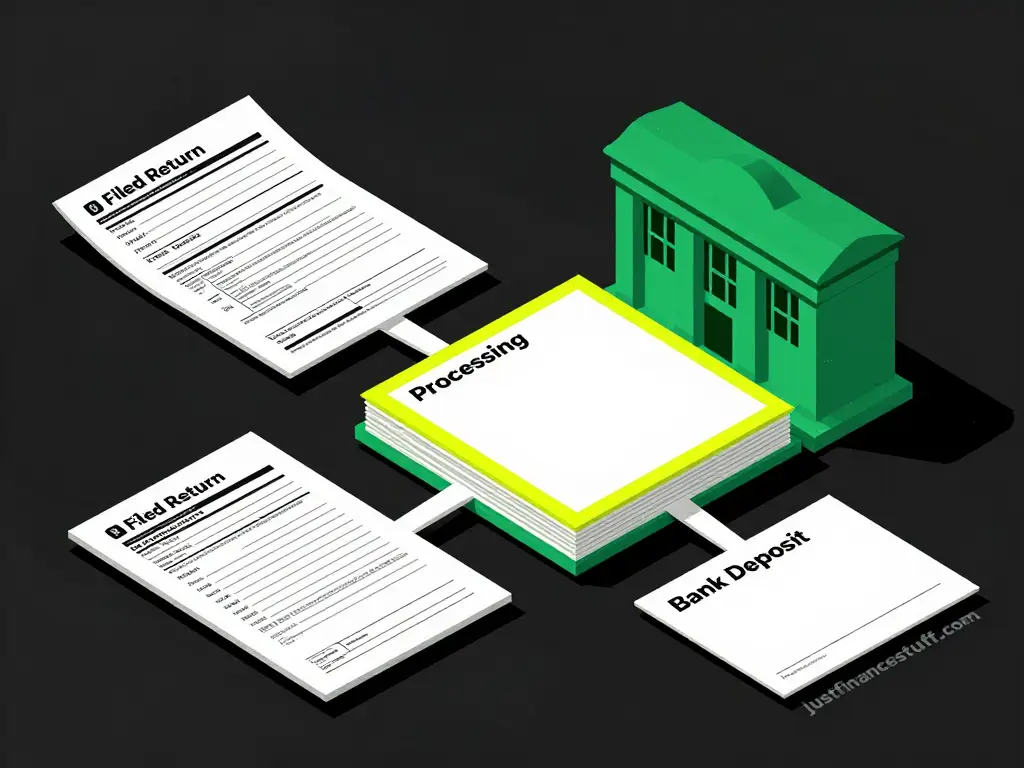
Every year, millions of people wait for a tax refund from their state, and timing can vary wildly depending on state and local tax laws. If you’re wondering where your money is, most states like California and New York post refund status tools online-just enter your Social Security number and filing status. Direct deposits usually arrive in under three weeks if you e-filed and there are no errors. But if you claimed certain credits, like the Earned Income Tax Credit or Child Tax Credit, it could take longer because the IRS delays some federal refunds until mid-February to prevent fraud.
Tracking down your tax refund without the stress
One smart move is checking your refund status using your state’s official website-no calls or forms needed. In California, the Franchise Tax Board updates refund info within 72 hours after accepting your return. New York State says most refunds go out in 14 days if you file electronically and choose direct deposit. Paper filers should wait up to four weeks before even looking. The key? Don’t panic if it’s not there on day one-delays happen if your return needs extra review or has math errors. Just track it step by step.
How tax withholding and credits actually change the game
Your paycheck has money taken out each week-that’s tax withholding, and it shapes your final refund. If too much was withheld, you’ll likely get a larger refund. Too little tax help can lead to bigger issues later. You might owe. But here’s the real twist: credits like the Recovery Rebate Credit or Education Credits can boost your refund or reduce what you owe, even if you paid nothing in taxes. This means some people get money back they never paid in. That’s how a $0 tax bill turns into a $1,000 tax refund-thanks to refundable credits doing the heavy lifting.
Seriously, how do I get help when I’m stuck?
When you’re lost with your state taxes, you’re not alone-most states offer free assistance to get help sorting things out to resolve any tax issues. You can call your state’s tax agency directly or visit their official website for live customer service, chat support, or email request forms. Some states even have in-person resource centers. The key is to act early-don’t wait until the deadline. If your case is complex, you can request help from a trained expert through programs like the IRS-sponsored Volunteer Income Tax Assistance (VITA) sites, which also assist with certain state returns.
Reaching out for some expert assistance when you’re confused
You might feel overwhelmed if tax forms don’t make sense or you owe money you didn’t expect. That’s exactly when you should need help from a trained volunteer or tax pro. Many states partner with the IRS to run VITA locations-there are over 12,000 sites nationwide offering free assistance to low- and moderate-income families, seniors, and non-English speakers who may need additional tax help. These experts can assist with both federal and state returns. You can find one near you using the IRS’s VITA site locator. It’s a real resource and completely free tax help options are available.
Why a customer service resource is worth the request
Calling your state tax agency might feel scary, but their customer service teams exist to assist-not judge. For example, the California Department of Tax and Fee Administration has phone support from 7 a.m. to 5 p.m. PT, Monday through Friday, and provides answers in multiple languages. You can request a callback, check your refund status, or clarify penalties. This service helps you avoid costly mistakes. Even if you just need a form or a deadline reminder, reaching out for tax help is a smart move. It’s your right to get help, and using it can save time, money, and stress.
Can I actually talk to a human at a local office?
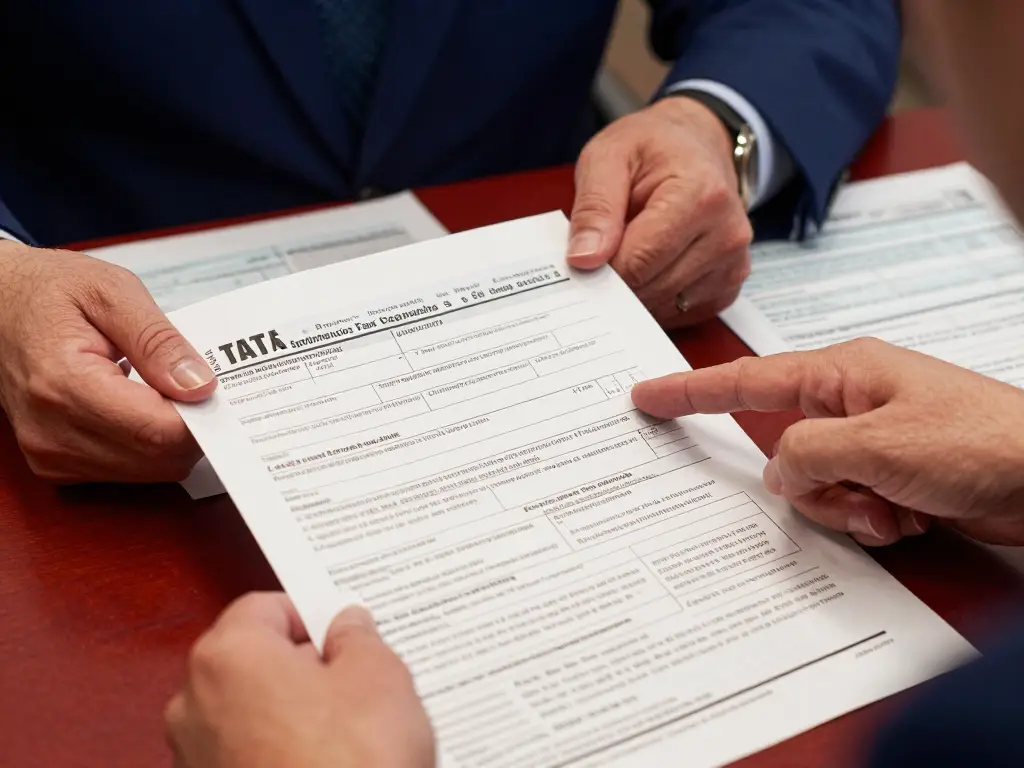
Yes, you can speak with a real person at your state’s local office, but it’s not always as simple as walking in. Most states require an appointment before you can meet face-to-face to resolve detailed tax issues. tax questions. Some offices only offer help on certain days or for specific issues like audits or disputes. Calling ahead or checking your state’s official tax website is the best way to find out how to get the tax information you need in person – don’t assume they’ll see you without planning first.
Setting up an appointment to get things sorted
Getting help often starts with making an appointment, and many state tax agencies won’t accept walk-ins. You might need to call a special number or use an online form to book time with someone at the local office. For example, California’s Franchise Tax Board lets you schedule in-person meetings at select locations, but slots can fill up fast. If you have a pressing question, don’t wait – set up your visit early so you’re not stuck waiting weeks for help.
Getting your specific tax questions answered face-to-face
Sitting down with a tax agent means you can ask your exact tax questions and get answers on the spot. At a local office, trained staff can review documents, explain forms, and give you official tax information tailored to your situation. This kind of direct help is especially useful if your return is complicated or you’ve gotten a notice you don’t understand. Just remember: bring all your paperwork and go only after securing an appointment – showing up unannounced usually means going home empty-handed.
My take on why it’s different in Cali or New York
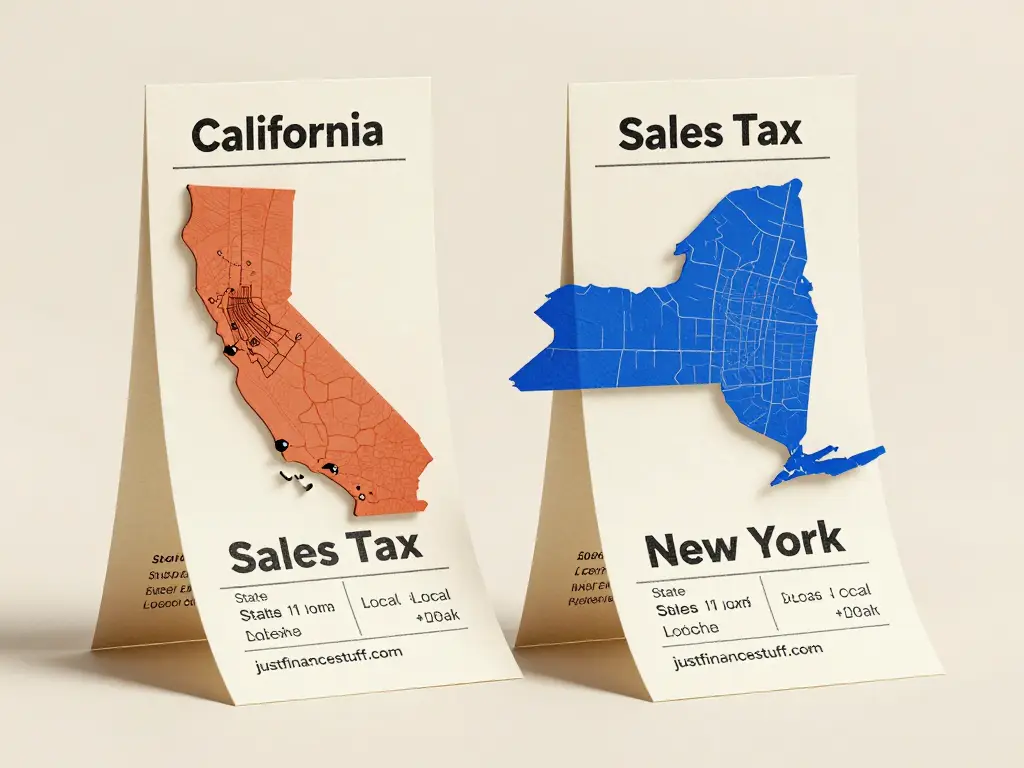
You might wonder why dealing with taxes feels like a whole new game in places like California or New York. It’s because each state sets its own rules – and they’re not shy about using them. California charges a statewide sales tax of 7.25%, but local governments can add their own layer, pushing rates over 10% in cities like Los Angeles, making it crucial to seek state and local tax help. New York’s base rate is 4%, but once you add city and county taxes, New York City residents pay 8.875%. These differences aren’t random – they reflect how much services cost and how each area chooses to fund them.
Handling a local sales tax bill or payment option
Paying your local sales tax bill doesn’t have to be stressful if you know your option. Some cities in California let you file and pay online through the State Board of Equalization portal. Others require direct contact with county offices. In New York, the Department of Taxation and Finance handles most sales tax payments, and you can set up automatic withdrawals. Missing a due date can trigger penalties – so mark your calendar and use alerts. The key is knowing exactly where and when to send your bill payment.
Different rules for Illinois and the District of Columbia
Illinois has a flat state sales tax rate of 6.25%, but localities add their own percentages – Chicago adds 1.75%, making the total 8%. Meanwhile, the District of Columbia keeps things simpler with a single combined rate of 6% for most goods. Services are taxed differently too: Illinois rarely taxes services, but D.C. does – including digital services since 2022, which can lead to confusion for those seeking tax help. You must report these correctly or face fines. Always check whether your purchase falls under state or local rules before filing your bill.
Conclusion
You now know state taxes aren’t one-size-fits-all-each state sets its own rules. Some states, like Texas and Florida, don’t charge income tax at all. Others, like California, do. You must file in each state where you earned income if that state collects income tax, which can complicate your tax help needs. Most states let you file online for free through their official websites. Refunds usually take a few weeks, but delays happen if there’s an error or audit. Always check your state’s revenue department website for updates. You can visit local offices in person, but calling or going online first saves time.
FAQ
How much does it cost to file state taxes?
Filing your state tax return usually costs nothing if you do it yourself online, but using tax software or a professional can cost between $30 and $200. Some states offer free filing options for simple returns, especially if your income is low or you qualify for certain programs that provide tax help.
How long does it take to get a state tax refund?
Most state tax refunds arrive within one to three weeks after you file electronically and choose direct deposit. It can take longer if you mail a paper return, claim certain credits, or if the state needs to review your return more closely.
Do I have to pay state income tax in every U.S. state?
No, not every U.S. state charges income tax-states like Texas, Florida, and Washington don’t tax personal income at all. If you live in or earned income in a state that does tax income, you’ll likely need to file a return there, unless your income was below that state’s filing threshold.