What the 70-20-10 rule is
The 70-20-10 budget rule is a simple way to split your after-tax income into three parts. It helps you plan how to spend, save, and reduce debt without tracking many small categories. In plain terms, you set aside 70% for living costs, 20% for savings and debt repayment, and 10% for other goals or giving.
People use this budget method to see where money goes each month and to reserve funds for emergencies and future needs. It is a popular option for beginners and busy people who want a clear rule to follow.
Why this budget rule matters in personal finance
Using the 70-20-10 budget rule helps you reach financial goals more reliably. It keeps spending honest, while ensuring you save and reduce debt.
Key benefits include:
- Clear structure for money management
- Separate space for savings and investments are crucial components of effective budgeting strategies.
- Direct plan for debt repayment and emergencies
If your income or cost of living changes, you can adjust the percentages to fit your financial situation and still stay on track.
The 20% Savings and Debt Repayment Allocation
Distinguishing saving vs. debt payoff within the 20%
The 20% in the 70-20-10 budget rule is split between building savings and paying down debt. Savings cushion you for surprises, while debt repayment lowers what you owe over time.
Split priorities can vary by goal, affecting your monthly spending. For example, you might focus on an emergency fund first, then allocate the rest to debt and future investments.
Strategies for building emergency funds and investments
- Open a budget plan to better track your spending. savings account dedicated to the emergency fund for quick access.
- Set a concrete savings goal (for example, 3, 6 months of living expenses).
- Automate transfers to ensure you consistently manage your money. set aside money each month.
- After meeting the emergency fund, redirect funds to investments with long‑term growth.
Early savings reduce risk and help you handle unexpected expenses without new debt.
Prioritizing high-interest debt within the 20%
If you carry high‑interest debt, use part of the 20% to accelerate debt repayment and lower interest charges over time.
For example, some people use the 20% to both grow a sinking fund and pay off credit card debt faster, balancing safety with progress toward financial goals.
The 10% Debt Repayment or Donations Allocation
Treating the 10% as debt payoff or charitable giving
The 10% portion of the 70-20-10 budget rule can be used for budgeting strategies to improve financial health. debt repayment or for donations. If you choose debt payoff, you speed up reducing balances and cut interest over time. If you choose donations, you support causes you care about while keeping your finances steady.
Impact of this allocation on long-term financial health
emergency fund and keeps your monthly income focused on long-term goals. Regular contributions here strengthen your overall personal finance health by reducing liabilities or increasing social impact over time can improve your overall budget plan.
Balancing debt reduction with other financial goals
- If debt is high, lean toward debt repayment this year while keeping other goals in view.
- If debt is manageable, prioritize donations to maintain your values without ignoring growth, while making the minimum payment.
- Reassess quarterly to ensure the 10% supports both debt relief and meaningful giving.
Pros and Cons of the 70-20-10 Approach
Situations where it works well
The 70-20-10 budget rule is simple to apply and easy to remember. It helps people start budgeting quickly without tracking hundreds of line items. It can fit steady incomes and predictable expenses into a monthly budget.
- New to budgeting who want a clear plan
- Busy individuals who need a simple rule
- People saving for an emergency fund while paying down debt should consider effective budgeting strategies.
Limitations and common misapplications
Like any rule, it has limits. It may not reflect very high fixed costs or regional cost differences. Some people may misplace money if they miscalculate after-tax income.
- Fixed expenses or high cost of living can squeeze the 70%
- High or variable income needs flexible adjustments
- Using the rule with gross income rather than after-tax income can misallocate funds
How it compares to other budget frameworks
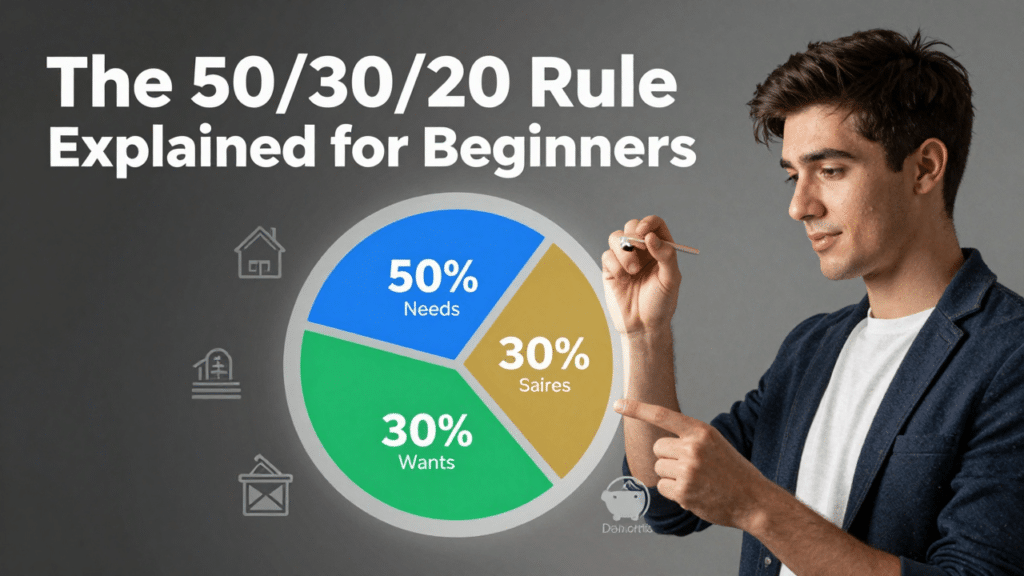
The 70-20-10 approach is simpler than many frameworks that require daily tracking. It sits between very strict budgets and broad spend-and-save plans. It is often compared with 50-30-20, which splits needs, wants, and savings differently.
| Aspect | 70-20-10 | 50-30-20 |
|---|---|---|
| Complexity | Low | Medium |
| Flexibility | Moderate | High |
| Savings focus | 20% for savings/debt | 20% for savings |
How to Implement the 70-20-10 Budget
Steps to calculate after-tax income
Start with your monthly income and remove taxes to create an accurate monthly budget. The remaining amount is after-tax income you can actually use.
- Identify all reliable sources of income for the month.
- Subtract estimated taxes and other mandatory deductions to get after-tax income.
- Use this value to divide money into three parts according to the 70-20-10 budget rule.
Creating a monthly plan and tracking progress
Turn the 70-20-10 split into real actions you can follow each month.
- Budget 70% for living expenses and essential costs, such as housing, utilities, and groceries.
- Set aside 20% for savings and debt repayment, including an emergency fund and sinking funds.
- Allocate 10% for personal goals, which can be debt payoff or charitable giving, while also tracking your spending.
Track spending weekly to see if you stay within each category. Adjust if needed before the month ends.
Adjusting for different income levels and life stages
Change the percentages only when your situation justifies it.
- Lower income: keep the 70-20-10 framework but reduce fixed costs first and automate savings to help manage your money.
- Life changes (new job, a child, or relocation): review essential expenses and reallocate with care.
- In between jobs or irregular income: use a buffer fund to smooth monthly fluctuations and track your spending.
Budget rule helps you keep money management simple while aligning spending with financial goals. Regular reviews make the plan feel practical and achievable.
6. Variations and Adaptations
When to modify the percentages
The 70-20-10 budget rule is a guide, not a law. You can adjust the split if your finances change. For example, if debt is very high, you may shift more into debt repayment within the 20% category. If living costs rise, you might reduce the 70% a touch and reallocate later.
Regional cost considerations and income types
Cost of living varies by region. In high-cost areas, you may need to dedicate more to essential expenses and less to discretionary spending. If you have irregular income, treat the 70-20-10 as a dynamic plan that adapts month to month, using a buffer to smooth gaps.
Combining 70-20-10 with other budgeting tools
You can pair this rule with other methods for clarity. Use a simple budget template to track categories, or add a sinking fund for specific goals like emergencies or large purchases. Some people keep separate accounts for savings and debt payments to enforce discipline.
| Scenario | Suggested adjustment | Notes |
|---|---|---|
| High costs | 70% needs, 15% savings/debt, 15% discretionary | Protect essentials first |
| High debt | 60% needs, 25% savings/debt, 15% discretionary | Prioritize payoff |
These variations help keep the budget practical across different lives while staying true to the overall framework of managing money effectively.
FAQ
Can the 70-20-10 rule be used with gross income?
Using gross income can overcommit money to taxes and deductions. Applying the rule to after-tax income gives a clearer picture of what you can actually spend, save, and allocate toward debt.
Is 70-20-10 better than 50-30-20 or 50-20-30?
Each framework fits different goals. The 70-20-10 keeps living costs manageable while balancing savings and debt payoff. The 50-30-20 approach prioritizes needs and wants with a smaller savings slice, helping to improve spending habits. Pick the one that matches your situation and comfort.
How quickly can you see results with this rule?
Results depend on income and habits. If you stick with the plan, you may notice steadier cash flow and progress toward debt payoff or savings within a few months. Regular checks help you adjust early if a category is tight.
Conclusion
Key takeaways
70-20-10 offers a simple way to manage money by dividing after-tax income into three areas: living expenses, savings and debt repayment, and personal goals using budgeting strategies. It helps you see where your money goes and stay focused on important financial goals.
By using three categories, you build a steady path for savings and investments while keeping living expenses and discretionary spending in balance. This approach supports building an emergency fund and reducing debt over time.
Next steps to implement the rule in daily life
- Calculate your monthly income after taxes, then split it into the 70-20-10 portions.
- Set up automatic transfers to a savings account for the 20% and for debt repayment where needed.
- Track living expenses to ensure essentials fit within 70% and adjust as life changes.
- Decide how to use the 10% in line with your financial goals, whether it goes to debt payoff or charitable giving.