Why investing basics matters for beginners
Investing helps your money grow faster than a savings account over time. By putting money into stocks, bonds, or funds, you can build wealth for goals like retirement, buying a home, or education.
Starting with a clear plan reduces risk and confusion. A simple approach today can compound into bigger results later, especially if you set aside an emergency fund and stay consistent.
What will learn here
You will
- Understanding investment options like stocks, bonds, mutual funds, ETFs, and real estate
- How to set financial goals and a time horizon that fits your life
- Practical steps to automate and start small without overwhelming risk
| What you’ll gain | Why it matters |
|---|---|
| Clarity on goals | Keeps you focused and avoids impulse buys, especially when considering different investment products. |
| Better risk understanding | Helps you choose appropriate asset allocation |
| Starter portfolio | A simple mix you can grow over time |
Assess your financial foundation

Paying off high interest debt
High interest debt can erode investing gains, impacting your overall equity. If you carry balances on credit cards or loans with rates above typical investment returns, tackle them first. Reducing debt lowers costs and lowers risk to your future portfolio.
- Pay off the highest interest rate debts first (avalanche method) by listing balances from high to low and adding extra payments on the top line.
- Explore a balance transfer or debt consolidation if it lowers the rate and simplifies payments, but watch for fees and intro periods.
- Set a concrete target, for example eliminating $5,000 in high interest debt over 12 months, and automate monthly extra payments of $400 if possible.
Building an emergency fund
An emergency fund acts as a cushion so investing plans stay on track. Start with enough to cover 1 month of expenses, then grow to 3, 6 months over time. This helps you weather shocks like medical bills or a job gap.
- Calculate essential monthly spend (rent, food, utilities) and aim for 3 months first, then 6 months within a year.
- Keep funds in a liquid place like a savings account or money market fund for easy access.
- Keep this fund separate from your investing account to avoid dipping in during market dips.
Understanding your budget and cash flow
Tracking how money moves each month shows what you can safely invest. List income, fixed costs, debt payments, and discretionary spending to set realistic contribution amounts.
- Use a simple 30-day cash flow snapshot: list all income sources, fixed costs, and average discretionary spend.
- Identify a safe monthly investment target, for example 10, 15% of net income, and adjust if income changes.
- Build a small buffer for surprises, like a $200 cushion for unexpected repairs, to avoid dipping into investments.
| Category | What to track | Ideal state |
|---|---|---|
| Income | Salary, side gigs, passive income | Stable and predictable |
| Essentials | Rent, utilities, groceries, transport | Consistent |
| Discretionary | Dining out, entertainment, hobbies | Adjustable |
Set clear investment goals and time horizon
Short-term vs. long-term goals
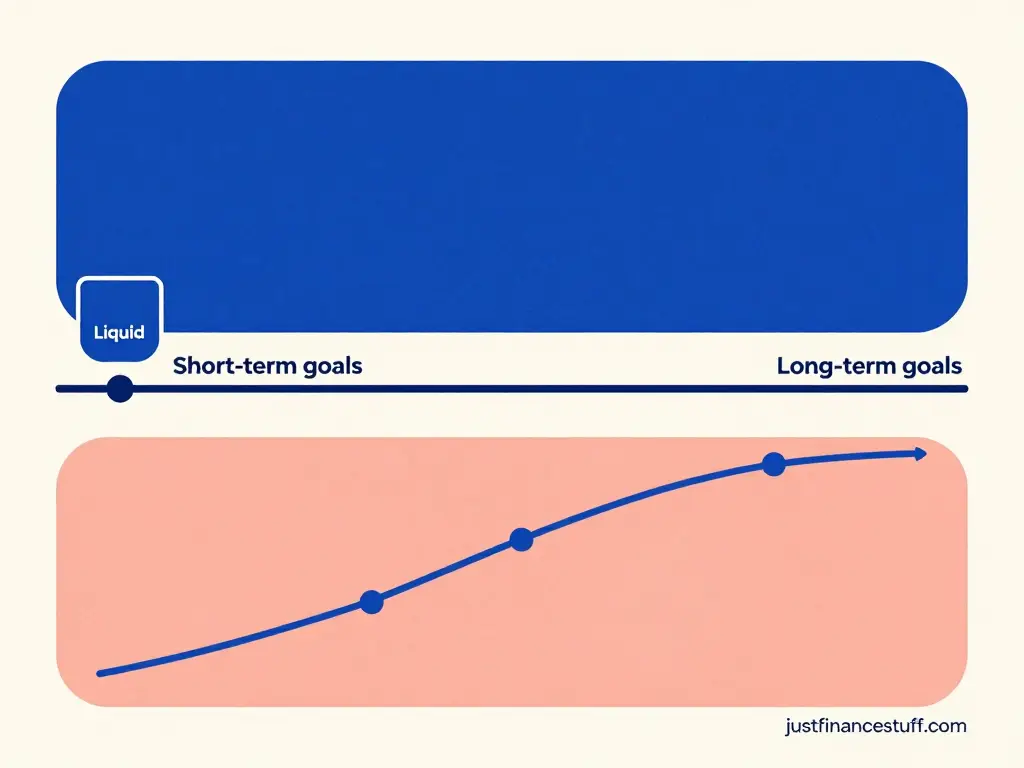
Define what you want to achieve soon and later in your saving and investing journey.. Short-term goals might be saving for a vacation, a car, or an emergency fund target within 1, 3 years. Long-term goals cover retirement, paying for college, or building lasting wealth over 5, 30 years.
- Short-term goals influence cash availability and liquidity needs, so you might keep a separate high-yield savings account for each goal.
- Long-term goals allow for greater growth potential through riskier, higher-return options, such as broad market index funds or tax-advantaged accounts.
- Document each goal with a clear amount and a deadline, then review quarterly to adjust contributions or timelines.
Determining your risk tolerance
Risk tolerance is how comfortable you are with market ups and downs. It affects your asset mix and plan. If you panic during downturns, you may want a more conservative approach.
- Low tolerance favors stable funds, high-quality bonds, or broad index funds with lower volatility.
- Moderate tolerance can mix stocks with bonds for growth and a buffer, aiming for 4, 6% annual returns historically.
- High tolerance lets you pursue growth with a larger stock allocation, but set a loss limit and keep an emergency fund first while considering your investment risk.
Estimating timeline for milestones
Turn goals into milestones with a realistic timeline. Break large goals into smaller checkpoints to track progress and adjust as life changes. For example, a 10-year goal might have yearly targets to measure progress.
| Goal | Target amount | Time horizon | Suggested approach |
|---|---|---|---|
| Emergency cushion | $5,000 | 12, 18 months | Keep in liquid funds in a separate savings account |
| Down payment | $40,000 | 5, 7 years | Balanced mix with growth and regular monthly contributions |
| Retirement starter | $200,000+ | 15, 30 years | Broad index funds and ETFs, automated contributions |
Choose the right investment account type
Tax-advantaged accounts
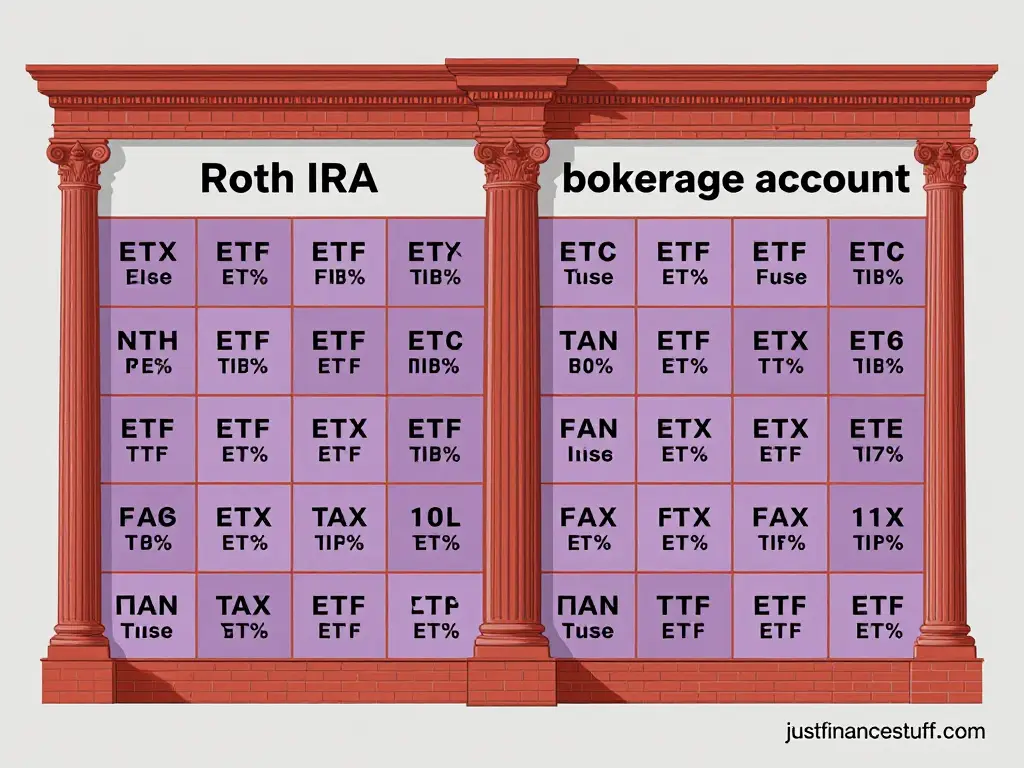
Tax-advantaged accounts help your money grow faster by delaying taxes or offering tax-free growth. They’re especially useful for long-term goals like retirement or education.
- Types include traditional IRAs and Roth IRAs, which differ in when you pay taxes. For example, traditional IRAs let you deduct contributions now but pay later, while Roth IRAs tax contributions now for tax-free withdrawals later.
- Employer-sponsored plans often provide matching contributions, boosting your start. If your company matches 50% of the first 6% you contribute, that’s like getting a 3% immediate return on your invested money.
- Eligibility rules and contribution limits vary by country and account type. In the U.S., limits change over time and may depend on income.
Brokerage and custodial accounts
Brokerage and custodial accounts give you flexibility to save for many goals beyond retirement. They’re handy when you want access to invested money or to invest with funds that aren’t in retirement accounts.
- Brokerage accounts offer a wide range of investments, including stocks, bonds, and funds. Expect typical costs to vary by fund and platform, with some mutual funds having ongoing expenses and occasional trading commissions.
- Custodial accounts let an adult manage assets for a minor until they reach adulthood. A common path is gifting stock or cash to a child’s account to teach investing early.
- Tax implications differ from tax-advantaged accounts and should be planned. Earnings can be taxed annually in some setups, with capital gains taxes on withdrawals in others.
Understand fees and access
Fees and access determine how much of your returns you actually keep. Check trading commissions, account maintenance, and fund expense ratios.
- Low-cost index funds and ETFs reduce ongoing costs over time. For example, an expense ratio of 0.05% saves more than 1% over decades.
- Some accounts charge inactivity or withdrawal fees. Plan contributions and withdrawals to avoid surprises.
- Make sure the platform supports the investments you want, like ETFs, mutual funds, or REITs. If you want real estate exposure, look for REIT options or related investment products in your account.
Understand core investment options
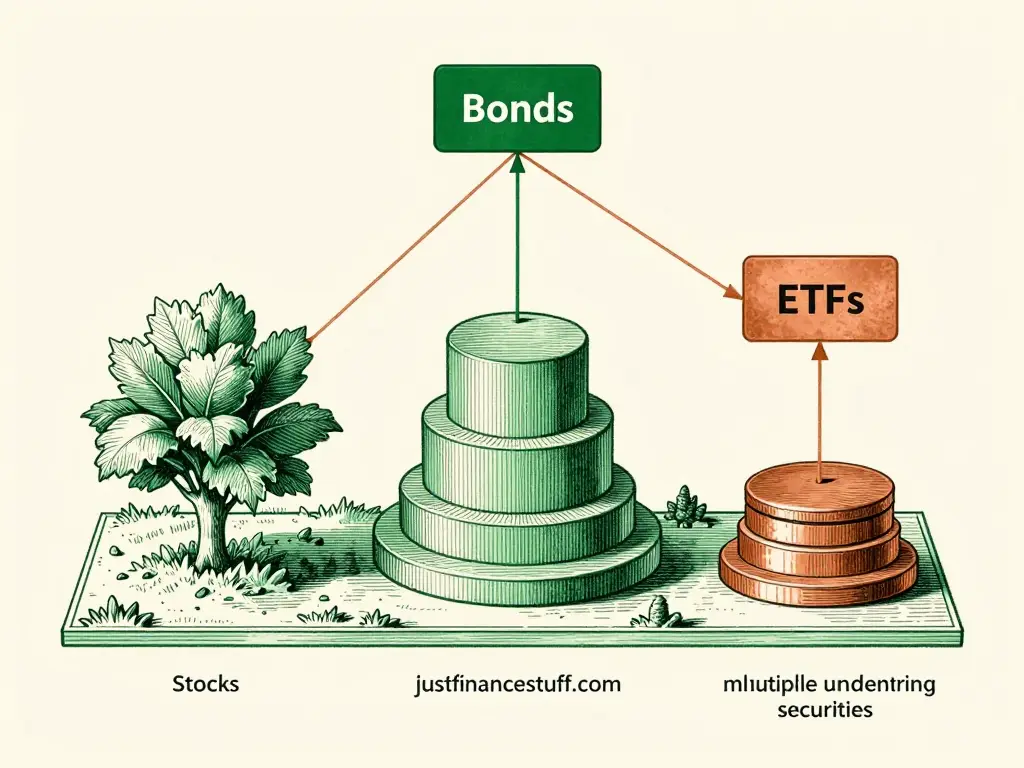
Stocks and bonds
Stocks give you ownership in a company, while bonds are loans you make to issuers with interest. Pairing them balances potential growth with income and stability.
- Stocks: mix large caps like Apple or Microsoft with smaller firms in growth areas to smooth volatility.
- Bonds: include a safe sleeve such as 5-year Treasuries or high-quality corporate bonds to cushion downturns.
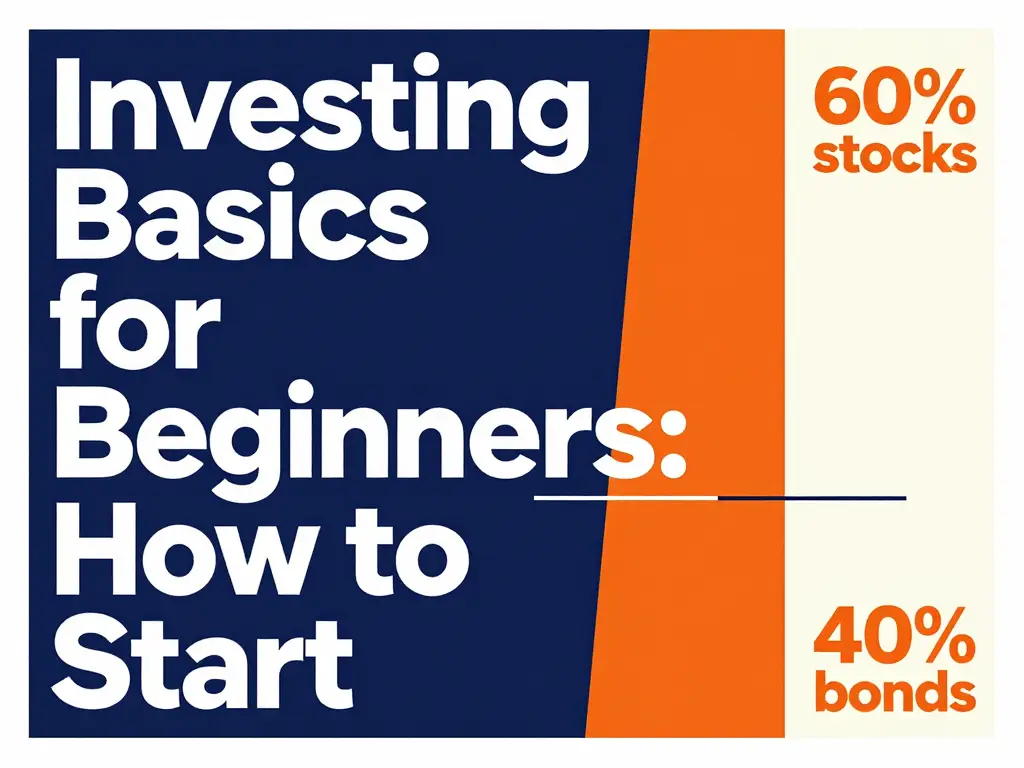
- Portfolio rule of thumb: about 60% stocks and 40% bonds for a balanced core, then adjust as your goals and age change.
Mutual funds and exchange-traded funds
Mutual funds and ETFs pool money from many investors to buy a diversified mix of assets. They offer instant diversification and easy access.
- Mutual funds: prefer low-cost index funds over expensive active funds to protect returns over the long run.
- ETFs: handy for practical trades, like a total market ETF to cover most stocks with one purchase, or sector ETFs to target themes.
- Index funds: choose broad market indices (e.g., total market) for cost efficiency and steady exposure.
Real estate and other alternatives
Real estate options and other alternatives add different risk and return profiles compared with stocks and bonds.
- Real estate: blend direct property with REITs to balance liquidity and income.
- Other alternatives: commodities or infrastructure can diversify beyond stocks and bonds, but watch fees and liquidity.
- Fit to plan: with a 10+ year horizon, you can tolerate higher real estate or alternative exposure, but keep core holdings liquid for emergencies.
Construct a simple, diversified portfolio
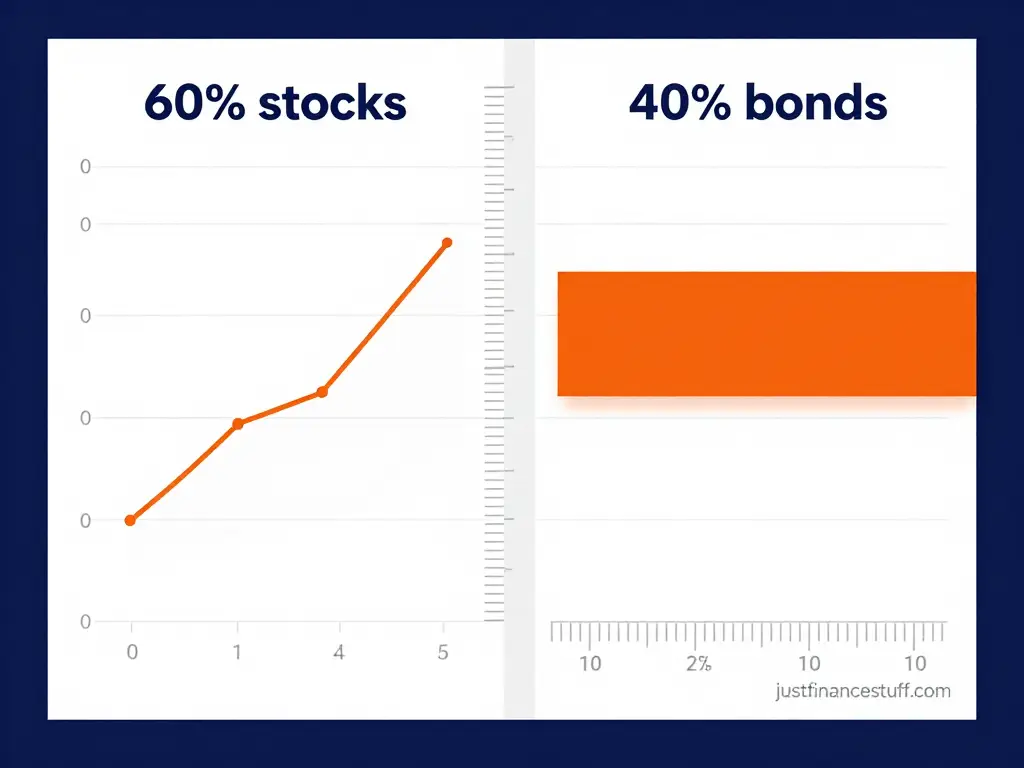
Asset allocation basics
Your asset allocation is the mix of different investment types you own. A practical starting point is a growth tilt with stocks plus some bonds to reduce volatility.
- Young investors might lean heavier toward stocks, such as 80% stocks and 20% bonds, then adjust as goals shift.
- Older investors often shift toward a more conservative blend, like 60% stocks and 40% bonds, to protect gains while managing investment risk.
- Include a cash placeholder or money market fund for near-term needs, goals, or emergency cash.
Diversification across classes and funds
Diversification spreads risk so one poor performer won’t derail your plan. Mix broad funds to cover many areas.
- Core holdings: broad index funds or ETFs across large, mid, and international stocks plus core bond funds to reduce single-name risk.
- Real estate exposure via REITs or real estate funds adds a different cycle from stocks and bonds.
- Liquidity buffer: a small money market or ultra-short bond fund helps you avoid forced selling during volatility.
Rebalancing how and when
Rebalancing keeps your portfolio aligned with your target allocation. Do it periodically, not impulsively, to align with your investment strategy.
- Set a threshold, such as rebalancing when any class drifts by 5 percentage points from target.
- Use new contributions to tilt back toward your target rather than selling in a down market, which can lock in losses.
- Tax considerations matter; place tax-efficient funds in taxable accounts and tax-advantaged funds in retirement accounts when possible.
Automate and start small
Setting up automatic contributions
Automation helps you stay disciplined without thinking about it. Set up regular contributions from your paycheck or bank account to your investment account. For example, direct deposit 5% of each paycheck into your brokerage every two weeks, so you invest steadily without extra effort.
- Choose a fixed amount or a fixed percentage of your income.
- Align contributions with your budget so you won’t feel a pinch during the month.
- Schedule increases when you get raises to grow your plan over time.
Robo-advisors versus DIY approach
Robo-advisors automate asset allocation and rebalancing at low cost, which helps beginners. DIY investing for beginners lets you pick funds and stocks, giving control but requiring more tracking of your investments. For instance, a robo might rebalance quarterly after markets swing, while DIY investors check monthly and adjust if a fund underperforms by more than 1.5% year to date.
| Aspect | Robo-advisor | DIY approach |
|---|---|---|
| Automation | Automatic rebalancing and contributions | Manual updates needed |
| Cost | Usually low fees for various types of investment. | Fees vary by instruments |
| Learning curve | Low | Higher, but teaches fundamentals |
Starting with a minimal viable portfolio
Begin with a small, diversified core to test how investing feels. Build gradually as you learn what works for you. For example, start with 60% total stock market index fund and 40% broad bond fund, then adjust after 6 months based on risk comfort.
- Choose 2-3 broad funds or ETFs that cover stocks and bonds.
- Set a modest initial investment, then add monthly contributions.
- Review performance quarterly and adjust only if your goals shift.
Common pitfalls to avoid
Timing the market
Aim for steady investing over perfect timing. Chasing tops and bottoms often leads to selling at the worst moment and missing gains.
- Stick with a regular plan rather than guessing market swings. For example, automate contributions on the 1st and 15th to stay consistent, even when headlines shout.
- Avoid chasing short-term moves. If a stock jumps 20% in a week, pause and review your plan instead of doubling down.
- Use a simple, repeatable rule for contributions and rebalancing. Rebalance to target weights quarterly and adjust by a steady band, like 2%.
Ignoring fees and taxes
Fees cut into returns over time and taxes can tilt real gains.
- Compare cost factors before choosing funds. A fund charging 0.75% annually can cost thousands more over 20 years than a 0.05% option.
- Place tax-inefficient investments in tax-advantaged accounts when possible. For example, hold bonds or high-turnover funds in a 401(k) or IRA.
- Watch turnover which can trigger taxes in some accounts. If a fund turns over 80% annually, you may owe taxes on distributions even if you didn’t sell.
Overconcentration in single investments
Putting too much in one stock, bond, or real estate bet raises risk. A single setback can hit hard.
- Maintain a diversified core to cushion shocks from any one holding. Start with a 60/40 stock/bond mix and adjust for age and risk.
- Use broad funds or ETFs to spread across sectors and regions. For example, combine a broad market ETF with a global bond ETF for balanced exposure.
- Set limits on how much any single asset can represent. A common rule is no more than 5, 10% in one security.
| Pitfall | Why it hurts | How to avoid |
|---|---|---|
| Timing | Missed gains and increased risk | Stick to a regular contribution schedule |
| Fees and taxes | Lower net returns over time | Choose low-cost options; use tax-advantaged accounts |
| Concentration | Higher volatility and risk | Diversify with broad funds; set diversification rules |
FAQ
Here are quick, practical answers to common questions beginners have about investing basics and how to start investing. This guide gives you real steps you can take this week with clear numbers to aim for.
- What is an investment and why should I do it?
- An investment means putting money into assets like stocks, bonds, or funds with the goal of growing wealth over time. For example, placing $100 into a low-cost index fund this month could grow to about $180, $220 over 10 years, depending on returns. It helps you reach financial goals beyond just saving, such as funding a vacation or retirement.
- What is a brokerage and do I need one?
- A brokerage is a platform to buy and sell investments. Most beginners open a brokerage account to access stocks, ETFs, and mutual funds. Start with a well-known platform that offers $0 trading fees and a simple app, then add a mock portfolio for practice first.
- What is diversification and why is it important?
- Diversification means spreading money across different asset types and regions. If one sector drops, others may hold steady. For example, balance 60% in broad stock index funds with 30% in bonds and 10% in cash or a short-term fund to reduce volatility.
- How much should I invest when I’m starting?
- Begin with a minimal viable portfolio: $50, $100 per month in a broad index fund or ETF. Increase to $200, $500 as expenses stabilize. Automate it: set 2, 3 automatic transfers on payday so you never miss a month.
| Topic | Bottom line |
|---|---|
| Account types | Choose tax advantages when possible, but know access rules |
| Fees | Lower costs protect long-term returns |
| Time horizon | Longer horizons tend to ride out volatility |
If you need more detail on a question, work through it with a simple plan: define the goal, pick a suitable account, choose broad funds or index options, and set a regular contribution.
Conclusion
Starting with investing basics is about building a simple, solid plan you can actually follow. You don’t need perfect timing or huge sums to begin; you just need a clear path and consistency. Investing basics means a tiny, steady start that grows with time.
Here’s a compact wrap up to keep you on track:
- Set a realistic goal, choose a basic investment plan, and open an account that fits your taxes and access needs. For example, a taxable brokerage with automatic contributions can cover a 401(k) or IRA rollover later.
- Build an emergency fund first, then allocate small, automatic contributions to broad funds or ETFs. Start with 3, 6 months of expenses, then set a $50, $100 monthly auto-invest into a total-market ETF.
- Keep diversification in mind and avoid heavy bets on a single stock or sector. Include a mix of global stock ETFs, bond funds, and a small cash sleeve.
If you feel unsure, consider speaking with an investment professional or financial advisor to tailor a plan to your time horizon and risk tolerance. Remember, steady progress beats big swings.
Final thought: outline your investment plan, start with a minimal viable portfolio, and adjust only as your goals or life changes require.