

What Passive Income Really Means
Passive vs active and non-passive income: earned, unearned & residual income explained
Passive income is money you earn with minimal day to day effort after the initial setup. It is different from active income, where you trade hours for pay, and from passive activities that may still need some ongoing oversight.
Think of three categories:
- Earned income is wages or salaries from a job, where you trade time for money.
- Passive income comes from investments or assets that keep paying you with limited ongoing work.
- Residual income is money that remains after initial work, like royalties from a book or music after the release period ends.
Within passive income, some sources are more hands off than others. You might set up a rental property and use a property manager to reduce your day to day involvement. Or you could own dividend stocks that pay quarterly with little extra work beyond monitoring the portfolio.
How passive income creates cash flow, and the ethical & social questions around it
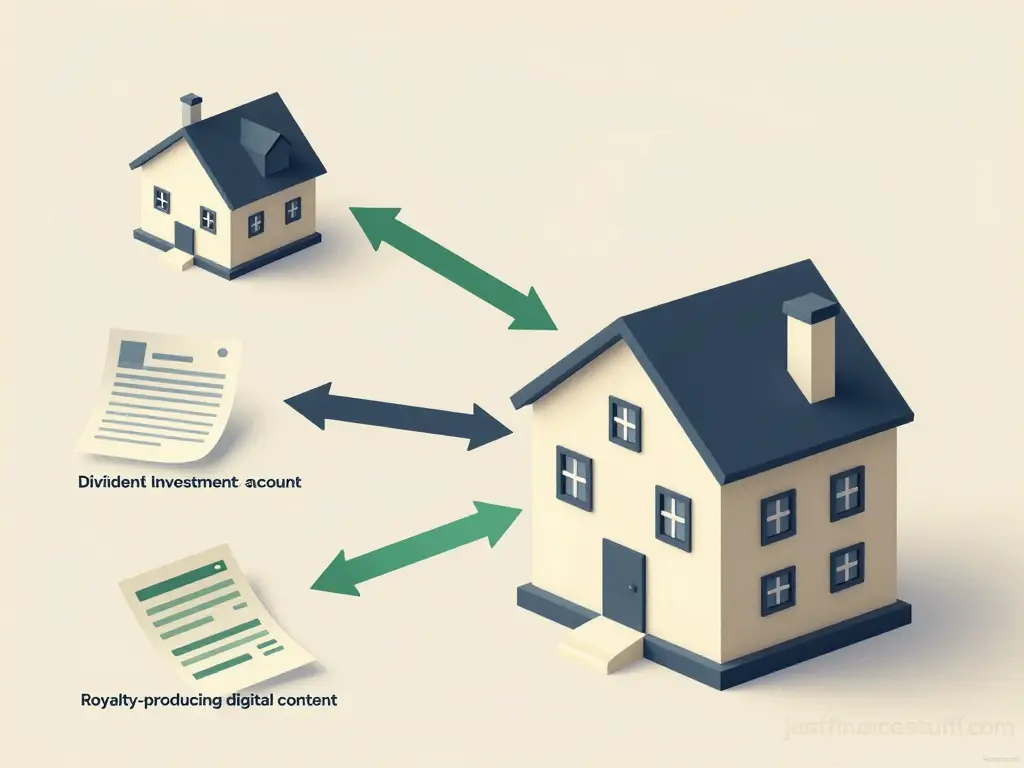
Cash flow is the steady stream of money from your income sources. The goal is to build several passive income streams that add up to a reliable monthly or yearly total.
- Tax considerations are essential when evaluating potential passive income sources. matter. Some forms of passive income are taxed differently from active income, and some have special deductions or credits.
- Ethical questions can arise around fairness and impact. For example, rental housing should consider neighborhood effects and tenant rights.
- Social questions touch on economic access and responsibility. A broad mix of passive income ideas can spread financial resilience rather than concentrate wealth in a few hands.
In short, passive income is money earned from assets or investments that require less ongoing effort than a regular job. It can boost cash flow and financial safety, but it comes with tax rules and social considerations you should understand before you start.
Best Passive Income Opportunities and Goals for 2026-2027
Smart investors in 2026 look for steady cash flow, clear tax paths, and scalable income streams you can grow over time. The focus is on assets that balance risk with reliable returns and require low ongoing maintenance. Start by aligning ideas to make money with your upfront investment and the tax rules that apply to each form of passive income.
2026-2027 passive income trends, top opportunities & best second-income sources
- Real estate backed income can be an effective way to create passive income through rental properties. remains strong with rental properties, real estate investment trusts (REITs), and house hacking as notable avenues for steady monthly income.
- Investment based cash flow includes dividends, bond ladders, and high quality index funds that pay regularly with minimal day-to-day work.
- Digital and online assets such as self published content, online courses, and affiliate revenue continue to scale with upfront effort and smart marketing.
- Portfolio diversification across multiple income streams helps reduce risk and boost total cash flow over time.
From $10K a month to $100K: setting bigger passive income goals
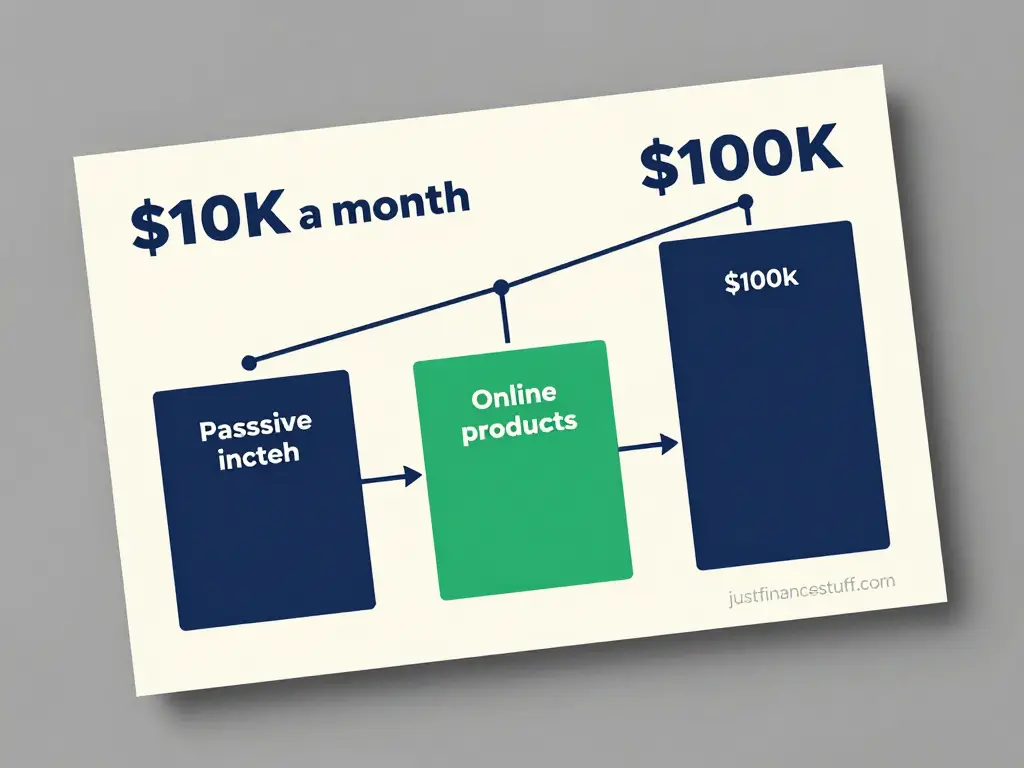
To move from a modest monthly floor to a higher target, map a plan that blends at least three income streams. Break goals into milestones for the year, and set a regular check-in to adjust investments, taxes, and growth tactics.
- Define your target monthly amount and the time horizon to reach it.
- Choose assets or products that offer compounding or scalable growth, such as REITs, dividend stocks, or online courses.
- Plan for tax implications with a tax professional to optimize after tax income and preserve cash flow.
Key takeaway: To earn passive income, focus on strategies that generate ongoing revenue with minimal effort, such as investing in real estate.: steady, diversified growth pays off. Start with one solid income stream you can automate, then layer in additional sources to build a robust passive income portfolio over time.
How to build multiple passive income streams
Methods, tips & strategies for building diverse online and offline income streams

Begin with a concrete plan that combines online and offline options. Aim for streams that can run with minimal daily input while contributing steadily to total cash flow over time.
- Choose a core asset class you understand, then layer adjacent ideas to spread risk and create extra income.
- Estimate after-tax returns and the setup time for each type of income stream.
- Keep ongoing costs in check by using scalable tools and automation wherever possible.
- Blend real estate, equity investments, and digital products to diversify revenue sources.
High-value skills, high-reward strategies & automated income systems
Build skills that translate into scalable assets. Focus on design, marketing, and systems thinking to boost conversion, retention, and automation.
- Marketing and audience building help online courses, affiliates, and digital products reach more people with less manual work.
- Content repurposing turns one asset into multiple income streams, boosting efficiency and reach.
- Automation tools handle routine tasks, from email sequences to payment processing, freeing time for expansion and making passive income in 2026.
- Use data to guide decisions. Track metrics like monthly income per stream and maintenance time to decide where to invest next.
| Area | Reason to pursue | Example |
|---|---|---|
| Real estate vs digital products: two different ways to earn passive income. | Offline assets can stabilize cash flow; online assets can generate extra income and scale with fewer ongoing chores. | Rental income and online course sales |
| Automation level | Higher automation lowers hands-on time and increases consistency | Automated email funnels for course buyers |
| Tax considerations | Different streams have distinct tax treatment; plan with a professional | Depreciation on property; qualified business income deductions |
Low-cost, Creative & Work-From-Home Passive Income
Low-Cost and No-Fund Passive Income Options + Creative Extra-Income Ideas
You don’t need a big bank balance to start building passive income. Some ideas to make money require little to no upfront money and rely on time, creativity, or leveraging free platforms.
- Digital products with minimal costs, such as printables or templates, sold through existing marketplaces.
- Royalties from self-published content, including ebooks or guides you write once and sell repeatedly.
- Micro investments in dividend-focused apps or funds that allow small initial deposits.
- Creative services turned into passive workflows, like designing a template package and updating it periodically for ongoing sales.
- Renting out unused digital space, such as storage for others’ files on a secure platform.
High-Paying Work-From-Home Ideas & Ways to Earn Online Passively Now
Some remote opportunities offer strong pay and scalable payoff if you set them up to run with minimal daily input.
- Create an online course on a niche skill you know well. Once the content is built, smart marketing can drive ongoing enrollment with limited upkeep.
- Set up affiliate marketing for your existing content. You earn commissions when readers or visitors purchase through your links.
- Develop a small software tool or app with a fixed license or subscription model. After initial development, automated renewals generate income over time.
- License your photography or design work to stock platforms. Each sale adds to cash flow without continuous work.
- Offer a paid newsletter or membership with exclusive resources. Automate delivery and billing to sustain a monthly income stream, which can be considered passive.
Digital passive income: Affiliate marketing, social media, apps, Etsy & AI

Affiliate marketing
Affiliate marketing lets you earn a commission by promoting products or services, which can become a source of passive income. You don’t create the product, but you help connect buyers to it, enabling you to earn passive income and learn what passive income entails. The key is matching offers to your audience and sharing trustworthy recommendations that define passive income.
- Pick programs with clear commissions and reliable tracking.
- Build content that answers real questions your audience has about the product.
- Use short, transparent disclosures so readers know you may earn a commission.
Photography & social media income
Photography and social channels can generate regular income without doing it daily. Rights-managed or stock photos earn royalties, while growing a niche audience can attract sponsorships and paid collaborations.
- Stock platforms pay per download or license, creating an ongoing revenue stream.
- Audience growth attracts brand deals, affiliate links, and product launches you manage in the background.
- Concrete niches perform better than broad topics for monetization in the trade or business of online content.
AI, passive-income apps, phone-based platforms & Etsy ideas
AI tools and mobile platforms can automate parts of the revenue process. Use apps that handle payments, distribution, and updates with minimal input. Etsy offers a path for digital goods and printables, while AI can speed up content creation and product iteration.
- AI-assisted design workflows reduce setup time for digital products.
- Phone-based marketplaces simplify listing and fulfillment for digital or small goods.
- Etsy ideas include printables, planners, and themed templates that fit your audience and can help you create passive income.
Passive Income Business Models
Amazon, Online Business Opportunities & Top Passive-Income Businesses
Amazon can be a gateway to passive revenue through fulfillment by Amazon, third party storefronts, and digital goods tied to the marketplace. The aim is steady cash flow with upfront setup and ongoing optimization as part of your passive income strategy. Online business opportunities cover evergreen niches and automated sales cycles, where marketing funnels, search optimization, and product validation reduce active management over time.
- Choose a narrow product focus to improve search visibility and make passive income through repeat purchases.
- Use automated fulfillment or digital delivery to minimize daily tasks.
- Test ideas quickly and scale what works to build durable income streams that can be considered passive.
Agency Income, Franchise Models & Quick-Start Passive Business Ideas
Agency income can become semi passive when you systematize client intake, deliverables, and reporting. Franchise models offer a proven blueprint and ongoing support, reducing startup risk while creating recurring revenue. Quick start ideas help you move from concept to cash flow with ready made systems.
- Develop repeatable service packages and offshore or automated delivery for consistency.
- Map a simple client journey with templates to cut hands on time.
- Consider franchise like formats in service based niches that benefit from brand recognition.
Passive Income Through Investments & Income-Producing Assets
Best Passive-Income Investments and Assets, including $50K Investment Options
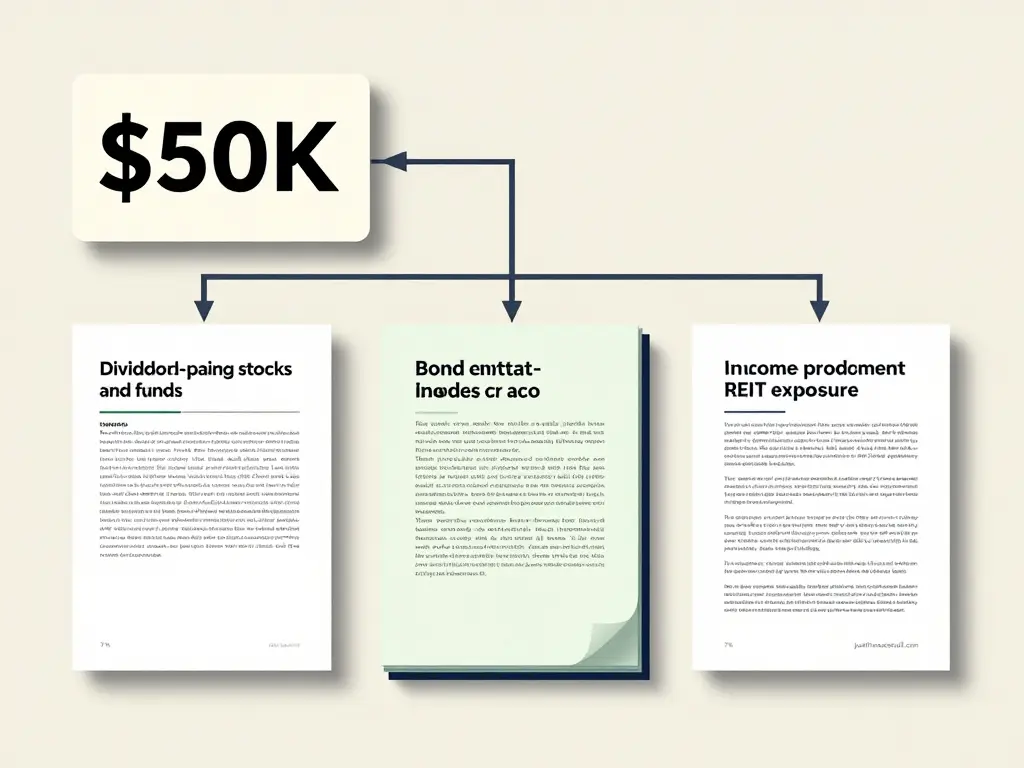
Investments and income-producing assets can generate a steady stream of income with minimal day-to-day effort after setup. The aim is to balance upfront capital, risk, and predictable returns while staying within your overall financial plan.
- Dividend-paying stocks and funds: Regular cash dividends can add to monthly income while you hold the investment as a way to earn passive income.
- Real estate and REITs: Rental properties or real estate investment trusts provide income from rents or property portfolios with varying risk levels.
- Bond ladders and bond funds: Fixed income from interest payments offers predictability and helps diversify a portfolio.
- Index funds with an income tilt: Funds chosen for higher starting yields can pair broad market exposure with steady payouts, helping you generate passive income.
- Real estate partnerships or syndications: Pooling capital with others to access larger, income-producing properties and start earning passive income.
With about a $50K starting point, you can diversify across a couple of these assets to smooth the income stream and reduce risk. Consider pairing a stock or bond core with a real estate component to build a resilient income base that includes investment income.
Stock Income, Arcade Earnings & Investment Returns
Stock-based income comes from dividends or from selling appreciated shares over time. Arcade earnings refer to recurring revenue from managed or owned passive platforms that run with minimal ongoing input.
| Asset type | How it generates income | Typical risk level | Notes on return: Understanding the interest rate can significantly impact your overall passive income strategy. |
|---|---|---|---|
| Dividend-paying stocks | Quarterly or monthly dividends | Moderate | Potential for rising yields over time; reinvestment boosts compounding |
| REITs and real estate partnerships | Rental income or property portfolio distributions | Moderate to high | Tax treatment can vary; liquidity differs by vehicle, affecting the type of passive income generated. |
| Bond ladders | Periodic interest payments | Low to moderate | Steady cash flow; protection increases with quality selection |
Investment returns depend on market conditions, timing, and fees. A tax professional can help map how these investments fit your tax situation and overall income plan. Building multiple income streams from these assets can provide a steady monthly income and contribute to long-term financial resilience.
Real estate, rental income & retirement connections
Real estate, rental & passive property strategies, including Airbnb profits

Real estate can provide steady passive income over time when you select strategies that scale with minimal ongoing work after setup. A focused plan helps you automate operations and maximize returns.
- Buy and hold rental properties with professional property management to reduce daily tasks.
- House hacking by living in part of a property and renting out the rest to cover costs.
- Real estate investment trusts (REITs) for exposure to property income without direct ownership responsibilities.
- Short term rentals in favorable markets, using dynamic pricing to boost occupancy and cash flow.
Airbnb profits can contribute to reliable income, but success hinges on location research, smart pricing, and guest screening. Start with one well-located unit, automate communications, and invest in furniture and amenities that earn strong reviews.
Rental income with Roth IRA & Social Security considerations
Holding real estate inside a Roth IRA can grow tax free, which affects how you plan withdrawals in retirement and can be a great passive income source. You must follow IRS rules for retirement accounts and avoid prohibited transactions.
- Consider a Roth IRA with a real estate option if you’re eligible and understand the fees and restrictions related to this type of passive income.
- Social Security timing can influence how rental income interacts with benefits, especially when filing jointly or delaying benefits.
- Keep track of passive activity rules and distribution requirements to avoid surprises at tax time.
Many people blend rental income with tax-advantaged accounts to create a stable, growing cash flow while keeping retirement planning flexible through various types of passive income.
Passive income for specific life situations & international audiences
Passive income for retirement
Plan ahead to convert small, steady inputs into reliable cash flow in retirement. The aim is to supplement earned income with options that require minimal ongoing effort as you age.
- Consider investments that pay regular, predictable income, such as high-quality dividend stocks or bond ladders.
- Look for real estate options that can be managed professionally to minimize day-to-day tasks.
- Explore tax-advantaged avenues that optimize withdrawals and protect after-tax income over time.
Side hustlers & stay-at-home moms
Many people start with a small, manageable setup and add streams as time allows. The emphasis is on simplicity, automation, and low ongoing maintenance.
- Digital products or courses can generate evergreen income after upfront work, making them a great source of passive income.
- Micro-incomes, such as licensing assets or renting them out, can fit around caregiving or part-time work.
- Automated marketing or storefronts reduce hands-on management while expanding income possibilities.
NRI income opportunities & passive-income visa considerations
Non-resident Indian (NRI) readers may face currency, tax, and regulatory considerations. The right mix should balance accessibility with compliance.
- Explore international-friendly assets that align with local tax rules and residency status.
- Evaluate visa or residency programs that recognize steady income from passive sources, such as investment income.
- Coordinate with a tax professional to map how foreign-sourced income affects filing and deductions.
Passive Income Taxes, IRS Rules & Deductions
IRS/NFFE definitions
Understanding how the IRS classifies income helps determine what counts as passive and how it is taxed. Key terms include passive activities and non‑financial foreign effectively connected income (NFFE) rules, which can affect reporting and eligible deductions.
- Passive activities are typically those where you do not materially participate in the operation, such as rental property managed by others.
- Active participation or material participation can convert some income into nonpassive for tax purposes, affecting deductions and losses.
- Non‑financial foreign effectively connected income (NFFE) covers certain foreign earnings and has reporting implications for U.S. filers with international sources of income.
Passive-Income taxation & secondary-income tax rules

Passive income is taxed differently from active income in many cases. The tax treatment depends on the asset type, your participation level, and how you report it on your return.
- Portfolio income from investments such as dividends and interest is usually taxed at ordinary or qualified rates, depending on the instrument.
- Rental income from property generally counts as passive unless you meet material participation tests, which can reclassify it for tax purposes.
- Secondary-income rules may apply when you hold multiple income sources, potentially affecting tax brackets and deductions.
Small-business deductions & the tax benefits of passive losses
Small-business deductions can lower taxable income and support a broader passive‑income strategy. Losses from passive activities may offset other passive gains, and a tax professional can help optimize these actions.
- Common deductions include depreciation, mortgage interest on rental properties, and ordinary business expenses tied to the passive activity.
- Passive losses may be limited against other passive income, with exceptions for real estate professionals and certain investments.
- Tax planning should consider the timing of deductions, income classification, and impact on adjusted gross income (AGI).
Conclusion
Building a durable set of passive income streams takes upfront planning, clear goals, and steady execution. The aim is to create income that grows over time with minimal ongoing effort, giving you a financial cushion and a path toward independence.
- Start with clear objectives and consider passive income ideas to help achieve them. Define how much steady income you want and the time frame to reach it.
- Choose a diversified mix. Combine investment-based options, real estate, and digital assets to balance risk and reward.
- Prioritize tax awareness. Work with a tax professional to understand how each income type is taxed and how losses or deductions may apply.
- Automate where possible. Use systems and tools that reduce daily involvement while keeping cash flow steady.
- Monitor and adjust. Revisit performance, costs, and tax implications at regular intervals and adapt to changes in rates or markets.
Remember, passive income is about building reliable income streams that require less daily effort over time. It won’t eliminate active work completely, but it can free up time and improve financial safety nets as you pursue long-term goals.
FAQs
Q: What counts as passive income for tax purposes? Passive income generally refers to earnings from activities where you do not materially participate. This includes rental income, certain investment returns, and royalties. The exact tax treatment varies by asset type and participation level, so consult a tax professional for your situation.
Q: How long does it take to set up a reliable income stream? It depends on the option. Some ideas, like creating a digital product or setting up a rental property, may need months to build and start paying out. Others, such as certain investment accounts, can begin contributing sooner after initial funding.
Q: Can passive income replace my job income? It can contribute over time, but most people build multiple streams to reach a steady monthly income. Start with a realistic target and diversify to reduce risk and improve resilience.
Q: What upfront costs should I expect? Upfront cost ranges vary widely. Real estate or franchise-like models typically require more capital, while digital products or affiliate marketing can start with modest investment. Plan for both initial outlay and ongoing maintenance.
Q: Is passive income truly hands-off after setup? Some systems require periodic monitoring, updates, or reinvestment. The goal is to reach a level where ongoing effort is minimal relative to the cash flow, not zero work forever.