

Books on Money Mindset
Money mindset matters because it shapes how you think about cash, debt, and long-term goals, influencing your financial decisions. If you want to stop living paycheck to paycheck or simply make smarter choices, a few books can reshape how you think and act. This article spotlights key titles that readers often cite as turning points in financial thinking.
One practical example: track every dollar for 30 days, then categorize expenses into needs, wants, and savings. That quick audit often reveals leakages you might miss, like recurring small subscriptions or impulse buys after lunch errands, which can be addressed with insights from money books. Another common scenario is setting a concrete debt payoff plan, such as a snowball approach to clear the smallest balances first while keeping minimums on larger balances, which creates quick wins and momentum. These steps map to the books’ guidance on reframing money as a tool for freedom, not a stressor.
Beyond theory, expect real-world tips like automating transfers to savings on payday, negotiating interest rates with lenders, and building a simple investing habit with a low-cost index fund. The titles highlighted offer frameworks, case studies, and practical checklists that help you move from vague intentions to measurable progress.
The Psychology of Money by Morgan Housel
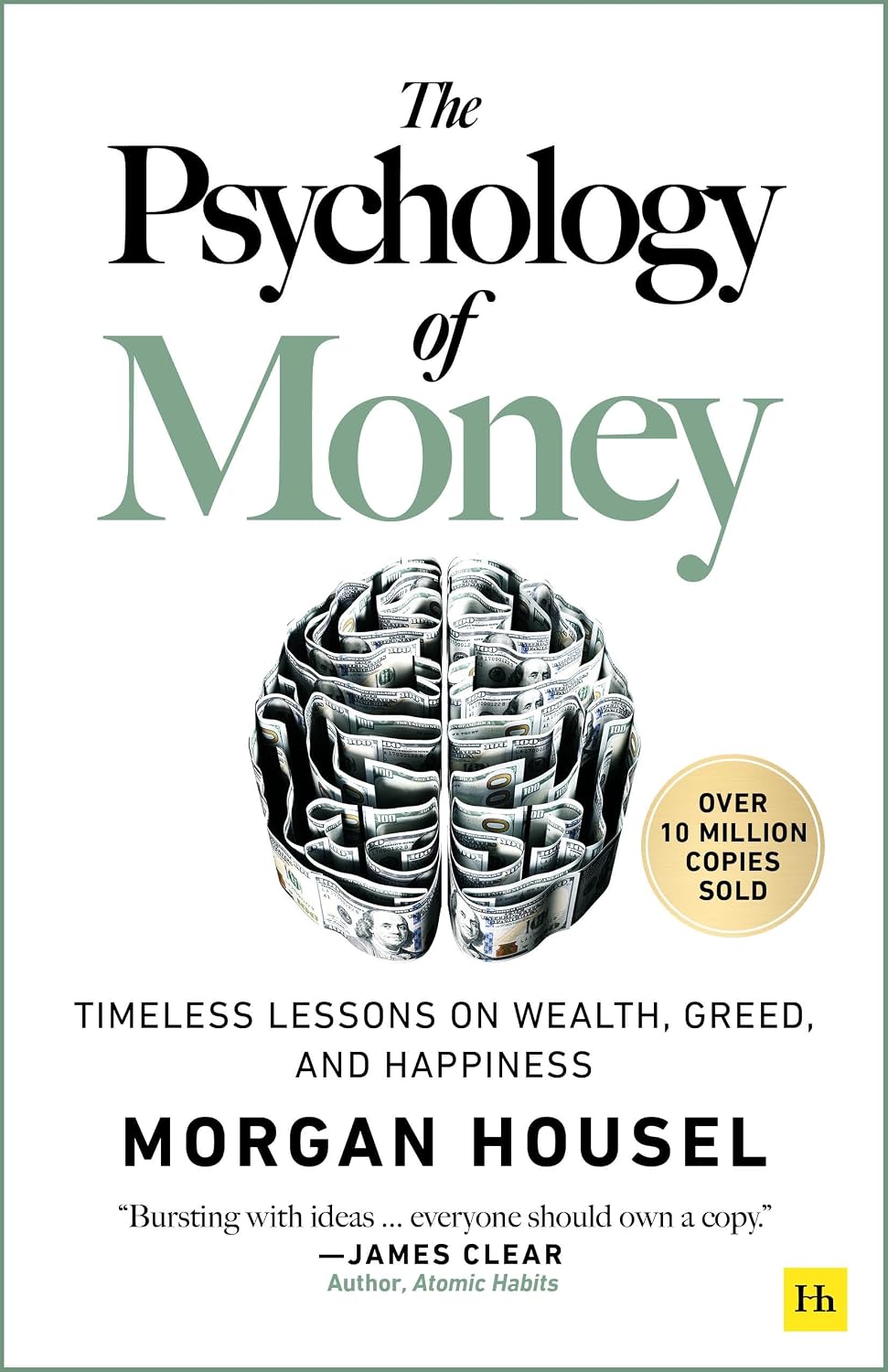
The Psychology of Money invites you to consider not just how money works, but how you behave with it. If you’re aiming for a steady, sensible approach to wealth, this book helps you spot the patterns that trip people up long before the numbers get big. Real life shows the relevance: you’ve probably felt a twinge of regret after dipping into savings for a spontaneous purchase. The book helps you pause at that moment and choose differently.
Core ideas and takeaways
- Behavior often beats math. Small, consistent choices compound as reliably as big gains. A weekly cut of one unnecessary expense can accumulate into a meaningful cushion over time.
- Wealth is what you don’t spend. Wealth isn’t just a bank balance; it’s control over your time and options. If you can take last minute trips or switch careers without stressing about bills, that signals true wealth in daily life.
- Luck and risk color every financial story. Recognizing both helps prevent overconfidence and reckless bets. Think of someone who narrowly avoided a layoff but watched markets rebound unevenly for their portfolio.
- Emotions drive money decisions more than logic, highlighting the importance of understanding your beliefs about money. Knowing your biases helps you stay on course during market swings. Simple tools like a 24-hour rule for purchases can curb impulse moves.
Why it changes how you think about money
It emphasizes steady, prudent habits over chasing big wins. By foregrounding everyday behavior, frugality, patience, and humility, the book makes money practices feel doable and applicable to daily life. A practical example: start a simple weekly review, note two expenses, explain why you spent, and check if the pattern aligns with long-term goals.
| Pros of reading personal finance books include gaining insights into effective money management. | Cons |
|---|---|
| Clear link between mindset and results | Abstract concepts can require personal interpretation |
👉 The Psychology of Money – Check Price & Availability
Your Money or Your Life by Vicki Robin and Joe Dominguez
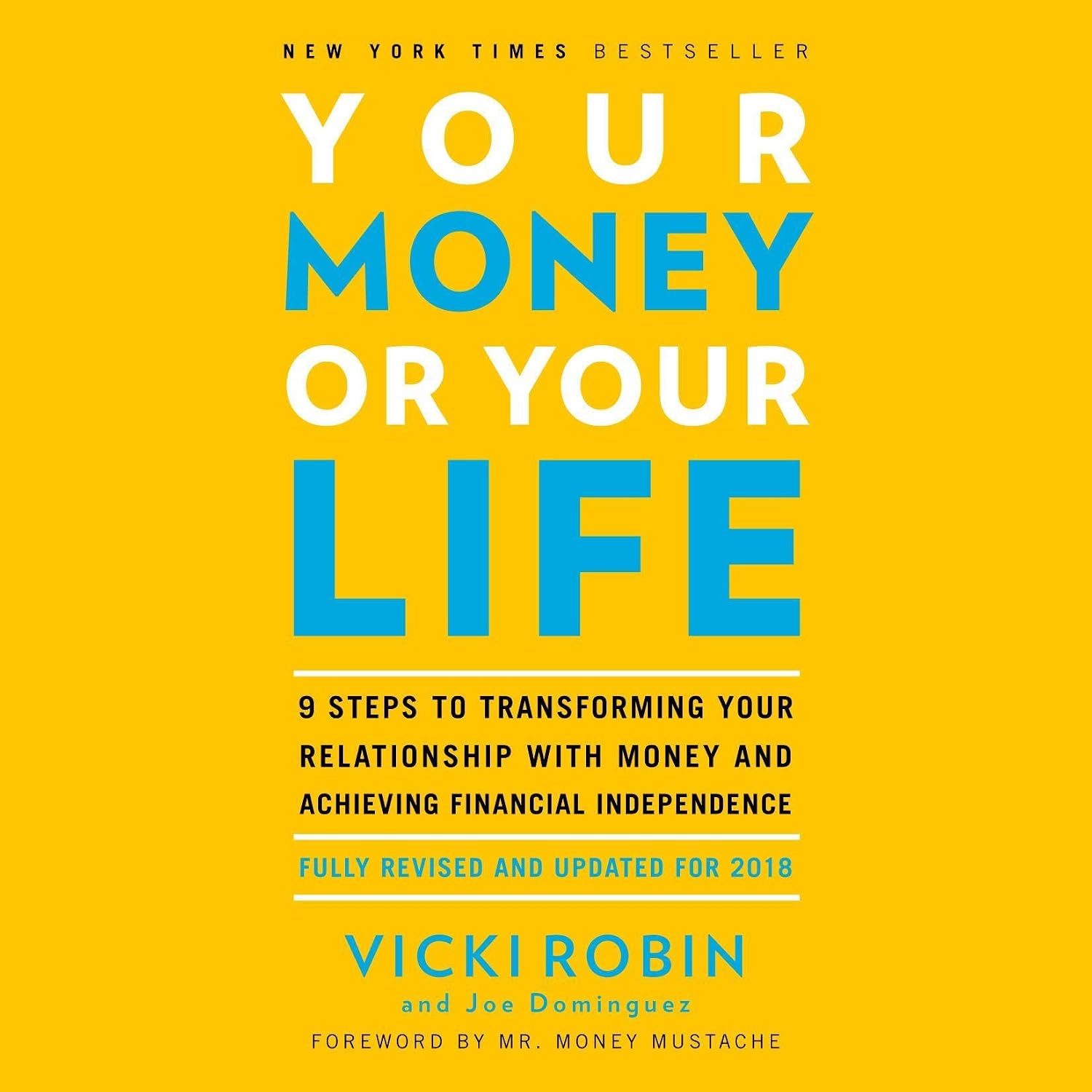
What if your money story could change how you spend, save, and even how you view time itself? Your Money or Your Life helps you pause and reframe wealth as freedom, not just numbers in a checking account. The core idea is simple: money is a resource you exchange for a richer life, so every dollar should be earned and spent with intention.
This article contains affiliate links. We may earn a commission if you buy through them.
Principles for transforming money relationship
- Track every dollar to see where your money actually goes, not where you wish it went. For example, notice how small recurring subscriptions quietly drain a budget, then decide which ones truly add value.
- Create a clear map of your income to expenses, aligning spending with values rather than impulse. If family dinners matter, plan a monthly meal budget and compare it to the cost of eating out on weekends.
- Assess time spent earning versus what that money buys in life satisfaction. If you work overtime to fund gadgets you rarely use, consider a policy like one new item per quarter tied to a real need.
- Replace scarcity thinking with practical steps that increase control over financial choices. Batch decision days, limit shopping trips to two per week, and use a 24 hour rule for impulse buys.
Steps to financial independence
- Put a value on every hour of your work and compare it to how you spend that time outside work. If you earn $25 an hour but spend an hour scrolling social media, your opportunity cost is real.
- Build a plan to reduce unnecessary expenses and redirect funds toward goals that matter, changing your relationship with money. Start with a 30 day no-spend challenge on non-essentials, then reallocate savings toward a emergency fund or debt payoff.
- Aim for steady progress rather than dramatic overhauls, letting small shifts compound over years. For instance, automate $50 weekly into a high-yield account and increase by 5% each quarter if goals are met, inspiring you to become a savvy investor.
| Pros | Cons |
|---|---|
| Clear pathway to value-based spending | Requires disciplined tracking habits |
👉 Your Money or Your Life – Check Price & Availability
The Millionaire Next Door by Thomas J. Stanley and William D. Danko
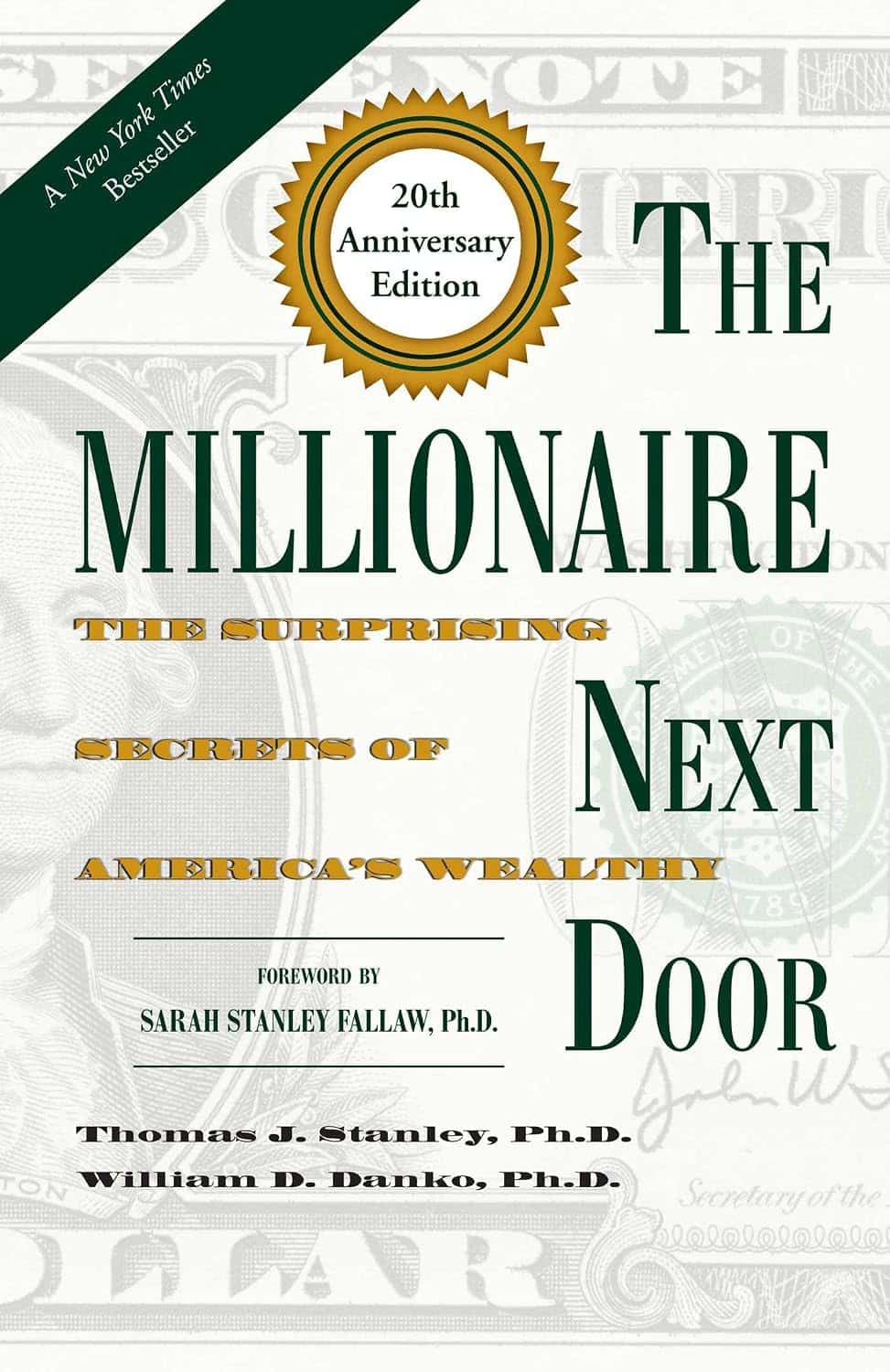
The Millionaire Next Door challenges the idea that wealth shows up with flashy buys or a big paycheck. It focuses on quiet habits that build real, lasting money: living below your means, steady saving, and long‑term investing. If you’ve been chasing a lifestyle of visible success, this book asks you to look closer at what actually compounds wealth over years, not months.
Habits of the affluent
- Live below your means and resist the urge to keep up with the Joneses, example: shop for durable basics and avoid brand-name upgrades each season
- Consistency over bursts of income or windfalls, such as investing the same amount every month regardless of bonuses, is a principle found in many personal finance books that can empower your financial habits.
- Allocate a steady portion of earnings to savings and investments, like 15, 20% directed to retirement accounts or index funds
- Choose durable, long term investments over quick speculative bets, think low-cost ETFs or a diversified mix rather than single high-risk picks
Lifestyle versus wealth accumulation
People in this book often keep modest living standards while building real wealth. The practical test is whether net worth grows even when spending stays reasonable, showing financial security earned through prudent habits rather than luxury purchases.
| Pros | Cons |
|---|---|
| A clear lens on what drives wealth can be found in the best life principles outlined in personal finance books. | Some anecdotes feel dated |
👉 The Millionaire Next Door – Check Price & Availability
Think and Grow Rich by Napoleon Hill
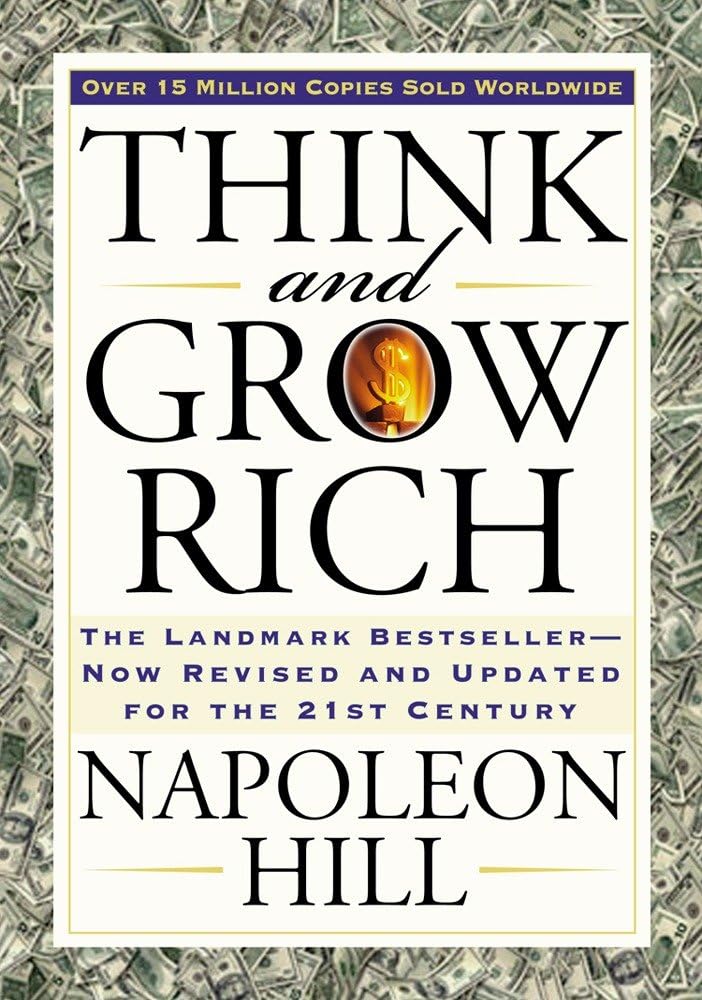
Resetting how you think about money starts with a simple bet: belief plus steady action, which can transform your money mindset. Think and Grow Rich argues that a clear purpose and a persistent mindset guide daily choices toward the financial outcomes you actually want. It’s not luck, it’s a deliberate plan that you commit to every day, even when the going gets slow, reinforcing your beliefs about money.
Foundational mindset principles
- Desire as the starting fuel, not a casual wish
- Faith that your plan can work, reinforced by daily repetition of your intent
- Auto-suggestion to keep your goals front and center during busy days
- Specialized knowledge you actively apply rather than simply hoard can transform your personal finance, much like the lessons from 10 books that changed my financial perspective.
Goal setting and belief systems
- Translate vague dreams into specific, written targets with dates
- Map a visible roadmap with concrete steps and quarterly milestones
- Pair a strong belief in your capacity with disciplined action, even when momentum dips
| Pros | Cons |
|---|---|
| Clear link between mindset and outcomes | Some historical examples may feel old fashioned |
👉 Think and Grow Rich – Check Price & Availability
Nudge by Richard Thaler and Cass Sunstein
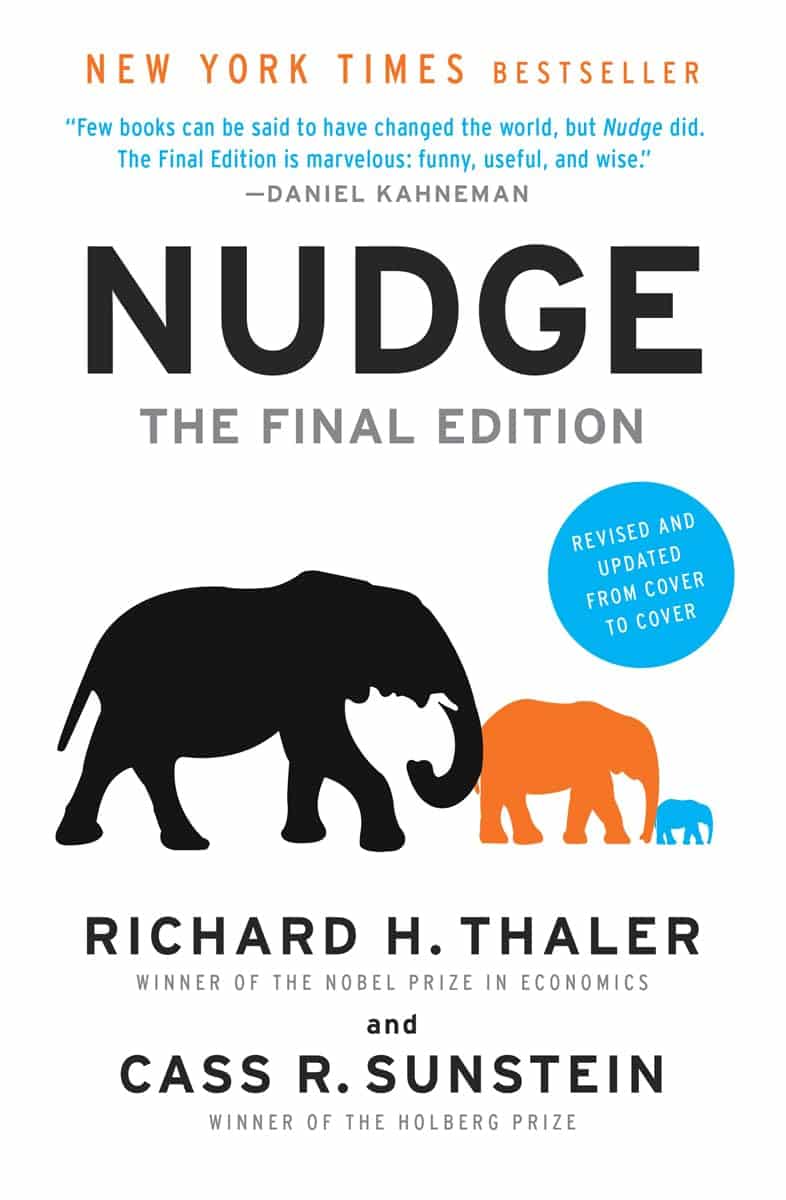
Nudges are small design choices that steer money decisions without locking us in. If you want a gentler push toward better habits, this book lays out the idea in plain terms. It helps explain why we often pick the easy path, even when it isn’t the best for long-term goals, affecting our relationship with money.
Behavioral economics in money decisions
Think about how defaults, phrasing, and social cues shape daily finances. Nudge shows how tiny tweaks can shift spending, saving, and borrowing behavior without banning options or heavy rules, ultimately changing your relationship with money.
- Default options that favor saving can raise account balances over time
- Sorting choices into clear, simple categories reduces decision fatigue and helps in making better financial decisions.
- Social comparisons can motivate better saving but may also backfire if misused
Practical nudges for better choices
Apply these ideas to real life money routines. The goal is to make the right move the easiest move.
- Set automatic transfers to savings right after each payday
- Present debt repayment as a clearly visible, recurring commitment
- Reframe spending as a trade off between now and later to curb impulse buys
| Pros | Cons |
|---|---|
| A simple framework to influence choices around money can lead to better financial outcomes. | Effect can fade if not reinforced |
👉 Nudge – Check Price & Availability
Rich Dad Poor Dad by Robert Kiyosaki
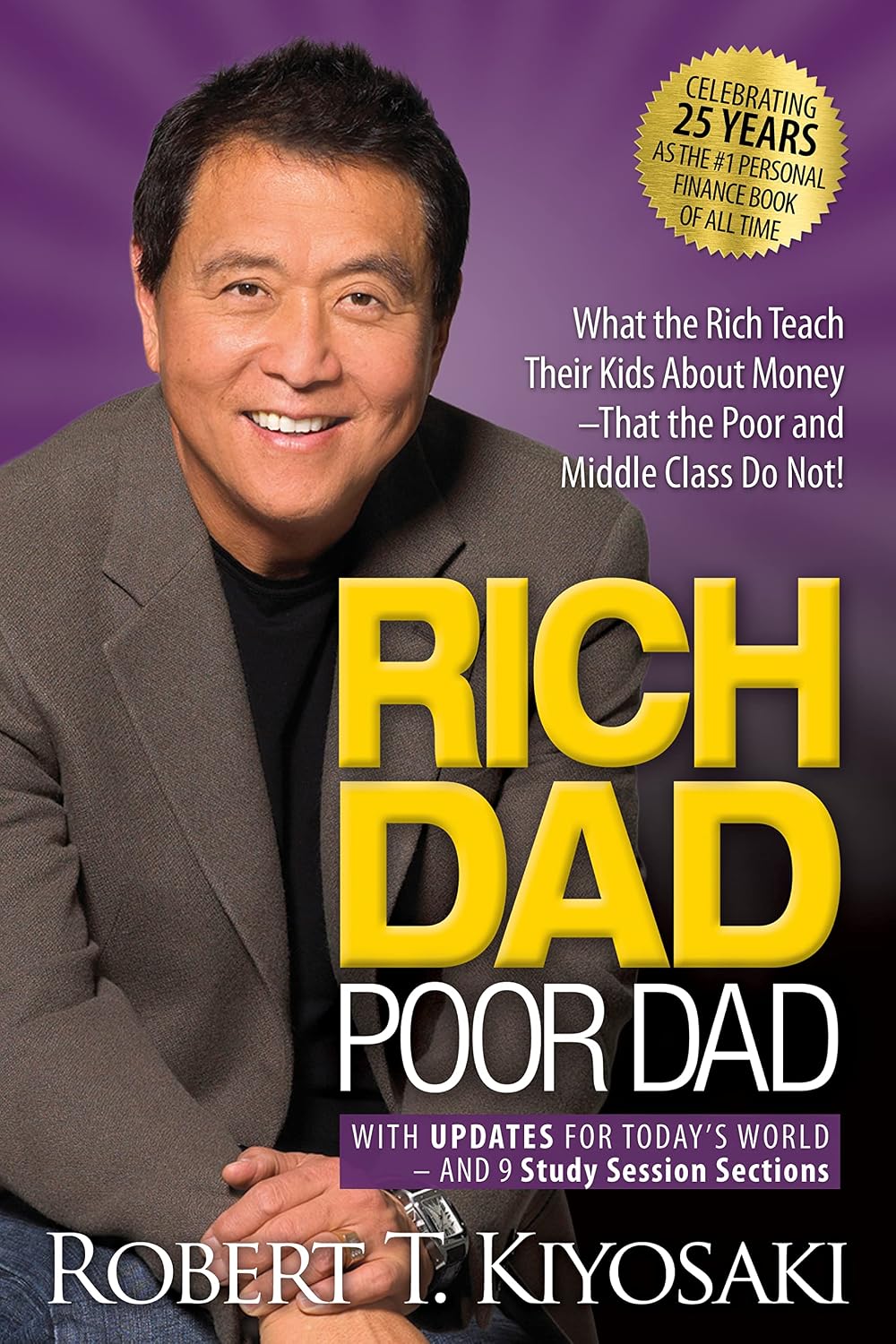
Facing the common tension between how money is taught and how money actually works, Rich Dad Poor Dad reframes what counts as wealth. It helps you question everyday assumptions about income, debt, and assets, guiding you toward a more deliberate financial lens. For a real-world example, think about a paycheck that never quite funds your goals because recurring expenses gobble the margin, making it hard to get rich. The book nudges you to map cash flow, not just net worth, so you can seize opportunities like automating savings or reallocating small, habitual spends toward investments.
Different money paradigms
The book contrasts two mindsets side by side to show how beliefs drive behavior. One side emphasizes security through steady wages, the other pushes toward building assets that generate income. In practical terms, this might mean choosing to invest $200 per month into a diversified index fund or starting a side hustle that scales beyond a single paycheck. Expect a push to rethink what counts as real wealth rather than just a paycheque or a savings balance. A common pitfall is mistaking consumer upgrades for wealth creation; the book encourages you to replace that impulse with a plan to convert cash flow into passive income streams.
Assets vs. liabilities
A core takeaway is the simple rule of thumb: put money into assets that put money back in your pocket. Liabilities may feel like necessities but drain cash over time if not carefully managed. This distinction isn’t just theory; it shapes daily decisions about purchases, investments, and what to finance with debt. To apply it, track every major purchase for 30 days and label it as asset or liability based on whether it generates or preserves value. Consider a used car with a low monthly cost and high reliability as an asset if it frees up time or funds for a more lucrative opportunity, rather than a status symbol that depreciates.
| Pros | Cons |
|---|---|
| Framing money as an active builder of wealth | Some examples feel oversimplified for real life |
👉 Rich Dad Poor Dad – Check Price & Availability
I Will Teach You to Be Rich by Ramit Sethi
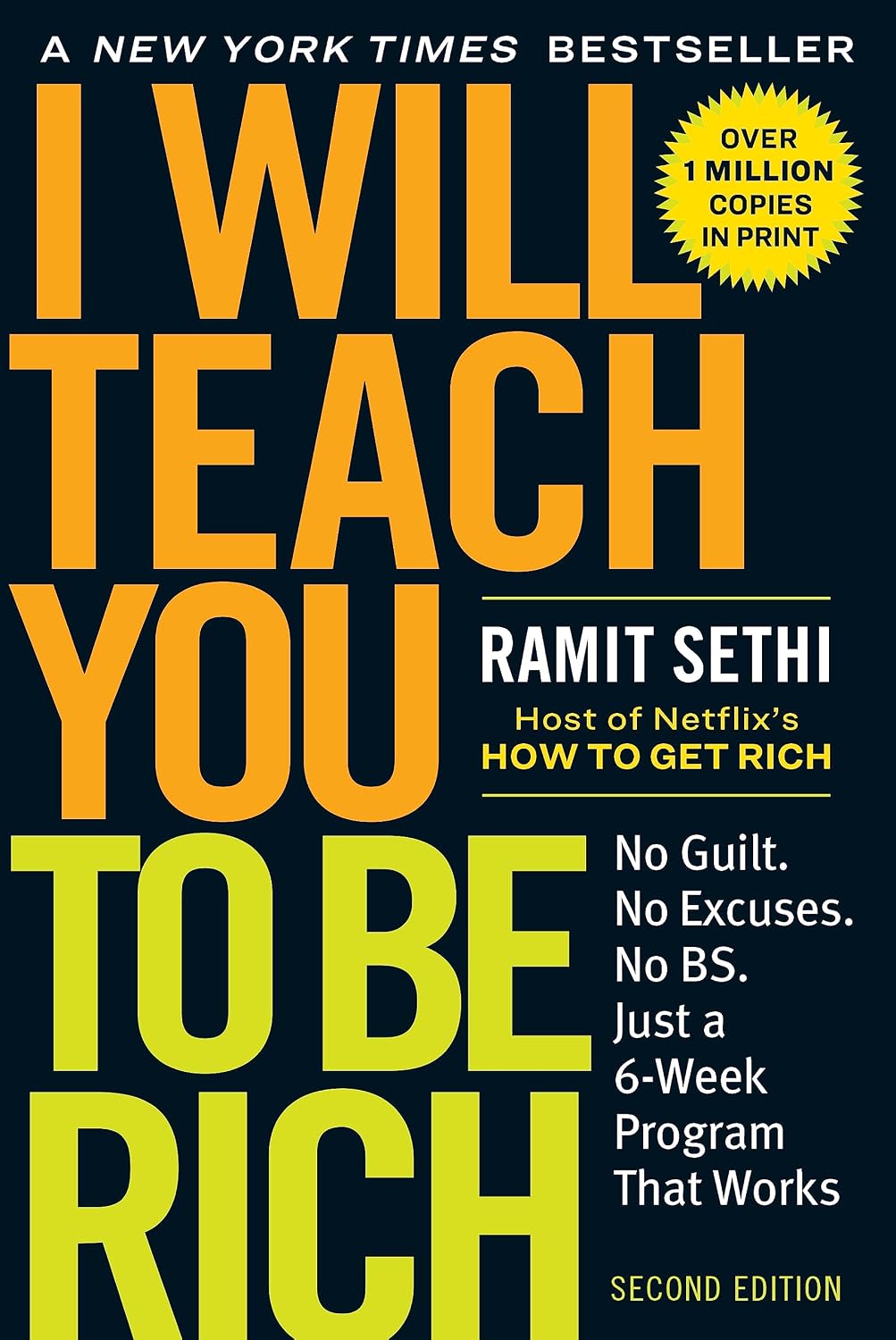
This section helps you answer a simple problem: how do you build real money momentum without sacrificing the rich life you want? I Will Teach You to Be Rich offers concrete systems that aim to be practical, not preachy. The core idea is to set up money habits that actually stick, so your financial picture starts moving in the right direction from day one.
Practical financial systems
Ramit Sethi emphasizes automation and clear rules of thumb to help you transform your money mindset effectively. Expect actionable templates for planning your monthly budget, saving targets, and debt management that don’t require you to watch every dollar fidget. For example, automate transfers to your retirement and emergency funds on the 1st and 15th of each month, and use a simple 50/30/20 guideline to keep flexibility without chaos, empowering your financial journey. The strength here is turning big goals into repeatable routines you can rely on, ultimately helping you explore your path to a rich life.
Balancing spending and saving with lifestyle
The book pushes a simple tradeoff: you can spend on what you love while still saving for the future, an empowering concept from personal finance literature. It argues for conscious spending rather than sheer frugality, pairing tastefully chosen splurges with savings and investing steps. Practical tip: track a 30-day spending diary to identify one recurring waste and reclaim that amount for a high-return goal like investing or a vacation fund, enhancing your personal finance strategy. The tradeoff is that it favors a lifestyle-centric approach over rigid deprivation, which can feel liberating but may require initial setup.
| Pros | Cons |
|---|---|
| Clear automation for saving and investing can help you take control of your financial future. | Requires upfront setup and discipline |
👉 I Will Teach You to Be Rich – Check Price & Availability
FAQ
What is the best way to start building a money mindset to empower your financial future? Begin with small, consistent changes to daily spending and tracking. The idea is to shift behavior before chasing big wins, so you build momentum without overhaul fatigue, which can transform your money mindset.
Do these books replace formal financial education? They complement it. They offer psychology and habit change perspectives that reinforce practical money skills like budgeting, saving, and mindful spending, empowering you to take control of your finances.
Are these books suitable for beginners? Yes, most titles start from foundational ideas and move to actionable steps. Look for ones that explain terms in plain language and avoid jargon.
Should I read more than one book at a time? It’s fine to mix, but avoid overload. Pair a psychology-focused title with a traditional money management guide to balance behavior with technique.
How long does it typically take to apply the concepts? Results depend on consistency. Expect to notice small shifts in your routine within weeks, then bigger changes as you automate habits over months.
Conclusion
The books above map a practical path to reshaping how you think about money. They push you to question habits, spot hidden biases, and turn everyday spending into deliberate money management, inspiring you to take control rather than follow a mindless routine.
Pick your money mindset lineup with a concrete goal in mind to help you get rich. If you want concise behavioral insights, start with The Psychology of Money. If you’re chasing a debt-to-wealth transformation you can actually live, Your Money or Your Life can guide daily choices. For habits that fit real life, The Millionaire Next Door offers steady, repeatable moves.
- Best for rapid behavioral insights: The Psychology of Money
- Best for living within means while pursuing goals: Your Money or Your Life
- Best for long-term wealth routines: The Millionaire Next Door
Remember, the right book depends on how you prefer to change: mindset first, or a concrete plan second. Start with one title, make small, consistent changes, then build from there.