
Why You Feel Broke All The Time
It feels bad when your money runs out fast. Not because of high interest or credit card debt or financial success. You work hard for that money, but you still feel broke all the time. This is a very common problem, and you are not alone in feeling this way. 🤝
In short, this feeling means you need more control over your personal finance. You might be spending too much without realizing it. You might also have stressful obligations, like heavy credit card debt or other high interest debt.
The good news is that you can fix this. You can learn new money management skills. Learning how to plan your money is the start of your debt payoff journey.
We will look at the main reasons why this happens. We will show you simple financial tips to take the first step. This helps you move toward true financial success. 🚀
Expert Insight
“Do not save what is left after spending; instead spend what is left after saving.” (Warren Buffett)
Understanding the Feeling of Being Broke 📉
Feeling broke is confusing. It is not just about how much money you earn, it is about knowing where your money goes. If you do not track your spending, your money just disappears. 💸
Reason 1: You Are Not Tracking Your Spending
This is the main reason people feel broke. They do not have a budget. A budget is simply a plan for your money. 📝
You need to track all money that comes in. You also need to track all money that goes out. If you skip this, you lose control of your personal finance.
Tori Dunlap, who started Her First 100K, talks about this often. She says you cannot make changes unless you know where your money goes. Learning this is the first step in financial education.
Reason 2: Too Much Debt is Taking Your Money
Debt takes away your money quickly. This is especially true for credit card debt and other high interest debt.
When you pay the minimum on a credit card, much of that money pays the interest rate. Only a small part pays the actual debt. This keeps you stuck.
You feel broke because a big part of your income pays old bills. You need a plan to pay down debt.
Planning to pay down debt is a top priority for achieving your financial goals. Dealing with high interest debt first helps you gain financial control faster.
Reason 3: The Problem of Lifestyle Creep
What is Lifestyle Creep? It means you spend more money as you earn more money.
Maybe you got a raise at work. Instead of putting that money toward retirement savings, you buy a nicer car. Or you move to a bigger place. Your expenses grow right along with your income.
You never feel richer this way. You are always using all the money you make. To find financial success, you need to keep your spending habits steady.
Kumiko Love, author of My Money, My Way, shares important financial tips. She says we must focus on small, consistent financial habits every day. These small financial habits help you gain control. 🌟
Expert Insight
“The key to enjoying your success now, and maintaining that standard later, is ensuring your savings rate increases at least as much as your additional spending.” (Financial Strategist)
Taking Control: The Power of a Budget Plan 🎯
The best way to stop feeling broke is to make a simple budget. A budget gives you real control over your money. It helps you decide where your dollars should go. You stop wondering where your money went last month. This is the first step in good personal finance.
How to Make a Simple Money Plan (Budget)
You do not need fancy apps to budget. You just need a simple plan. This plan lists the money you earn and the money you spend. This is a great financial habit to build.
Here are the basic steps for your money plan:
- Find your total monthly income. This is the money you bring home.
- List your fixed expenses. These are costs that are the same every month, like rent or student loans.
- List your variable expenses. These costs change, like food, gas, or fun.
- Subtract all your expenses from your income.
The goal is to have $0 left over, but not because you ran out of cash. This is called a zero-based budget. It means every dollar has a job. You are in control of your money management.
Using the 50/30/20 Rule 💡
Many financial experts recommend the 50/30/20 rule. This rule is an easy way to plan your spending and start saving. Experts like Tori Dunlap or Michelle Singletary often share this simple rule.
It splits your after-tax money into three main groups:
- 50 percent: Needs. This covers things you must have. Think housing, groceries, and minimum payments on debt like personal loans.
- 30 percent: Wants. This is for fun stuff. Examples are eating out, streaming services, or new clothes. You control how much you spend here.
- 20 percent: Savings and Debt Payoff. This is the most important part for reaching financial success.
Focusing on the 20% for Financial Goals
The 20% is where you build future wealth and address high interest debt. This helps you reach your long-term financial goals.
Use this 20% to:
- Start saving for emergencies.
- Aggressively pay down debt, especially credit card debt. This speeds up your debt payoff journey.
- Save for retirement savings. You might put money into a 401k or a Roth IRA.
By following this rule, you take the first step toward lasting financial education and achieving your financial goals. This leads to better money management.
Tackling High Interest Debt 📉
If you feel broke, debt is often the biggest problem. Debt costs you money every day. You need a clear plan to pay off debt. This is your personal debt payoff journey. First, know exactly how much money you owe.
Understanding Different Types of Debt 💡
Not all debt is the same. Some debt is cheaper. For example, a house loan (mortgage) usually has a low interest rate. 🏠 Other debt is very expensive.
Credit card debt often has a high interest rate. This high interest debt costs you the most money over time. Financial experts like Michelle Singletary say you must control this expensive debt. You should focus on the high interest debt first.
These debts often keep people feeling broke:
- 💳 Credit card debt: This has a very high interest rate. It is the most expensive money you borrow.
- 💸 Personal loans: These can also have high interest rates. They are often fixed payments.
- 🎓 Student loans: These are loans for school. You might be able to use an income based repayment plan to make payments easier.
Strategies for Debt Reduction ✨
To pay off debt faster, you need a strategy. This is key to financial success.
You can try two main strategies. They are the debt snowball or the debt avalanche method.
The avalanche method saves you the most money. You pay down debt with the highest interest rate first. This helps you reach your financial goals faster.
Simplifying Payments: Consolidate Debt 🔗
You can also choose to consolidate debt. This means you take out one new, bigger loan. You use that new loan to pay off all your old, expensive personal loans or credit card debt.
This can lower your overall interest rate. It also makes your money management simpler. PBS News often shares financial tips about making a strong money resolution to handle debt.
Taking this first step toward paying off debt is crucial for your personal finance.
Many people, like the experts at Her First 100K, show that aggressive debt payoff is the fastest way to financial success.
Expert Insight
“If the interest rate on your debt is 6% or greater, you should generally pay down debt before investing additional dollars toward retirement.” (Fidelity Financial Experts)
Building Your Savings 🏦 for Financial Success
If you feel broke, you are likely not saving enough money. Saving money gives you peace of mind. It is key to your financial success.
You need to take control of your personal finance. Saving is just as important as paying off high interest debt.
How to Start Saving Today ✨
You need to start saving right away. Even small amounts of money count. Try to save $25 this week. Then save $30 next week. Make saving a part of your budget plan.
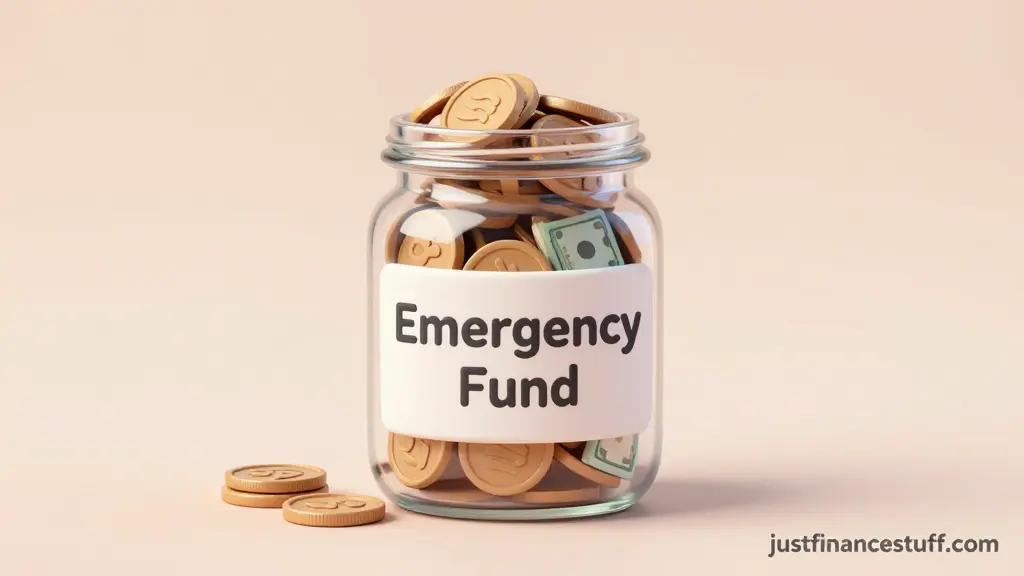
The first step is building an Emergency Fund. This is your safety net. This money is only for big, unexpected bills.
- Car repair 🛠️
- Sudden doctor visit 🩹
- Unexpected travel ✈️
If you do not have this fund, unexpected costs can force you back into credit card debt. This stops your progress toward financial success.
Saving for Retirement and Future Money 👵👴
It is never too early to think about retirement savings. This is money you put away today. You use this money when you stop working years later.
You must learn about these special accounts. They help your money grow faster because of tax rules. This is part of good financial education.
Many jobs offer a 401k account. A 401k is great because your employer often adds free money to it. Always put in enough to get this match! This is a great way to start your money management.
Other important options are the IRA (Individual Retirement Arrangement). This includes the Roth IRA and the Traditional IRA. A financial counselor can help you decide which type of IRA is best for your financial goals.
If you have a high-deductible health plan, look at a Health Savings Account (HSA). This account offers amazing tax advantages while you save. Saving for retirement is a major money resolution.
Good Financial Habits Help You Control Your Money 💡
Getting better financial habits takes time. It is a journey. You must keep learning about money management. This is called financial education. It helps you stop feeling broke.
Top Financial Habits to Start Today
Use these simple habits to take control of your money and reach your financial goals:
- Pay Yourself First: Set up automatic savings. This moves money right into your savings account after payday. You pay yourself first before you pay bills.
- Check Your Budget: Look at your budget once a month. See if you stayed on your plan. Adjust your spending as needed.
- Track Every Penny: Those little purchases, like daily snacks, add up fast. Tracking helps you learn where your money goes.
Advice from Financial Experts and Coaches
Financial expert Michelle Singletary often says you must live below your means. This means spending less money than you earn. This is a crucial step for long-term financial success.
Kumiko Love teaches practical ways to pay down debt. She helps people create a detailed budget and stick to their debt payoff journey.
Tori Dunlap runs the platform Her First 100K and the podcast Financial Feminist. She says you must take the first step. Do not be scared to look at your bank account.
Setting Clear Financial Goals
You can find excellent financial tips from many places. PBS News and The Washington Post often interview top figures in personal finance. For example, Pew Research shows many people set a money resolution every year.
Setting clear financial goals helps you stick to your plan. A goal might be saving $500. Another goal might be starting your debt payoff journey for your credit card debt.
| Budgeting Method | Needs (Housing, Bills) | Wants (Fun, Non-Essentials) | Savings & Debt Payoff |
|---|---|---|---|
| 50/30/20 Rule | 50% | 30% | 20% |
| Zero-Based Budgeting | Varies (Must be Planned) | Varies (Must be Planned) | Varies (Every dollar is planned) |
| Pay Yourself First | Varies (After Savings) | Varies | Fixed Amount First |
The ultimate goal is to stop feeling broke. You reach this by having a clear plan and taking control of your money.
This includes working hard to pay down debt, especially high interest debt. It also means consistently working to start saving for your future. Think about saving for retirement savings in accounts like a 401k or an IRA. This is how you achieve financial success.
You have the power to change your personal finance story.
Common Questions About Getting Control ❓
You have questions about debt and saving. That is good. Learning the answers helps you take the first step toward financial success.
What is the fastest way to pay off debt?
Attack your highest interest rate debt first, like credit card debt or high-cost personal loans. This is the Debt Avalanche method for your debt payoff journey.
Should I save or pay off debt first?
Do both. First, build a small emergency fund. Then, pay off debt aggressively while you start saving for retirement savings in a 401k or IRA.
What is a good money resolution for 2026?
A great money resolution for your New Year goals is to make a simple budget plan. Stick to this plan for three months to build strong financial habits.
How can I get financial tips from experts?
You can learn from financial counselor professionals like Kumiko Love or Tori Dunlap. Also check resources like PBS News and The Washington Post for financial education.
What are the benefits of a Roth IRA?
A Roth IRA is a great way to save for retirement savings. Your money grows tax-free, and you pay no taxes when you take it out later.