There’s a shocking reality you need to face a recent LendingClub survey found that 60% of U.S. adults are living paycheck to paycheck and lack of strong financial foundation. they dont have strong financial foundation And that includes more than four in 10 high-income earners who are focusing on their credit utilization. Yes, you read that right… even people making good money can’t seem to get ahead. Building a solid financial foundation isn’t rocket science, but it does require you to master two simple principles: owning more than you owe to create a positive net worth and having more money coming in than going out for positive cash flow.
How do you actually get organized?
Building a personal balance sheet is where you’ll start – list everything you own like bank accounts and home value on one side, then stack up what you owe like student loans and credit card debt on the other. Grab a budget template to track your weekly cash flow, and request your free credit reports from TransUnion, Experian, and Equifax to catch any errors that might be dragging you down.
Making sense of your personal balance sheet
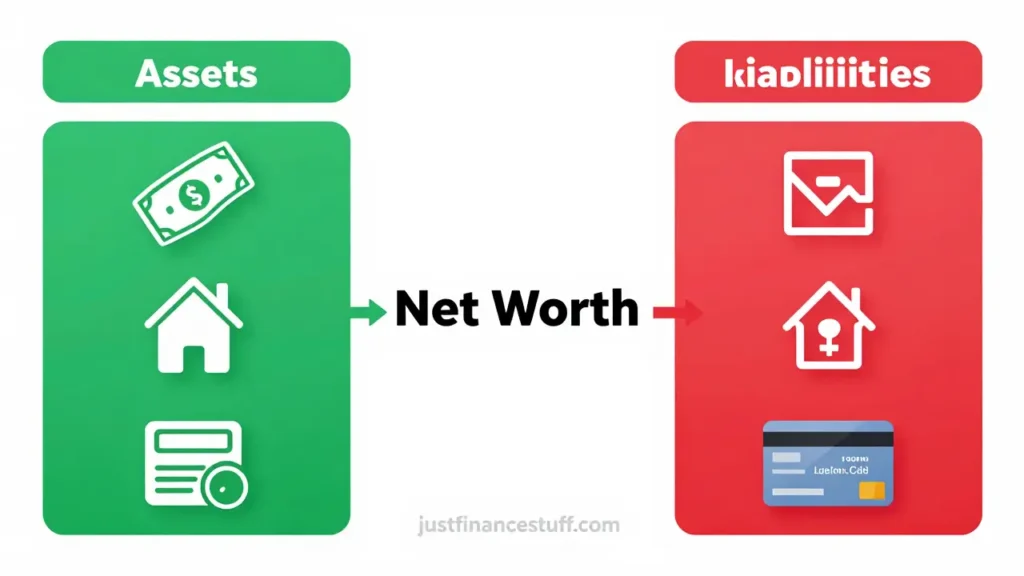
Your personal balance sheet isn’t complicated – it’s just a snapshot of where you stand financially right now. Assets go on the left (what you own), liabilities on the right (what you owe), and the difference between them shows your actual net worth… which might be scary at first, but at least you’ll know the truth.
Why you’ve got to check your credit health
Use up and down arrow keys to resize the meta box pane.
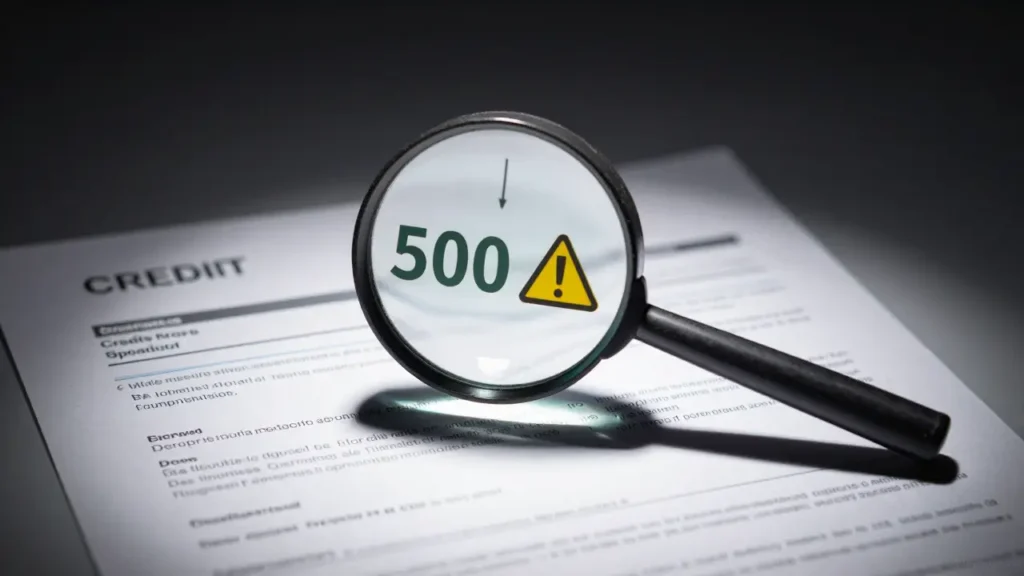
Credit reports from TransUnion, Experian, and Equifax are yours for free, and you need to grab all three because errors happen more often than you’d think. Mistakes on your credit report can cost you thousands and significantly impact your financial life. In higher interest rates or even prevent you from getting approved for loans when you really need them, which is why a credit union can be a helpful resource.
So many people skip this step and wonder why they’re getting rejected for credit cards or quoted insane interest rates on car loans. The thing is, credit reporting agencies aren’t perfect – they’re dealing with millions of data points and sometimes your information gets mixed up with someone else’s, or an old debt you already paid off still shows as active. You’ve got the right to dispute any errors you find, and fixing them can boost your credit score by 50 points or more in some cases. And because each of the three major bureaus – TransUnion, Experian, and Equifax – might have slightly different information about you, checking just one isn’t enough. Pull all three reports, go through them line by line, and challenge anything that looks wrong because your financial future literally depends on what’s written in those reports.
Why You Seriously Need to Protect Yourself
Financial security isn’t just about making money – it’s about protecting what you’ve built from life’s inevitable curveballs, while also planning for saving for retirement. An emergency fund is a must-have to keep you afloat during job loss or setbacks without dipping into debtThat’s just the starting point for a strong financial future. You’ll also need proper insurance coverage and legal protections in place as part of your financial plan to safeguard your financial life.
Building Your Emergency Fund Safety Net
Starting your emergency fund doesn’t have to be overwhelming, even if you’re beginning with just $20 per paycheck in your checking account. This financial cushion keeps you from relying on credit cards when unexpected expenses hit, whether that’s a sudden job loss, medical emergency, or major car repair. Set up automatic transfers to a separate savings account so you won’t even miss the money while you start building your financial picture.
Sorting Out Your Insurance and Estate Plans
Reviewing your insurance coverages like health, auto, and life is imperative to limit out-of-pocket costs when disasters strike, having an emergency fund is a crucial step toward maintaining financial security. Don’t wait until you need it to discover you’re underinsured. You should also consult an attorney to create an estate plan for your heirs, no matter how young you are.
Getting your legal affairs in order might sound morbid, but it’s one of the most caring things you can do for your family. An estate plan ensures your assets go where you want them to go and can save your loved ones from messy legal battles during an already difficult time. And when it comes to insurance, you need to actually read those policy documents – yeah, they’re boring, but knowing exactly what’s covered (and what isn’t) can save you thousands when you file a claim. Most people discover they’re underinsured only after it’s too late, so schedule a review with your insurance agent at least once a year to make sure your coverage still matches your current situation.
Let’s Talk About Killing High-Interest Debt
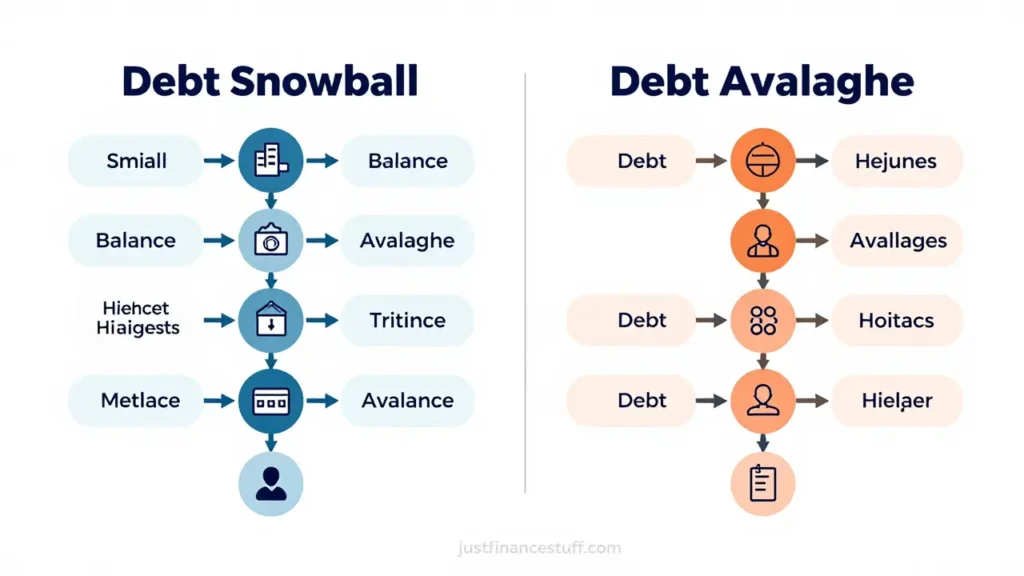
Paying interest on borrowed money stops you from reaching your financial goals, plain and simple. You should prioritize paying down high-interest revolving credit card debt before anything else to improve your financial picture. Strategies like the debt snowball or debt avalanche can help you get started, or you can consolidate multiple loans to simplify payments. Check out this guide on Five steps to building a strong financial foundation are essential for achieving long-term financial security. for more insights.
Picking a Debt Repayment Strategy That Sticks
Choosing between the debt snowball and debt avalanche methods really comes down to what motivates you personally in your financial journey. The snowball approach has you tackle smallest balances first for a strong financial future. quick psychological winsWhile the avalanche method targets highest interest rates to save more money long-term, the snowball method can help improve your credit utilization. Both work – you just need to pick the one you’ll actually stick with month after month to achieve your savings goals.
The Real Deal on Debt Consolidation
Consolidating multiple loans into one payment sounds amazing… and sometimes it actually is. You’re basically combining all those different credit card balances into a single loan with one interest rate is often a step toward improving your financial situation. and one due date. Just make sure the new rate is actually lower than what you’re paying now, otherwise you’re not really helping yourself in your financial situation.
Debt consolidation works best when you’ve got several high-interest debts stressing you out. Personal loans or balance transfer credit cards (the ones with 0% intro APR periods) can give you breathing room to actually make progress in your money management. But here’s the catch – if you don’t change your spending habits, you’ll just rack up more debt on those newly cleared credit cards. Consolidation is a tool, not a magic fix. You’ve got to commit to not adding new charges while you’re paying down the consolidated balance. Some people even freeze their credit cards (literally, in a block of ice) to avoid temptation during this phase.
What are your big financial goals, honestly?
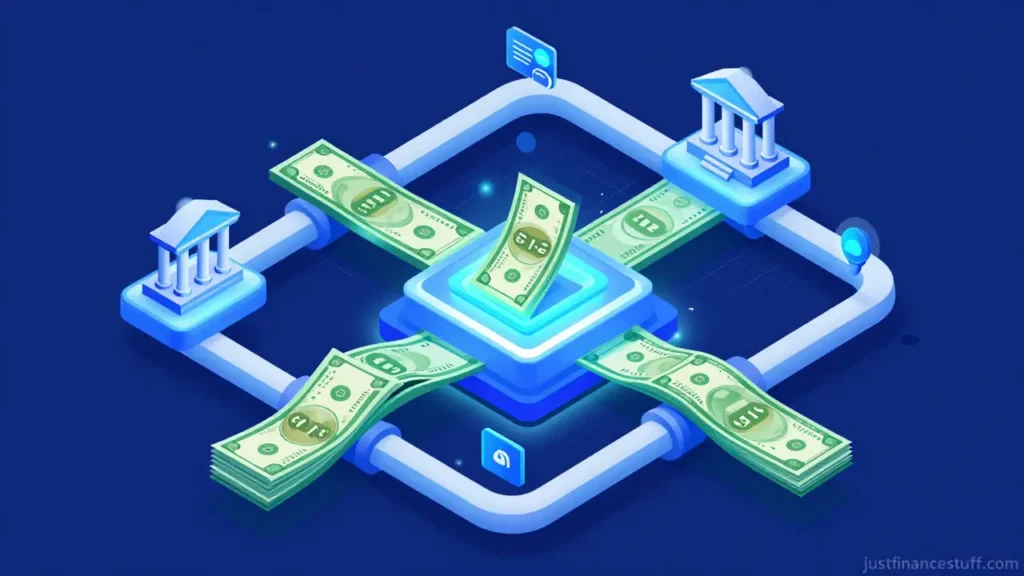
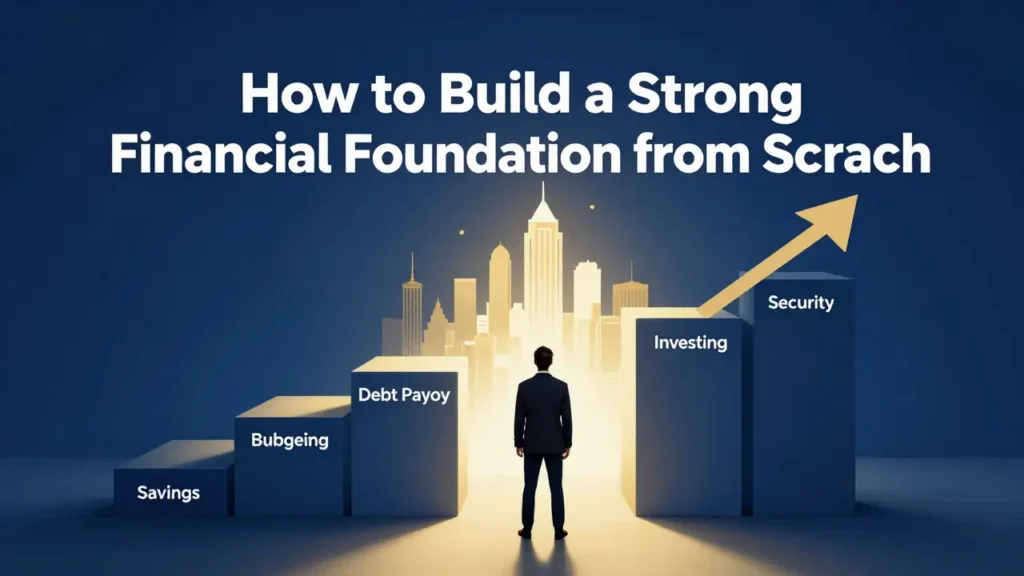
Your financial roadmap needs three to six months of living expenses in emergency savings, plus consistent contributions to retirement accounts – especially if your employer offers a match. Beyond that, you’re looking at building a home down payment fund, developing real investment knowledge, and creating a second stream of income can be an effective part of your financial plan for achieving greater financial stability. that actually works.
Nailing down your short-term wins
Short-term goals keep you motivated when building wealth feels like watching paint dry, especially when you’re saving for retirement. Employer retirement matches are literally free moneySo start there while simultaneously building that emergency fund as part of your financial plan for a strong financial future. These quick wins create momentum and prove you can actually stick to a financial plan.
Planning for the long-term future
Long-term thinking separates people who retire comfortably from those who don’t. Saving for a home down payment takes years of discipline, but it’s how you build real equity. Learning to invest with confidence – not just throwing money at random stocks – sets you up decades ahead.
Building a second income stream isn’t just trendy advice from finance gurus… it’s become pretty much necessary in today’s economy. Whether you’re freelancing, starting a side business, or investing in dividend-paying assets, that extra cash flow protects you when life throws curveballs. And it will. The people who weather financial storms best aren’t the ones with the highest salaries – they’re the ones with multiple income sources and solid investment knowledge. So yeah, it takes time to develop these skills, but starting now means you’ll have years of compound growth working in your favor instead of against you.
Here’s How to Put Your Plan into Action
Creating a Budget That Actually Works
Stop the cycle of living paycheck to paycheck by using your balance sheet to create a realistic budget based on your actual income and expenses. Your budget shouldn’t feel like a straightjacket – it needs to reflect what’s really happening with your money, not some idealized version of your spending.
The Magic of Automating Your Money
You can make life easier by automating your savings transfers and bill payments so you never miss a due date. Setting up automatic transfers takes about five minutes but saves you hours of mental energy every month towards your savings goals.
Think about it – how many times have you paid a late fee simply because you forgot a due date? Automation removes that problem completely, helping you start building a solid financial journey. Your savings account grows without you lifting a finger, and your bills get paid on time every single time. Banks and credit card companies love charging late fees (they made over $12 billion from them last year), so why give them free money when you could be building an emergency fund instead? Set up automatic payments for fixed expenses like rent, insurance, and subscriptions. Schedule automatic transfers to your savings account right after payday, before you have a chance to spend that money. The beauty of this system is that it works even when you’re busy, stressed, or just plain forgetful. And here’s the best part – you’ll actually start to forget about these payments because they just… happen. That mental freedom alone is worth the setup time.
Conclusion
With this in mind, building a financial foundation takes focus and planning, but you don’t need to feel overwhelmed by the financial stress of the process. Following a step-by-step approach builds the momentum you need to keep going. Sticking to your plan will give you the confidence to create greater financial well-being for yourself and your family.
FAQ
Q: How long does it actually take to build a strong financial foundation if I’m starting from zero?
A: There’s no magic timeline here, and honestly that’s probably not what you want to hear. But here’s the truth – you can get the basics in place within 3-6 months if you’re focused. That means creating your budget, opening a high-yield savings account, and starting to chip away at high-interest debt. The real foundation building though? That’s more like a 2-3 year journey for most people starting from scratch on their financial journey.
Q: What if I can barely make ends meet right now – can I still build a financial foundation?
A: Yes, but it’s going to look different than someone who has extra cash lying around. And that’s okay. When money is super tight, your financial foundation starts with awareness and small adjustments, not big dramatic changes. Start by tracking every single dollar for one month. Just track it – don’t judge yourself, don’t try to change anything yet. You might discover you’re spending $60 a month on subscriptions you forgot about, or that your grocery bill is way higher than you thought. These discoveries are gold because they show you where even $20-50 might be hiding, helping you take steps to building a strong financial situation.
Q: Should I focus on paying off debt first or building my emergency fund first?
A: This is the question that keeps people up at night, right? The answer is… both, but in a specific order that might surprise you. Here’s what actually works for most people: Save $1,000 for emergencies first, even if you have debt. Just get that small cushion in place as fast as you can. Why? Because without any emergency money, the second your car breaks down or your kid needs urgent dental work, you’re going right back into debt, adding to your financial stress.