

Have you ever looked at a green piece of paper in your hand and wondered why it can buy you a yummy pizza? It is just paper, right? Well, money is actually one of the coolest inventions in history! It is like a magic tool that helps everyone get what they need without having to carry around heavy bags of apples or chickens to trade. 🍕
We are going to peek behind the curtain. We will see where money comes from, why it has value, and how it moves around the world. You will learn how it changed from heavy gold to numbers on a phone screen. Let’s dive in!
The Basics of How Money Actually Works
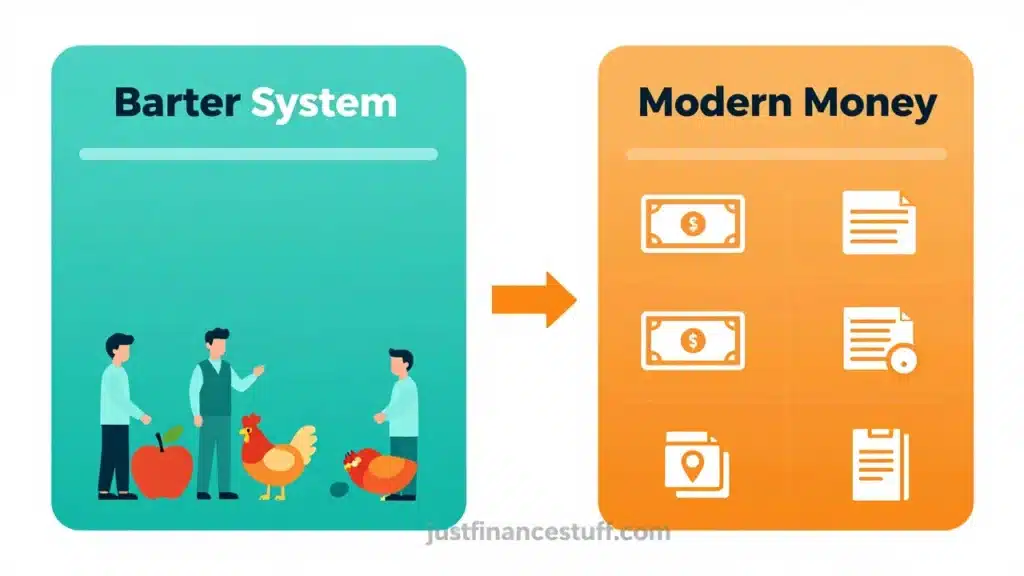
Money is a medium of exchange that simplifies trade. Unlike inefficient barter systems, standardized coins or paper money allow for instant transactions. Whether buying groceries or digital apps, this trusted tool provides the stability necessary for modern society to function efficiently. 📱
Understanding Money Creation and the Federal Reserve
The Federal Reserve and government manage the money supply to ensure economic stability. By regulating currency production, they control inflation and preserve purchasing power. This process generates seigniorage profit while maintaining the dollar’s long-term value through strategic monetary policy. 🏦📈
The Relationship Between Debt and Money
Most money is actually debt; over 90% of circulation exists as electronic bank entries created through loans. When you deposit funds, banks leverage that asset to finance others. While credit makes people may feel richer, they must eventually get paid to settle these obligations.
How Banking Systems Influence Money Flow
Banks drive growth via fractional reserve banking, lending most deposits to investors while keeping small reserves. This system facilitates essential modern money flow. By securing every transaction and maintaining fiduciary trust, banks ensure your digital payments remain instant and safe across the global economy. 🔒
The Impact of Central Banks and Monetary Policy
Central banks manage supply and demand by adjusting interest rates to control inflation. Since 1971, fiat currency lacks a gold standard; it isn’t redeemable for gold or silver. Instead, the economy relies on government trust to back the perception of money’s value. 🏛️
How Inflation and Money Supply are Connected
Inflation occurs when the money supply outpaces production, eroding purchasing power. To maintain value, money must remain scarce. Historically, currencies evolved from commodities like grain to fiat and digital systems, serving as efficient mediums of exchange for global trade and future investment.
| Type of Money | Examples | Why We Use It |
|---|---|---|
| Commodity Money | Gold, Salt, Cattle | It has its own value. |
| Fiat Currency | U.S. Dollar, Euro | The government says it is money. |
| Cryptocurrency | Bitcoin | Digital and private exchange. |
The Fundamentals of How Money Actually Works
Money is a universal medium of exchange that replaces inefficient barter systems. By acting as a trusted unit of account, it allows us to price goods and services easily. This shared perception of value simplifies finance and keeps the global economy moving efficiently. 🤝
How Money Has Evolved Over Time
Historically, commodity money like grain or shells held intrinsic value. This evolved into portable gold and silver coins under the gold standard. Today, we use fiat currency; this paper money lacks physical backing but functions through government decree and public trust. 🪙🏛️

Understanding Money Creation and the Federal Reserve
The Federal Reserve manages U.S. economic policy by controlling the money supply. By regulating currency circulation and interest rates, they combat inflation to preserve purchasing power. Their primary goal is maintaining stability, ensuring a healthy economy for businesses and consumers alike. 💵
The Relationship Between Debt and Money
Most money is actually debt created when banks issue loans. Over 90% of global currency exists as digital transactions rather than physical cash. While this credit-based system fuels business investment, excessive borrowing risks instability if everyone attempts to redeem their balances simultaneously. 💳💻
How Banking Systems Influence Money Flow
Banks drive the economy through fractional reserve banking. By keeping only a small substitute of your deposit and lending the rest to an investor, they multiplies the money supply. This system enables instantly global trade, helping produce greater wealth and connectivity worldwide. 🏦📈🌐
How Inflation and Money Supply are Connected
Inflation occurs when the money supply outpaces production, driving prices higher. Since the 1971 shift from the gold standard, governments can issue currency freely. However, over-printing causes money to lose value, making balanced supply and demand essential for a stable economy. ⚖️
The New World of Digital Money
Today, cryptocurrency acts as a digital asset for investment. Unlike fiat currency, this virtual code allows participants to exchange value without a bank. Ultimately, money relies on trust; it is the agreed-upon tool enabling modern businesses to grow and function globally. 🚀
How Money Has Evolved Over Time
Money evolved from barter and commodity systems, like shells or gold, into portable, durable fiat currency. Today, government-backed paper and digital systems serve as a standard medium of exchange, streamlining global trade by replacing physical goods with recognized, scalable value.
| Type of Money | Examples | Why it was used |
|---|---|---|
| Barter | Trading cows for wheat | No money existed yet |
| Commodity | Shells, salt, gold | The items had their own value |
| Fiat Currency | Paper bills, digital coins | The government says it has value |
Fundamentals of How Money Actually Works
Money flow is the economy’s lifeblood. You earn income through work and spend it on goods, creating a continuous cycle. This circulation sustains healthy markets. Whether buying snacks or engaging with platforms like Google and YouTube, your transactions drive the global exchange of value. 🔄
Understanding Money Creation and the Federal Reserve
The Federal Reserve manages the U.S. money supply through economic policy to ensure stability. By adjusting interest rates and currency issuance, they balance supply and demand. This oversight protects purchasing power and prevents inflation from making your money worthless as prices rise. 🏦📈
Relationship Between Debt and Money
Nearly 90% of money originates as debt created through bank loans. This fiduciary system relies on public trust and government backing. By treating debt as a promise of future goods and services, the economy grows through immediate investment in new ideas. 🚀
How Banking Systems Influence Money Flow
Commercial banks use fractional reserve banking to lend out deposits, keeping only a small fraction in reserve. This process expands the money supply and enables instant electronic payments. By issuing loans, banks create new assets that fund businesses and homes, driving economic growth and trade.
Impact of Central Banks and Monetary Policy
The Federal Reserve manages the money supply by trading securities. Since the gold standard ended in 1971, money is no longer redeemable for gold and silver. Today, economic policy stabilizes value over time, curbing inflation to ensure profit remains reliable for essential needs. 🏛️
How Inflation and Money Supply are Connected
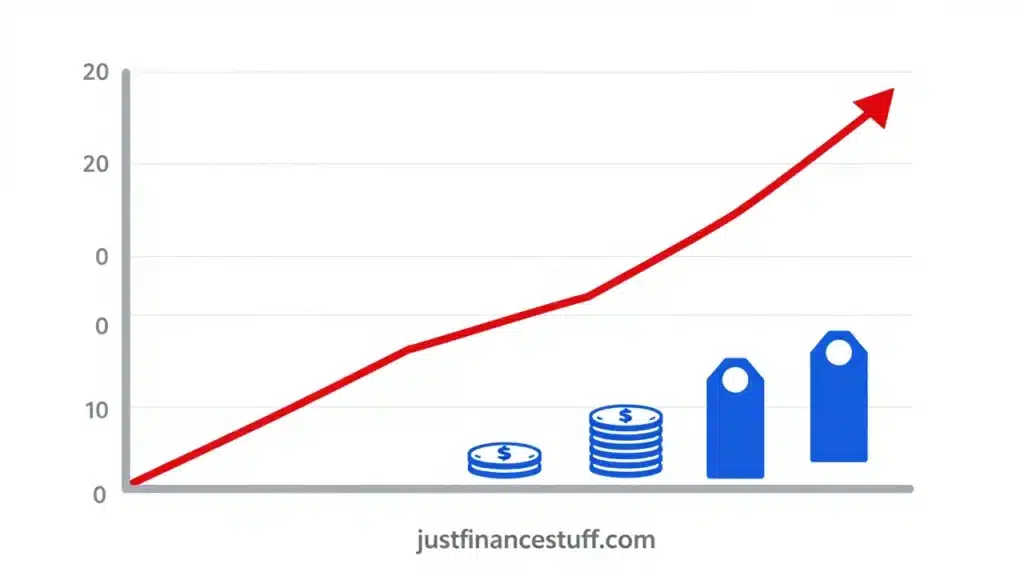
Inflation occurs when the money supply outpaces production, eroding purchasing power. When too much currency chases limited goods, prices spike. Governments manage supply and demand to prevent hyperinflation, ensuring economic stability while businesses leverage data to navigate shifting market values effectively. 📉
Understanding Money Creation and the Federal Reserve
The Federal Reserve manages the money supply to ensure economic stability. By balancing fiat currency, debt creation, and banking circulation, they control inflation. Modern money relies on societal trust and digital transactions rather than physical commodities like gold.
The Relationship Between Debt and Money
Most modern money enters the economy as debt through bank loans.
How Banking Systems Influence Money Flow
Banks facilitate trade by lending deposits, increasing circulation and market liquidity.
How Inflation and Money Supply are Connected
Excessive money supply devalues currency, causing inflation and rising prices for goods.
| Type of Money | What Backs It? | Is it Easy to Carry? |
|---|---|---|
| Commodity Money | Gold and silver | No |
| Fiat Currency | Government promise | Yes |
| Cryptocurrency | Computer code | Yes |
The Relationship Between Debt and Money
Over 90% of modern money exists as debt. When you deposit funds, a bank retains a fraction and lends the rest. This fiduciary system allows a market participant to invest, fueling society unless everyone tries to redeem their cash simultaneously. 📈
How Banking Systems Influence Money Flow
Banks drive the economy through fractional reserve banking, holding only a small asset portion of deposits as reserves. By lending the remainder, they expand the money supply and facilitate trade. Digital interface tools like mobile apps display this purchasing power instantly. 🏦📱
How Inflation and Money Supply are Connected
Excessive money supply triggers inflation, reducing purchasing power as currency outpaces goods and services. Driven by supply and demand, over-printing by the government can devalue money. Maintaining stability requires disciplined economic policy to prevent currency from becoming worthless. 📉
The Role of Central Banks and Monetary Policy
The Federal Reserve manages the money supply through monetary policy to stabilize the market and fiat currency. By regulating interest rates, they ensure money allows for efficient trade, replacing ancient barter systems like cattle with reliable, modern mediums of exchange.
| Type of Money | What is it? | Example |
|---|---|---|
| Commodity Money | Items with intrinsic value. | Gold or silver |
| Fiat Currency | Government-decreed legal tender. | Paper money |
| Modern Money | Digital assets and balances. | Electronic bank balance |
How Banking Systems Influence Money Flow
Banks act as financial hubs, securing digital assets and enabling instant global payments. Through fractional reserve banking, they expand the money supply, providing essential loans that facilitate economic growth. This vital system connects investors with capital, ensuring wealth circulates efficiently throughout society.
| What Banks Do | How It Helps You |
|---|---|
| Store your asset | Keeps your money made safe. |
| Lend to others | Drives the economy via debt. |
| Provide apps | Enables instant trade anywhere. |
How Inflation and Money Supply are Connected
Inflation occurs when the money supply outpaces goods, reducing purchasing power. Central banks manage this via interest rates to ensure stability. Because modern fiat currency lacks physical backing, its value relies entirely on societal trust and balanced economic policies to maintain long-term trade efficiency.
| Action | What Happens? |
|---|---|
| Excess Printing | Inflation (Higher Prices) |
| Good Balance | Economic Stability |
“Money is a collective agreement. It only works because we all decide to play by the same rules every single day.”
The Move to Digital Money and Cryptocurrency
Modern finance is shifting from physical coins to digital assets like cryptocurrency and mobile apps. These tools enable instant, decentralized transactions without traditional banks. While fiat currency replaced the gold standard in 1971, digital exchanges now dominate the global market. 💻

Role of Currency and Digital Money
Money evolved from physical commodities like grain to digital assets. Today, it functions as a trusted medium of exchange for goods and services. By replacing inefficient barter systems, modern currency provides a portable, reliable way to facilitate trade, build wealth, and invest in the future. 🚀
Common Questions About How Money Actually Works
Central banks manage the money supply to prevent inflation. Today, most currency is digital, functioning as a convenient medium of exchange despite lacking physical form.
Is digital money real money?
Yes, electronic balances are valid currency, enabling instant, global transactions through modern banking apps.
What makes gold and silver so special?
Historically, their durability and scarcity defined value. Modern fiat currency replaced this metal-backed system in 1971.
How do banks make money and help the economy?
Banks stimulate growth by lending deposits to borrowers, earning profit through interest on those loans.
| Type | Description | Primary Benefit |
|---|---|---|
| Commodity | Items like salt or grain. | Inherent utility. |
| Metal | Gold or silver coins. | Durability and portability. |
| Paper | Government-issued notes. | Lightweight legal tender. |
| Digital | Electronic bank records. | Instant global exchange. |