
Money mistakes can cost you thousands of dollars over your lifetime, but you can learn to avoid them right now. Many people struggle with money management because of behavioral patterns, social influences, or simply a lack of direction can contribute to avoiding common money mistakes. in their lives. Understanding why we make financial mistakes is the first step toward prevention, and this guide will show you exactly how to protect your hard-earned cash.
Why Do We Actually Mess Up Our Money?
You didn’t wake up one day and decide to be bad with money – but here you are, wondering where your paycheck went. The truth is, most of us never learned how to handle money properly because schools don’t teach it. Your emotions play tricks on you when you’re stressed or excited. Your neighbors seem to have everything, so you feel like you need it too. And let’s be honest… talking about budgets and retirement sounds super boring when there’s Netflix to watch.
The School System Didn’t Teach Us This Stuff
Schools prepared you for algebra tests but not for your first credit card. Most adults leave school without knowing how to budget, invest, or even understand interest rates. You learned about historical dates but not about compound interest. That’s why so many people feel lost when bills start piling up.
Your Brain Is Sabotaging Your Bank Account
Fear, greed, and stress are secretly controlling your wallet right now. Emotional decision-making drives you to make poor financial choices without even realizing it. You panic-sell investments when the market dips or splurge on shopping when you’re feeling down.
Your brain wasn’t designed for modern money problems. When you’re stressed about bills, your brain goes into survival mode and makes you want quick fixes instead of smart long-term plans. That fancy coffee or impulse Amazon purchase? That’s your stressed brain looking for a tiny dopamine hit. Greed makes you jump into risky investments because your coworker bragged about their crypto gains, a pitfall that often leads to common financial mistakes. Fear keeps you from investing at all because “what if I lose it all?” These emotional reactions happen automatically, and they’re costing you thousands of dollars every year.
Trying To Look Rich For The Neighbors
Social pressure to “keep up with the Joneses” is draining your bank account faster than anything else. You see friends posting vacation photos and suddenly feel like you need that trip too. Your neighbor got a new car, so your perfectly good one feels embarrassing now, but remember that financial health is more important than appearances.
This comparison game is absolutely brutal on your finances and can lead to financial strain. You buy the latest gadgets not because you need them, but because everyone else has them. You book lavish vacations you can’t afford just to post the photos online. The worst part? Those neighbors you’re trying to impress are probably drowning in debt too, just hiding it better. Studies show that people overspend by thousands each year just to maintain appearances. That designer handbag or expensive dinner out might make you feel successful for a moment, but it’s pushing actual financial success further away from your long-term financial goals.

Putting Off The “Boring” Money Talk
Procrastination is quietly destroying your financial future while you avoid looking at your bank account. You keep telling yourself you’ll create a budget “next month” or start investing “when you have more money.” Avoiding financial planning feels easier than facing the numbers.
Every day you delay financial roadmapping, you’re losing money and opportunities. That retirement account you haven’t opened yet? It could’ve been growing for years already. The budget you haven’t made? It would’ve saved you from overdraft fees and late payments. Procrastination feels safe because you don’t have to face uncomfortable truths about your spending habits. But this avoidance creates long-term economic instability that gets harder to fix as time passes. The “boring” money talk you’re avoiding today becomes the financial crisis you’ll face tomorrow. And fixing a crisis is way more stressful than preventing one.
Here’s the real deal on why your budget isn’t working
Your budget keeps failing because you’re making the same money mistakes to avoid that everyone makes when they start out. Tracking every dollar using apps or spreadsheets is the foundation of managing cash reserves properly. Living beyond your means and relying on credit cards is a common factor in financial trouble that spirals fast. You need to save for emergencies – aim for three to six months of expenses – and stop ignoring tax planning.
Losing track of the small daily purchases
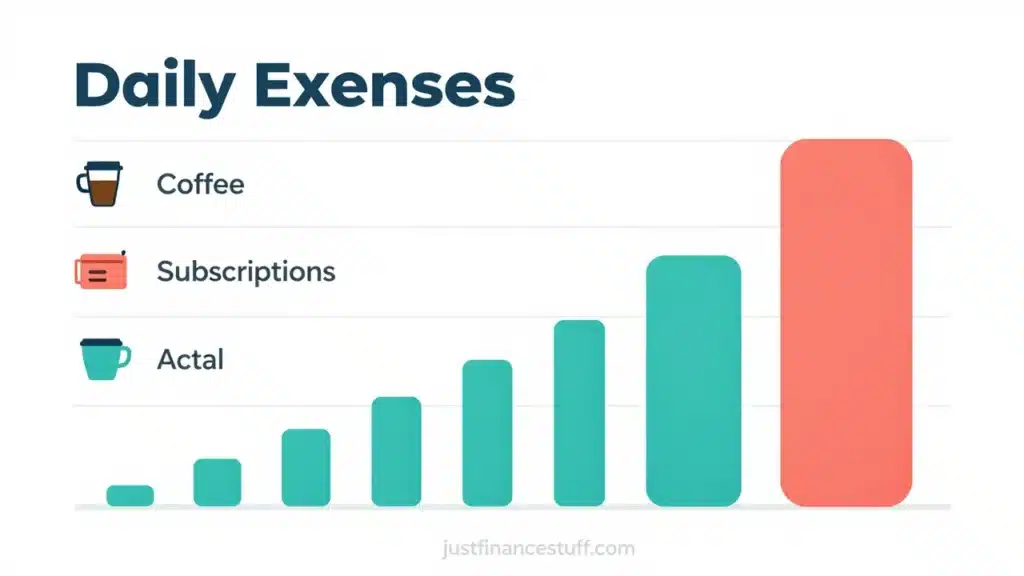
That $5 coffee and $12 lunch add up to thousands you can’t account for at month’s end. Tracking every dollar means literally every purchase, no matter how tiny it seems. Apps or spreadsheets help you see where your money actually goes instead of wondering why you’re always broke.
Spending money you don’t even have yet
Relying on credit cards is a common factor in financial trouble that catches beginners off guard. Living beyond your means becomes easy when you swipe plastic for everything. Your future self has to pay for today’s impulse buys, plus interest.
Credit cards make spending feel painless until the bill arrives. You might think you’ll pay it off next month, but that rarely happens when you’re already stretched thin. The minimum payment trap keeps you in debt for years, turning a $500 purchase into $800 or more. Stop treating your credit limit like it’s your actual money – because it’s not; it’s borrowed money with a hefty price tag attached that can affect your financial health.
Forgetting about the “what-ifs” and taxes
Many people fail at budgeting because they don’t save for emergencies or plan for taxes. You should aim for three to six months of expenses in your emergency fund. Tax planning gets ignored until April, then panic sets in.
Life throws curveballs – your car breaks down, you lose your job, or medical bills pile up. Without that emergency cushion, you’re forced onto credit cards, which starts a debt cycle that’s hard to escape. And taxes? They’re not optional. Freelancers and side hustlers get hit hardest because nobody’s withholding taxes from their paychecks, making it crucial to consult a financial advisor. Set aside at least 25-30% of your income if you’re self-employed, or you’ll face a brutal surprise come tax season.
Why skipping insurance is a huge gamble
Overlooking insurance needs like health or life insurance leaves you vulnerable to major hardships. One medical emergency can wipe out years of savings instantly. You’re betting nothing bad will happen, but that’s a bet you can’t afford to lose if you want to avoid common financial pitfalls.
Insurance feels like wasted money until you desperately need it. A hospital stay without health insurance can cost tens of thousands of dollars – enough to bankrupt most people and create significant financial strain. Life insurance protects your family if something happens to you, especially if you’re the main earner. Disability insurance covers your income if you can’t work due to injury or illness. Yeah, insurance costs money each month, but it costs way less than the disasters it protects you from. Skipping it to save a few bucks now could cost you everything later.

Seriously, let’s talk about the debt trap
Debt can sneak up on you faster than you think. High-interest credit card debt is a massive factor in financial failure, and it gets worse when you’re only paying the minimum each month. Taking on too much debt for luxury items like fancy vehicles drains your wallet. Misusing student loans for non-crucial expenses makes achieving financial independence much harder.
Those nasty high-interest credit card balances
Making only minimum payments on your credit cards keeps you stuck in a cycle that never ends. Your balance barely moves while interest charges pile up month after month. You’re basically throwing money away instead of actually paying down what you owe.
Why you shouldn’t finance a lifestyle you can’t afford
Taking on too much debt for luxury items like fancy vehicles is one of the fastest ways to wreck your finances. That shiny new car might look great, but the monthly payments will hurt. You can’t build wealth when you’re drowning in payments for stuff you didn’t really need.
So many people think they deserve certain things right now, but learning how to avoid this mindset will help your future self. Financing a lifestyle beyond your means creates a mountain of debt that takes years to climb out of. And guess what? That expensive car loses value the second you drive it off the lot, but those loan payments stick around for years. Your income should dictate your lifestyle, not the other way around, to avoid common money mistakes.
The truth about mismanaging student loans
Misusing student loans for non-crucial expenses sets you back before your career even starts. Student loan money should cover tuition and books – not spring break trips or a nicer apartment. You’ll be paying interest on those bad decisions for decades.
Student loans feel like free money when you’re in school, but they’re definitely not. Using loan money for restaurants, shopping, or entertainment means you’re borrowing against your future earnings at interest rates that add up fast. Every dollar you spend on non-crucials today could cost you two or three dollars by the time you finish paying it back. Your 30-year-old self will be furious that you used borrowed money to buy pizza and concert tickets.
Forgetting to use a real debt repayment strategy
Throwing random amounts at different debts won’t get you anywhere fast. Using the debt avalanche or snowball methods to boost credit scores gives you a clear path forward. Pick a strategy and stick with it – that’s how you actually make progress.
The debt avalanche method means paying off your highest-interest debts first, which saves you the most money over time and improves your financial health. The snowball method has you tackle your smallest debts first, giving you quick wins that keep you motivated. Both strategies work way better than just paying whatever feels right each month. You need a plan that tells you exactly where every extra dollar should go. Without a real strategy, you’ll spend years spinning your wheels while interest charges eat up your payments.
What’s the secret to investing without losing your shirt?
Smart investing isn’t about picking the next hot stock – it’s about avoiding the traps that drain your wealth. You need to start early, create a solid plan, and keep your emotions in check. Diversifying across stocks, bonds, and real estate helps you manage volatility while building long-term wealth. Check out these budgeting apps to help you manage your finances better. Top 10 Financial Mistakes and How to Avoid Them to protect your hard-earned money.
Waiting too long to get in the game
Starting early is the biggest factor in wealth building because compound interest needs time to work its magic, and learning how to avoid this pitfall is crucial for your financial health. Every year you wait costs you thousands in potential growth, which could be avoided with proper financial education. Your money makes money, then that money makes more money – but only if you give it enough time to multiply towards your financial goals.
Flying blind without an actual investment plan
Investing without a plan or clear risk tolerance leads to poor asset allocation that can wreck your portfolio. You’re basically guessing where to put your money, which rarely ends well. A proper strategy keeps you focused when markets get crazy.
Think of your investment plan as a roadmap for your financial future. It should spell out exactly how much risk you can handle, what percentage goes into different investments, and when you’ll need the money back. Without this blueprint, you’ll bounce around chasing whatever sounds good at the moment… and that’s how people lose money fast. Your plan acts like guardrails on a mountain road – keeping you safe even when things get bumpy.
Letting fear and greed call the shots
Many beginners let emotions drive their decisions, buying high and selling low – the exact opposite of what works. Fear makes you bail out at the worst times, while greed pushes you into risky bets that can derail your long-term financial strategy. This emotional rollercoaster destroys more portfolios than market crashes ever could, leading to mistakes to avoid in your financial decisions.
Your brain isn’t wired for investing success. When stocks soar, you feel invincible and want to pour more money in, which can lead to financial strain (that’s when prices are dangerous). When markets drop, panic sets in and you want to sell everything (right when things are actually on sale). Professional investors stick to their plans regardless of how they feel that day. They buy when others are scared and hold steady when everyone else is getting greedy. That discipline separates winners from losers over the long haul.
Putting all your eggs in one basket
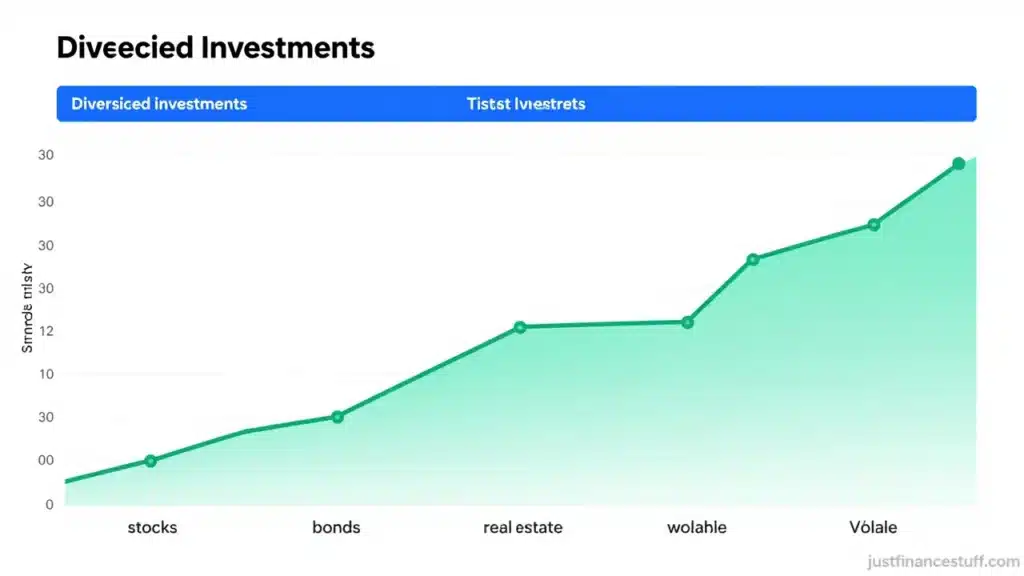
Diversifying across stocks, bonds, and real estate helps you manage volatility and reduce potential losses when one investment tanks. Spreading your money around means you’re never completely wiped out by a single bad bet, a common financial mistake that many investors make. It’s the closest thing to a free lunch in investing.
Real diversification means owning different types of investments that don’t all move together, which is crucial for your long-term financial success. When stocks crash, bonds often stay stable or even go up. Real estate moves to its own rhythm compared to the stock market. By mixing these together, you smooth out the wild swings that make people panic and sell at the worst times. Sure, you won’t hit a home run if one investment explodes higher – but you also won’t strike out if it collapses. Slow and steady wins this race.

Honestly, Are You Ready for Retirement?
Delaying your retirement savings is one of the biggest money mistakes you can make. Using 401(k) employer matches and IRAs is imperative – it’s literally free money sitting on the table. Healthcare and housing costs don’t magically disappear when you retire, yet so many people forget this. Cashing out retirement funds early destroys your growth through taxes and penalties, while keeping your savings intact lets compound interest work its magic.
Thinking Retirement Is “Future You’s” Problem
You might think retirement planning can wait until you’re older, but that’s a trap. Every year you delay costs you thousands in potential growth, hindering your long-term goals. Starting early with 401(k) employer matches gives you free money that compounds over decades, helping you set yourself up for financial success and reach your long-term financial goals. Your future self will either thank you or regret your choices – there’s no middle ground here.
Guessing How Much Life Will Actually Cost Later
Most people seriously underestimate their retirement expenses, thinking they’ll need way less than reality demands, which is a common money mistake to avoid. Healthcare and housing costs stay high even after you stop working. You can’t just guess and hope it works out when your financial security depends on accurate planning.
Your retirement budget needs to account for real expenses that won’t disappear. Healthcare costs typically increase as you age, not decrease. Housing expenses like property taxes, maintenance, and utilities continue whether you’re working or not. Insurance premiums, prescription medications, and unexpected medical procedures add up fast. People often forget about inflation eating away at their purchasing power over 20 or 30 years of retirement. You need a realistic picture of what life actually costs, not some optimistic fantasy that leaves you struggling later; this is where financial education comes in.
The Disaster of Withdrawing Your Funds Early
Cashing out your retirement funds early is financial self-sabotage. Taxes and penalties immediately slash your withdrawal by 30% or more. You lose all the compound interest that money would have earned over the years. Keeping your savings intact lets compound interest work in your favor instead of against you.
The math on early withdrawals is brutal and unforgiving. Let’s say you cash out $10,000 from your IRA at age 35 – you’ll pay income tax plus a 10% penalty, leaving you with maybe $7,000. But that $10,000 could have grown to over $70,000 by age 65 with average market returns if you had learned how to manage your money wisely. You’re not just losing the money you take out… you’re losing decades of growth on that money, which is a mistake to avoid. The penalties hurt, but the lost compound interest is the real killer. That one withdrawal could cost you your comfortable retirement, and there’s no way to get those years of growth back once they’re gone.
How to Finally Get Your Act Together
Getting control of your money starts with educating yourself through books or courses about personal finance basics. Create a budget that includes both savings and expenses to avoid common financial mistakes. debt payments and savings, then set up automatic payments to avoid late fees on your monthly obligations. Develop a solid debt repayment plan and evaluate if consolidation loans make sense for you. Start investing consistently in tax-advantaged accounts and don’t be afraid to seek professional advice to create a personalized plan that actually works.
Step-by-Step to a Budget That Actually Sticks
Building a budget doesn’t have to feel like punishment. You need a system that tracks where every dollar goes while making room for both necessities and things you enjoy. Include debt payments and savings as non-negotiable line items to help you achieve your long-term financial goals., just like rent or utilities.
| Budget Category | Action Step |
| Income | List all money coming in monthly |
| Fixed Expenses | Include rent, utilities, debt payments |
| Savings | Treat as a mandatory payment to yourself |
| Variable Costs | Track groceries, gas, entertainment |
| Review | Check weekly and adjust as needed |
My Tips for Crushing Your Debt for Good
Debt feels like it’ll never end, but you can break free with the right approach. Set up automatic payments so you never miss a due date and rack up late fees. Evaluate consolidation loans if you’re juggling multiple high-interest debts – sometimes combining everything into one lower payment makes sense.
Your debt repayment plan should focus on these key strategies:
- Choose between the snowball method (smallest balance first) or avalanche method (highest interest first)
- Set up automatic payments for all monthly obligations to protect your credit score
- Look into consolidation loans if you’re paying more than 15% interest on multiple debts
- Cut one unnecessary expense and throw that money at your debt every single month
- Thou shall not take on new debt while paying off existing balances
Paying off debt isn’t just about math – it’s about changing your relationship with money. You’ll need to be honest about what got you into debt in the first place. Was it overspending on things you didn’t need? Medical bills you couldn’t control? Student loans that seemed like a good idea at the time?
Once you identify the root cause, you can build better habits. Track every purchase for a month and you’ll be shocked where your money actually goes. Automatic payments are your best friend because they remove the temptation to skip a month or “just pay the minimum.” Some people find success with balance transfer cards that offer 0% interest for 12-18 months, giving you breathing room to attack the principal. But here’s the catch – you need discipline not to rack up more charges on those cards, a common mistake many make. Thou must stay committed even when progress feels painfully slow.
Why You Might Need a Pro in Your Corner
Sometimes you need someone who’s seen it all before to help you make sense of your finances. Seeking professional advice isn’t admitting defeat – it’s smart planning. A good advisor creates a personalized plan for success based on your actual situation, not generic advice from the internet, which is essential for financial literacy.
Financial professionals bring expertise you can’t get from reading blogs or watching YouTube videos. They’ve helped hundreds of people
Final Words
Now you know the common money mistakes beginners make and how to avoid them. You can build a secure financial life by tracking your spending habits and keeping your card balances low. Set up an emergency fund, review your credit reports regularly, and don’t forget about life insurance. Small, consistent improvements in how you handle money will lead to big wins over time.
FAQ
Q: What’s the biggest money mistake beginners make when they first start earning?
A: The biggest mistake is not tracking where your money goes each month. You might think you know where every dollar ends up, but those little purchases – a snack here, a game there – add up fast. Without tracking, you can easily spend more than you earn without even realizing it, leading to common financial mistakes to avoid. Start by writing down everything you buy for just one week. You’ll be surprised how much those small things cost! Use a simple notebook or a budgeting app on your phone to keep track of your financial decisions and avoid common pitfalls. Once you see where your money really goes, you can make better choices about what to buy and what to skip.
Q: Why do people keep spending money they don’t have on their credit cards?
A: People often use credit cards like free money, but it’s actually borrowed money you have to pay back – with extra fees on top. The real trap is that credit cards only ask for a tiny minimum payment each month, so it feels easy to keep spending. But those high interest charges mean you end up paying way more than what you originally bought. If you buy a $100 video game and only make minimum payments, you might end up paying $150 or more total! The best rule is simple: only buy things with your credit card if you can pay off the full amount when the bill comes to avoid financial mistakes to avoid. If you can’t afford to pay it all back right away, you probably can’t afford to buy it yet.
Q: When should someone start saving money for when they’re old and can’t work anymore?
A: The answer might sound weird, but the best time to start is as soon as you get your first real job – even if retirement feels a million years away. Here’s why: money you save early has more time to grow. If you save $100 when you’re 25, it might turn into $800 by the time you’re 65. But if you wait until you’re 45 to save that same $100, it might only grow to $200. That’s a huge difference! Many jobs will even give you free extra money if you save for retirement through their plan – that’s like getting a bonus just for being smart with your money. You don’t need to save tons right away; even small contributions to a savings account can help you reach your financial goals. Even putting away $20 or $50 from each paycheck when you’re young can help build an emergency fund that makes a massive difference later. The magic ingredient isn’t how much you save – it’s how early you start.