So you need cash, and there’s a trust with your name on it. Can you just ask for a loan? Borrowing money from a trust: what beneficiaries must know starts with one simple truth: it depends. Whether you can actually get a loan against trust funds hinges on the trust fund itself and the exact rules written into the trust instrument. Some trusts allow it, meaning the trust itself lends to a beneficiary. Others flat out don’t.
What’s the deal with different trust types?
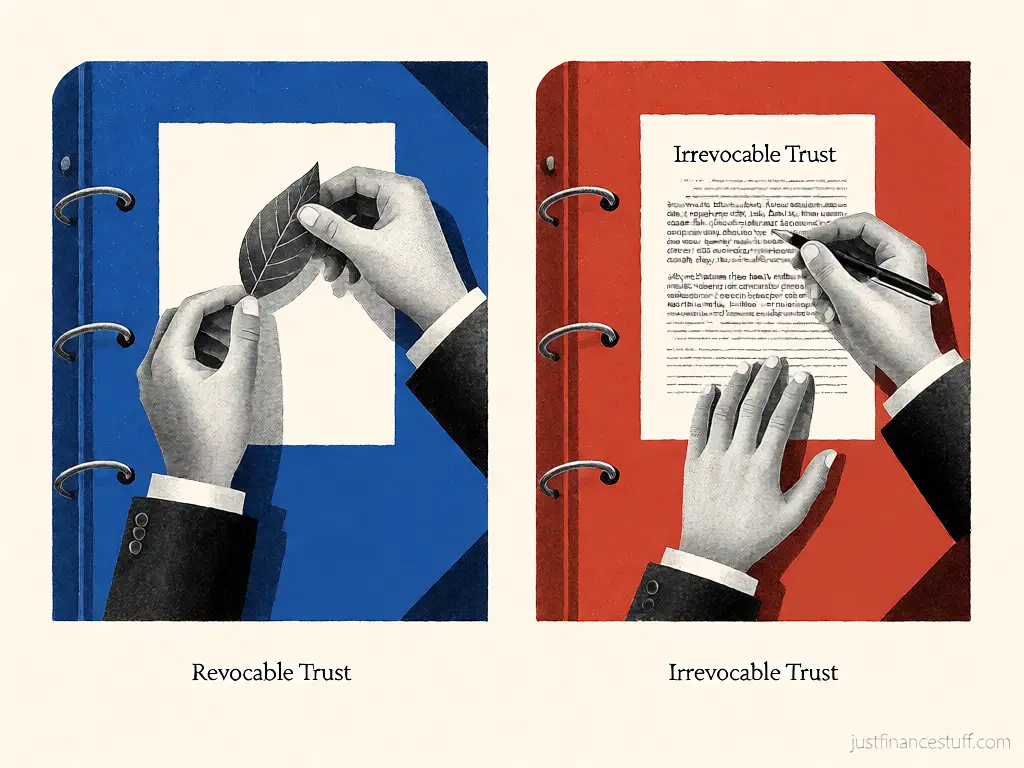
Borrowing money from a trust depends a lot on which kind of trust you’re dealing with. A revocable trust, also called a living trust or a revocable living trust, usually plays by different rules than an irrevocable trust, particularly regarding how a beneficiary can borrow. Some trusts let you borrow cash easily, especially for accessing trust funds. Others make it almost impossible. The trust type is the first thing you need to figure out before you even ask about a loan.
Revocable and living trusts
You have way more freedom here when the trust fund depends on the trustee’s discretion. Since you can change or cancel a revocable trust whenever you want, you often control the revocable trust assets directly. That means borrowing from it, or even just pulling money out, is usually simpler. You’re still the boss of the trust, so the rules bend more in your favor compared to other setups.
Irrevocable trust rules
Things get stricter once a trust becomes irrevocable, as the trust must adhere to its established terms. You usually can’t just borrow from it on a whim. The trustee has to follow strict terms written into the trust document, and Breaking those rules can create real legal trouble for the trust and the beneficiary borrowing from it, especially if the loan must be documented properly.. Still, some irrevocable trusts allow loans if the paperwork specifically permits it.
| Trust Type | Can You Borrow? | Who Controls It |
|---|---|---|
| Revocable Trust | Often, yes | You, as grantor, must ensure that the terms allow beneficiaries to borrow against trust assets if needed. |
| Irrevocable Trust | Only if allowed in writing to make a loan from the trust. | Trustee |
| Living Trust may provide unique advantages for borrowing from a trust. | Usually flexible | You, while alive |
Can Beneficiaries Get a Loan From a Trust?
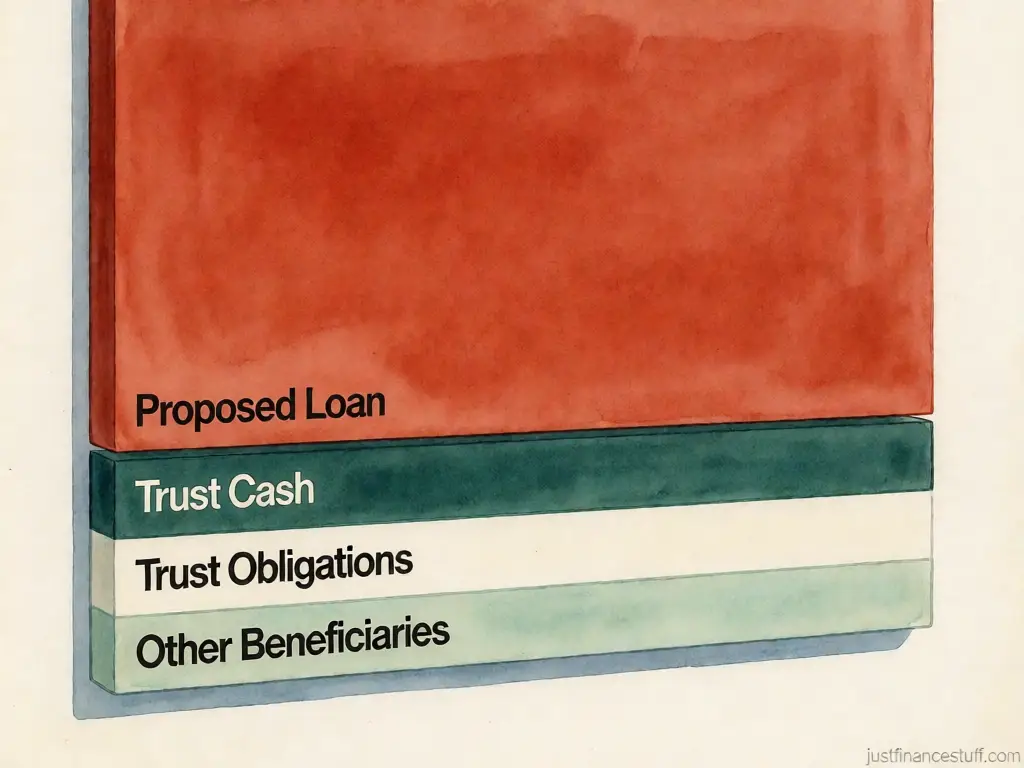
So, can you really get cash out of a trust, or is it more complicated when it involves a loan to a beneficiary? It depends on the type of trust and the trust documentation set forth by the trustee. A beneficiary may be able to obtain a trust loan, but approval is not automatic. The trustee must review the trust document, applicable law, and the proposed repayment terms before deciding whether the loan is appropriate.
- Whether the trust document specifically mentions loans to beneficiaries
- Your relationship with the trustee and your track record with money
- The trust’s current cash position and other beneficiaries’ needs
- State trust law, which fills in the gaps when the document is silent
- Whether a loan could trigger tax problems or conflict with the trust’s goals
What the trust document says
Grab a copy of the trust and actually read it. If the trust document grants the trustee the authority to make loans, you’re already halfway there. Some trusts spell out exact rules, like interest rates or repayment terms. Others say nothing about loans at all. That silence doesn’t mean no, but it does mean more digging is needed before anyone hands you a check.
The trustee’s power to say yes
When the trust stays quiet on loans, trust law and fiduciary duties step in to decide if the trustee may lend money. The trustee isn’t just being nice or mean here; they’re legally bound to act in the best interest of the trust and its beneficiaries. That means they’ll weigh your request against everyone else’s share, the trust’s purpose, and whether lending puts the whole fund at risk.
The real pros and cons of taking a loan
Borrowing money from a trust: what beneficiaries must know starts with this simple truth: a trust loan can be a lifesaver, but it’s never risk-free, especially if the beneficiary cannot demonstrate need. It can help one beneficiary get cash fast, without selling property or waiting on probate. But that speed comes with strings attached. Trustees have to answer to everyone named in the trust, not just the person asking for money. So before you ask, it helps to know both sides clearly.
The good stuff about trust loans
Speed is the biggest win here. You can often get loan proceeds within days, not months, since there’s no bank underwriting or credit check involved. Interest rates are usually lower than what a bank offers, too. And since you’re borrowing your own family’s money, the terms can be flexible. No early payoff penalties, no rigid monthly due dates, as long as the trustee agrees it’s fair.
The risks and downsides
The trustee carries real legal weight here. They must prove the loan serves everyone’s best interest, not just yours, unless the trust stipulates otherwise. If other beneficiaries feel shortchanged, they can challenge the loan in court unless the trust clearly outlines the terms. There are tax implications when accessing trust funds, especially if you may be able to borrow against a trust. Tax traps can arise when borrowing from a trust without proper documentation, particularly if the trust fund depends on specific terms., too: bad paperwork can make the IRS treat it as a taxable gift instead of a loan. Miss payments, and the trustee could be held personally liable for mismanaging trust funds.
| Factor | Pro tips for trust lending can help navigate legal risks associated with using trust as collateral. | Con |
|---|---|---|
| Speed | Cash in days, not months | Rushed decisions can skip proper review, especially when beneficiaries must approve a loan that uses trust assets. |
| Cost | Lower interest than banks is often a benefit of beneficiary loans secured by real estate. | Below-market rates can trigger IRS scrutiny regarding trust lending. |
| Fairness is essential when considering beneficiary loans from a trust, particularly if the trust is silent on certain terms. | Flexible repayment terms can help repay a loan more efficiently. | Other beneficiaries may feel treated unfairly if loans are made directly to the trust without their consent. |
| Legal risk associated with using a trust can be significant. | Keeps money within the family, especially when using trust as collateral for loans. | Trustee can be sued for breach of duty |
A step-by-step on how to get the cash
Borrowing money from a trust isn’t as simple as asking and getting a check the next day; it involves understanding the loan from a trust. Getting cash out of a trust follows a clear path: you ask, the trustee checks your ability to pay it back, and then the loan gets written up using real trust documents. Skip a step, and the whole thing can fall apart, especially when it comes to trust loans to beneficiaries. The trustee has to follow the trust’s rules the whole way through, not just do you a favor.
Making the loan request
You start by asking the trustee for a loan, usually in writing. Be ready to explain why you need the money and how you’ll pay it back. The trustee will look at your income, your debts, and whether the trust even allows loans at all. Some trusts flat out ban borrowing, so check the trust document before you get your hopes up.
Securing the loan with collateral

Once the trustee says yes, you’ll likely need to back the loan with something real. That might mean pledging trust assets or putting up real estate as collateral for a loan. This protects the trust if you can’t pay it back later, ensuring the beneficiary can borrow against trust assets responsibly. No collateral often means no deal, especially when trust documentation is silent on the matter., especially for larger loan amounts when making loans from the trust.
| Step to borrow against a trust depends on the terms outlined in the trust document. | Who’s Involved | What Happens |
|---|---|---|
| 1. Request to borrow against trust assets should be carefully considered. | Beneficiary | Asks trustee for a loan in writing, detailing how the trust can be used to benefit all parties involved. |
| 2. Review | Trustee | Checks repayment ability and trust rules |
| 3. Approval | Trustee | Approves loan if terms are reasonable |
| 4. Documentation is crucial when obtaining a loan from a trust to ensure all terms are clear. | Trustee and Beneficiary relationships are crucial in trust lending. | A loan written up using trust paperwork must adhere to the terms of the trust and be in the best interest of all beneficiaries. |
| 5. Collateral | Beneficiary | Pledges assets or real estate as security |
Why the interest rate actually matters
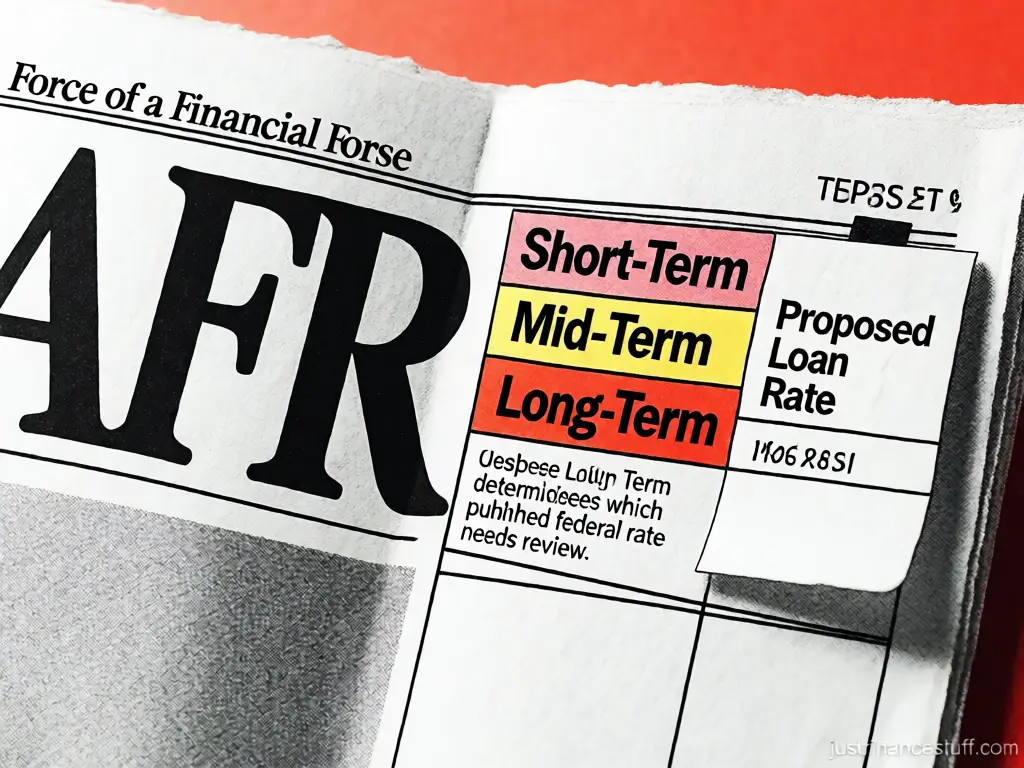
When you’re borrowing money from a trust, the interest rate isn’t just a small detail. It’s actually the whole ballgame when it comes to understanding the implications of loans from revocable and irrevocable trusts. Trust loans need a fair interest rate, usually tied to the IRS The applicable federal rate (AFR) is important to consider when a loan is made.. Skip this step or charge too little, and you could trigger tax problems for both you and the trust, especially when considering trust loans to beneficiaries. Fair pricing keeps everyone, including the IRS, happy, which is crucial when dealing with trust loans to beneficiaries at higher interest rates.
Understanding the applicable federal rate
The applicable federal rate is a minimum interest rate set by the IRS each month. Trustees often use this rate as a baseline for any loan from the trust, particularly when considering beneficiary loans. It changes depending on whether you can borrow for a short term, mid term, or long term loan. Using the AFR helps prove the loan is legit and not just a disguised gift.
Avoiding trouble with the IRS
Charge too little interest, and the IRS may treat the difference as a taxable gift, particularly if the transaction does not comply with the IRS applicable federal rate.. That can mean surprise taxes for the trust or the beneficiary down the road. Trustees sometimes set rates even higher than the AFR to protect the trust’s other beneficiaries from an unfair deal. Fair rates keep the loan looking, and acting, like a real loan.
- The AFR changes monthly, so the rate locked in on day one may differ from next month’s rate when borrowing from a trust.
- Short term, mid term, and long term AFRs each apply to different loan lengths, ensuring compliance with the IRS applicable federal rate.
- A below-market rate can be reclassified by the IRS as a gift, triggering gift tax rules.
- Trustees carry legal responsibility to charge a rate that’s fair to all beneficiaries, not just you, especially when it comes to a loan to one beneficiary.
- Written loan terms with a clear interest rate help prove the loan wasn’t a distribution in disguise.
My top tips for keeping things legal
Borrowing money from a trust can be done the right way, but you’ve got to follow the rules. The The trustee must stick to their fiduciary duties when making a loan. and act for the good of the trust, not just to do you a favor. Check the trust instruments first to see if loans are even allowed, as some trusts may restrict borrowing from a trust. And make sure the loan is real – you need to actually plan on paying it back, not treat it as free cash.
Keeping the trustee happy
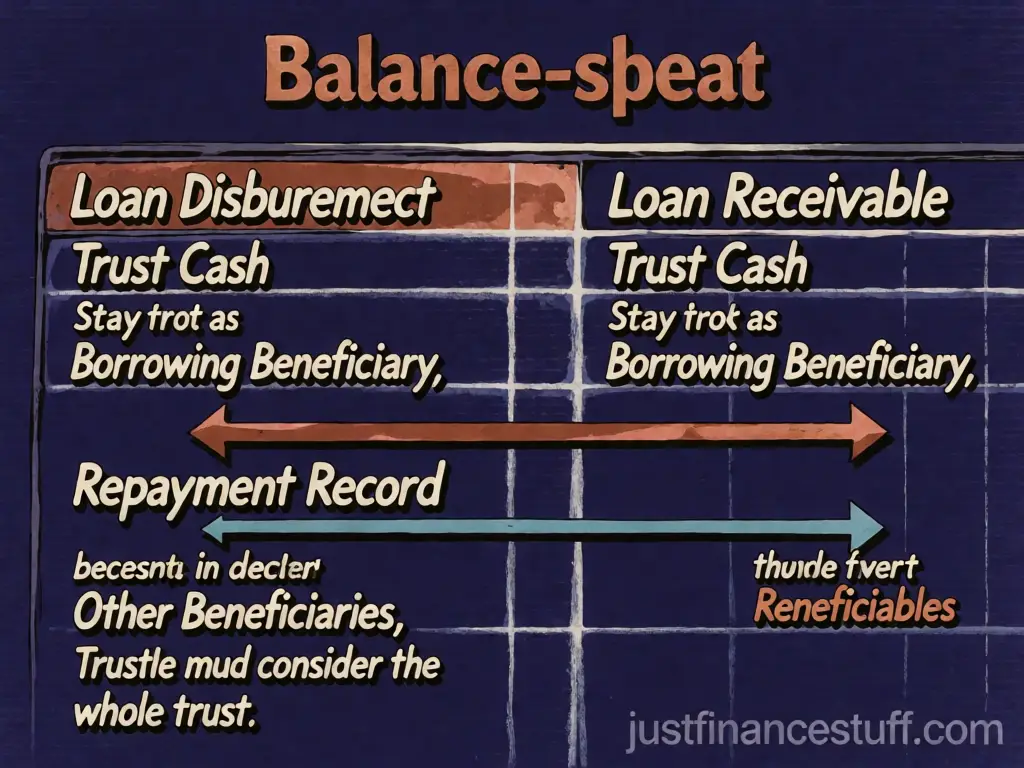
Your trustee has a job to do, and that job is protecting the trust, not pleasing you. They’re legally bound by their fiduciary duties, which means they have to think about what’s fair and safe for the trust as a whole, especially when trust loan lenders are involved. If you want a loan, come with a clear plan: how much, why, and how you’ll pay it back, ensuring it aligns with the trust using established guidelines. That makes their decision a whole lot easier.
Thinking about the other beneficiaries
You’re probably not the only person with a stake in the trust, as other beneficiaries can borrow money as well. Other beneficiaries have rights too, and a loan that drains trust funds could affect what’s left for them. A fair trustee weighs this before saying yes. So be ready to explain why your loan won’t hurt anyone else’s share down the road, especially if it involves below-market interest.
- Ask to see the trust document before requesting a loan to ensure you understand the rules for lending against irrevocable trust assets.
- Put the loan terms in writing, with a real interest rate and payback date, as many trust instruments require this for clarity.
- Keep records of every payment you make back to the trust.
- Expect the trustee to say no if the loan instrument doesn’t allow it.
- Talk to a lawyer if the trust’s language is unclear or confusing.
Final Words
Borrowing money from a trust can work, but whether you can obtain a loan depends on the specific terms outlined in the trust, and loans can be made if the trust allows it. Your answer depends entirely on the trust’s own rules and what the trustee is willing to allow. Before you ask for a loan from the trust, get everything in writing on behalf of the trust to protect the best interest of all beneficiaries, ensuring the trust must be used fairly. A proper loan agreement, with real terms and a fair interest rate, protects you and protects the trust itself when making loans from the trust. Skip the paperwork, and you could put your inheritance and your relationship with other beneficiaries at risk. Ask questions first, sign later.
FAQ
How long does it take to borrow money from a trust?
It depends on how fast the trustee acts and whether the trust document already allows loans. A simple request with clear terms might close in a week or two, but anything needing appraisals, collateral paperwork, or legal review of the trust document can take a month or more.
How much does a trust loan usually cost?
The main cost is interest, which should meet or exceed the applicable federal rate to avoid tax trouble with the IRS, particularly if it involves below-market interest. Beyond that, you may pay for an appraisal if you’re pledging property as collateral, plus any legal fees the trustee charges to draft the loan agreement.
What happens if a beneficiary doesn’t repay a trust loan?
Unpaid loans usually get deducted from that beneficiary’s future distributions from the trust to a beneficiary. If the shortfall is larger than their share, the trustee may pursue collection the same way any other lender would, especially if the loan was secured with collateral.
Are there alternatives to borrowing money against a trust fund?
Yes, a beneficiary can ask the trustee for an early or partial distribution instead of a loan, if the trust terms allow it, and they are also a beneficiary. Outside the trust, a personal bank loan or line of credit avoids any conflict with other beneficiaries, though it won’t offer the same low interest rate a trust loan might, especially when secured by real estate.
Is it a good idea to borrow from a family trust?
It can work well if the trustee documents the loan properly and charges a fair interest rate, protecting both the beneficiary and the trust from tax or legal problems. The bigger risk is strain with other beneficiaries, who may see a favorable loan to one person as unfair treatment, especially if loans can be made at different rates.