

Do you remember that rush of possibility when your first paycheck arrived? That feeling of pure, crisp power, money habit for many of us, that excitement quickly curdles into confusion or dread because of money habits.
You feel the familiar knot in your stomach tighten when the bank statements arrive. That tightness is the true cost of financial uncertainty.
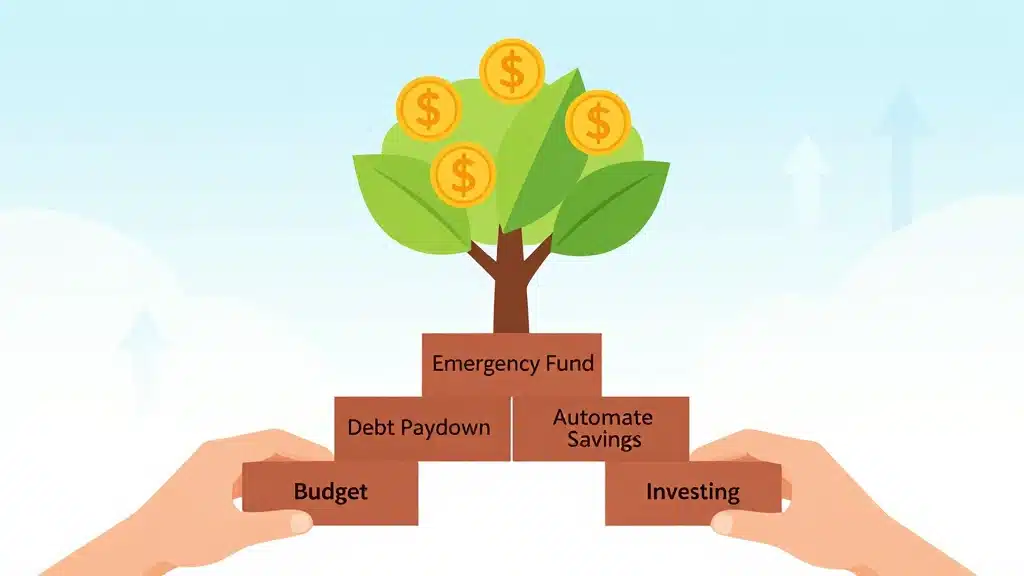
Your financial future is not a lottery win. It is built brick by tiny brick. These daily choices are your foundational money habits. They dictate your long-term security and your overall financial well being.
It is time to stop simply reacting to money. It is time to start writing a new, empowered story. This guide offers the essential personal finance education you need to truly master money management.
Build Money Habits: The Foundation of Financial Well Being
The journey to financial peace begins with tiny steps. You don’t need a massive salary to feel secure. You need consistent, repeatable actions. Developing good money habits involves moving from passive worry to active control.
These consistent actions, tracking expenses, saving early, and paying bills on time, establish deep financial confidence and security. Let’s look at the micro habits that shape your entire financial picture.
Understand Finances: Know Your Financial Picture 🖼️
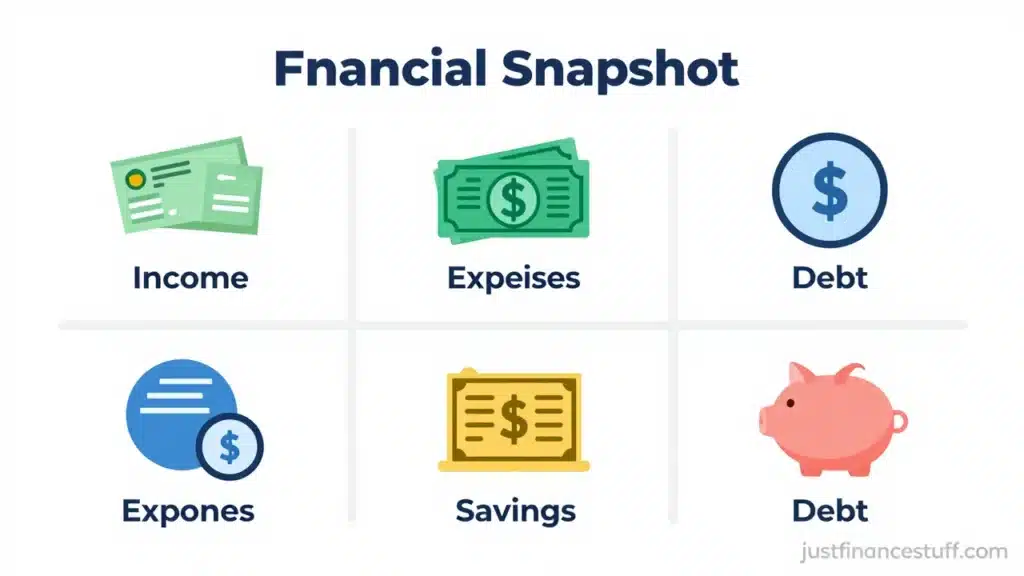
Before you can steer the ship, you must know where you are. Many people avoid looking closely at their bank accounts, fearing what they might find. But avoidance is the most expensive habit.
A crucial step in personal finance education is tracking your take-home pay and every single expense. This includes all debt payments, from student loans to Personal loans.
Reviewing this information periodically helps you maintain a healthy budget and get an accurate overview of your current financial health. This habit turns fear into clarity.
Create a Budget: Mastering the 50-30-20 Rule
A budget isn’t a leash; it’s a map. It gives you permission to spend, guilt-free, within defined limits. For successful money management, you must learn how to create a budget.
Statistics show that following simple rules, like the 50-30-20 Rule (Budgeting Methodology), helps balance your needs, wants, and savings. This rule suggests 50% for needs, 30% for wants, and 20% for savings and debt repayment.
Regular financial habits can lead to improved budgeting and spending. expense tracking is a crucial habit here. Use simple budgeting tips to ensure your plan reflects reality, not just wishful thinking. A robust budget is the first step toward a secure financial future.
The secret to success lies in consistency. Every time you make a conscious financial decision, you are reinforcing positive neural pathways. You are actively choosing Better money habits over old patterns.
Think of these as Micro habits (Financial Review). Just five minutes a day spent reviewing your spending, or setting up automated transfers with your Bank of America or Discover accounts, builds incredible momentum.
Build Emergency Fund: Your Financial Safety Net 🛡️
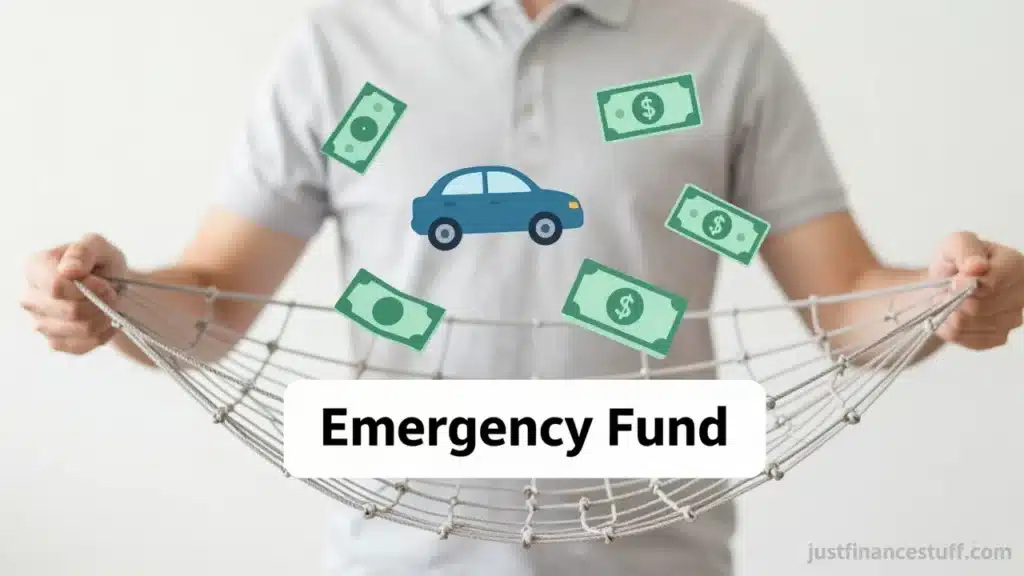
Life throws curveballs. A sudden car repair or an unexpected medical bill can derail years of progress. That is why building an Emergency fund is non-negotiable for true financial well being.
Experts recommend saving 3 to 6 months of living expenses. This buffer prevents you from relying on high-interest credit cards or painful Personal loans when disaster strikes.
If that goal seems huge, start small! Even saving $50 a week and consistently adding to your Savings account builds this essential security cushion over time.
Automate Savings: Pay Yourself First
Willpower is finite. The best way to ensure you save is to remove the choice entirely. This is where Automate savings comes into play.
Set up automatic transfers from your paycheck directly into your savings or Investment products, perhaps utilizing a 401(k) plan or a Traditional IRA/Roth IRA.
This habit helps prevent impulse spending. Since the money is gone before you see it, you speed up reaching your goals, leveraging the power of compound interest over time.
Manage Debt: Prioritizing High-Interest Debt 📉
Debt is often a necessary evil, but high-interest debt is an anchor weighing down your financial future. To truly manage debt, you must attack it strategically.
Always pay more than the minimum. Prioritize paying off debts with the highest interest rates first. If you have significant balances, consider debt consolidation to lower your overall interest burden.
Effectively pay down debt, especially managing high-interest debt, frees up cash flow that can then be directed towards growth, like Retirement savings.
Pay Bills On Time: Boost Your Credit Score ⬆️
This habit seems simple, yet its impact is massive. Timely or early bill payments avoid costly late fees and, critically, positively influence your credit score.
A high credit score opens doors. It leads to better terms on loans, lower interest rates, and reduced costs for things like saving and investing. Insurance coverage. Make it a foundational part of your money management system to pay bills on time.
Financial stability means never having to worry about a late fee notice again.
Spend Less: Avoiding Lifestyle Creep
As your income grows, it is natural to want nicer things. But watch out for “lifestyle inflation” or “lifestyle creep.” This is the enemy of long-term savings.
You must purposefully avoid automatic upgrades. Just because you can afford a more expensive car or house doesn’t mean you should. This discipline helps you spend less than you earn.
By resisting the urge to constantly upgrade, you ensure that the extra income goes toward building wealth, funding your Retirement savings and achieving true financial freedom.
Quick Guide: Better Money Habits Checklist ✅
| Money Habit | Action | Impact on Financial Future |
|---|---|---|
| Understand Finances | Track expenses daily (Bank of America, Discover). | Creates an accurate Financial picture. |
| Automate Savings | Set up transfers to your Savings account or 401(k) plan. | Increases consistency and leverages Compound interest. |
| Build Emergency Fund | Save 3 to 6 months of living expenses. | Buffers unexpected costs; improves Financial health. |
| Manage Debt | Prioritize paying off high-interest debt (Personal loans). | Reduces total interest paid and improves credit score. |
Expert Insight
“Do not save what is left after spending; instead spend what is left after saving.”, Warren Buffett
Building Better Money Habits: The Foundation for Financial Well-Being
That tight knot in your stomach disappears the moment you finally decide to open the bank statements. The first step toward lasting financial confidence is simple: seeing the truth. You must commit to true personal finance education.
You cannot reach your destination if you do not know your starting point. This realization is the cornerstone of Better Money Habits. It is the shift from reacting to proactively building your future.
Understanding Your Financial Picture and Personal Finance Education 🧠
Many people feel overwhelmed by their money, so they avoid looking at it completely. That avoidance is the most destructive habit you can adopt. To achieve true financial health, you must track where every dollar goes.
Look closely at your take-home pay. Then, track every single expense, especially those crucial debt payments. This rigorous expense tracking creates an accurate financial picture.
Review this information periodically. This micro habit shows you the hard facts: where your energy is being spent and where leaks are occurring, helping you identify bad money habits. It moves you from painful guessing to empowered knowing.
Budget Creation and Essential Budgeting Tips: The 50-30-20 Rule 📊
Once you understand finances, you need a solid plan for where the money should go. This is the purpose of budget creation. A budget is not restriction; it is freedom. It gives you immediate control over your cash flow and accelerates your path to financial well being.
A highly effective methodology used widely by experts, including those promoting Better Money Habits at Bank of America, is the 50-30-20 Rule. This simple guideline helps you balance your needs, wants, and future goals seamlessly, promoting healthy financial habits.
| Category | Allocation | Description |
|---|---|---|
| Needs | 50% | Essential living costs (housing, utilities, groceries, minimum debt payments) are part of maintaining healthy financial habits. |
| Wants | 30% | Non-essential or discretionary spending (dining out, entertainment, hobbies). |
| Savings & Debt | 20% | Future goals (building your emergency fund, retirement savings, extra debt repayment). |
Following the 50-30-20 Rule requires consistent, disciplined expense tracking. This is one of the most vital budgeting tips for long-term stability.
Use these guidelines to make smart financial decisions every single day. This is how you start to build money habits that last.
“The true journey to financial freedom begins the moment you commit to tracking every single dollar. Awareness always precedes lasting change.”
The Power of Consistency: Building Your Emergency Fund 🚨
One of the most critical elements of financial well being is the emergency fund. Competitors agree: you need 3 to 6 months of living expenses saved up. This buffer handles unexpected costs without derailing your financial future.
Start small, even if it feels insignificant. Consistent saving is more important than the amount. If you commit to adding a little bit every week, your emergency fund building will quickly gain momentum.
Automating Savings and Paying Down Debt
The best way to build money habits is to remove yourself from the equation to avoid common bad spending habits. Use automated savings transfers. Set up automatic transfers from your paycheck directly into your savings account or investment products.
This prevents impulse spending and speeds up reaching your financial goals. It is a painless way to ensure consistency.
Simultaneously, you must strategically pay down debt. Always pay more than the minimum on your debts, especially focusing on managing high-interest debt. Consider debt consolidation or a personal loan to lower your interest rate and reduce the total interest paid.
Timeliness and Financial Decisions
A simple action that profoundly shapes your financial picture is paying bills on time. Timely or early bill payments avoid painful late fees and positively influence your credit score. A strong credit score leads to better loan terms and lower interest rates in the future.
These micro habits are what turn confusing numbers into a confident path.
Expert Insight
“Personal finance is only 20% head knowledge. It’s 80% behavior.”, Dave Ramsey
Building Security: The Shield Against Financial Storms 🛡️
That tight knot in your stomach disappears the moment you finally decide to see the truth of your finances. This realization is the cornerstone of lasting Better Money Habits. But true financial well-being requires more than just looking, it requires building a strong shield.
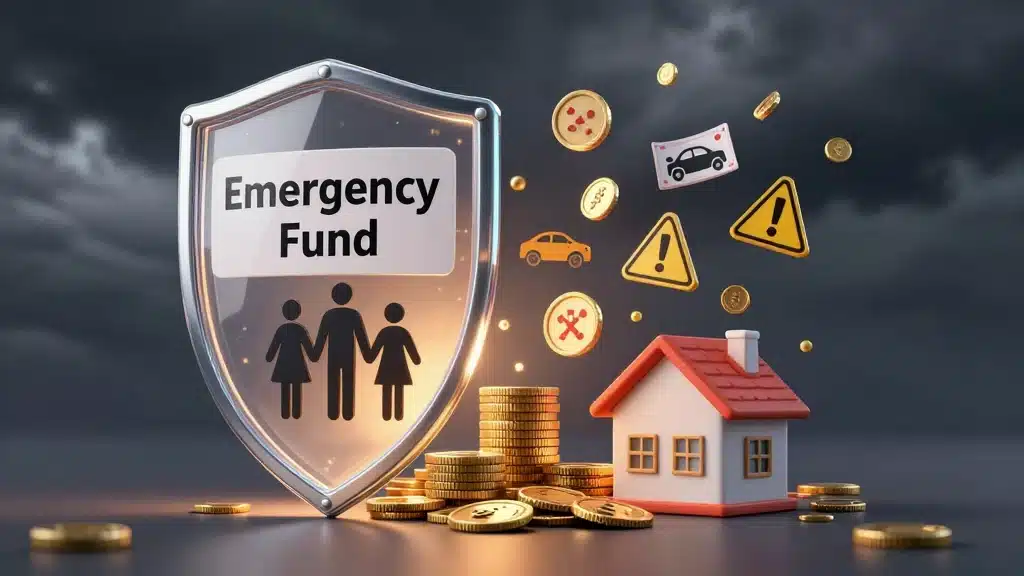
Life is full of unexpected events. A sudden illness. A broken water heater. Without preparation, these moments become catastrophic debt traps. The key is to start building security right now.
Understanding Your Financial Picture and Budgeting Success 📊
You cannot reach your financial destination if you do not know your starting point. The first step toward mastering money management is to clearly understand finances. You must map your current financial picture.
Start small: Track expenses for one full month. Every coffee, every bill, every payment counts. Use those concrete numbers to create a budget. This simple act transforms confusion into control.
Many find success using the 50-30-20 Rule. This popular guideline suggests allocating 50% of your income for needs (rent, groceries), 30% for wants (entertainment, dining out), and 20% dedicated to savings and pay down debt. Consistent budgeting tips like this turn overwhelming tasks into manageable actions, fostering healthy financial habits.
Building Your Shield: The Emergency Fund 🛑
To protect your financial future, you must build emergency fund. This fund is your necessary buffer against sudden costs. It stops a financial inconvenience from becoming a disaster requiring high-interest Personal loans.
Experts recommend that your Emergency fund should cover three to six months of living expenses. Do not wait for a large windfall to start. Start small, but start now!
The best way to build money habits for saving is to make it automatic. You must Automate savings. Set up direct transfers from your paycheck into a separate, dedicated Savings account. This practice ensures consistency, prevents impulse spending, and speeds up reaching your financial goals dramatically, contributing to better financial habits.
Conquering the Chains of Debt and Timely Payments ⏳
High-interest debt feels heavy. It is a drag on your financial health and often prevents you from achieving true freedom. To regain control, you must actively manage debt and commit to paying more than the minimum.
Prioritize managing high-interest debt first. Sometimes, consolidating existing debt can lower your overall interest rate. Every dollar you spend on interest is a dollar you cannot save for retirement.
A fundamental habit for excellent financial well-being is simple: Pay bills on time or early. Timely payments avoid punishing late fees and, critically, improve your credit score. These smart financial decisions ensure better rates when you need them most.
Resisting the Creep and Harnessing Compound Interest 💰
As your income grows, there is a powerful urge to upgrade everything, fancier cars, bigger homes, constant consumption. This is called “lifestyle inflation.” If you do not purposefully spend less than you earn, your savings rate will stall.
Resist the creep of bad habits that can derail your financial success. Focus instead on long-term growth. Investing allows your money to work for you through the incredible power of Compound interest. This is the essential ingredient for those who successfully save for retirement.
Knowing where to put your money is key to good money management. Here is a comparison of common financial vehicles to secure your long-term wealth:
| Tool | Primary Goal | Key Benefit | Risk Profile |
|---|---|---|---|
| Savings Account | Short-term needs, Emergency Fund | Liquidity, FDIC Insurance (up to limits), and saving and investing are crucial for financial success. | Very Low |
| 401(k) plan | Retirement Savings (Employer Match) | Tax-advantaged growth, Employer contribution | Medium to High |
| Traditional IRA | Retirement Savings | Tax deductions now, growth is tax-deferred | Medium to High |
| Roth IRA | Retirement Savings | Tax-free withdrawals in retirement | Medium to High |
| Investment products | Long-term wealth building | Potential for high returns | Varies widely |
Remember that traditional bank accounts, like those offered by Bank of America, are insured by the FDIC (Federal Deposit Insurance Corporation). However, Investment products are generally not guaranteed and may lose value. Higher potential returns often come with higher risk.
These consistent actions, budgeting, saving, paying down debt, are the foundation of true financial confidence.
Taming the Beast: How to Manage Debt and Build Financial Health 💪
Debt feels like a heavy chain, doesn’t it? It drags you down, filling you with cold dread every time the statement arrives. Conquering this burden is the crucial next step in your personal finance education.
Learning how to manage debt effectively is not just about paying bills. It is about reclaiming your peace and securing your long-term financial well being.
Paying Down Debt Effectively
After you successfully build emergency fund security, your next fight is against high-interest balances. Think credit cards or expensive Personal loans. These debts steal your future earnings through compound interest.
You must pay down debt strategically. Financial experts advise that you stop just paying the minimum. Focus every extra dollar on the debt with the highest interest rate first. This “snowball” of payments saves you the most money over time.
If you feel overwhelmed by multiple payments, consider Debt consolidation. Reputable lenders like those who promote healthy financial habits can help you achieve your goals. Discover can offer a single, lower-rate loan. This simplifies your payments and speeds up your journey toward a stronger financial picture.
The Simple Habit That Boosts Your Credit Score Improvement 📈
One of the easiest, yet most impactful, Better money habits is simply to pay bills on time. Late payments are budget drains, they trigger nasty fees that pull cash away from your savings goals.
Worse, missed payments severely damage your efforts toward Credit score improvement. Your credit history is a record of trust. Protect it fiercely!
A high credit score is your financial secret weapon. It unlocks lower interest rates on future mortgages and Personal loans. Make this automatic! Set up automated payments through your checking account, often offered by banks like Bank of America, to ensure you never miss a deadline. This habit strengthens your entire financial life. Financial future.
Expert Insight
“A high credit score is your financial secret weapon; it unlocks the best interest rates on major loans, delivers easier credit approval, and results in long-term savings that can amount to tens of thousands of dollars over the life of the loan.”, Bruce McClary, NFCC Spokesperson
Securing Tomorrow: How Better Money Habits Build Your Financial Future 🌳
You have broken the chains of debt. Now, look forward. What does your financial future truly look like? It should feel warm and secure, not cold and distant. 🌅
The comfort of your retirement is decided by the small financial decisions you make today can impact your future financial success. You must actively save for retirement now. Time is your greatest asset.
Harnessing the Power of Compound Interest
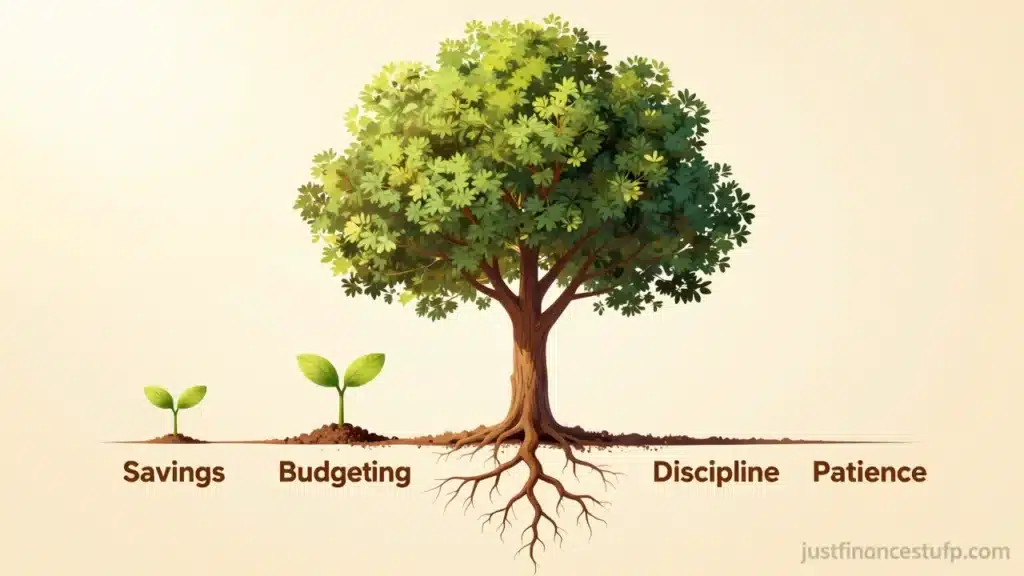
Imagine planting a tiny seed that grows into a massive oak tree. That is the magic of Compound interest. This is the most crucial lesson in personal finance education.
Money saved in your twenties works far harder than money saved in your forties. Even small, consistent deposits grow into substantial Retirement savings over time. Building better money habits means making saving automatic.
Automating Savings and Resisting Lifestyle Inflation
To maximize your growth, you must automate savings. Set up automatic transfers from your paycheck directly into your retirement accounts. This habit prevents impulse spending and speeds up reaching your goals.
As your income increases, consciously resist the urge for automatic upgrades. This is known as Resisting Lifestyle Inflation. If you earn more, save more. This simple rule dramatically improves your long-term financial well being.
Choosing the Right Investment Products
Where should you put this crucial money? Experts recommend maximizing tax-advantaged accounts first. If your employer offers a match, contribute enough to your 401(k) plan to grab every penny of free money. That employer match is part of your compensation!
You can also use individual financial habits to enhance your overall financial life. Investment products like the Traditional IRA or the Roth IRA. These accounts offer powerful tax benefits that help your money grow faster. Understanding these options is key to smart money management.
| Age Started | Annual Contribution | Years Saved | Ending Balance (Age 65) |
|---|---|---|---|
| 25 | $5,000 | 40 | $1,067,900 |
| 35 | $5,000 | 30 | $540,700 |
| 45 | $5,000 | 20 | $204,900 |
Protecting Your Financial Health with Insurance Coverage
Growing your wealth is only half the battle. You must protect it from disaster. Protecting your assets and income is vital for sustained Financial health and financial well being. 🛡️
As part of good money management, regularly review insurance policies. This includes health, auto, home, and life insurance coverage. If you have dependents, adequate life Insurance coverage is non-negotiable.
Ensure your coverage matches your current life stage and responsibilities. Having the right protection prevents one unexpected accident or medical bill from wiping out years of hard-earned Retirement savings.
Micro Habits for Macro Success: Building Consistent Better Money Habits 🌱
The journey toward a strong financial future is not a sudden sprint. It is paved with small, deliberate actions, tiny steps taken every single day. These consistent micro habits are what separate those who simply dream of wealth from those who actively build it.
You can transition from feeling financial dread to enjoying genuine financial well being. It starts now, with the commitment to better money habits.
Resisting Lifestyle Creep to Spend Less
Do you remember the moment your income grew? That sudden temptation to upgrade everything? That tendency is called lifestyle inflation, or lifestyle creep, and it is a silent thief of wealth.
If your spending automatically increases every time your salary increases, you will never build financial security. To truly spend less and save more, you must practice financial self-control.
When you get a raise, commit immediately to automating half of that extra income. Direct it toward your Retirement savings or paying down high-interest debt. Prioritize utility over status, and you will feel the control return to your hands. ✋
Understanding Your Financial Picture Through Budget Creation
The first step in personal finance education is understanding where your money goes. Many people feel anxiety because they don’t have a clear financial picture. That anxiety lifts when you apply structure.
Creating and maintaining a budget is essential for financial stability. A great budgeting methodology to adopt is the 50-30-20 Rule. This guideline helps you balance needs, wants, and savings, ensuring regular expense tracking becomes a crucial habit.
By using tools for budget creation and tracking expenses, you can accurately map your take-home pay and debt payments. This review is critical for maintaining financial health.
| Category | Allocation Goal | Financial Decisions Focus |
|---|---|---|
| Needs | 50% | Essential expenses (housing, utilities, minimum debt payments). |
| Wants | 30% | Non-essential spending (hobbies, entertainment, dining out). |
| Savings & Debt | 20% | Financial goals (Automate savings, pay down debt, Investment products). |
Building Your Financial Safety Net: Automate Savings
Imagine the relief of knowing unexpected costs won’t derail you. That is the comfort provided by a fully funded Emergency fund. Top experts recommend saving 3 to 6 months of your living expenses to buffer against surprises.
The most effective way to build money habits that last is to automate savings. Set up automated transfers from your paycheck directly into a dedicated Savings account immediately after payday. This habit prevents impulse spending and leverages the power of compound interest over time.
Even starting small, just $25 a week, will build your emergency fund consistently. You are buying yourself peace of mind.
Conquering Debt and Improving Your Credit Score
The weight of debt can feel crushing, but you have the power to manage debt and lift that burden. When reviewing your financial picture, prioritize paying off managing high-interest debt first. This might include credit cards or Personal loans.
Always pay bills on time or early. Timely payments avoid late fees and significantly influence your credit score improvement. A strong credit score leads to better loan terms, saving you thousands over the years.
If you feel overwhelmed, consider debt consolidation options. Paying more than the minimum on your principal balance is a critical habit for accelerating financial freedom.
Securing Your Financial Future: Retirement and Investment
Saving for retirement must be non-negotiable. Look at your 401(k) plan or explore opening a Traditional IRA or Roth IRA. Increase your contributions annually, even by just 1%. Time is your most valuable asset here.
By adopting these consistent, smart money management practices, many of which are emphasized by resources like Bank of America’s Better Money Habits initiative, you are actively guaranteeing a brighter, more secure financial future. Choose one small change today. The feeling of financial control it brings is immense. 🌟
A Deeper Look: Essential Personal Finance Education for Your Financial Future 💡
How do I start building effective Better Money Habits?
That initial step can feel scary, but it doesn’t have to be a giant leap. Start small. The most effective way is through consistency and automation. Begin with detailed expense tracking for just one month. Where does the money actually go?
This gives you a true Financial picture. Then, commit to Automate savings. Set up an automatic transfer to your Savings account. Even twenty dollars a week builds momentum. Consistency is the secret ingredient to long-term Financial well-being.
What is the most crucial step in Money Management?
The most crucial step is knowing your numbers. You must understand finances clearly. This means accurately tracking your take-home pay and every bill and debt payment.
Reviewing this information periodically helps you maintain a healthy Financial future. Statistics show that successful Money management relies on accuracy. If you don’t know where you stand, you can’t plan where you are going.
How can I Create a Budget that actually works?
Forget complicated spreadsheets. A simple, effective method is the 50-30-20 Rule (Budgeting Methodology). This rule helps you balance your needs and your dreams.
- 50% goes to Needs (housing, groceries).
- 30% goes to Wants (fun, dining out), which can contribute to bad money habits if not monitored.
- 20% goes directly to Savings and Pay down debt.
This structure makes Budget creation manageable. Regular expense tracking is the foundation that keeps this system strong and leads to genuine Financial health.
How much should I save in my Emergency fund?
Think of your Emergency fund as a financial airbag. It catches you when life hits hard and prevents small crises from becoming disasters. Experts recommend saving enough to cover three to six months of your essential living expenses.
You should keep this dedicated fund separate from your daily checking account. This buffer is crucial for maintaining your Financial well-being if you face job loss or unexpected medical costs. Start small if you must, but consistently add to your Emergency fund building effort.
What is the best strategy to Pay down debt?
Debt can feel like a heavy chain around your ankle. To achieve true Financial health, you must prioritize freeing yourself from high-interest burdens. This typically includes most credit card balances and certain Personal loans.
Focus on paying more than the minimum payment. Prioritizing the highest interest rate first is often the fastest path to reduce the overall cost of borrowing and Manage debt. Sometimes, Debt consolidation can help lower your rate and simplify payments, speeding up your journey to freedom.
| Scenario | Recommended Action for Better Money Habits |
|---|---|
| High-Interest Debt (Credit Cards, >10%) | Focus intense efforts on Pay down debt. This yields the highest immediate return. |
| Building the Initial Emergency Fund ($1,000) | Prioritize this first! It protects you from using debt when unexpected costs arise. |
| Low-Interest Debt (Mortgage, Car Loan) | Maintain minimum payments while maximizing Retirement savings (401(k) plan match). |
Why is paying bills on time such a big deal?
Paying your bills on time seems simple, but it is a powerful Financial decision. Timely or early payments avoid those nasty late fees that silently drain your funds. More importantly, they positively influence your Credit score improvement.
A strong credit score leads to better loan terms, lower interest rates, and a brighter Financial future. This discipline, a core micro habit, is vital for effective Money management.
How do I avoid “Lifestyle Inflation” as I earn more?
That feeling when you get a raise is intoxicating! But beware of the trap. Lifestyle inflation means your spending automatically increases with your income, preventing you from saving more. To resist this, you must purposefully avoid automatic upgrades.
When you get a raise, increase your automated contributions to your 401(k) plan or Roth IRA first. Grow your Retirement savings instead of your spending. This practice of financial self-control ensures your increased income improves your long-term Financial picture.
Does the FDIC insure my Investment products?
This is a critical piece of Personal finance education. No, the FDIC (Federal Deposit Insurance Corporation) does not protect investments. The FDIC insures deposits held in banks, like your standard Savings account or checking accounts, up to specific limits.
Investment products, including stocks, bonds, mutual funds, and assets held in a 401(k) plan or Traditional IRA, are not FDIC insured. They carry the inherent risk of losing value, which is why understanding risk is key to Better Money Habits.